Earrings Cute but Painful? Troubleshooting Sensitive Earlobes
Find out why your favorite earrings cute designs cause rashes and sagging. Expert troubleshooting for nickel allergies and lobe damage.

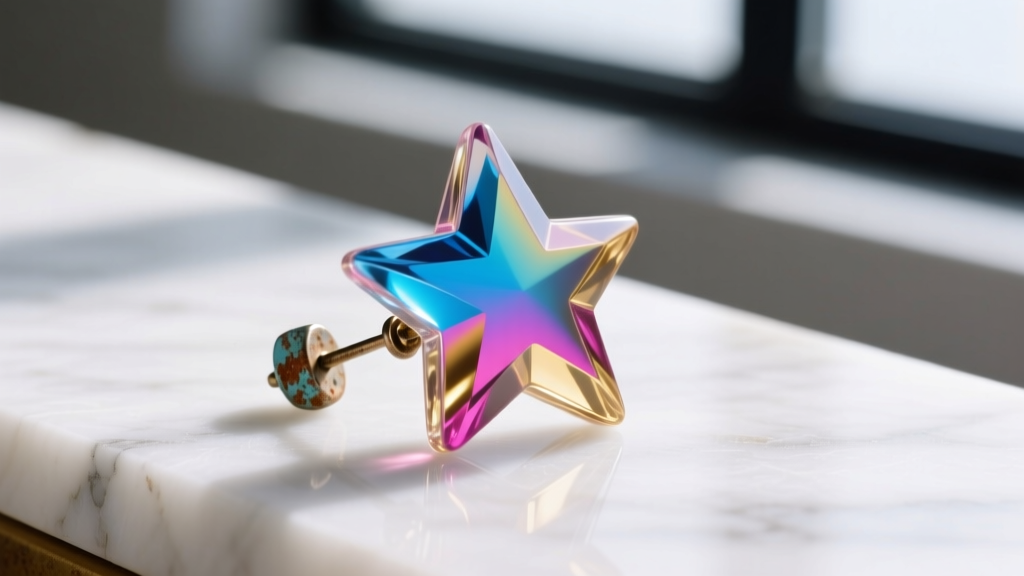
The Paradox of Trendy Jewelry: Why 'Cute' Often Hurts
We have all experienced the frustrating dilemma: you find a pair of earrings cute, affordable, and perfectly aligned with your current aesthetic, but after just three hours of wear, your earlobes are burning, itching, or throbbing. As we navigate the 2026 landscape of ultra-fast fashion and hyper-specific novelty jewelry—from tiny resin frogs to delicate celestial shapes—the market is flooded with intricate designs. Unfortunately, this explosion in novelty aesthetics has brought a massive spike in allergic contact dermatitis and structural lobe damage.
The problem rarely lies in the decorative face of the earring; it is almost always a failure of metallurgy, post gauge, or structural physics. When you prioritize aesthetics over material science, your body pays the price. This guide serves as your definitive troubleshooting manual for diagnosing, treating, and preventing the pain caused by fast-fashion jewelry, ensuring you never have to sacrifice your style for your comfort.
The Hidden Culprits in Fast-Fashion Metallurgy
When a decorative earring front is molded from acrylic, enamel, or resin, the post that actually penetrates your skin is usually soldered on as an afterthought. This is where the biological warfare begins.
The 'Surgical Steel' Myth and Nickel Leaching
Many commercial brands stamp their jewelry with 'surgical steel,' leading consumers to believe it is hypoallergenic. In reality, standard 316L surgical stainless steel contains between 8% and 10% nickel. While the chromium oxide layer on the steel is meant to trap the nickel inside, the aggressive tumbling and polishing processes used in mass manufacturing create micro-fractures in this layer. When you wear these earrings, your natural sweat acts as an electrolyte, accelerating the leaching of nickel ions directly into your dermis. According to the American Academy of Dermatology, nickel allergy is a Type IV delayed hypersensitivity reaction, meaning the burning and blistering can peak 48 to 72 hours after exposure, leaving you confused about which pair of earrings actually caused the rash.
Poorly Finished Gauge Seams
Standard lobe piercings are typically 20-gauge (0.81mm) or 18-gauge (1.02mm). Fast-fashion novelty earrings frequently use ultra-thin 22-gauge (0.64mm) posts to save on metal costs, which easily bend and create sharp creases that slice the delicate fistula (the piercing tunnel). Conversely, some heavy novelty pieces use poorly finished 16-gauge posts with visible manufacturing seams that act like microscopic saws, scraping the tissue every time you insert them.
Troubleshooting Chart: Symptom vs. Material Failure
Use this diagnostic table to identify exactly why your earlobes are rejecting your favorite accessories.
| Symptom | Likely Cause | Material Reality | The Fix |
|---|---|---|---|
| Itchy, flaky rash directly behind the lobe | Nickel Contact Dermatitis | Base metal post (brass or 316L steel) leaching ions via sweat | Switch to ASTM F136 Titanium or Niobium posts |
| Green or black stain on the skin | Copper Oxidation | Copper alloy base reacting to skin acidity and lotions | Seal with jewelry guard or upgrade to solid 14k gold |
| Piercing feels 'sore' or tender to the touch | Micro-tearing from rough seams | Low-tolerance manufacturing leaving burrs on 20g/22g posts | Polish post with a jeweler's cloth or swap the post entirely |
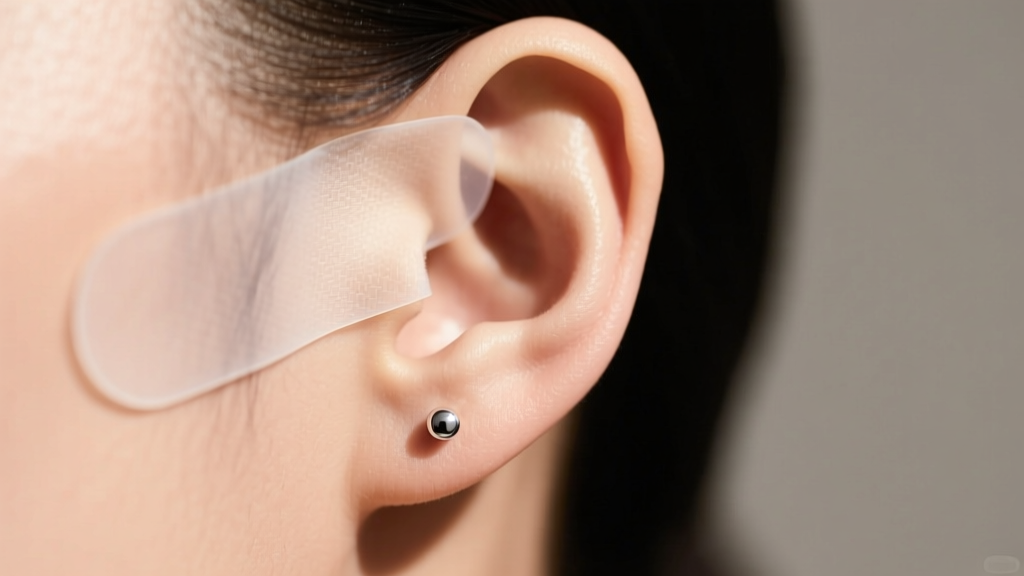
| Lobe feels heavy, stretched, or aches by evening | Cheese-cutter effect | Heavy acrylic/resin front pulling on a thin, unsupported post | Use silicone earring support patches behind the lobe |
Immediate Triage: Fixing the 'Itch and Burn'
If you already own a pair of earrings cute enough to justify saving, but they cause immediate irritation, you have a few triage options. However, not all internet hacks are created equal.
The Clear Nail Polish Hack (And Why It Fails)
The most common advice is to paint the earring post with clear nail polish to create a barrier between the metal and your skin. While this creates a temporary polyurethane shield, it is fundamentally flawed for long-term wear. The friction of inserting the post into the fistula immediately scratches the polish. Furthermore, human sebum and skin oils break down the polish matrix within 4 to 6 hours, exposing your skin to the very nickel you were trying to avoid. It is a temporary band-aid, not a cure.
The Professional Solution: Post Swapping
The most effective troubleshooting method is to physically remove the offending post. Many novelty earrings feature a decorative front with a flat backing that can be carefully snipped from the base metal post using flush cutters. You can then purchase 20-gauge, flat-back titanium labret studs (specifically rated ASTM F136 for implant-grade safety, as outlined by the Association of Professional Piercers). Using a tiny drop of jeweler's epoxy or UV resin, you can affix your cute acrylic or enamel front directly to the biocompatible titanium post. This permanently solves the allergy issue while preserving the aesthetic you love.
Structural Physics: Solving the Heavy Acrylic Sag
Allergies are only half the battle. The second major failure point in trendy jewelry is structural. Novelty shapes—think oversized resin mushrooms, chunky clay moons, or long acrylic chains—suffer from a severe center-of-gravity problem.
The 'Cheese-Cutter' Effect Explained
When an earring's decorative face is heavy and sits far away from the actual post, it creates a forward-tilting lever. Gravity pulls the heavy front downward, which forces the thin metal post to angle sharply upward inside the piercing channel. This concentrates all the downward force onto a microscopic surface area at the bottom of your fistula. Over time, this pressure cuts through the tissue like a wire through a block of cheese, permanently elongating the piercing hole and causing chronic aching.
Stabilization Techniques
To troubleshoot heavy earrings, you must increase the surface area distributing the weight.
- Silicone Support Patches: Brands like BlingDots make adhesive, medical-grade silicone patches with a pre-punched hole. Placing this behind your earlobe acts as a shock absorber, distributing the leverage across a 10mm radius rather than a single millimeter of skin.
- O-Ring Stabilizers: If the earring uses a standard butterfly back, swap it for a silicone O-ring or a flat silicone disc back. The friction of the silicone grips the post tighter, preventing the heavy front from drooping forward and reducing the lever effect.
- Ear Numbing Creams (Use with Caution): While some use topical lidocaine to endure heavy earrings, this masks the pain signals that warn you of tissue tearing. Never use anesthetics to bypass structural physics; use mechanical support instead.
Expert Sourcing: Where to Find Hypoallergenic 'Cute' Styles
You do not have to abandon fun, expressive jewelry to maintain healthy earlobes. The key is to shift your sourcing away from massive fast-fashion conglomerates and toward specialized indie jewelers and professional piercing studios that prioritize material integrity.
"The assumption that 'cute' means 'cheap' is a dangerous trap for sensitive skin. Investing in a 14k solid gold or ASTM F136 titanium base with interchangeable, high-quality enamel or gemstone tops allows patients to express their style without triggering chronic dermatitis."
— Board-Certified Dermatologist & Body Modification Specialist
What to Look For in Product Descriptions
When shopping online for novelty styles, use Ctrl+F to search the product page for these exact terms:
- 'Implant-Grade Titanium' or 'ASTM F136': This guarantees the metal contains zero nickel and is polished to a mirror finish, preventing bacterial buildup in the fistula.
- 'Niobium': A highly reactive metal that is anodized to create vibrant, rainbow-like colors without using any dyes, paints, or nickel alloys. Perfect for colorful, cute aesthetics.
- 'Solid 14k or 18k Gold': Avoid 'gold-plated' or 'gold-filled' novelty items. The plating on intricate, molded shapes wears off rapidly at the friction points, exposing the brass or steel core beneath.
Summary Checklist for Healthy Lobes
Before you wear your next favorite pair of novelty earrings, run through this quick troubleshooting checklist:
- Verify the post material (Titanium, Niobium, or Solid Gold only).
- Inspect the post under a bright light for manufacturing seams or burrs.
- Assess the weight-to-post ratio; apply a silicone support patch if the front is heavy.
- Remove the earrings before sleeping to prevent the post from bending and tearing the fistula overnight.
By understanding the metallurgy and physics behind your jewelry, you can curate a collection that is as kind to your skin as it is expressive of your personal style.


