Lion King Earrings: Safe Metals & Material Guide
Discover the best hypoallergenic materials for Lion King earrings. Compare titanium, gold, and safe enamels to prevent ear irritation.

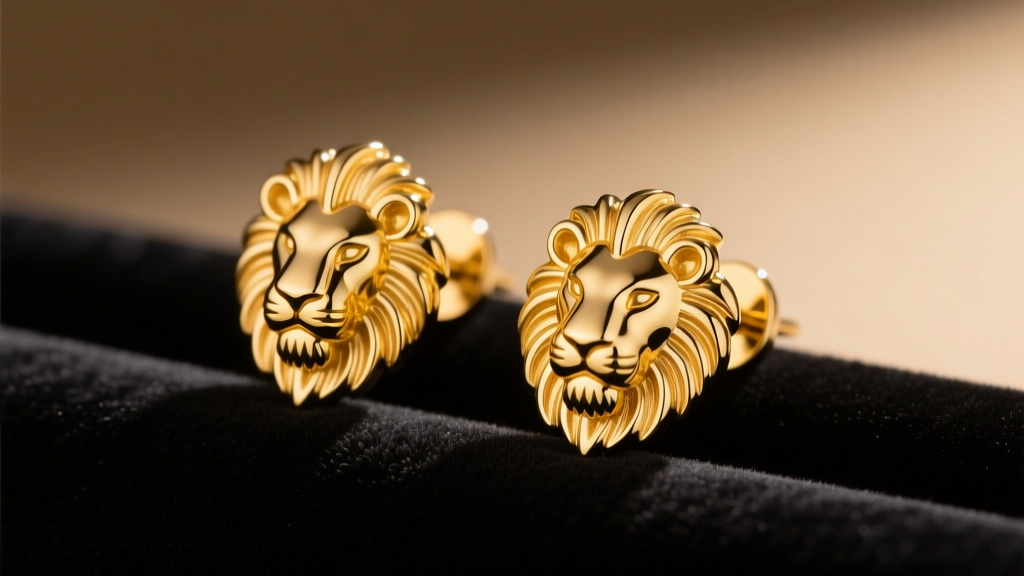
Finding the perfect Lion King earrings—whether you are hunting for a subtle Simba silhouette, a detailed Mufasa cameo, or a vibrant Pride Rock dangle—often leads buyers into a minefield of cheap base metals. Character and novelty jewelry is notoriously manufactured with cost-cutting in mind, prioritizing intricate casting and bright enamel colors over dermatological safety. For fans with sensitive ears, wearing unverified merchandise from theme parks or third-party marketplaces can quickly result in contact dermatitis, lobe tearing, or heavy metal exposure.
This comprehensive material guide breaks down the metallurgical properties, safety standards, and structural requirements you must consider when purchasing or commissioning Lion King earrings. By understanding the difference between novelty alloys and implant-grade metals, you can safely celebrate your favorite Disney classic without compromising your ear health.
The Hidden Dangers of Novelty Character Earrings
The vast majority of mass-produced character earrings are cast from zinc alloys (often marketed as "Tibetan silver" or "base metal") or low-grade brass. These materials are highly porous, prone to oxidation, and frequently contain dangerous levels of nickel and lead. According to the American Academy of Dermatology, nickel allergy is the most common cause of allergic contact dermatitis, affecting up to 36% of women and 3% of men. When cheap Lion King studs sit against the skin, sweat accelerates the leaching of nickel ions, triggering severe itching, blistering, and localized infections.
Furthermore, the vibrant oranges, yellows, and reds required to depict characters like Rafiki or Nala are often achieved using cheap epoxy resins or vitreous enamels that may contain cadmium and lead. While the EU Nickel Directive strictly limits nickel release to 0.5 µg/cm²/week for jewelry, many international novelty manufacturers bypass these regulations entirely. If you are buying for children, the risk is even higher, as the Mayo Clinic notes that early and prolonged exposure to nickel significantly increases the likelihood of developing a lifelong, severe allergy.
Material Comparison: What to Look for in Lion King Earrings
To ensure safety and longevity, you must seek out independent jewelers or licensed manufacturers who explicitly state their material grades. Here is how the safest metals and finishes compare for character-themed jewelry.
Implant-Grade Titanium (ASTM F136)
For custom-commissioned Lion King ear cuffs or cartilage studs, ASTM F136 implant-grade titanium is the undisputed champion. Unlike commercial titanium, F136 contains zero nickel and is highly biocompatible. Because titanium is exceptionally strong yet lightweight, it is ideal for large, sweeping lion mane silhouettes that would otherwise drag down a standard earlobe. The primary drawback is that titanium cannot be easily cast into the ultra-fine 3D details seen in cheap zinc alloys; it requires precise CNC machining or laser cutting, resulting in sleek, modern, flat-profile designs rather than chunky figurative charms.
Solid 14k and 18k Gold
Gold remains the premier choice for intricate, cast Lion King earrings. However, the karat weight dictates both durability and allergy safety. 24k gold is too soft to hold the fine details of a lion’s facial features. 14k gold (58.5% pure gold) offers the best structural integrity for heavy dangle earrings, while 18k gold (75% pure gold) provides a richer, warmer yellow hue that perfectly mimics the "golden savanna" aesthetic. Always verify that the gold is alloyed with silver, copper, or palladium—never nickel. White gold Lion King earrings should be rhodium-plated and explicitly labeled as nickel-free.
Surgical Stainless Steel (316L vs. 304)
Surgical steel is a common midpoint between cheap alloys and precious metals. However, the grade matters immensely. 304 stainless steel contains up to 10.5% nickel and is a frequent culprit in ear irritation. You must specifically look for 316L stainless steel, which has a lower nickel content and includes molybdenum for enhanced corrosion resistance. While 316L is generally safe for healed lobes, it is not recommended for fresh piercings or highly reactive skin, as trace nickel can still leach over time in highly acidic sweat environments.
Enamel Safety and Lead Limits
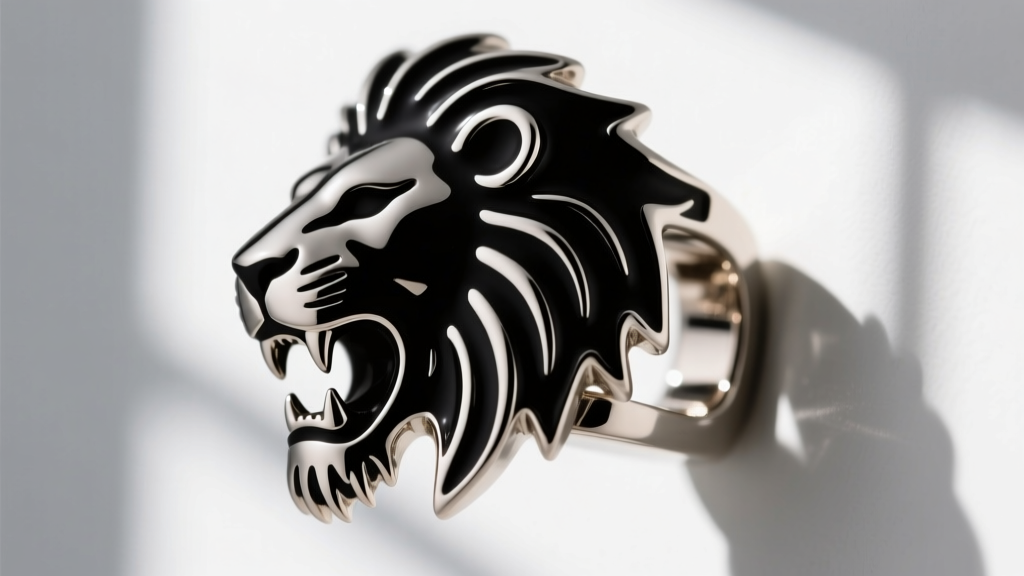
If you want enameled Lion King earrings, demand transparency regarding the enamel composition. High-quality jewelers use lead-free vitreous enamel (fired glass) or certified non-toxic cold enamels. Under the Consumer Product Safety Improvement Act (CPSIA) in the US, surface coatings on jewelry must contain less than 90 parts per million (ppm) of lead. Avoid opaque, chalky, or excessively brittle paints on unbranded merchandise, as these are red flags for unregulated lead-based pigments.
Comprehensive Metal & Property Data Table
| Material | Nickel Content | Ideal For | Avg. Price Range | Weight Capacity |
|---|---|---|---|---|
| ASTM F136 Titanium | 0% (None) | Flat silhouettes, cuffs, fresh piercings | $45 - $120 | Low (Best for lightweight designs) |
| Solid 14k Gold | Varies (Verify Alloy) | Intricate 3D casts, heavy dangles, heirlooms | $150 - $600+ | High (Excellent structural support) |
| Solid 18k Gold | Varies (Verify Alloy) | Detailed studs, luxury character motifs | $250 - $900+ | Medium (Slightly softer than 14k) |
| 316L Surgical Steel | Trace (Low Release) | Budget-friendly studs, healed lobe wear | $20 - $60 | Medium (Rigid but can irritate sensitive skin) |
| Zinc Alloy / Base Metal | High (Unregulated) | Costumes, temporary wear only | $5 - $25 | Low (Brittle, high breakage risk) |
Sizing, Gauges, and Backing Mechanisms for Heavy Motifs
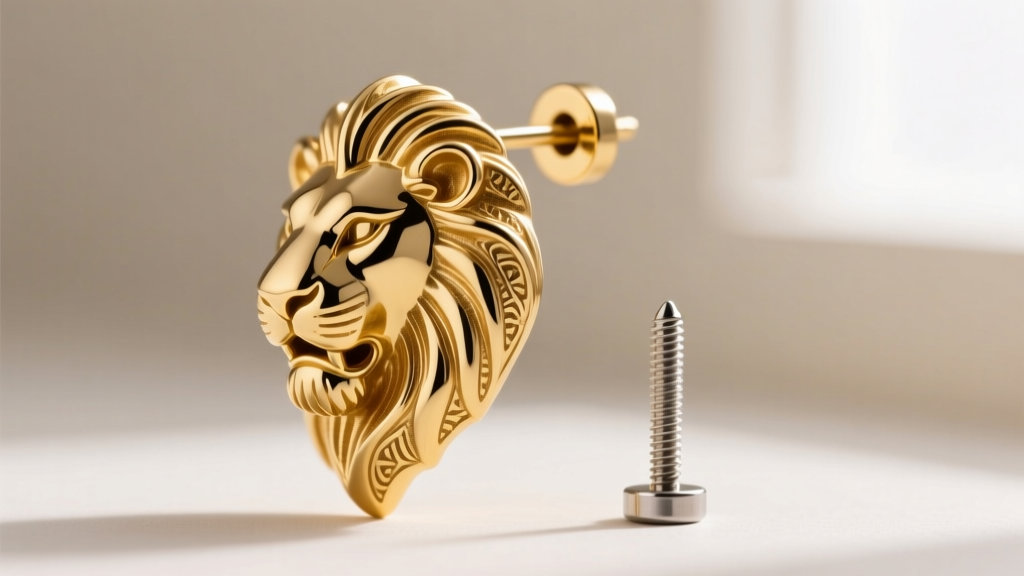
Lion King earrings, particularly 3D lion head studs or long Pride Rock dangles, carry significant physical weight. A standard novelty earring post is typically 22-gauge (0.6mm) or 20-gauge (0.8mm) and is paired with a cheap butterfly friction back. This setup is a mechanical failure waiting to happen. The thin wire acts like a cheese cutter on the earlobe, while the small butterfly back fails to distribute the weight, leading to lobe stretching, tearing, and the eventual loss of the earring.
When commissioning or buying heavy character earrings, insist on an 18-gauge (1.0mm) or 16-gauge (1.2mm) post. Thicker posts provide the necessary rigidity to support a 5-gram lion head charm without bending. Furthermore, discard standard butterfly backs. For heavy studs, upgrade to La Pousette backs (which use a mechanical locking clutch) or silicone O-ring backs for maximum security. For dangle earrings, ensure the jump ring connecting the charm to the hook is soldered shut; unsoldered rings will easily snap open under the pendulum weight of a swinging character charm.
How to Verify Material Claims Before Buying
Because the secondary market for Disney and Lion King jewelry is flooded with counterfeits and mislabeled metals, you must act as your own quality assayer. First, look for precise hallmarks. A simple "925" stamp on a dark, heavy earring often indicates silver-plated brass, not solid sterling silver. True sterling silver will tarnish uniformly, whereas plated brass will flake and reveal yellow/green undertones.
If you are purchasing high-end custom Lion King earrings from an independent jeweler, ask for an XRF (X-ray Fluorescence) test report or a detailed alloy breakdown. Reputable casters will readily provide documentation proving their gold is nickel-free and their enamels are CPSIA compliant. For vintage or thrifted pieces, purchase a cheap nickel testing kit (using dimethylglyoxime) to swab the earring post before wearing it. A pink swab indicates dangerous nickel leaching, meaning the item should be relegated to a display case rather than your ears.
By prioritizing verified materials, appropriate gauge thicknesses, and secure locking mechanisms, you can curate a stunning, safe collection of Lion King earrings that honors the magic of the Pride Lands without inviting dermatological disasters.


