Troubleshooting Blue Butterfly Earrings: Fix Fading, Chips & Droop
Troubleshoot common issues with blue butterfly earrings. Learn expert fixes for enamel chips, gemstone fading, and heavy dangle earlobe droop.

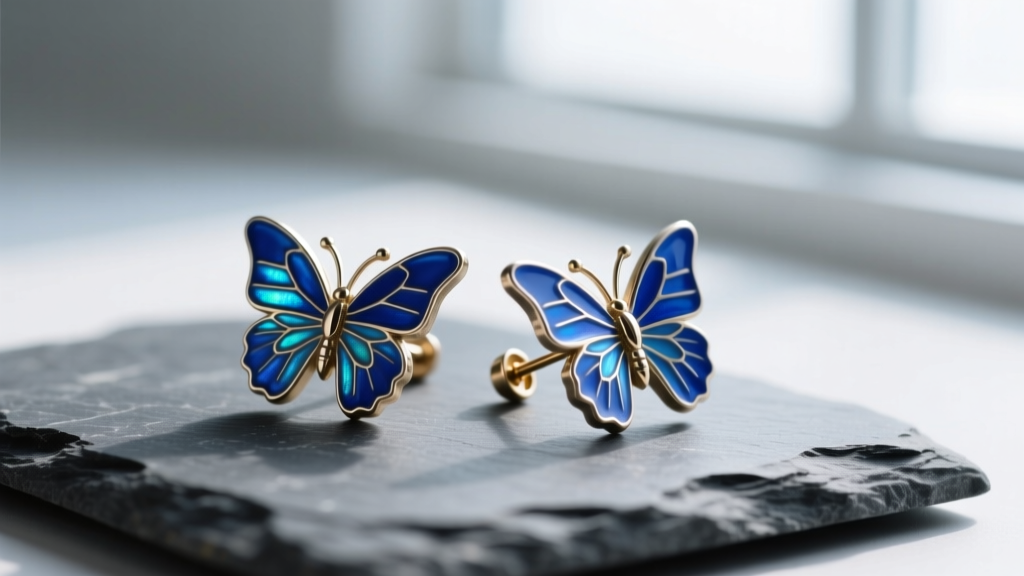
Blue butterfly earrings are a staple in both whimsical and fine jewelry collections, capturing the iridescent beauty of morpho butterflies and the deep hues of lapis lazuli. However, the intricate wing structures, delicate enamel work, and often top-heavy dangle designs make them uniquely prone to specific wear-and-tear issues. Whether you are dealing with chipped vitreous enamel, bent posts, or earlobe droop, troubleshooting these pieces requires an understanding of both metallurgy and gemology.
The Anatomy of Blue Butterfly Earrings & Common Failure Points
Before attempting repairs, it is crucial to identify the materials and structural weak points of your jewelry. The most common failure modes in blue butterfly earrings stem from cost-cutting measures in mass production, particularly regarding post thickness and plating quality.
- Post Gauge Issues: Standard lobe piercings require 20-gauge (0.8mm) or 18-gauge (1.0mm) posts. Many novelty butterfly earrings use flimsy 22-gauge (0.6mm) wire. This thin metal easily bends under the weight of 3D wings, creating jagged micro-tears in the fistula and causing chronic irritation.
- Enamel Fragility: Vitreous enamel (fused glass powder) is beautiful but brittle. Cold enamel (epoxy resin), common in 2026 fast-fashion jewelry, is less prone to shattering but highly susceptible to UV yellowing and chemical degradation from perfumes.
- Stone Porosity: Genuine blue stones like lapis lazuli and turquoise are porous. When set in intricate butterfly wing bezels, they trap skin oils and lotions, leading to dullness and calcite matrix erosion.
Troubleshooting Enamel Chips and Paint Fading
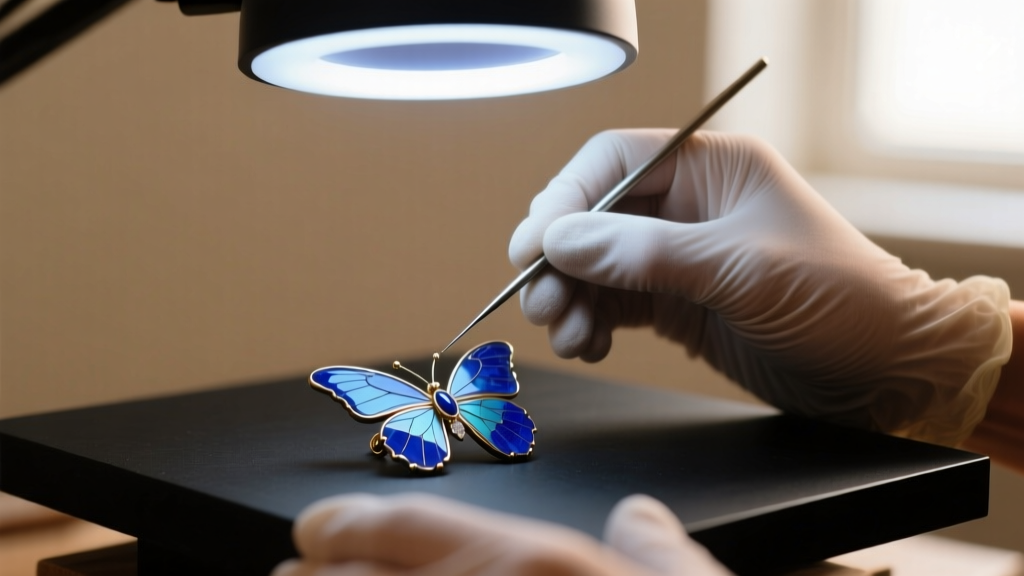
If your blue enamel butterfly earrings have suffered impact damage, the exposed base metal can quickly oxidize, turning the surrounding enamel black or green. Here is how to address the damage based on the material type.
Fixing Vitreous Enamel Chips
True vitreous enamel cannot be melted at home without a kiln. For minor chips on the wing edges, use a jewelry-grade, two-part clear epoxy. Clean the area with 90% isopropyl alcohol, apply the epoxy with a 0.5mm detailing brush, and let it cure for 24 hours. This seals the metal and prevents further flaking.
Restoring Faded Cold Enamel
If your cold enamel wings have yellowed or faded due to UV exposure, professional re-enameling is rarely cost-effective for pieces under $150. Instead, carefully mask the metal findings and apply a high-gloss, UV-resistant clear coat designed for model painting. According to the Gemological Institute of America (GIA), maintaining stable temperatures and avoiding ultrasonic cleaners is paramount to preserving any enameled jewelry piece.
Solving the "Earlobe Droop" in Heavy Dangle Butterfly Wings
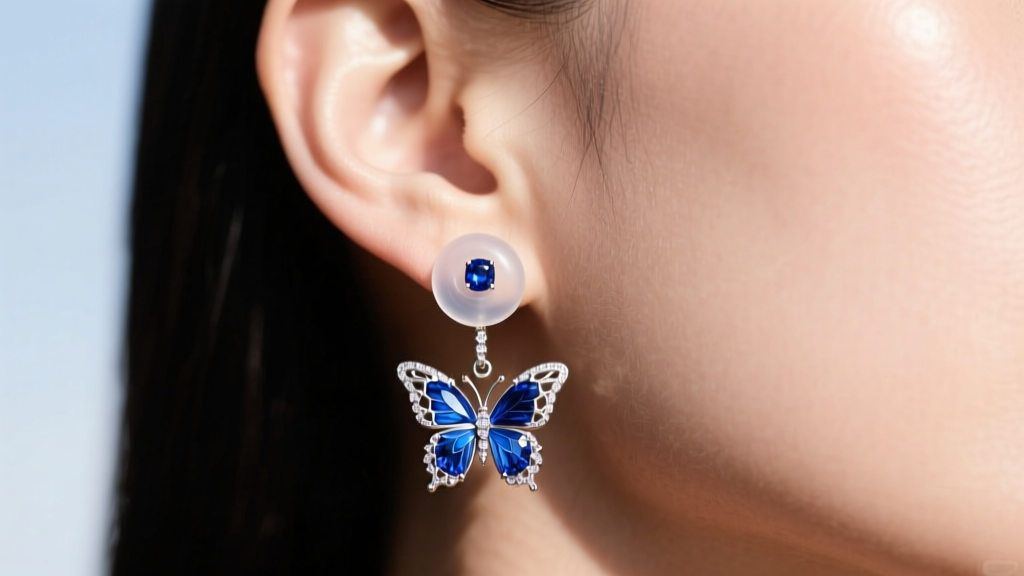
Three-dimensional butterfly dangles often feature a high center of gravity. When paired with a standard friction back, the earring tilts forward, stretching the piercing hole into an unsightly teardrop shape and causing discomfort.
Support Solutions by Weight Class
To solve earlobe droop, you must increase the surface area of the earring back to distribute the weight of the butterfly wings evenly across the back of the earlobe.
| Earring Back Type | Best For | Mechanism of Action | Price Range |
|---|---|---|---|
| Silicone Disc Backs (10mm) | Medium Dangles (5-10g) | Wide surface area prevents forward tilt | $5 - $12 |
| Locking Lever Backs | Heavy Statement Pieces (10g+) | Clamps onto the post, eliminating slippage | $15 - $25 |
| Earlobe Support Patches | Stretched / Damaged Piercings | Adhesive patches reinforce the fistula | $10 - $18 |
Allergic Reactions to Base Metal "Blue" Alloys
A frequent troubleshooting issue with novelty blue butterfly earrings is contact dermatitis. Many affordable pieces are cast from brass or nickel-silver alloys and merely plated or painted blue. Once the plating wears off on the post or the butterfly's antennae, nickel is exposed to the skin.
"Nickel allergy is one of the most common causes of allergic contact dermatitis. Once an allergy develops, it is typically lifelong." — American Academy of Dermatology (AAD)
The Permanent Fix: Post Replacement
While coating the post in clear nail polish is a common internet hack, it wears off within days and can trap bacteria in the piercing. The only permanent solution is to have a jeweler snip off the base metal post and laser-weld or solder an 18-gauge implant-grade titanium (ASTM F136) post in its place. This usually costs between $25 and $45 per earring but saves your favorite designer butterfly pieces from the trash bin.
Cleaning Protocols for Porous vs. Non-Porous Blue Stones
Improper cleaning is the leading cause of irreversible damage to gemstone butterfly wings. The intricate filigree of a butterfly design traps soap scum and dead skin cells, tempting owners to use harsh methods.
Material-Specific Cleaning Matrix
| Blue Material | Mohs Hardness | Ultrasonic Safe? | Primary Failure Mode | Correct Cleaning Method |
|---|---|---|---|---|
| Vitreous Enamel | 5.5 - 6.0 | No | Chipping on impact | Wipe with damp microfiber cloth |
| Lapis Lazuli | 5.0 - 6.0 | No | Calcite matrix erosion | Dry brush only; avoid all liquids |
| Blue Sapphire | 9.0 | Yes | Prong wear / stone loss | Warm water, mild dish soap, soft brush |
| Dyed Howlite | 3.5 | No | Color bleeding / dye transfer | Dry polish; keep away from sweat |
When to Retire vs. Repair: A Cost-Benefit Framework
Not every damaged blue butterfly earring is worth saving. Use this framework to decide whether to invest in repairs or replace the piece:
- Repair if: The earrings are solid gold, sterling silver, or feature genuine sapphires. Laser welding a broken wing hinge or replacing a post on a $200+ piece is financially sound.
- Retire if: The base metal is showing extensive green corrosion (verdigris), the 22-gauge posts are severely bent, or the dyed howlite stones are actively bleeding color onto your skin. These are structural and chemical failures that cannot be safely reversed.
By understanding the specific material vulnerabilities and structural demands of blue butterfly earrings, you can extend the life of your favorite pieces, ensuring they remain a vibrant, comfortable part of your jewelry rotation for years to come.


