Expert Cleaning and Care for Solitaire Drop Earrings
Learn how to properly clean, maintain, and store your solitaire drop earrings to protect delicate prongs and maximize gemstone brilliance.

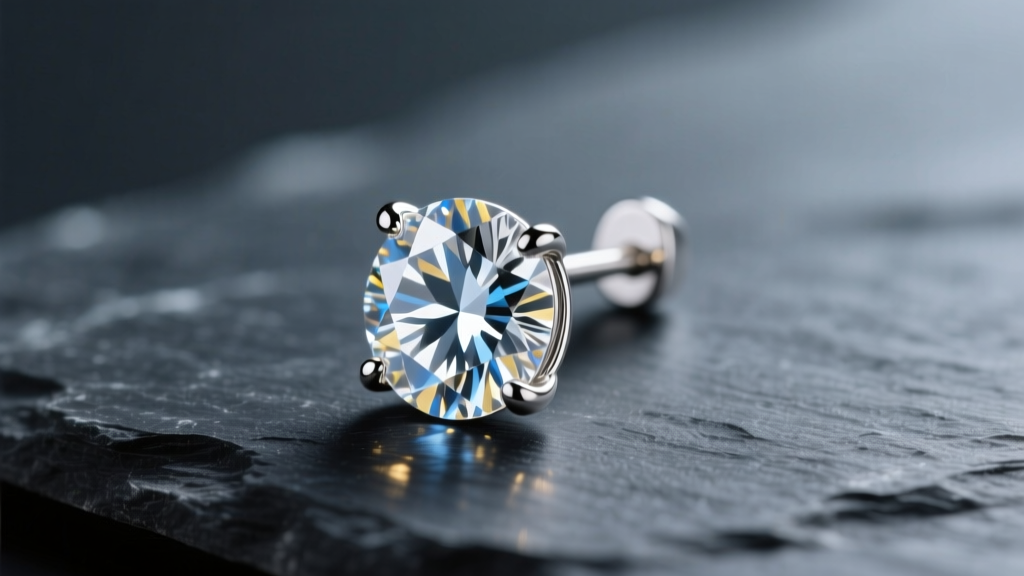
The Unique Vulnerability of Solitaire Drop Earrings
Solitaire drop earrings represent the pinnacle of minimalist elegance, suspending a single, brilliant gemstone just below the earlobe. However, their defining feature—the kinetic, dangling movement—is exactly what makes them uniquely vulnerable to wear, tear, and environmental buildup. Unlike fixed studs that sit flush against the skin, drop earrings swing, catch on hair, and brush against clothing and skin. This constant motion introduces mechanical stress to the setting and accelerates the accumulation of sebum, cosmetics, and environmental dust.
As we navigate jewelry care in 2026, many consumers rely on quick-fix home gadgets or harsh chemical dips. Yet, maintaining the structural integrity and optical brilliance of a solitaire drop requires a nuanced, material-specific approach. Whether your drops feature a classic four-prong diamond, a bezel-set sapphire, or a delicate emerald, understanding the mechanics of your jewelry is the first step toward lifelong preservation.
The Anatomy of Kinetic Wear: Where Drop Earrings Fail
To properly care for your earrings, you must understand where mechanical failure typically occurs. A standard solitaire drop earring consists of the post, the clutch (backing), the jump ring or bail, and the setting itself.
- The Jump Ring Friction Point: The tiny metal loop connecting the drop to the earwire experiences constant micro-friction. Over several years of daily wear, a soft 18k yellow gold jump ring can actually wear through, leading to a lost gemstone. For daily-wear drops, platinum or 14k white gold offers superior tensile strength and friction resistance.
- The Pavilion Buildup: The underside (pavilion) of the solitaire gemstone acts as a magnet for skin oils and lotions. A microscopic layer of sebum can reduce a diamond's light return (brilliance) by up to 60%, making a flawless stone look cloudy and lifeless.
- Post Bending and Clutch Degradation: Because drops carry more weight and leverage than standard studs, the post is prone to slight bending when snagged. Furthermore, silicone friction backs degrade when exposed to the alcohol in hand sanitizers, while metal butterfly backs trap dead skin cells in their scrolls, leading to contact dermatitis.
Step-by-Step Cleaning Protocol for Maximum Brilliance
While portable ultrasonic cleaners and UV sanitizers have flooded the market, the gold standard for cleaning most solitaire drops remains a gentle, manual approach. This method ensures that no vibrations loosen the prongs and no harsh chemicals damage the metal alloys.
What You Will Need
- Ammonia-free, mild liquid dish soap (avoid moisturizing soaps that leave a film)
- Distilled or filtered lukewarm water (hard tap water can leave calcium deposits)
- A brand-new, ultra-soft baby toothbrush or a specialized jewelry cleaning brush
- A lint-free microfiber or untreated cotton cloth
- 70% Isopropyl alcohol (for post sanitization only)
The Cleaning Process
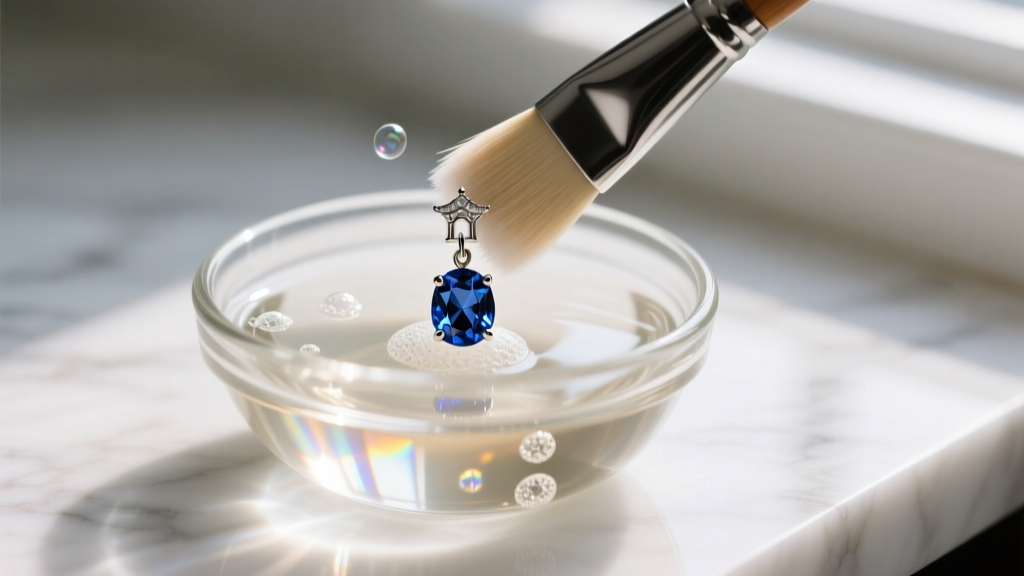
- Prep the Bath: Mix a few drops of mild dish soap into a small glass bowl of lukewarm distilled water. Ensure the water is not hot, as extreme thermal shock can fracture certain treated gemstones.
- Soak: Submerge the solitaire drop earrings for 15 to 20 minutes. This softens hardened lotions and sebum trapped beneath the setting.
- Agitate Gently: Using the soft brush, gently sweep the bristles across the pavilion (underside) of the gemstone and around the base of the prongs. Do not scrub the top of the stone aggressively; let the bristles do the work.
- Rinse and Dry: Rinse the earrings under a gentle stream of lukewarm distilled water. Crucial: Always perform this step over a plugged sink or a mesh strainer to prevent a catastrophic loss down the drain. Pat dry with a lint-free cloth.
- Sanitize the Post: Dip a cotton swab in 70% isopropyl alcohol and wipe down the metal post and the inside of the clutch to eliminate bacteria. Avoid letting the alcohol pool on the gemstone setting.
Material-Specific Maintenance Chart
Not all solitaire drops are created equal. The Gemological Institute of America (GIA) emphasizes that a gemstone's Mohs hardness and internal treatment history dictate its care requirements. Use the chart below to tailor your maintenance routine.
| Gemstone Material | Mohs Hardness | Ultrasonic Safe? | Steam Safe? | Specific Care Warnings |
|---|---|---|---|---|
| Diamond (Untreated) | 10 | Yes | Yes | Attracts grease; requires frequent degreasing for brilliance. |
| Fracture-Filled Diamond | 10 (Surface) | No | No | Ultrasonics can cloud the glass/resin fillers. Use only soapy water. |
| Sapphire / Ruby | 9 | Usually Yes | Usually Yes | Heat-treated stones are stable, but lattice-diffused stones may react poorly to harsh acids. |
| Emerald | 7.5 - 8 | Never | Never | Almost all emeralds are cedar-oiled. Ultrasonics and heat will strip the oil, revealing white fractures. |
| Pearl (Solitaire Drop) | 2.5 - 4.5 | Never | Never | Never soak. Wipe with a damp cloth only. Acids and perfumes will dissolve the nacre over time. |
Prong Inspection and Professional Servicing
Because solitaire drop earrings swing and occasionally impact the neck or shoulder, the prongs holding the gemstone are subjected to lateral shearing forces that static studs do not experience. A prong that is slightly lifted by a fraction of a millimeter can catch on a knit sweater, pulling it further open and risking the loss of the stone.
According to guidelines supported by the Federal Trade Commission (FTC) regarding jewelry warranties and care, consumers should establish a professional inspection routine. We recommend the following schedule:
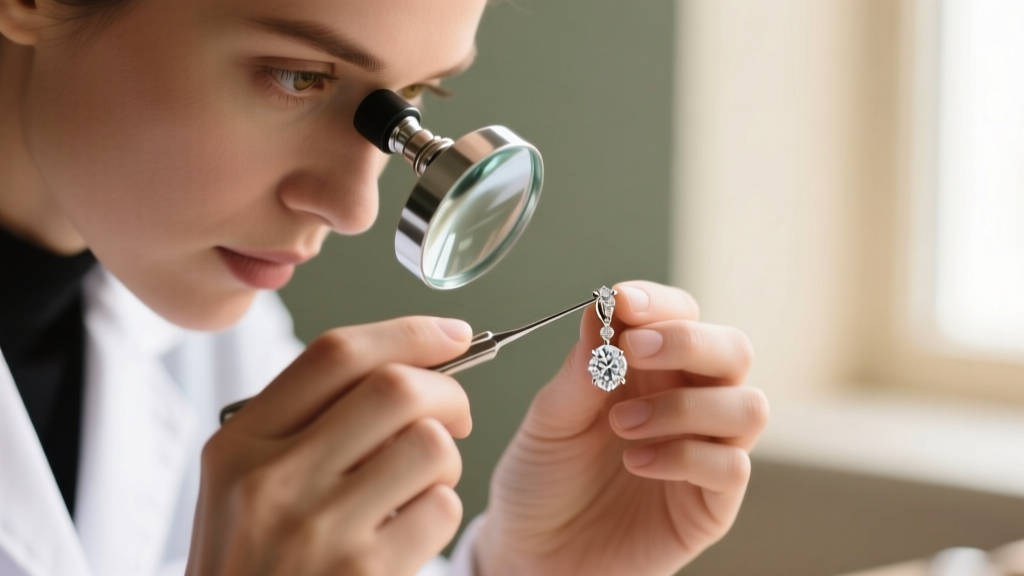
- Every 6 Months: Have a bench jeweler inspect the prongs under a 10x loupe. They will check for "prong lift" and ensure the jump ring connecting the drop to the post has not thinned from kinetic friction.
- Annually: Request a professional polish for the metal setting if it is white gold. White gold is plated with rhodium, and the friction from hair and skin will eventually wear this plating away, revealing the slightly yellowish alloy beneath. A jeweler can re-plate (rhodium flash) the drops to restore their bright white luster.
Expert Troubleshooting Tip: If your solitaire drop earring feels "loose" on your earlobe and droops forward, the issue is rarely the post itself. It is usually the clutch. Over time, the metal scrolls on a butterfly back lose their tension. Before assuming the earring post is bent, replace the backing with a high-quality silicone disc or a new metal friction back to restore a secure, horizontal drape.
Proper Storage Techniques to Prevent Scratching
The final pillar of solitaire drop earring maintenance is proper storage. Tossing dangling earrings into a communal jewelry box is a recipe for disaster. The diamond on one earring (Mohs 10) can easily scratch the gold setting or the gemstone of the other earring. Furthermore, the elongated posts of drop earrings are notorious for tangling with chains and other drops, leading to bent posts and damaged jump rings.
To preserve your investment, adopt these storage protocols:
- Individual Compartments: Always store each solitaire drop in its own soft, anti-tarnish flannel pouch or a dedicated velvet-lined slot. Ensure the gemstone does not press against the metal post of its pair.
- Use a Piercing Post Block: For travel, utilize a hard-shell jewelry case with a dedicated piercing post block (a piece of dense foam or silicone). Push the posts securely into the block so the drops remain suspended and cannot swing around during transit.
- Climate Control: If you live in a high-humidity environment, place a small silica gel packet in your jewelry drawer to prevent the oxidation of silver or copper alloys present in your gold settings.
By treating your solitaire drop earrings not just as accessories, but as precision-engineered mechanical objects, you ensure they remain secure, brilliant, and structurally sound for decades. Consistent, gentle cleaning combined with bi-annual professional inspections will keep your drops catching the light perfectly every time you wear them.


