Clean & Store Earrings with Box Packaging: Expert Care Guide
Learn expert methods to clean and store earrings with box packaging. Discover material-specific care, anti-tarnish tips, and velvet maintenance.

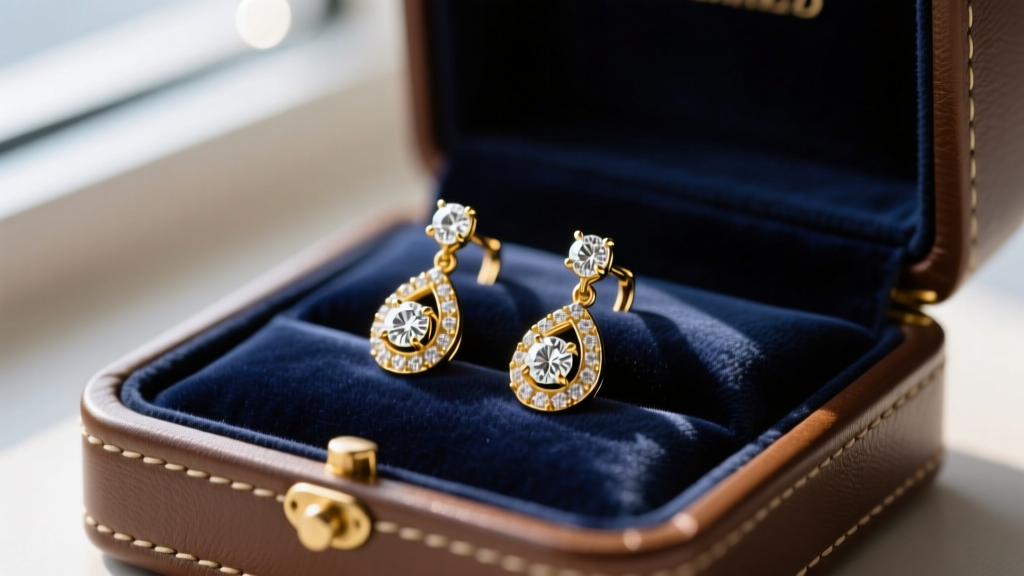
When you invest in fine jewelry, the presentation and storage ecosystem is just as critical as the pieces themselves. Many collectors and gift-buyers specifically seek out premium earrings with box packaging, assuming the velvet-lined or leather-bound case will naturally preserve the metal and gemstones. However, improper cleaning before storage, combined with the hidden chemistry of certain box materials, can lead to accelerated tarnishing, degraded gemstone luster, and ruined packaging. In this comprehensive 2026 care guide, we break down the exact protocols for cleaning your earrings and maintaining their specialized storage environments to ensure lifelong brilliance.
The Hidden Chemistry of Jewelry Storage Boxes
Not all jewelry boxes are created equal. While luxury brands use archival-quality, acid-free materials, mid-tier packaging can harbor chemicals that actively damage your earrings. The most common culprit is sulfur, which is frequently found in the adhesives used to bind velvet or suede to the cardboard or wooden interior of the box. When 925 sterling silver is exposed to sulfur in an enclosed space, it rapidly forms silver sulfide—the black tarnish that plagues unworn jewelry.
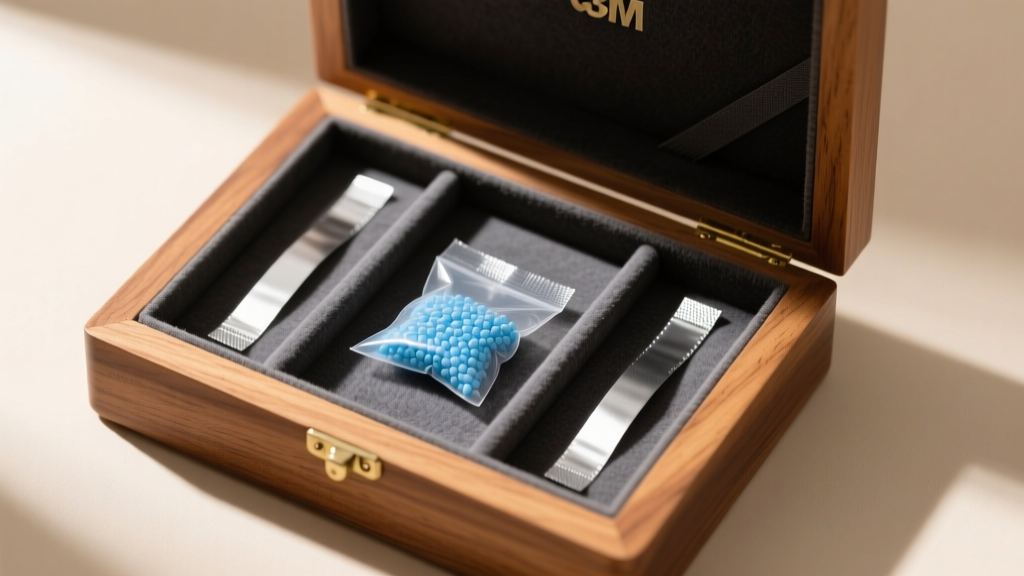
Furthermore, some synthetic linings and faux-leather exteriors off-gas volatile organic compounds (VOCs) and plasticizers. If you are storing pearl or opal earrings, these acidic gases can degrade the nacre and cause micro-fractures over time. Always ensure your earrings with box packaging are stored in a climate-controlled environment (ideally 45-55% relative humidity) and consider adding 3M anti-tarnish strips to neutralize airborne sulfur compounds before sealing the lid.
Pre-Storage Cleaning Protocols by Metal Type
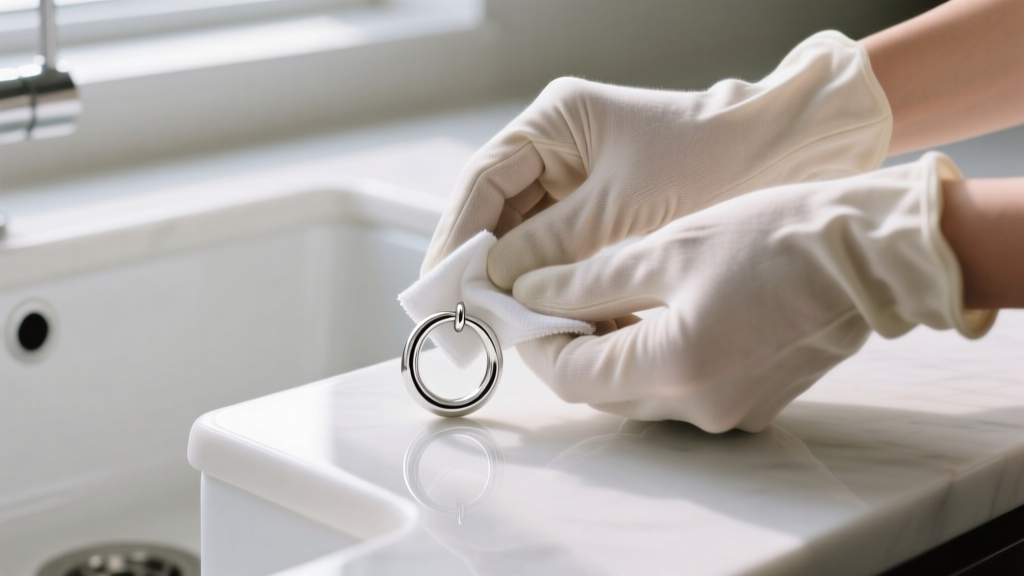
Never store worn earrings without a thorough cleaning. Skin oils, lotions, and environmental pollutants create a film that traps moisture against the metal, leading to localized corrosion or dullness. Here is how to prep your earrings before placing them back in their box.
Gold and Platinum Alloys
For 14k and 18k gold, as well as 950 platinum, a simple surfactant wash is usually sufficient. Mix three drops of phosphate-free, mild dish soap (like Dawn) into a bowl of lukewarm distilled water. Soak the earrings for 10 to 15 minutes. Use an extra-soft baby toothbrush to gently sweep the crevices around the prongs and the earring post. Crucial detail: Never use toothpaste or baking soda on gold alloys, as these are abrasive and will scratch high-polish finishes and wear down rhodium plating on white gold.
Sterling Silver and Rhodium Flashing
Sterling silver requires more aggressive intervention if tarnish has already set in. Avoid liquid chemical dips (thiourea-based cleaners) for earrings with porous gemstones or oxidized (blackened) detailing, as the dip will strip the intentional patina. Instead, use an electrolytic reduction method: line a glass bowl with aluminum foil, add a tablespoon of baking soda, and pour in boiling water. Submerge the silver earrings for 60 seconds. The sulfur transfers from the silver to the aluminum. Rinse with distilled water and dry completely with a lint-free microfiber cloth before boxing.
Gemstone and Organic Material Precautions
According to the Gemological Institute of America (GIA), organic gems like pearls, coral, and amber are highly sensitive to chemicals and dehydration. Never submerge pearl earrings in water, as the moisture can weaken the silk thread or compromise the adhesive holding the pearl to the post. Simply wipe them with a damp, soft cotton cloth after wearing. For emeralds, which are typically fracture-filled with cedar oil or Opticon, avoid ultrasonic cleaners entirely; the 40kHz vibrations can shatter the stone or leach the filler, leaving the emerald cloudy and fractured.
Maintaining the Storage Box: Velvet, Leather, and Wood
The longevity of your earrings with box packaging depends heavily on how you maintain the box itself. A degraded box can shed fibers onto delicate pavé settings or transfer acidic oils to soft metals.
- Velvet and Suede Interiors: Over time, velvet crushes and traps dust, dead skin cells, and microscopic jewelry polishing compounds. Use a soft-bristled suede brush or a clean, dry makeup brush to gently lift the nap and sweep out debris from the earring holes. Never use liquid stain removers on the interior lining, as the residual chemicals will off-gas onto your jewelry.
- Leather Exteriors: Genuine leather boxes require conditioning every 12 to 18 months to prevent cracking and drying. Apply a minuscule amount of pH-neutral leather conditioner to a microfiber cloth and buff the exterior. Ensure zero conditioner transfers to the interior fabric.
- Wooden Cases: Wood naturally expands and contracts with humidity changes. If your wooden box features brass hinges, wipe them with a dry brass-polishing cloth bi-annually to prevent verdigris (green corrosion) from migrating to the interior fabric.
Material-Specific Storage Cheat Sheet
Use this quick-reference table to ensure you are pairing the right earring material with the correct cleaning and storage protocol.
| Earring Material | Recommended Cleaning Agent | Ideal Box Insert Type | Storage Warning |
|---|---|---|---|
| 18k Yellow Gold | Mild dish soap & distilled water | Untreated cotton or acid-free velvet | Avoid contact with harder gems (diamonds) to prevent scratching |
| 925 Sterling Silver | Aluminum foil & baking soda bath | Anti-tarnish treated suede | Must include 3M anti-tarnish strips; avoid rubber bands |
| Akoya / South Sea Pearls | Damp cotton cloth only | Unbleached silk or soft flannel | Never store in airtight plastic; pearls need ambient moisture |
| Diamond Pavé (14k White Gold) | 40kHz Ultrasonic (if no fractures) | Individual velvet slits | Ensure prongs are checked annually; ultrasonic can loosen weak prongs |
Troubleshooting Common Storage Failures
Even with meticulous care, storing earrings in dedicated boxes can present mechanical challenges. Here is how to troubleshoot the most frequent issues reported by collectors and jewelers.
Velvet Shedding and Prong Snagging
If you notice tiny velvet fibers caught in the microscopic prongs of your diamond or sapphire earrings, do not pull them out with tweezers, as you risk bending the precious metal. Instead, use a wooden toothpick or a soft blast of compressed air (held at least six inches away) to dislodge the fibers. To prevent this, ensure your earrings are completely dry and free of static charge before pressing them into the velvet slits.
Earring Posts Bending in Box Holes
Many luxury boxes feature pre-punched holes for earring posts. If the cardboard or wood backing is too thick, forcing the earring back (clutch) onto the post can bend the metal, especially with fine 22k gold or thin 20-gauge sterling silver posts. Always use a standard butterfly clutch rather than a tight silicone or screw-back when storing in a rigid box, or place the earring flat in a designated compartment rather than forcing it upright into a restrictive hole.
Clasp Mechanisms Catching on Silk Linings
Lever-back and French-wire dangle earrings have exposed hooks that can easily slice through delicate silk or satin box linings when the lid is closed. Always secure the clasp mechanism completely, and if the earring features a sharp or unfiled wire end, cap it with a tiny piece of acid-free tissue paper before closing the box. For high-value pieces, Jewelers of America recommends utilizing individual soft pouches inside the main box compartment to isolate sharp findings from the interior upholstery.
Final Thoughts on Jewelry Preservation
Purchasing fine earrings with box packaging is an investment in both the jewelry and its presentation. By understanding the chemical interactions between metals, gemstones, and storage materials, you can prevent irreversible damage. Commit to a strict pre-storage cleaning routine, monitor the humidity of your storage environment, and treat the box itself as a vital component of your jewelry care arsenal. With these expert protocols, your collection will remain as pristine as the day it was unboxed.


