Why Do My Earlobes Itch When I Wear Earrings? A Safe Gifting Guide
Discover why earlobes itch when wearing earrings and explore our hypoallergenic gift guide to find safe, elegant jewelry for sensitive skin.

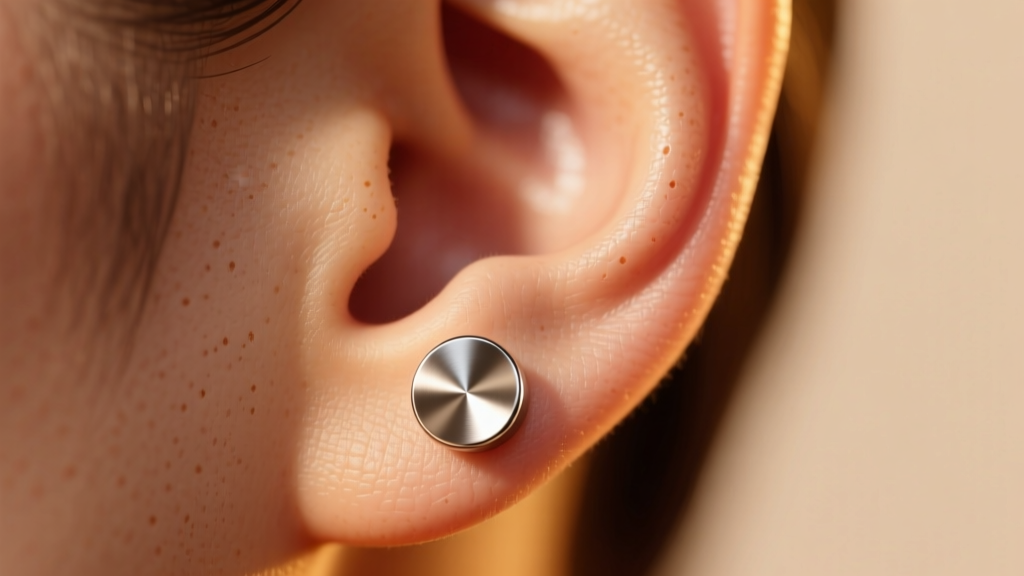
Gifting earrings is a timeless gesture, perfect for birthdays, anniversaries, and holiday celebrations. However, for millions of people, receiving a beautiful pair of drops or studs is quickly followed by a frustrating question: why do my earlobes itch when I wear earrings? If you are shopping for a loved one with sensitive skin, navigating the jewelry market can feel like walking through a minefield of hidden allergens and poor manufacturing standards. As of 2026, the market is flooded with misleading terms like "hypoallergenic" and "surgical steel," which often provide a false sense of security for gifters.
This comprehensive guide bridges the gap between dermatological science and luxury gifting. We will break down the exact biological mechanisms behind earlobe itching, decode metal alloys, and provide an occasion-matching framework to help you select stunning, itch-free earrings that your recipient can actually wear.
The Science: Why Do My Earlobes Itch When I Wear Earrings?
To choose the right gift, you must first understand the enemy. The itching, redness, and flaking associated with wearing earrings are almost always the result of Allergic Contact Dermatitis (ACD). This is a Type IV delayed hypersensitivity reaction where the body's immune system identifies specific metal ions as dangerous invaders.
The Nickel Epidemic
Nickel is the primary culprit in jewelry allergies. According to the American Academy of Dermatology, up to 18% of North Americans are allergic to nickel. The danger lies in how nickel is used: it is rarely the main metal, but rather an alloying agent added to gold, silver, and brass to increase hardness and lower costs. When sweat and natural skin oils interact with these alloys, nickel salts leach out, penetrate the stratum corneum (the outermost layer of skin), and trigger an aggressive immune response.
The "Cheese Cutter" Effect and Micro-Tears
Sometimes, the itch isn't an allergy at all, but a mechanical failure. Many mass-market earrings use ultra-thin 22-gauge (0.6mm) or 24-gauge (0.5mm) wire posts. Because the post is so thin, the weight of the earring concentrates immense pressure on a tiny surface area of the piercing fistula. Over time, this creates micro-tears in the healing or healed tissue—much like a wire cheese cutter slicing through a block of cheese. These micro-tears expose raw tissue to bacteria and metal ions, resulting in an itchy, weeping, and irritated earlobe.
"When patients ask why their earlobes itch when wearing specific earrings, we immediately check the post gauge and the nickel content of the alloy. A thicker, inert metal post eliminates both mechanical trauma and chemical hypersensitivity."
The Hypoallergenic Material Hierarchy for Gifting
When shopping for sensitive ears, ignore the word "hypoallergenic" on the box. It is an unregulated marketing term. Instead, look for specific metallurgical standards. Below is the definitive hierarchy of safe metals for gifting, verified by ASTM International standards for implant-grade materials.
| Material | ASTM Standard | Nickel Content | Best Occasion | Price Range (Pair) |
|---|---|---|---|---|
| Implant-Grade Titanium | ASTM F136 | 0% | Everyday wear, fresh piercings | $30 - $150 |
| Niobium | ASTM F67 | 0% | Colorful hoops, huggies | $25 - $100 |
| 14k / 18k Solid Gold | N/A (Alloy dependent) | Varies (Must be nickel-free alloyed) | Weddings, Anniversaries | $150 - $800+ |
| Platinum | N/A | 0% | Heirloom gifts, high-stakes milestones | $500 - $2,000+ |
| Surgical Steel (316L) | ASTM F138 | 8% - 10% (Bound, but can leach) | AVOID for sensitive skin gifts | $15 - $50 |
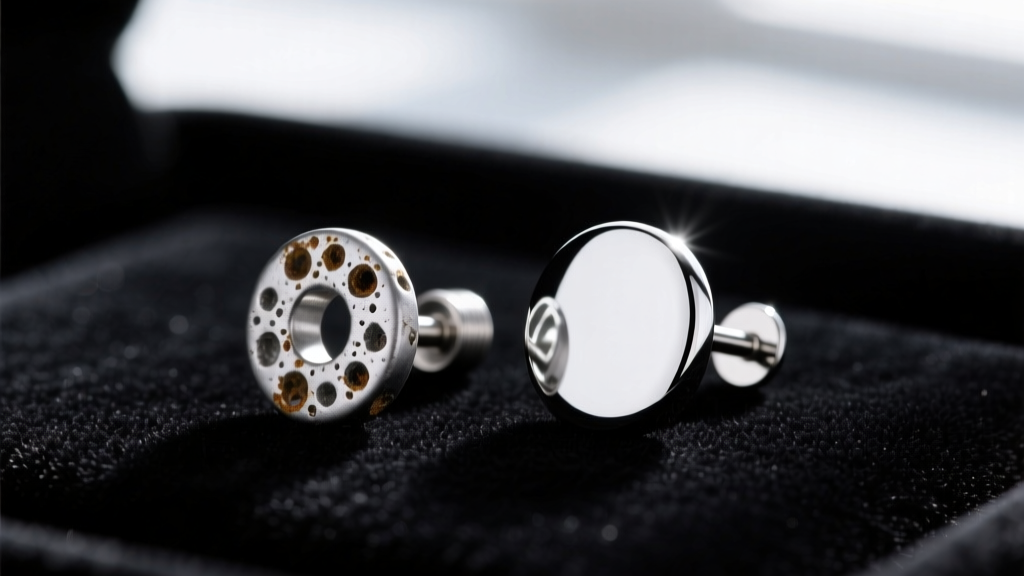
Notice the difference in surface finish. Cheap alloys (left) feature microscopic pits where bacteria and allergens hide, while mirror-finished niobium (right) provides a biocompatible, non-porous surface.
Occasion Matching: Safe Earring Gifts for Every Milestone
Knowing which metals are safe is only half the battle. The art of gifting lies in matching the material and style to the significance of the occasion. Here is your 2026 roadmap for giving elegant, itch-free jewelry.
Weddings & Anniversaries: High-Stakes Elegance
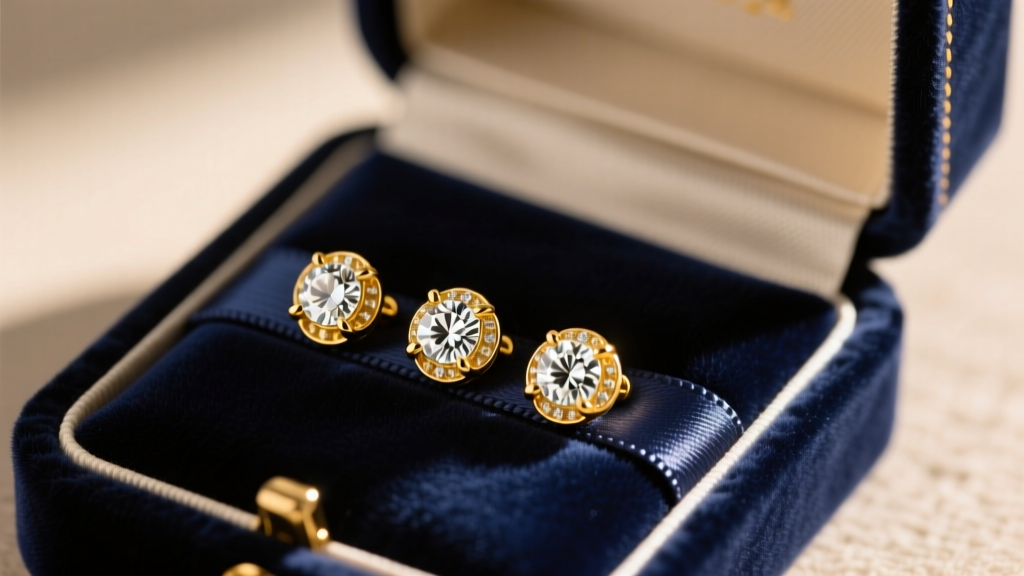
For major milestones, gold and platinum remain the undisputed champions of luxury. However, you must be vigilant about the alloy. White gold, for instance, is frequently alloyed with nickel to achieve its silvery hue. The Gifting Fix: Opt for 18k yellow gold or platinum. If the recipient prefers silver tones, seek out brands that explicitly use palladium or silver to alloy their white gold, or pivot to platinum bezel-set studs. Brands like Maria Tash and BVLA (Body Vision Los Angeles) offer exquisite, nickel-free 18k gold options that bridge the gap between high jewelry and piercing safety.
Graduations & Birthdays: Everyday Versatility
Graduates and birthday celebrants need versatile pieces that can transition from the office to a night out without causing a flare-up. The Gifting Fix: Implant-grade titanium (ASTM F136) set with high-quality gemstones. Modern anodizing techniques allow titanium to mimic the look of rose gold or dark gunmetal without adding allergens. A pair of 16-gauge or 18-gauge titanium flat-back labrets featuring lab-grown diamonds or genuine Swarovski crystals offers a luxurious, modern aesthetic that guarantees zero itching.
Holidays & Bridesmaids: Budget-Friendly but Safe
When buying for a group (like a bridal party) or drawing a Secret Santa name, budget constraints often push gifters toward cheap fashion jewelry. This is where allergic disasters happen. The Gifting Fix: Niobium. Niobium is a highly reactive elemental metal that can be anodized using electricity to produce a stunning spectrum of vibrant, permanent colors—no dyes or plating required. A pair of seamless niobium huggie hoops in a deep sapphire blue or emerald green looks incredibly high-end, costs under $40, and is 100% nickel-free.
The Gifter’s Hardware Checklist
Even if you choose the perfect metal, the physical design of the earring can cause mechanical itching and irritation. Before you finalize your purchase, run the earring through this expert checklist:
- Check the Post Gauge: Never gift earrings with posts thinner than 20-gauge (0.8mm). The ideal standard for healthy, stable lobes is 18-gauge (1.0mm) or 16-gauge (1.2mm). Thicker posts distribute weight evenly and prevent the "cheese cutter" micro-tears.
- Ditch the Butterfly Backing: Traditional push-back "butterfly" clasps are notorious for trapping dead skin cells, sebum, and moisture against the back of the earlobe, creating a breeding ground for bacteria that causes itching.
- Upgrade to Flat-Backs or Silicone O-Rings: For the ultimate comfortable gift, choose threaded or threadless flat-back labret posts. They sit flush against the back of the ear, allowing the lobe to breathe and eliminating the pressure points caused by traditional clasps.
- Avoid Plated Jewelry: Gold-plated or rhodium-plated brass will eventually wear down. Once the microscopic plating fractures, the base metal touches the skin, and the itching begins. Always buy solid metals.
Post-Gift Care: Educating the Recipient
When you hand over the gift, include a small, beautifully printed care card. Many people mistakenly clean their irritated piercings with rubbing alcohol or hydrogen peroxide, which destroys the delicate cellular matrix of the fistula and exacerbates itching. Advise your recipient to clean their earrings and lobes using only sterile 0.9% sodium chloride saline spray. Remind them to remove the earrings before swimming in chlorinated pools, as chlorine can react with even safe alloys over prolonged exposure.
Final Thoughts on Sensitive Gifting
The question of why do my earlobes itch when I wear earrings is ultimately a story of hidden chemicals and poor structural design. By stepping away from mass-market fashion jewelry and investing in ASTM-certified implant-grade titanium, pure niobium, or carefully alloyed 18k gold, you elevate your gift from a potential source of frustration to a cherished, wearable treasure. When you prioritize biocompatibility alongside aesthetic beauty, you give the rarest gift of all: jewelry that your loved one can wear every single day, in total comfort.


