How to Clean and Style Shell Pearl Earrings Perfectly
Learn how to safely clean, maintain, and style shell pearl earrings. Discover expert steps to protect the pearlescent finish and match your face shape.

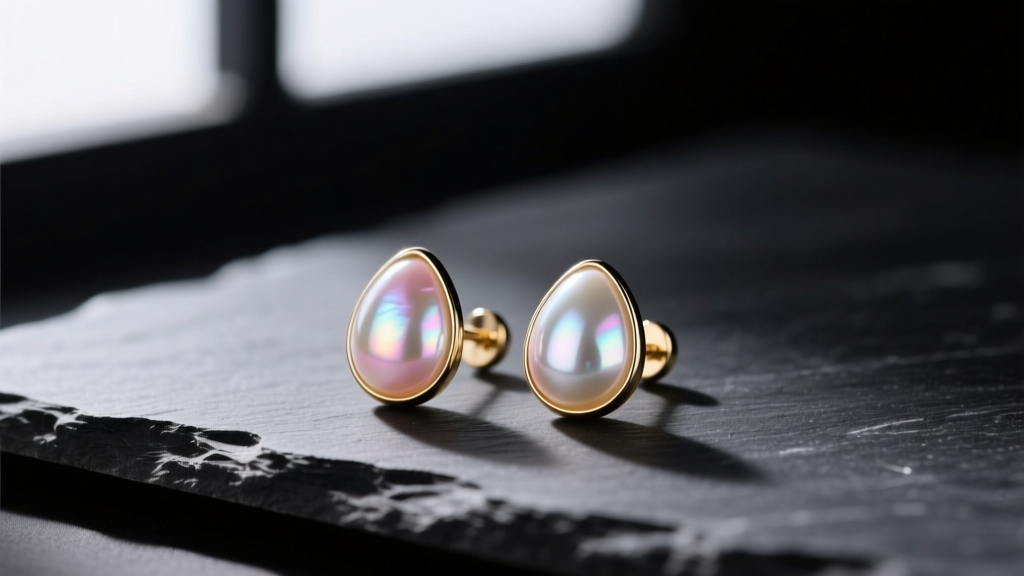
Shell pearl earrings offer the luminous, sophisticated beauty of traditional pearls but with a unique origin and distinct care requirements. Whether you own solid carved mother-of-pearl (MOP) pieces or modern coated shell pearls, maintaining their iridescent luster requires specific techniques. As jewelry manufacturing evolves in 2026, understanding the exact material composition of your earrings is the first step toward preserving their value and aesthetic appeal.
This comprehensive, step-by-step guide will walk you through the exact cleaning protocols, hardware maintenance, and face-shape styling strategies needed to get the most out of your shell pearl earrings.
Decoding Your Shell Pearl Earrings: Solid vs. Coated
Before applying any cleaning solution, you must identify which type of shell pearl you own. The cleaning matrix changes drastically between the two primary categories:
1. Solid Carved Mother-of-Pearl (MOP)
These are carved directly from the thick, iridescent inner layer of oyster or abalone shells. They possess a Mohs hardness of 2.5 to 3.0, making them relatively soft and porous. While durable enough for daily wear, they can absorb chemicals and lose their natural luster if exposed to harsh acids or prolonged moisture.
2. Coated Shell or Glass Pearls
Brands like Majorica popularized this technique, where a solid core (often shell or glass) is repeatedly dipped in a pearlescent coating. Historically, this coating was derived from guanine (fish scales), but modern 2026 iterations frequently use advanced titanium dioxide-infused resins. Warning: Alcohol, ammonia, and ultrasonic cleaners will instantly strip or cloud this synthetic coating, causing irreversible delamination.
The 4-Step Safe Cleaning Protocol
To safely remove sebum, makeup residue, and environmental pollutants without damaging the nacre or the coating, follow this exact sequence recommended by gemological experts.
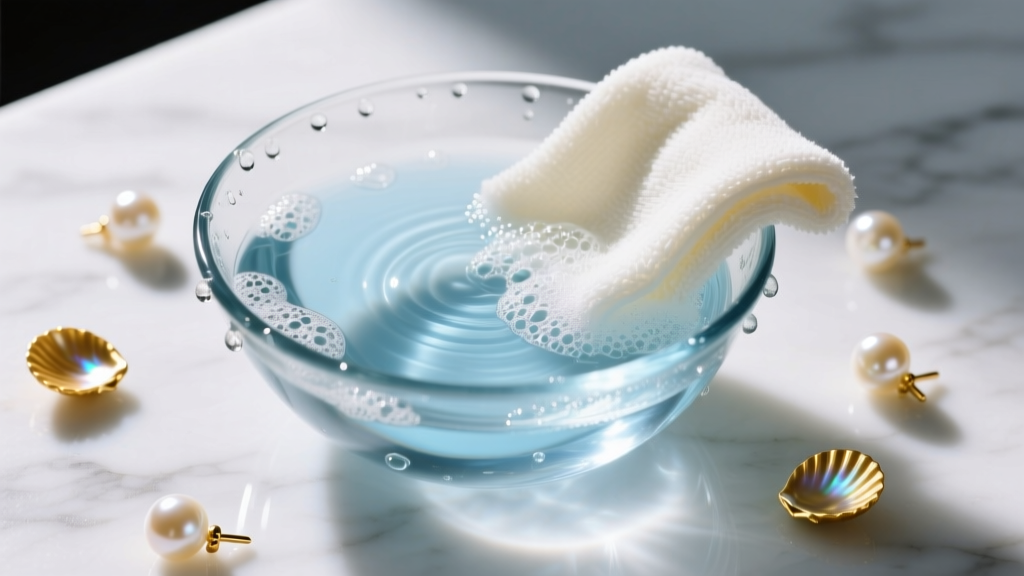
- Step 1: Dry Dusting. Use a clean, dry, lint-free microfiber cloth to gently wipe the surface. This removes abrasive dust particles that could cause micro-scratches during the wet wash.
- Step 2: The Suds Bath. Mix three drops of pH-neutral liquid castile soap into a bowl of distilled water. Avoid tap water, as hard water minerals can leave a chalky film on the pearl surface. Dip a soft cotton swab or microfiber cloth into the suds—never submerge the earrings entirely, especially if the posts are glued.
- Step 3: The Targeted Wipe. Gently roll the damp cloth over the shell pearl. For the hardware and earring backs, use a soft-bristled baby toothbrush to dislodge debris from the crevices.
- Step 4: Air Drying. Lay the earrings flat on a dry microfiber towel in a well-ventilated area. Never use a hairdryer or direct heat, as thermal shock can crack solid MOP or melt the adhesive securing the pearl to the post.
The Shell Pearl Cleaning Matrix
| Cleaning Agent / Method | Solid MOP Pearls | Coated Shell Pearls | Potential Failure Mode |
|---|---|---|---|
| Ultrasonic Cleaners | Never | Never | Vibrations shatter MOP; strip coatings entirely. |
| Ammonia / Bleach | Never | Never | Dissolves the calcium carbonate structure. |
| Rubbing Alcohol | Avoid | Never | Dries out solid MOP; dissolves synthetic resins. |
| Mild Castile Soap | Safe | Safe | None, if properly diluted and rinsed. |
| Distilled Water Wipe | Safe | Safe | None, safest daily maintenance method. |
For more in-depth gemological care standards, refer to the Gemological Institute of America (GIA) Pearl Care Guide, which outlines the vulnerabilities of all organic gemstones.
How to Style Shell Pearl Earrings by Face Shape
Shell pearls come in various forms, from minimalist studs to elaborate dangles. Selecting the right silhouette can dramatically enhance your facial proportions.
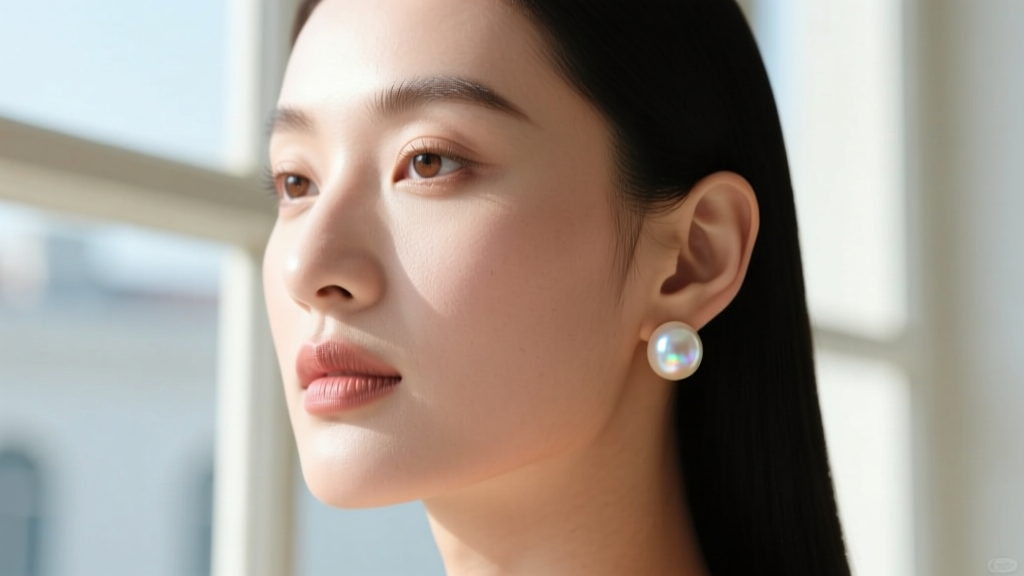
- Round Faces: Avoid large, circular shell pearl studs or chunky hoops, which will emphasize facial width. Instead, opt for linear drop earrings measuring 1.5 to 2.5 inches in length. The vertical drop creates an optical illusion that elongates the face and neck.
- Oval Faces: The most versatile shape. You can effortlessly pull off 10mm to 14mm shell pearl huggies or classic 8mm solitaire studs. If wearing dangles, keep them under 2 inches to maintain facial balance.
- Square Faces: Soften a strong, angular jawline with curved silhouettes. Medium-sized shell pearl hoops (20mm to 30mm in diameter) or teardrop-shaped MOP dangles introduce soft, organic curves that contrast beautifully with sharp bone structure.
- Heart-Shaped Faces: Balance a wider forehead and narrower chin with bottom-heavy designs. Look for shell pearl chandelier earrings or inverted triangle drops that add visual weight to the lower half of the face.
Hardware Check: Posts, Gauges, and Backings
The longevity of your earrings isn't just about the pearl; it's about the hardware holding it to your earlobe. Heavy shell pearl drops can cause lobe stretching or tearing if the hardware is inadequate.
Understanding Gauge Sizes
Most standard lobe piercings are done at 20-gauge (0.81mm) or 18-gauge (1.02mm). If you are purchasing heavy, solid MOP drop earrings, ensure the posts are at least 18-gauge. A thicker post distributes the weight more evenly across the piercing channel, preventing the dreaded "earring droop" and reducing the risk of the metal slicing through the lobe tissue over time.
Upgrading Your Earring Backs
Standard friction backs (butterfly backs) often fail to support the weight of large shell pearls, causing the earring to tilt forward. Upgrade to La Pousette screw backs or jumbo silicone disc backs. The wide surface area of a silicone disc acts as a supportive shelf for the earlobe, keeping heavy shell pearl drops perfectly upright.
Pro-Tip: If your shell pearl earrings feature gold vermeil or sterling silver hardware, always store them with anti-tarnish strips. Tarnished posts can transfer silver sulfide onto the porous surface of solid MOP pearls, leaving dark, stubborn stains that require professional polishing to remove.
Long-Term Storage and Preservation
How you store your shell pearl earrings when they aren't being worn is just as critical as how you clean them. According to the Pearl Paradise Care Guidelines, organic gems require specific environmental conditions to prevent degradation.
Never store shell pearls in airtight plastic bags or safety deposit boxes for extended periods. Solid MOP pearls contain trace amounts of water; sealing them in plastic can cause them to dehydrate, leading to micro-fractures and a chalky, dull appearance. Instead, store them in a soft, breathable cotton pouch or a lined jewelry box with separate compartments to prevent harder gemstones (like diamonds or sapphires) from scratching the soft 2.5 Mohs surface of the shell.
By adhering to these precise cleaning, styling, and storage protocols, your shell pearl earrings will retain their brilliant, oceanic luster for decades, serving as a timeless staple in your jewelry wardrobe.


