How to Clean and Untangle Dangling Chain Earrings Safely
Learn expert techniques to clean, untangle, and store dangling chain earrings. Discover safe methods for gold, silver, and vermeil links.

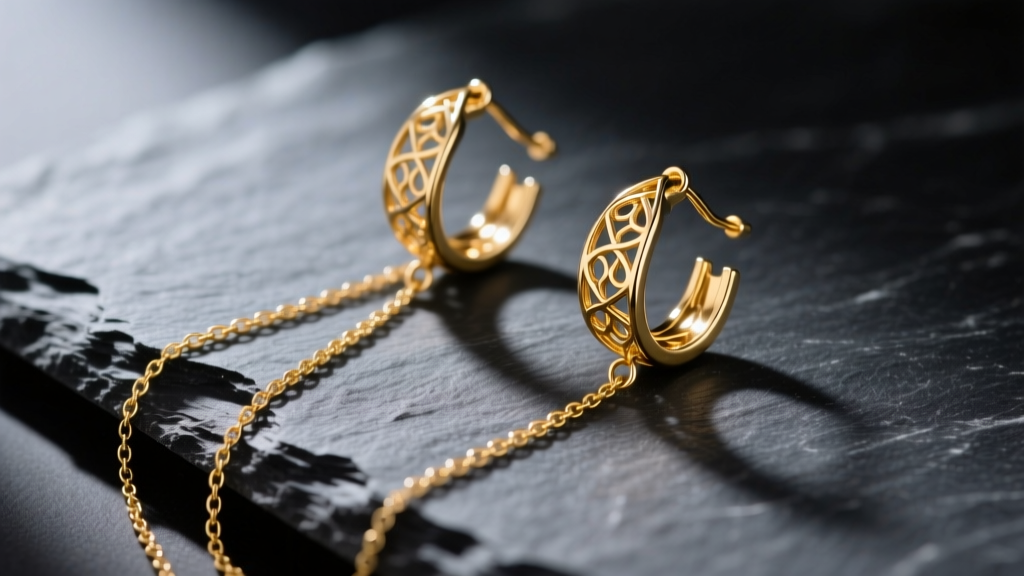
Dangling chain earrings introduce a captivating sense of movement and elegance to any jewelry collection. However, their intricate, articulated links make them notorious magnets for cosmetic residue, sebum buildup, and frustrating micro-tangles. Unlike solid studs or rigid hoops, the flexible nature of chain drops requires a highly specialized approach to maintenance. Using the wrong cleaning tools or improper storage methods can permanently kink a delicate snake chain or strip the micron plating off gold vermeil.
In this comprehensive guide, we break down the professional protocols for cleaning, untangling, and preserving your dangling chain earrings, ensuring they remain as fluid and brilliant as the day you bought them.
The Anatomy of Delicate Chains: Why They Need Special Care
Before applying any cleaning solution, it is crucial to identify the specific chain link style of your earrings. The architecture of the chain dictates its vulnerability to dirt accumulation and physical damage.
- Cable Chains: The most common and durable style, featuring uniform oval links. They are relatively easy to clean but can trap lotion in the small jump rings.
- Box Chains: Composed of square, interlocking links. The flat, interior surfaces of box chains are notorious for trapping dead skin cells and foundation, requiring targeted brushing.
- Snake Chains: Tightly joined wavy rings that create a smooth, tubular surface. While elegant, snake chains are incredibly fragile; bending them past their natural curve will cause permanent kinks that cannot be repaired.
- Rope Chains: Twisted links that mimic the look of hemp rope. The deep grooves in rope chains harbor dirt and require extended soaking to loosen debris.
According to the Gemological Institute of America (GIA), understanding your metal type and chain structure is the first line of defense against accidental damage during routine maintenance.
Step-by-Step Cleaning Protocol for Dangling Chain Earrings
Forget harsh chemical dips and abrasive pastes. When dealing with dangling chain earrings, especially those featuring tension-set gemstones or delicate gold vermeil, a gentle, low-friction approach is mandatory.
The Soak and Swish Method (For Solid Gold, Platinum, and Sterling Silver)
This method is ideal for removing daily oils and environmental pollutants without stressing the jump rings.
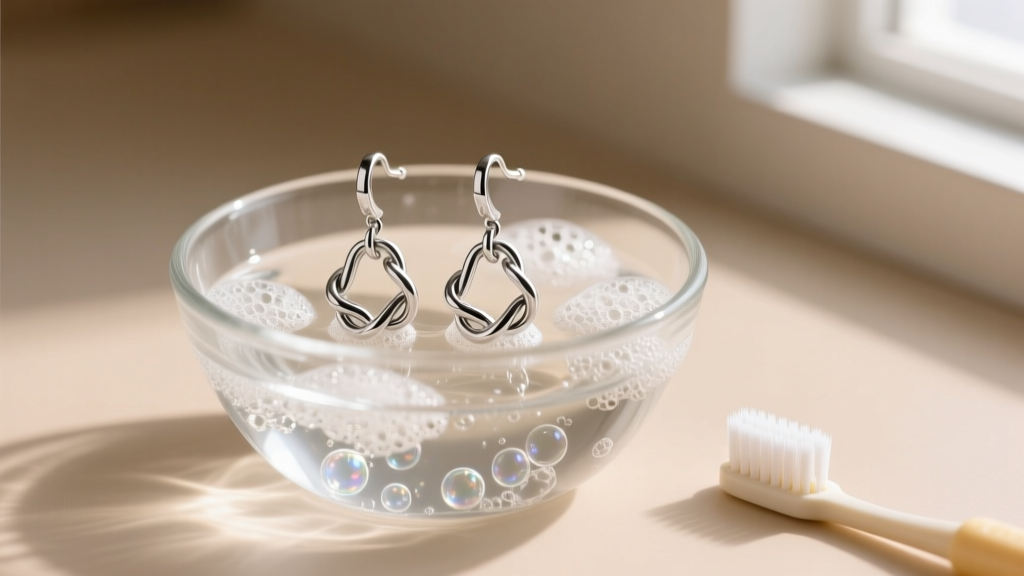
- Prepare the Solution: Mix 1 cup of distilled water with 3 drops of phosphate-free, mild dish soap (such as original blue Dawn). Avoid tap water, as chlorine and heavy minerals can leave cloudy spots on high-polish metals.
- The Soak: Submerge the earrings for exactly 5 to 10 minutes. This allows the surfactants to break down sebum and cosmetic oils trapped inside the links.
- The Agitation: Gently swish the earrings in the water. Do not rub them between your fingers, as this can twist delicate links.
- Targeted Brushing: Use an extra-soft baby toothbrush (with 0.1mm bristles) to lightly sweep the crevices of box or rope chains. Never use a standard adult toothbrush, as the stiff nylon bristles will inflict micro-scratches on 14k and 18k gold.
- Rinsing and Drying: Rinse under a gentle stream of distilled water. Pat dry with a lint-free microfiber cloth, and use a hair dryer on the "cool" setting to blow water out of the tiny jump rings to prevent water spots.
The Dry Polish Method (For Gold Vermeil and Oxidized Silver)
Gold vermeil (a thick layer of gold over sterling silver) and intentionally oxidized silver should never be soaked in water or soap, as this can degrade the plating or strip the darkened patina. Instead, use a high-quality jeweler's polishing cloth (such as a Sunshine Cloth) infused with micro-abrasives. Gently pull the chain through the cloth, applying zero downward pressure, letting the cloth's treatment do the work.
The Cornstarch Hack: How to Untangle Micro-Links Without Breaking Them
There is nothing more panic-inducing than pulling a pair of dangling chain earrings from a jewelry box only to find them fused into an impenetrable knot. Pulling the chains will only tighten the links, potentially snapping the jump rings or permanently stretching the metal.
Professional jewelers rely on friction reduction to solve this problem. Here is the safest way to untangle micro-links at home:
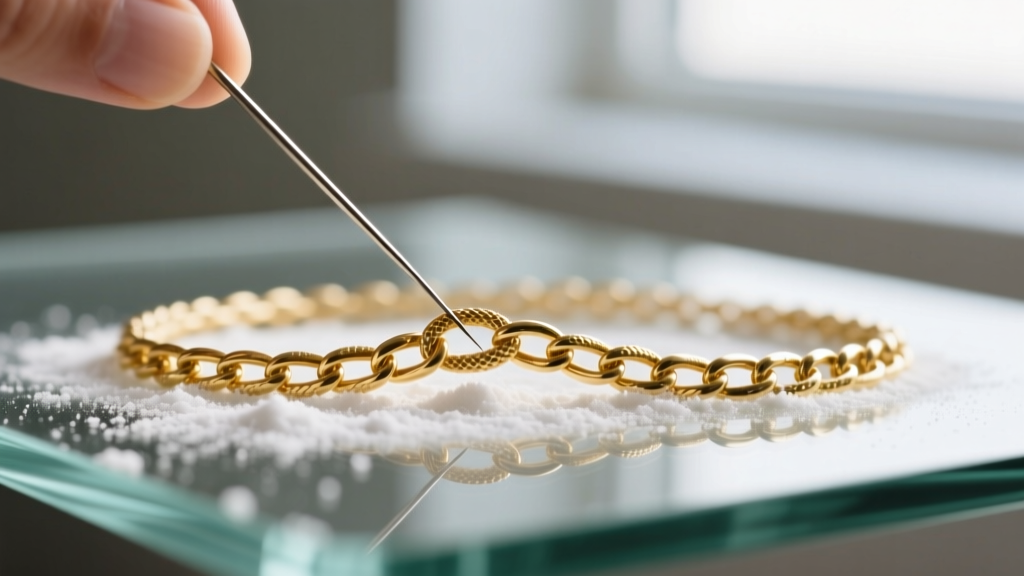
- The Setup: Place the knotted earrings on a hard, non-porous surface, such as a glass cutting board or a ceramic plate. Avoid fabric or carpet, which will catch the links.
- Friction Reduction: Generously dust the knot with cornstarch or unscented baby powder. The powder acts as a dry lubricant, coating the metal and allowing the microscopic links to slide past one another without catching.
- The Tool: Do not use safety pins or tweezers, which are too thick and will wedge the knot tighter. Instead, use a size 9 or 10 beading needle, or a fine sewing needle.
- The Technique: Insert the needle into the exact center of the knot—the loosest point. Gently wiggle the needle to create slack. Work from the center outward, loosening one link at a time. Once slack is created, use two needles to gently pull the loops apart.
- Cleanup: Brush away the cornstarch with a clean, dry makeup brush, then follow the Soak and Swish method above to remove any residual powder.
Chain Type Vulnerability & Maintenance Matrix
Not all chains react to cleaning and wear equally. Use this matrix to tailor your maintenance routine to your specific pair of dangling chain earrings.
| Chain Style | Dirt Trap Risk | Kink Vulnerability | Recommended Cleaning Tool | Ultrasonic Safe? |
|---|---|---|---|---|
| Cable | Low | Low | Baby toothbrush | Yes (if no soft gems) |
| Box | High | Medium | Interdental brush | Yes |
| Snake | Medium | Extreme | Microfiber cloth only | No |
| Rope | High | Low | Soft bristle brush | Yes |
| Figaro | Medium | Low | Baby toothbrush | Yes |
Note on Ultrasonic Cleaners: While ultrasonic cavitation is excellent for blasting dirt out of solid metal links, the Jewelers of America strongly advises against using them on dangling earrings featuring emeralds, opals, pearls, or any gemstone with fracture fillings, as the high-frequency vibrations can shatter the stones or rattle them loose from their settings.
Proper Storage to Prevent Kinks and Tarnish
How you store your dangling chain earrings is just as critical as how you clean them. Tossing them into a communal jewelry box guarantees tangles and accelerates tarnishing due to trapped humidity and sulfur exposure.
- The Hanging Method: The absolute best way to store dangling chains is vertically. Use a jewelry organizer with individual hooks. Letting gravity pull the chains straight prevents kinks and keeps the links separated.
- The Polyethylene Rule: If you must store them in bags, ensure the plastic is polyethylene or polypropylene. Avoid PVC (polyvinyl chloride) bags, which can off-gas sulfur compounds that rapidly tarnish sterling silver.
- Anti-Tarnish Strips: Place a 3M anti-tarnish strip inside your storage container. These strips absorb airborne sulfur and hydrogen sulfide, keeping silver and copper alloys bright for up to 12 months.
- Silica Gel Packets: Humidity is the enemy of metal luster. Toss a few silica gel packets into your jewelry drawer or safe to maintain a low-moisture environment.
When to Seek Professional Jewelry Repair
Despite your best efforts, accidents happen. If a jump ring pulls open, or if your delicate chain snags on a sweater and stretches, do not attempt DIY repairs with household pliers. Standard needle-nose pliers have serrated teeth that will gouge and scar precious metals. Professional jewelers use smooth-jawed chain-nose pliers and laser welders to seamlessly repair broken micro-links without leaving visible solder marks. Furthermore, if your gold vermeil dangling earrings have begun to show silver underneath, a professional can safely re-plate them, restoring their original, luxurious finish.


