How to Clean & Care for Vintage Wizard of Oz Earrings
Discover expert cleaning and maintenance tips for Wizard of Oz earrings. Learn how to safely restore vintage costume and modern enamel jewelry pieces.

Since the premiere of the iconic 1939 film, The Wizard of Oz has inspired decades of cinematic memorabilia, including highly sought-after jewelry. For collectors and fans in 2026, owning a pair of Wizard of Oz earrings is a way to carry a piece of Hollywood history. However, whether you possess rare 1930s vintage costume jewelry, mid-century novelty pieces, or modern licensed sterling silver earrings, these items require vastly different care protocols. Applying the wrong cleaning method can permanently destroy antique foil-backed rhinestones or fracture delicate cold enamel. This comprehensive guide explores the exact materials used in Oz-themed jewelry and provides museum-grade conservation techniques to keep your collection sparkling.
Understanding Your Materials: A Collector's Breakdown
Before applying any cleaning solution, you must accurately identify the era and material composition of your earrings. Wizard of Oz jewelry generally falls into three distinct categories:
- 1930s–1950s Vintage Costume Jewelry: Often crafted from pot metal (a zinc-based alloy sometimes called Zamac) or base brass, featuring glass rhinestones, glued-in faux pearls, and painted enamel accents. These pieces are highly fragile and prone to metal fatigue.
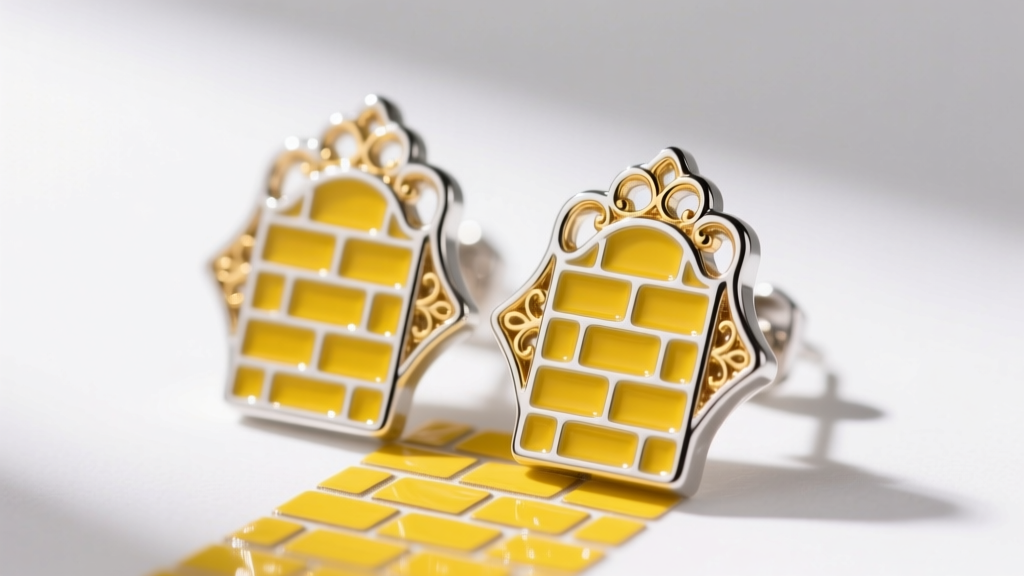
- 1970s–1990s Novelty & Revival Pieces: Typically made from gold-tone or silver-tone plated alloys with cold enamel (epoxy resin) detailing, such as the Yellow Brick Road or Emerald City motifs.
- Modern Licensed Fine Jewelry (2000s–Present):strong> Usually crafted from solid .925 sterling silver, 10k/14k gold, and set with cubic zirconia (CZ) or lab-created sapphires and rubies, finished with vitreous or high-grade cold enamel.
Cleaning Vintage Foil-Back Rhinestones (The Ruby Slipper Rule)
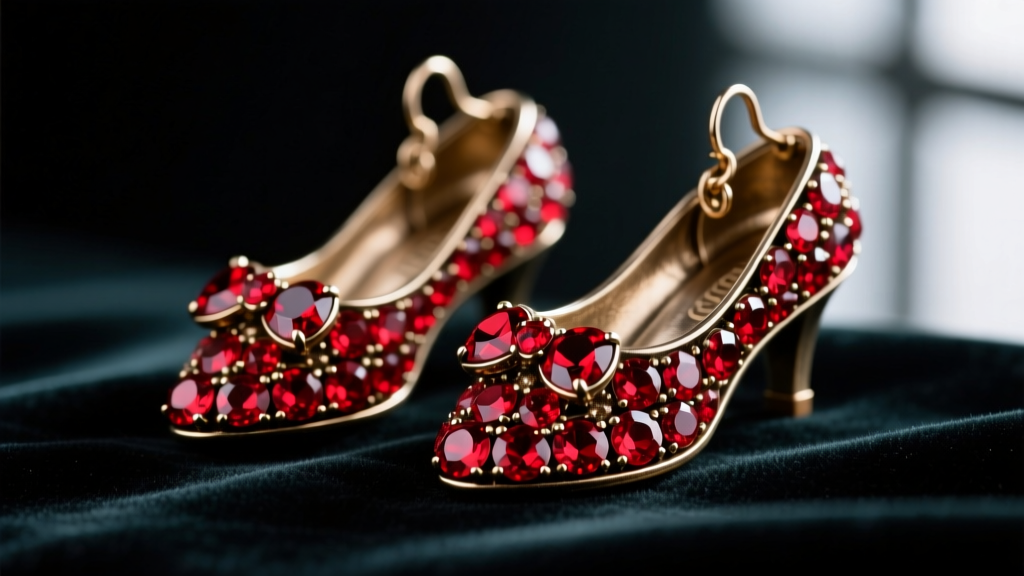
The most common vintage Wizard of Oz earrings feature ruby slipper motifs set with red glass rhinestones. According to the Antique Jewelry University, vintage rhinestones are rarely solid color; instead, they are clear or lightly tinted glass with a delicate metallic foil backing applied to the pavilion (the bottom of the stone) to create brilliance.
Why Moisture is the Ultimate Enemy
If water, jewelry dip, or liquid polish seeps under the metal collet (the prongs holding the stone), it will trap moisture against the foil. Within hours, the foil will oxidize, turn black or gray, and permanently ruin the stone's sparkle. Never submerge vintage costume earrings in water or use ultrasonic cleaners.
The Safe Dry-Cleaning Protocol
- Dust Removal: Use a clean, dry goat-hair makeup brush to gently sweep away loose dust and skin cells from the settings and crevices.
- Targeted Glass Cleaning: If the tops of the rhinestones are cloudy from hairspray or skin oils, dampen the very tip of a cotton swab with a tiny amount of glass cleaner or isopropyl alcohol. Wring it out until it is barely damp.
- Precision Wiping: Gently roll the damp swab over the top of the glass stone only. Avoid touching the metal prongs to prevent liquid from wicking underneath.
- Metal Polishing: Use a dry, untreated microfiber cloth to gently buff the exposed pot metal. Avoid silver polish, as the abrasives can strip the original gold or rhodium plating often found on high-end 1930s pieces.
Maintaining Modern Enamel and Sterling Silver Pieces
Modern Wizard of Oz earrings, such as sterling silver Dorothy heel studs or Tin Man ear cuffs, present a different set of challenges. Sterling silver naturally reacts with sulfur in the air to form silver sulfide (tarnish), while enamel requires protection from thermal shock and high-frequency vibrations.
The Victoria and Albert Museum's conservation department warns that enamel is essentially fused glass. Sudden temperature changes can cause the enamel to crack or craze, while ultrasonic cleaners can vibrate the enamel right off the metal backing. Furthermore, the Gemological Institute of America (GIA) advises against using harsh chemical dips on porous gemstones or treated materials often found in novelty jewelry.
Cleaning Agents: What to Use and What to Avoid
| Material | Safe Cleaning Method | Strictly Avoid |
|---|---|---|
| .925 Sterling Silver | Sunshine polishing cloths, mild dish soap & warm water (no stones/enamel) | Bleach, ammonia, toothpaste, ultrasonic cleaners |
| Cold Enamel / Resin | Dry microfiber cloth, gentle wiping with a barely damp cloth | Alcohol, acetone, hot water, ultrasonic vibrations |
| Cubic Zirconia (CZ) | Soft toothbrush with mild dish soap, rinse and pat dry | Steam cleaners (can loosen glued settings) |
| Vintage Pot Metal | Dry brushing, Renaissance Wax for sealing | Liquid silver dip, water submersion, abrasive pastes |
Advanced Storage and Preservation for 2026 Collectors
Proper storage is 90% of jewelry maintenance. Cinematic memorabilia is highly susceptible to environmental degradation. To preserve your Wizard of Oz earrings for the next generation, implement the following archival storage techniques:
Archivist's Tip: Never store vintage costume jewelry in PVC plastics or standard ziplock bags. PVC off-gasses chemicals that react with base metals, causing a permanent, fuzzy green corrosion known as 'bronze disease' or zinc rot.
- Anti-Tarnish Environments: Store sterling silver pieces in airtight containers with 3M anti-tarnish strips. Replace the strips every 6 months.
- Humidity Control: Include silica gel desiccant packets in your jewelry boxes to keep humidity below 40%, which protects both metal alloys and the adhesives holding vintage rhinestones in place.
- UV Protection: Keep your collection out of direct sunlight. UV rays will fade vintage dyed stones, yellow early plastics (like Bakelite or Lucite used in 1940s novelty pieces), and degrade cold enamel resins.
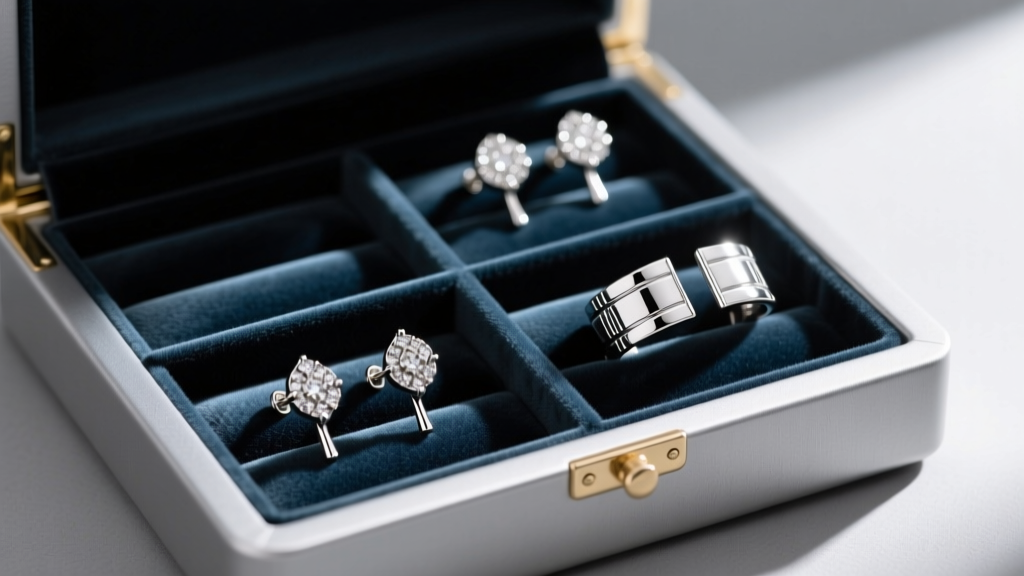
- Individual Compartments: Store earrings in individual soft velvet pouches or acid-free tissue paper to prevent the prongs of one pair from scratching the enamel or glass of another.
Troubleshooting: Loose Stones and Broken Posts
Given the age of vintage Oz memorabilia, structural failures are common. Here is how to handle the two most frequent issues without destroying the piece's value.
Re-Setting Loose Rhinestones
If a ruby or emerald rhinestone falls out, do not use standard cyanoacrylate (Super Glue). Cyanoacrylate releases fumes as it cures, creating a permanent white 'bloom' or cloudiness on the inside of the glass stone. Instead, use a jeweler's epoxy or a flexible adhesive like E6000. Apply a microscopic dot of glue to the setting using a toothpick, let it become tacky for 60 seconds, and gently press the stone into place. Wipe away any excess immediately with a dry cotton swab.
Fixing Broken Earring Posts
On vintage pot metal earrings, the soldered earring post often snaps off due to metal fatigue. While a professional jeweler can attempt laser welding, the heat required for traditional torch soldering will melt the glass rhinestones and scorch the surrounding enamel. For DIY repairs on base metal costume jewelry, clean both surfaces with isopropyl alcohol and use a two-part steel epoxy designed for metal bonding. Hold the post in place with a piece of painter's tape while the epoxy cures for 24 hours.
Final Thoughts on Preserving Cinematic History
Caring for Wizard of Oz earrings requires a departure from standard jewelry cleaning routines. By respecting the fragile nature of vintage foil-backed stones, understanding the chemical vulnerabilities of base metals, and utilizing archival storage methods, you ensure that these wearable pieces of cinema history remain as vibrant as the transition to Technicolor. Whether you are wearing your ruby slippers to a premiere or keeping your Emerald City studs safely archived, mindful maintenance is the true magic behind preserving the legacy of Oz.


