The Ultimate Guide to Cleaning Black Earring Studs Safely
Learn how to safely clean black earring studs made of ceramic, oxidized silver, and black rhodium without stripping their dark finishes.

The Hidden Vulnerability of Dark Jewelry Finishes
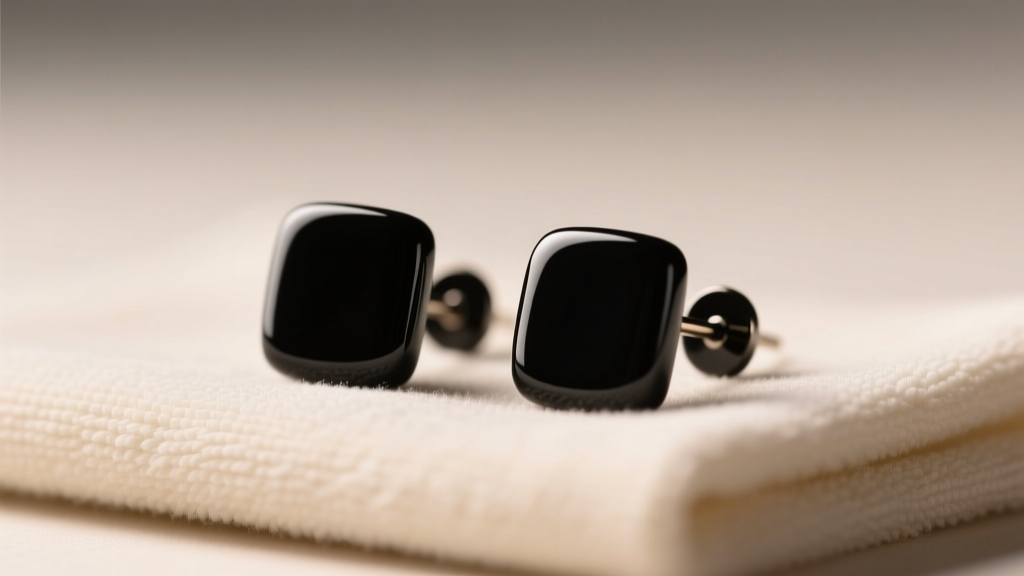
Black earring studs are a cornerstone of modern, minimalist, and alternative jewelry wardrobes. Whether you prefer the sleek matte finish of black ceramic, the moody depth of oxidized sterling silver, or the high-shine mirror effect of black rhodium, dark studs offer an undeniable edge. However, from a metallurgical and gemological perspective, maintaining these pieces is significantly more complex than caring for traditional yellow gold or platinum. The primary challenge lies in the fact that, with the exception of solid black ceramics, the 'black' color in jewelry is almost always a surface treatment, plating, or intentional chemical alteration rather than the base metal itself.
Because these finishes are incredibly thin—often measuring less than a single micron in thickness—standard jewelry cleaning practices can be catastrophic. Using the wrong chemical solvent or mechanical agitation can strip the dark finish entirely, leaving you with a bright silver or white gold stud. In this comprehensive guide, we break down the exact care, maintenance, and cleaning protocols required to preserve the integrity of your black earring studs, categorized by their specific material composition.
Identifying Your Black Earring Stud Material
Before applying any cleaning solution, you must accurately identify the material of your studs. The cleaning protocol for black zirconium ceramic will ruin an oxidized silver stud, and vice versa. Below is a diagnostic comparison chart detailing the physical properties and inherent vulnerabilities of the four most common black earring materials.
| Material | Mohs Hardness | Ultrasonic Safe? | Primary Cleaning Risk |
|---|---|---|---|
| Black Ceramic (Zirconia) | 8.5 - 9.0 | Yes | Chipping from hard impacts |
| Oxidized Sterling Silver | 2.5 - 3.0 | No | Stripping of silver sulfide layer |
| Black Rhodium Plating | 6.0 (Base dependent) | No | Friction wear and chemical erosion |
| Black Enamel (Vitreous) | 5.0 - 6.0 | No | Micro-fractures from vibration |
According to the Gemological Institute of America (GIA), understanding the Mohs hardness and chemical reactivity of your jewelry's surface is the first step in preventing irreversible damage during routine maintenance.

Step-by-Step Cleaning Protocols by Material
Black Ceramic and Tungsten Carbide
Black ceramic, typically made from zirconium dioxide (ZrO2), is highly inert and exceptionally scratch-resistant. Because the color is integral to the material rather than a surface plating, it will never fade or rub off. To clean black ceramic studs, mix a few drops of phosphate-free dish soap (such as Dawn) into a bowl of lukewarm distilled water. Soak the studs for up to 15 minutes to loosen sebum and cosmetic residue. Use a soft-bristled baby toothbrush to gently sweep the crevices, particularly around the post and clutch back. Rinse with distilled water and dry immediately with a lint-free microfiber cloth to prevent water spots.
Oxidized Sterling Silver
Oxidized silver achieves its black color through a deliberate chemical process where the sterling silver is exposed to sulfur, creating a layer of black silver sulfide on the surface. This layer is essentially controlled tarnish. Never use commercial silver dips, polishing cloths, or baking soda pastes on oxidized silver. These products contain thiourea or mild abrasives designed to remove tarnish, which will instantly strip the black oxidation and reveal the bright silver underneath. According to The Silver Institute, oxidized silver should only be cleaned using a damp, soft cotton cloth. If the studs are heavily soiled with skin oils, use a barely damp cloth with a tiny drop of mild castile soap, carefully avoiding aggressive rubbing on the textured or recessed areas where the oxidation is most prominent.
Black Rhodium and PVD-Coated Titanium
Black rhodium is an alloy of rhodium and other dark metals, electroplated onto a base of white gold or silver. The plating is exceptionally thin, usually between 0.75 and 1.5 microns. Physical Vapor Deposition (PVD) black titanium is more durable but still susceptible to micro-scratches. For both materials, avoid all ultrasonic cleaners and steamers. Clean them by gently wiping with a microfiber cloth lightly dampened with warm water and a pH-neutral soap. Do not soak black rhodium studs, as prolonged exposure to moisture can cause the underlying base metal to expand microscopically, leading to the flaking of the rhodium layer.
Black Enamel
Black enamel studs feature either vitreous enamel (fused glass powder) or cold enamel (an epoxy resin). Vitreous enamel is prone to shattering under the high-frequency cavitation of ultrasonic cleaners, while cold enamel can melt or cloud when exposed to heat or alcohol. Clean enamel studs using only a dry, ultra-soft polishing cloth. If a sticky residue is present, use a slightly damp Q-tip to spot-clean the affected area, ensuring no moisture seeps into the metal-enamel boundary, which can cause the enamel to pop out of its setting.
What to Avoid: The Chemistry of Ruined Finishes
The bathroom counter is often the enemy of fine jewelry. Many everyday personal care products contain chemicals that actively degrade black finishes. When wearing and caring for your black earring studs, strictly avoid the following:
- Ammonia-based cleaners: Common in glass cleaners and some jewelry dips, ammonia will rapidly dissolve black rhodium plating and alter the chemical structure of cold enamel.
- Chlorine and Bleach: Whether from swimming pools or household cleaners, chlorine reacts violently with the copper alloys in sterling silver, causing structural weakening and irreversible pitting beneath the black surface.
- Isopropyl Alcohol (on Plated/Enamel pieces):strong While excellent for sanitizing bare metal posts, rubbing alcohol will dissolve the binders in cold epoxy enamels and can cause black rhodium to cloud and peel over time.
- Ultrasonic Cavitation: The microscopic shockwaves generated by ultrasonic jewelry cleaners are notorious for shaking fragile vitreous enamel out of its bezel and accelerating the delamination of PVD coatings.
Post and Backing Hygiene: The 20-Gauge Problem
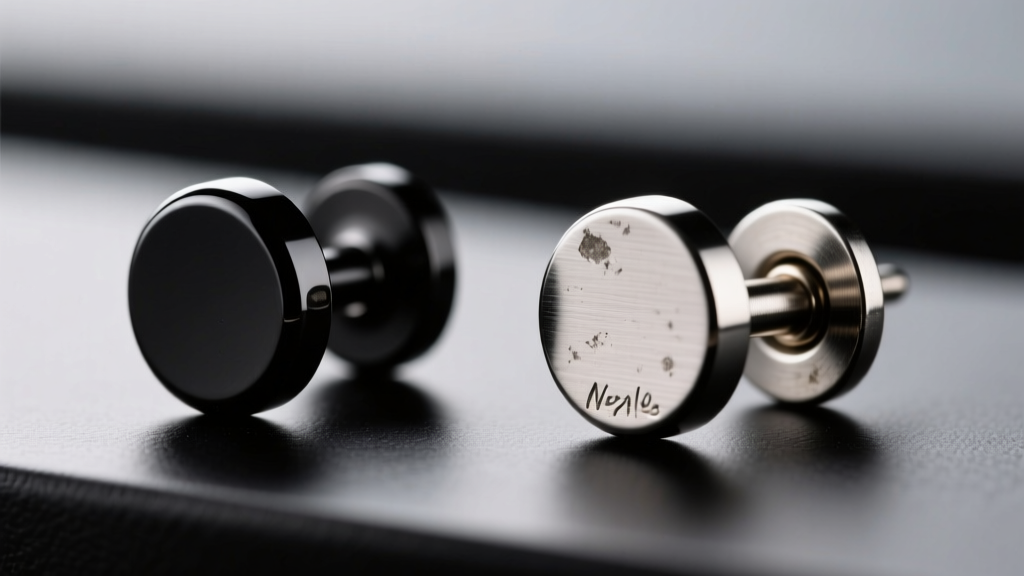
A frequently overlooked aspect of earring maintenance is the hygiene of the post and friction back. Most standard earring studs feature an 18-gauge (1.0mm) or 20-gauge (0.8mm) post. The narrow space between the back of the stud and the earlobe traps dead skin cells (keratin), sebum, and hair products, creating a breeding ground for bacteria and causing unpleasant odors.
To sanitize the post without damaging the black face of the stud, remove the clutch back. Dip a cotton swab in 91% isopropyl alcohol and thoroughly swab the bare metal post and the inside of the friction back. Crucial Note: Ensure the alcohol does not run onto the front-facing black ceramic, enamel, or rhodium. Allow the post to air-dry completely for 30 seconds before reinserting it into your piercing to avoid introducing alcohol into the earlobe tissue.
Storage and Daily Wear Maintenance
Proper storage is just as critical as cleaning. Black rhodium and PVD coatings are highly susceptible to friction wear. When thrown loosely into a jewelry box, the harder metals and gemstones of other pieces will act like sandpaper against your black studs, creating microscopic scratches that dull the finish and expose the base metal.
Store each pair of black earring studs in its own individual soft flannel pouch or a sealed polyethylene ziplock bag. For oxidized silver, you can include a small piece of anti-tarnish paper in the bag; while it will not reverse existing oxidation, it will prevent the bare silver posts from developing bright, contrasting tarnish spots. Keep your studs away from direct sunlight and high humidity, both of which accelerate the degradation of epoxy-based cold enamels.
When to Seek Professional Re-Plating
No matter how meticulously you care for black rhodium or black gold-plated studs, friction from hair, skin, and clothing will eventually wear the plating down to the base metal. This is particularly common on the posts and the edges of the stud face. When you notice a brassy or silvery undertone showing through the black, it is time to stop cleaning and seek professional help.
A local bench jeweler can polish the base metal and re-plate the studs with fresh black rhodium. This process typically costs between $35 and $65 per pair, depending on the complexity of the setting, and will completely restore the factory-fresh, deep black luster of your favorite earrings. Remember that re-plating is a standard part of the lifecycle for plated jewelry, and with proper care between appointments, your black earring studs can remain a striking staple in your collection for decades.


