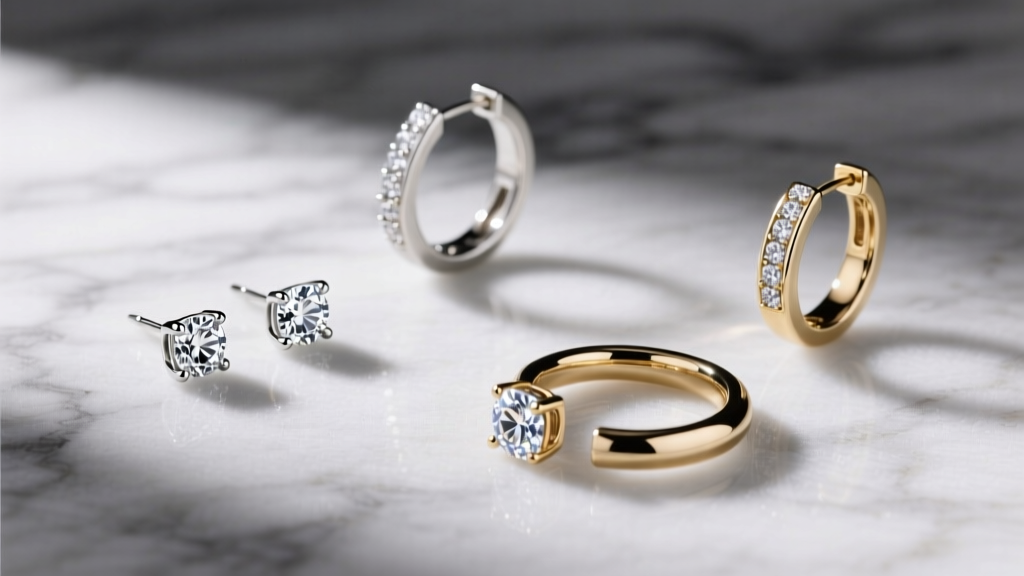
The Ultimate Guide to Cleaning and Caring for Knife Earrings
Learn expert techniques for cleaning, polishing, and storing knife earrings. Protect sharp edges, gemstone hilts, and mixed-metal finishes safely.

Why Knife Earrings Require Specialized Care
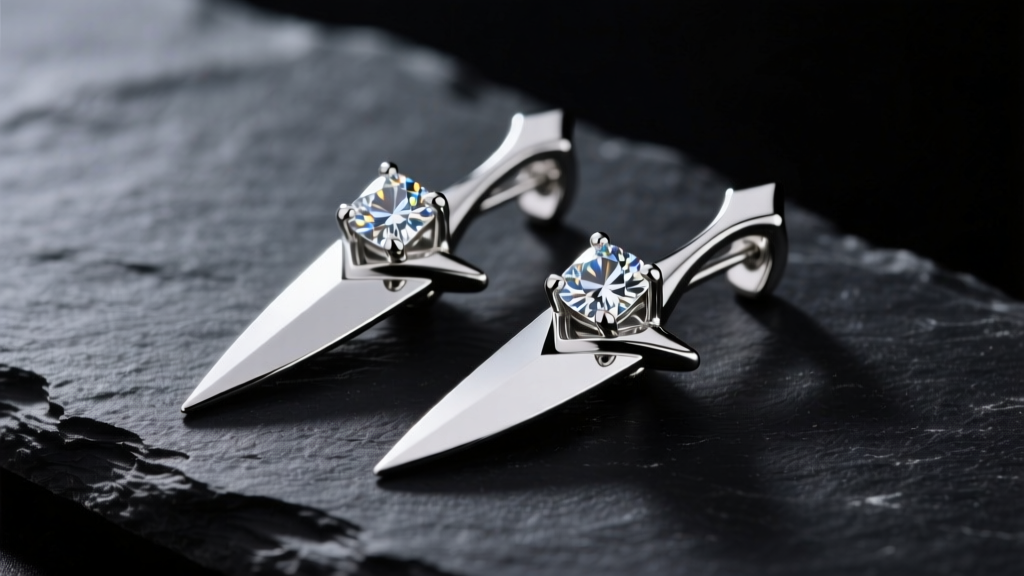
Knife earrings—ranging from ornate Renaissance-style daggers to sleek, modern switchblades and minimalist kitchen cleavers—have carved out a massive niche in both alternative and high-fashion jewelry. However, their aggressive geometry, sharp points, and intricate mixed-material construction make them uniquely vulnerable to damage during standard cleaning routines. Unlike a simple gold hoop or a smooth stud, a dagger earring features a 'blade' edge that can snag cleaning cloths, a 'hilt' that often harbors delicate gemstones, and a 'handle' that may be coated in fragile enamel or intentional oxidation.
Furthermore, the sharp tips pose a genuine safety hazard during manual scrubbing. A slip of the hand while polishing a 316L stainless steel stiletto earring can easily result in a cut finger or a bent post. In this comprehensive 2026 guide, we break down the exact metallurgical and structural considerations you need to maintain your knife earrings, ensuring they remain razor-sharp in appearance without compromising their integrity or your safety.
Material Identification: Know Your Blade
Before applying any cleaning solution, you must identify the base metal and the finishing treatments of your knife earrings. The cleaning protocol for a solid 925 sterling silver dagger is vastly different from that of a brass switchblade with an enameled handle. Below is a breakdown of common materials used in knife earrings and their specific vulnerabilities.
| Material Grade | Common Finishes | Ultrasonic Safe? | Primary Vulnerability |
|---|---|---|---|
| 316L Surgical Steel | High Polish, PVD Black | Yes | PVD coating can scratch if brushed aggressively |
| 925 Sterling Silver | Oxidized, Rhodium Plated | No (if oxidized) | Oxidation strips in chemical dips; silver tarnishes |
| Grade 23 Titanium | Anodized, Matte Bead | Yes | Anodized colors can shift with harsh chemicals |
| Solid Brass / Bronze | Raw, Patina, Lacquered | No | Develops verdigris; lacquer chips easily |
According to the Gemological Institute of America (GIA), identifying not just the metal, but the specific surface treatment and any gemstone inlays is the critical first step in jewelry maintenance. Misidentifying an oxidized silver hilt as rhodium-plated silver and tossing it into a chemical dip will permanently strip the dark, antique detailing that gives the dagger its depth.
The Step-by-Step Cleaning Protocol
Cleaning knife earrings requires a methodical approach that prioritizes the intricate crevices of the hilt while safely navigating the sharp geometry of the blade.
Step 1: Pre-Cleaning Inspection and Stone Security
Knife earrings frequently feature pavé or prong-set cubic zirconia, onyx, or garnets along the crossguard or hilt. Before introducing any moisture, use a 10x jeweler's loupe to inspect these settings. The weight distribution of a long dagger earring puts stress on the top bail and the hilt settings when worn. If you notice any lifted prongs, do not submerge the piece; water and soap scum will become trapped under the loose stone, leading to irreversible cloudiness.
Step 2: The Ultrasonic Trap
Many jewelry owners rely on ultrasonic cleaners for deep cleaning. While a solid 316L steel knife earring without gemstones will survive an ultrasonic bath, you must never use ultrasonic waves on:
- Enameled Handles: The high-frequency vibrations will cause micro-fractures in the enamel, leading to chipping and flaking.
- Oxidized Silver: The cavitation process will blast the intentional black patina right out of the engraved crevices.
- Fracture-Filled Gems: If your dagger features emeralds or fracture-filled rubies in the hilt, the vibrations will shatter them.
Step 3: Manual Cleaning Techniques for Sharp Edges
For safe manual cleaning, prepare a lukewarm solution of distilled water and a few drops of pH-neutral dish soap (like Dawn). Submerge the earrings for no more than five minutes to loosen sebum and skin cells.
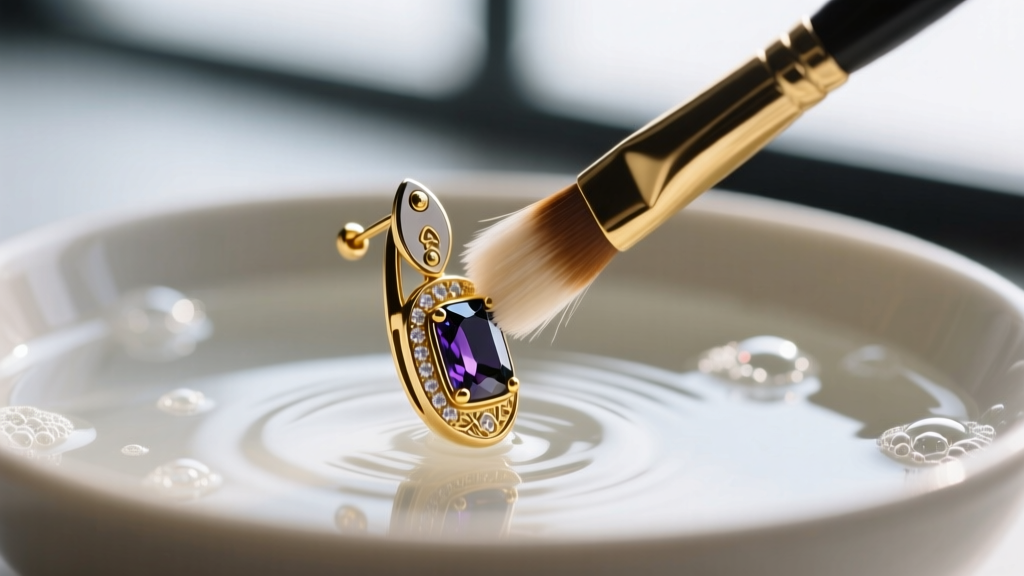
When it comes to scrubbing, abandon standard microfiber cloths. The sharp 'cutting' edge of a knife earring will slice the microfibers, leaving tiny lint strands caught on the metal and potentially dulling the aesthetic sharpness of the piece. Instead, use a soft-bristled baby toothbrush or a silicone-tipped cosmetic swab. Brush in a downward motion, moving from the hilt toward the point of the blade. This prevents the bristles from catching on the edge and snapping back at your fingers.
Pro-Tip for the Post: Most knife earrings feature standard 20G (0.8mm) or 18G (1.0mm) posts. Because these earrings are heavier than average studs, the post endures more friction against the earlobe, accumulating dead skin and metal dust. Use a wooden toothpick to gently scrape the groove near the post notch—never use a metal needle, which will scratch the post and create harboring sites for bacteria.
Polishing and Preserving the 'Edge'
Polishing a knife earring is where most accidents and jewelry damage occur. If you are dealing with a tarnished sterling silver blade, you will need a treated silver polishing cloth. However, wrapping the cloth around your finger and rubbing the blade is a recipe for a laceration.
To polish safely, lay the earring flat on a hard, stable surface covered with a soft towel. Hold the earring firmly by the top bail or the thickest part of the hilt. Take your polishing cloth and fold it over a flat piece of stiff cardboard or a wooden popsicle stick. Use this flat, rigid tool to rub the polishing compound along the flat planes of the blade. This technique applies even pressure, removes tarnish effectively, and keeps your fingers completely clear of the sharp point and cutting edge.
For high-polish titanium or steel, avoid abrasive rouge compounds. A simple wipe with a dedicated jewelry polishing cloth designed for platinum and white gold is sufficient to restore the mirror finish without risking micro-scratches. As noted by experts at Tiffany & Co., gentle, consistent friction is always superior to aggressive chemical polishing when dealing with precision-milled jewelry.
Safe Storage Solutions for Sharp Silhouettes
Improper storage is the leading cause of ruined knife earrings. Tossing a pair of brass daggers into a communal jewelry box guarantees two things: the sharp points will scratch your softer gold and silver pieces, and the dagger tips themselves will likely blunt or bend against harder gemstones.
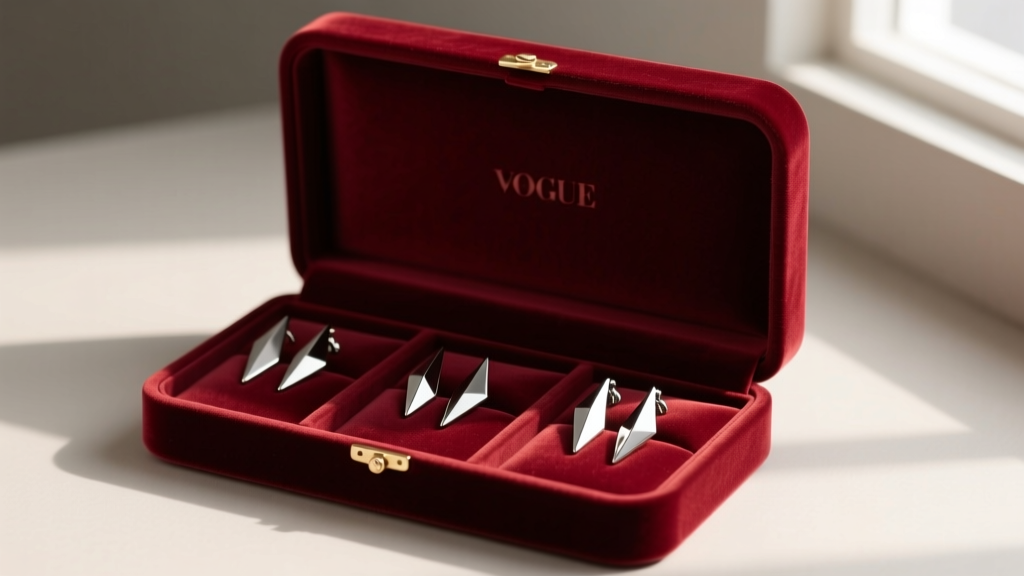
Implement the following storage protocols to protect both your knife earrings and the rest of your collection:
- Silicone Point Caps: Purchase small, clear silicone earring backings or specialized jewelry point protectors. Slide these over the sharp tips of the blades before storage. This neutralizes the hazard and prevents the points from piercing through fabric pouches.
- Individual Hard-Shell Cases: Store knife earrings in individual hard-shell travel cases or dedicated velvet slots that are longer than the earring's total drop length. If the earring is forced to bend or rest at an angle in a shallow box, the structural integrity of the soldered bail can weaken over time.
- Anti-Tarnish Strips: If your knife earrings are made of raw brass or unrhodium-plated sterling silver, place a 3M anti-tarnish strip inside their specific storage compartment to absorb sulfur compounds in the air, drastically reducing the need for frequent polishing.
Troubleshooting Common Knife Earring Issues
Even with meticulous care, the unique wear-and-tear of heavy, sharp-edged jewelry can lead to specific issues. Here is how to troubleshoot the most common problems.
Verdigris Buildup on Brass Handles
If your brass switchblade earrings develop a green, crusty buildup (verdigris) in the textured grip of the handle, do not scrape it with a metal tool. Mix a paste of equal parts baking soda and lemon juice. Apply it strictly to the brass areas using a cotton swab, avoiding any gemstones or steel components. Let it sit for three minutes, then neutralize with a damp cloth. The mild acidity dissolves the copper carbonate safely.
Cloudy Gemstones in the Hilt
Because knife earrings swing and move dynamically, lotions and perfumes easily splash onto the hilt stones and dry into a cloudy film. If a quick soap bath doesn't restore their sparkle, dip a cotton swab in 90% isopropyl alcohol and carefully swab the back of the gemstone settings. Alcohol evaporates quickly and cuts through cosmetic oils without damaging most hard stones like CZ, sapphire, or onyx. (Note: Never use alcohol on pearls, opals, or porous turquoise).
Loose Earring Backs Due to Weight
The heavy drop of a 3-inch dagger earring often causes standard butterfly friction backs to slide down the 20G post, making the earring droop forward. To solve this without altering the earring, switch to flat-disc silicone friction backs or secure the post with a tiny, removable dot of museum wax on the post groove. This provides the necessary grip to hold the heavy blade upright against your earlobe without requiring a permanent modification to the jewelry.
Final Thoughts on Edge Maintenance
Caring for knife earrings is an exercise in precision and patience. By respecting the sharp geometry of the design, understanding the specific metallurgical limits of your chosen materials, and utilizing the right tools for the job, you can keep your daggers, swords, and switchblades looking lethally sharp for years to come. Treat the cleaning process not as a chore, but as a ritual of maintenance that honors the craftsmanship of these bold, statement-making pieces.