How to Clean & Care for Howl's Moving Castle Earrings
Learn expert cleaning and maintenance tips for Howl's Moving Castle earrings. Protect enamel, plating, and intricate Ghibli-inspired designs.

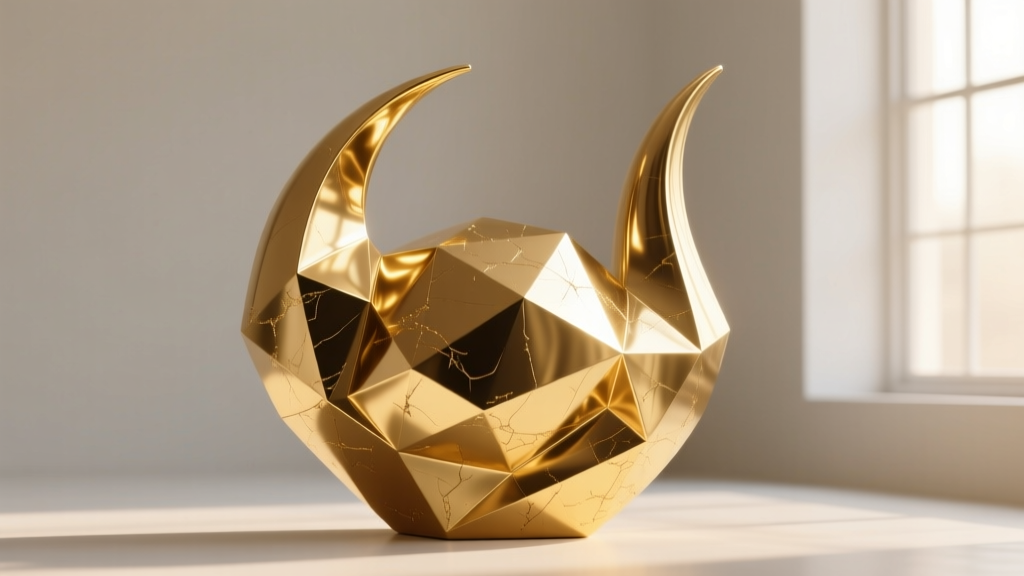
The Anatomy of Ghibli-Inspired Jewelry: Materials & Vulnerabilities
Owning a pair of howl's moving castle earrings is a dream for any Studio Ghibli fan, but maintaining their magic requires understanding the specific materials used in their construction. Unlike fine jewelry crafted from solid 14k gold or platinum, most anime-inspired earrings are produced using a combination of base metals, thin electroplating, and cold enamel. In 2026, the market is flooded with beautiful replicas featuring Calcifer, Turnip Head, and the iconic moving castle itself, but these intricate designs come with unique care challenges.
The most common base metal for these pieces is brass or zinc alloy, which is then flash-plated with gold or silver. Flash plating typically measures between 0.05 and 0.5 microns in thickness. To put that in perspective, a human hair is about 70 microns thick. This ultra-thin layer is highly susceptible to friction, acidic sweat, and harsh chemicals. Furthermore, the vibrant colors of Calcifer’s flames or Sophie’s iconic hat are usually achieved using cold enamel (epoxy resin) rather than traditional vitreous enamel. Cold enamel is essentially a hardened plastic; it will melt, warp, or cloud if exposed to high heat, ultrasonic vibrations, or alcohol-based cleaners.
Understanding these material vulnerabilities is the first step in preserving your favorite Ghibli accessories. According to the Gemological Institute of America (GIA), improper cleaning methods are the leading cause of degradation in mixed-media fashion jewelry. By tailoring your maintenance routine to the specific motif and material of your earrings, you can extend their lifespan from a few months to several years.
Step-by-Step Cleaning Protocols by Motif
Because howl's moving castle earrings feature vastly different textures and material combinations, a one-size-fits-all cleaning approach will result in damage. Below are the specialized protocols for the most popular character and motif designs.
Calcifer & Enamel Pieces (No Ultrasonics!)
Enamel earrings featuring the beloved fire demon Calcifer are incredibly popular but highly fragile. The epoxy resin used for the vibrant blues, oranges, and reds is bonded to the metal base using adhesives that break down under stress.
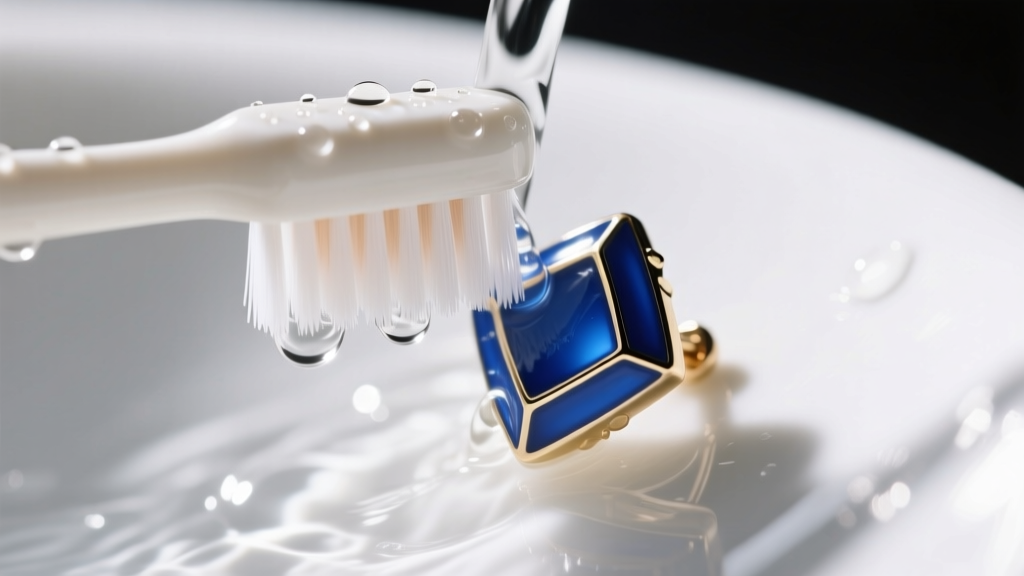
- The Solution: Mix 3 drops of pH-neutral dish soap (like Dawn) into 8 ounces of room-temperature distilled water. Avoid tap water, as the chlorine and hard minerals can leave a cloudy film on the resin.
- The Technique: Dip a soft-bristled baby toothbrush into the solution and gently tap it over the enamel. Do not scrub aggressively. Rinse quickly under a light stream of distilled water and immediately pat dry with a lint-free microfiber cloth.
- The Warning: Never use ultrasonic cleaners on enamel. The experts at Rio Grande warn that ultrasonic cavitation creates microscopic shockwaves that will shatter the bond between the cold enamel and the metal base, causing the colors to pop out entirely.
Turnip Head & Intricate 3D Castings
Earrings depicting Turnip Head or the sprawling architecture of Howl's castle feature deep crevices, burlap-like textures, and tiny gears. These 3D castings are magnets for sebum, dead skin cells, and cosmetic dust.
- The Solution: Use a wooden toothpick or a soft interdental brush to gently dislodge debris from the deep grooves of the casting. Metal tools will scratch the gold or silver plating instantly.
- The Technique: After removing dry debris, use a cotton swab lightly dampened with the distilled water and soap mixture to swab inside the crevices. Dry thoroughly using a hair dryer on the "cool" setting to ensure no moisture is trapped in the gears or under the Turnip Head base, which can lead to galvanic corrosion.
Sophie’s Flower & Crystal-Set Dangles
Pieces featuring Sophie’s flower motif or star-shaped dangles often incorporate cubic zirconia (CZ) or glass crystals. Over time, lotions and natural oils create a film over the pavilion (bottom) of the stones, making them look dull and gray.
- The Solution: Isopropyl alcohol (90% or higher) is excellent for degreasing crystals, but you must apply it carefully to avoid touching any adjacent enamel or glued components.
- The Technique: Dip a pointed cotton swab into the alcohol and trace the edges of the crystals. Flip the earring over and clean the back of the stones where oils accumulate. Buff the top of the crystal with a dry microfiber cloth to restore maximum light refraction.
The 2026 Maintenance Matrix: Daily Wear vs. Deep Cleaning
To keep your anime jewelry looking pristine, you need a structured maintenance schedule. The table below outlines the exact frequency, tools, and risks associated with caring for plated and enameled howl's moving castle earrings.
| Maintenance Level | Frequency | Tools Required | Primary Risks to Avoid |
|---|---|---|---|
| Daily Post-Wear | Every evening | Dry microfiber cloth | Leaving sweat/oils on plating; storing while damp |
| Weekly Surface Clean | Every 7 days | Distilled water, pH-neutral soap, baby toothbrush | Using hot water; scrubbing enamel too hard |
| Crystal Degreasing | Bi-weekly | 90% Isopropyl alcohol, pointed cotton swabs | Alcohol contact with cold enamel or resin glue |
| Deep Crevices | Monthly | Wooden toothpicks, cool-air hair dryer | Using metal needles; leaving moisture in gears |
Troubleshooting Common Anime Jewelry Failures
Even with meticulous care, fashion jewelry can experience wear and tear. Here is how to troubleshoot the most common issues specific to Ghibli-inspired pieces without causing further damage.
Gold Plating is Rubbing Off
If the brass base metal is showing through on the high-contact points of your Howl bird-form earrings, stop wearing them immediately. The oils from your skin will react with the raw brass, potentially causing green discoloration on your earlobes. Do not attempt to use silver polish or abrasive pastes, as these contain silica that will strip the remaining plating. Instead, take the earrings to a local jeweler and ask for a "brush plating" or "electroplating" touch-up. Many jewelers can re-plate small fashion items in 14k or 18k gold for a relatively low cost, restoring them to better-than-new condition.
Resin or Enamel is Yellowing
White or light blue enamel (often used for Sophie’s dress or the sky backgrounds) is prone to UV degradation. Epoxy resin naturally yellows when exposed to prolonged sunlight. Unfortunately, this chemical change cannot be reversed with cleaning. Prevention is your only defense: store these specific earrings in a dark drawer or UV-blocking jewelry box, and avoid wearing them to outdoor summer festivals where direct UV exposure is highest.
Loose Crystals or Dangling Charms
The tiny gears and star charms on howl's moving castle dangle earrings are attached via microscopic jump rings or adhesive. If a charm feels loose, do not pull on it. Use a pair of nylon-jaw jewelry pliers to gently squeeze the jump ring closed. If a crystal has fallen out, you can re-secure it using a tiny drop of G-S Hypo Cement (a specialized jewelry glue that dries clear and remains flexible), avoiding standard superglue which emits fumes that can permanently cloud the surface of glass and CZ stones.
Storage Solutions to Prevent Tarnish and Enamel Scratches
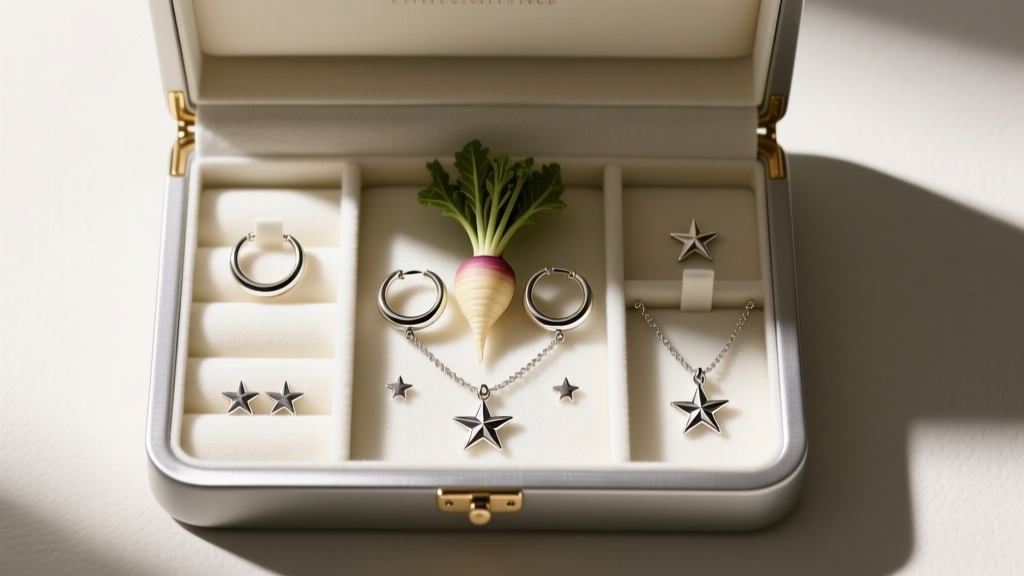
How you store your howl's moving castle earrings when you aren't wearing them is just as critical as how you clean them. Improper storage leads to micro-scratches on the enamel and rapid oxidation of the metal plating.
- Avoid PVC Plastics: Never store your jewelry in cheap plastic bags made of PVC. Polyvinyl chloride emits trace gases that accelerate the tarnishing of silver and gold plating. Instead, use polyethylene ziplock bags or specialized anti-tarnish pouches.
- Use Anti-Tarnish Strips: Drop a 3M anti-tarnish strip or a piece of Pacific Silvercloth into your jewelry box. These materials absorb the hydrogen sulfide in the air that causes silver-plated pieces to turn black.
- Individual Compartments: Enamel is softer than metal. If you toss your Calcifer studs into a communal jewelry dish with your Turnip Head hoops, the metal edges will scratch the resin surfaces. Store each pair in its own felt-lined compartment or individual soft cotton pouch.
- Control Humidity: Moisture is the enemy of base-metal alloys. If you live in a humid climate, keep a few silica gel desiccant packets inside your jewelry drawer to maintain a dry micro-environment, preventing the dreaded "jewelry rust" that can seize up the tiny moving gears on castle-themed dangles.
"The longevity of fashion jewelry is entirely dependent on the owner's willingness to treat it with the same respect as fine jewelry. A daily wipe-down with a microfiber cloth adds years to the life of gold plating." — Modern Jewelry Maintenance Standards, 2025
By implementing these targeted cleaning protocols and storage habits, your howl's moving castle earrings will continue to sparkle with the same magic as the day you unboxed them. Whether you are rocking subtle Turnip Head studs for the office or dramatic castle dangles for a convention, proper care ensures your Ghibli tribute remains timeless.


