Expert Care & Cleaning Tips for Two Tone Gold Earrings
Learn expert care, maintenance, and cleaning tips for two tone gold earrings. Protect rhodium plating and yellow gold alloys with our guide.

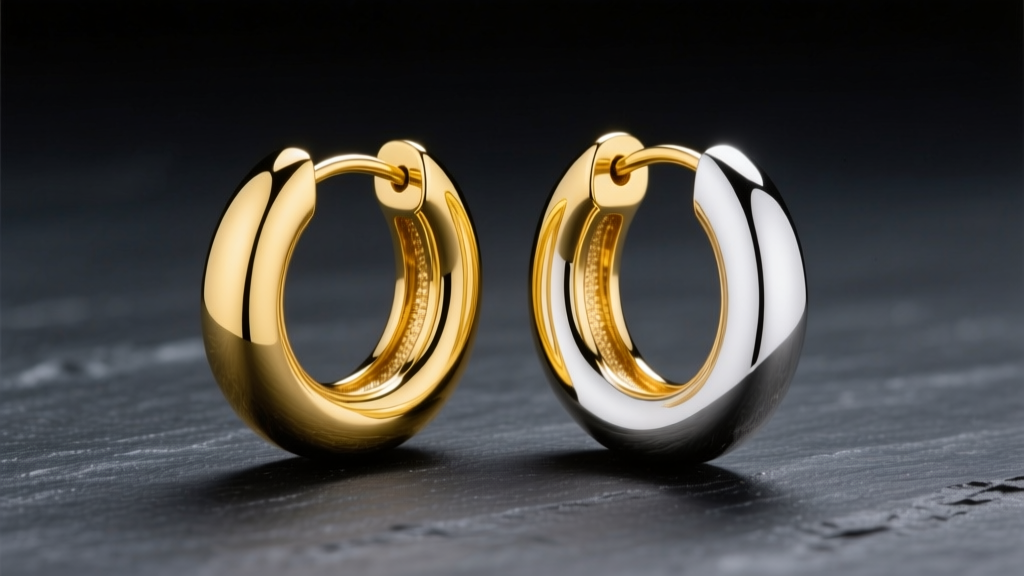
Two tone gold earrings are a masterclass in metallurgical contrast, blending the warm, rich hues of yellow gold with the icy, reflective brilliance of white gold. However, this striking visual duality introduces a unique set of maintenance challenges. Unlike single-alloy jewelry, caring for two tone pieces requires a nuanced understanding of how different metal treatments react to environmental stressors, cleaning agents, and daily wear. In this comprehensive guide, we break down the exact science and practical steps required to clean, maintain, and preserve your two tone gold earrings for decades to come.
The Metallurgy of Two-Tone Gold: Why Standard Cleaners Fail
To properly care for two tone gold earrings, you must first understand what they are actually made of. Pure 24k gold is too soft for jewelry, so it is alloyed with other metals. The yellow gold sections of your earrings are typically alloyed with copper and silver to maintain their warm color while increasing durability. The white gold sections, however, are alloyed with white metals like nickel, palladium, or manganese, and then electroplated with a microscopic layer of rhodium—a rare, highly reflective platinum-group metal.
This rhodium plating is the Achilles' heel of two tone jewelry. According to the Gemological Institute of America (GIA), rhodium plating on jewelry typically ranges from 0.75 to 1.5 microns in thickness. While rhodium is incredibly hard and resistant to tarnish, it is not impervious to chemical stripping or mechanical abrasion. When you use standard jewelry dips or aggressive polishing techniques, you risk stripping the rhodium off the white gold sections, leaving behind a dull, yellowish-gray alloy that ruins the two-tone contrast. Furthermore, the solder joints where the yellow and white gold meet are highly susceptible to stress corrosion cracking if exposed to harsh chemicals like chlorine.
Step-by-Step Cleaning Routine for Two-Tone Earrings
Forget commercial jewelry cleaning solutions; most are formulated for diamonds and single-metal pieces, and they often contain ammonia or mild abrasives that will degrade rhodium over time. Instead, adopt this gentle, pH-neutral cleaning protocol designed specifically for multi-alloy jewelry.
Step 1: The Distilled Water Soak
Never use tap water to soak your earrings. Municipal tap water contains trace amounts of chlorine and fluoride, which can slowly degrade the copper alloys in the yellow gold and weaken the solder joints. Fill a small glass bowl with distilled or bottled spring water. Add two drops of a pH-neutral, phosphate-free dish soap (such as original Dawn). Submerge your two tone gold earrings and let them soak for exactly three to five minutes. Do not exceed this time, as prolonged moisture exposure can trap water beneath the earring posts or in intricate filigree work.
Step 2: Targeted Agitation
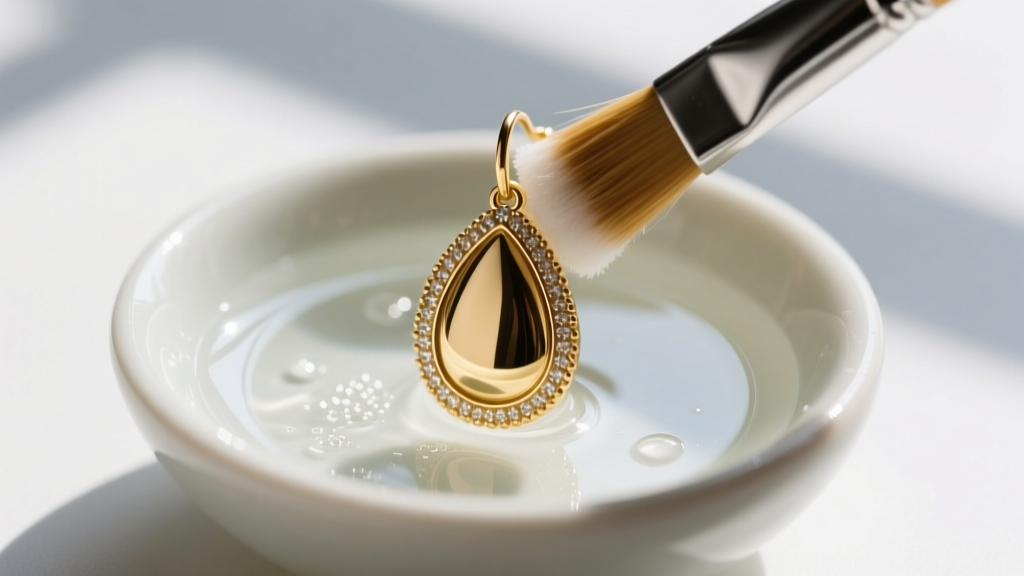
Remove the earrings from the solution and use an extra-soft baby toothbrush (look for bristles rated 0.15mm or thinner) to gently dislodge sebum, dead skin cells, and cosmetic residue. Brush in a single direction rather than using a circular scrubbing motion, which can create micro-scratches across the high-polish yellow gold. Pay special attention to the crevices where the yellow and white gold segments join, as this is where lotion and sweat accumulate most heavily.
Step 3: The Rinse and Dry
Rinse the earrings under a gentle stream of lukewarm distilled water. Immediately pat them dry with a lint-free, untreated microfiber cloth. Do not use standard jewelry polishing cloths, as many are treated with jeweler's rouge (iron oxide) or other mild abrasives that will strip the rhodium plating from the white gold sections upon contact. Ensure the earring posts and butterfly backs are completely dry before storage to prevent localized oxidation.
The Enemies of Two-Tone Gold: Chemical Interactions
The Federal Trade Commission (FTC) mandates strict guidelines on jewelry disclosures, but consumer education regarding chemical damage remains largely in the hands of the wearer. Below is a breakdown of common household substances and their specific destructive effects on two tone gold earrings.
| Substance / Method | Effect on Yellow Gold Alloy | Effect on Rhodium-Plated White Gold |
|---|---|---|
| Ultrasonic Cleaners | Safe for solid gold, but vibrations can loosen gemstone settings. | Severe Risk: High-frequency vibrations (40kHz) combined with heat cause micro-fractures in the rhodium layer, leading to peeling. |
| Chlorine (Pools/Bleach) | Severe Risk: Reacts with copper/silver alloys causing stress corrosion cracking, especially at solder joints. | Can penetrate microscopic pores in the rhodium, attacking the nickel/palladium base metal. |
| Ammonia-Based Dips | Restores shine but can cause surface pitting with repeated use. | High Risk: Chemically strips the rhodium plating, exposing the dull yellowish-white alloy beneath. |
| Hairspray & Perfume | Leaves a stubborn, dulling film that traps environmental dirt. | Alcohol and aerosol propellents degrade the rhodium's reflective luster over time. |
Maintenance, Storage, and the Replating Lifecycle
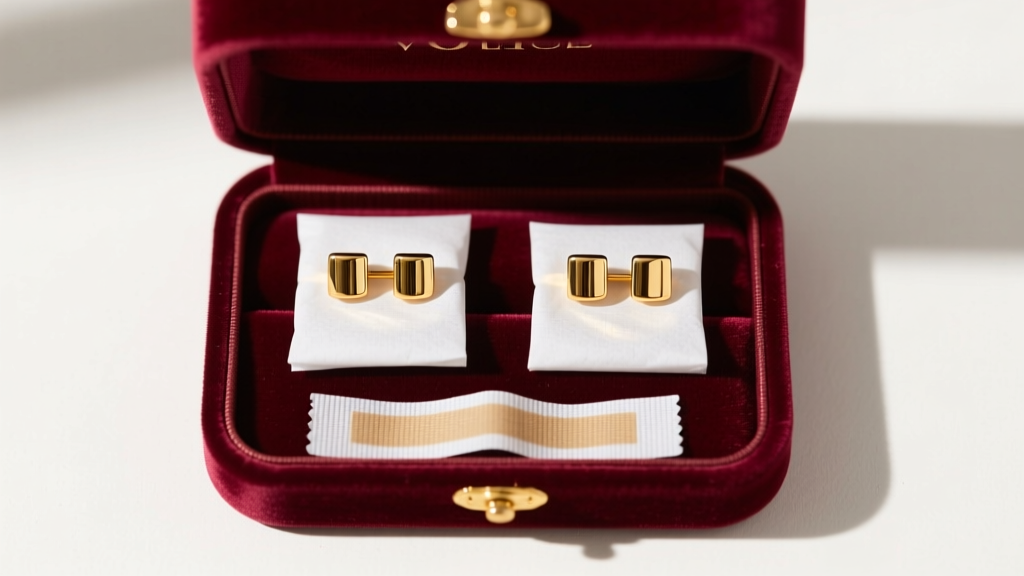
Proper storage is just as critical as the cleaning process. Because two tone gold earrings feature varying metal hardness levels (14k yellow gold is significantly harder than 18k yellow gold, while rhodium is harder than both), storing them loosely in a communal jewelry box will result in the harder metals scratching the softer ones. Always store your two tone pieces in individual polyethylene ziplock bags or soft flannel pouches. Include a 3M anti-tarnish strip in your storage drawer or box; these strips absorb airborne hydrogen sulfide and sulfur dioxide, preventing the copper in the yellow gold from developing a dark patina.
Recognizing the Need for Rhodium Replating
No matter how meticulously you clean your two tone gold earrings, the rhodium plating on the white gold sections will eventually wear away due to natural friction and skin acidity. You will know it is time for replating when the white gold sections begin to take on a faint, warm yellowish or grayish tint, particularly on the high-contact areas like the edges of hoops or the fronts of huggies.
Replating is a routine electrochemical process performed by professional jewelers. The jeweler will polish the piece, strip any remaining rhodium, and submerge it in a rhodium sulfate bath. As of 2026, the average cost to replate a standard pair of two tone gold earrings ranges from $45 to $85, depending on the surface area and the current market price of platinum-group metals. To maximize the lifespan of a fresh rhodium coat, wait 24 hours after replating before wearing the earrings, allowing the microscopic metal layer to fully cure and adhere to the substrate.
Expert Insight: If your two tone earrings feature delicate gemstones like emeralds, opals, or pearls, never submerge them in water. Instead, use a damp microfiber swab to carefully clean the gold sections around the stones. Organic gems are highly porous and will absorb soapy water, leading to irreversible internal cracking and loss of luster.
By respecting the distinct metallurgical properties of both the yellow gold alloys and the rhodium-plated white gold, you can maintain the crisp, high-contrast elegance of your two tone gold earrings. Ditch the harsh chemicals, embrace distilled water and pH-neutral soaps, and your jewelry will retain its dual-toned brilliance for a lifetime.


