Cluster Earrings Gold: The 2026 Budget & Value Guide
Discover how to evaluate cluster earrings gold in 2026. We break down karat pricing, gemstone quality, and hidden costs to maximize your jewelry budget.
The Anatomy of Value: What Are You Actually Paying For?
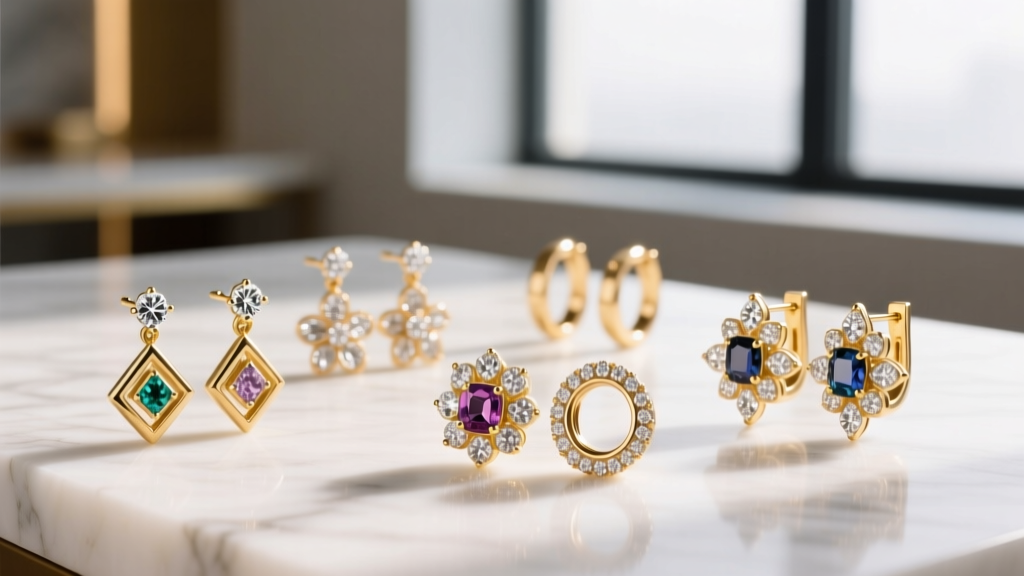
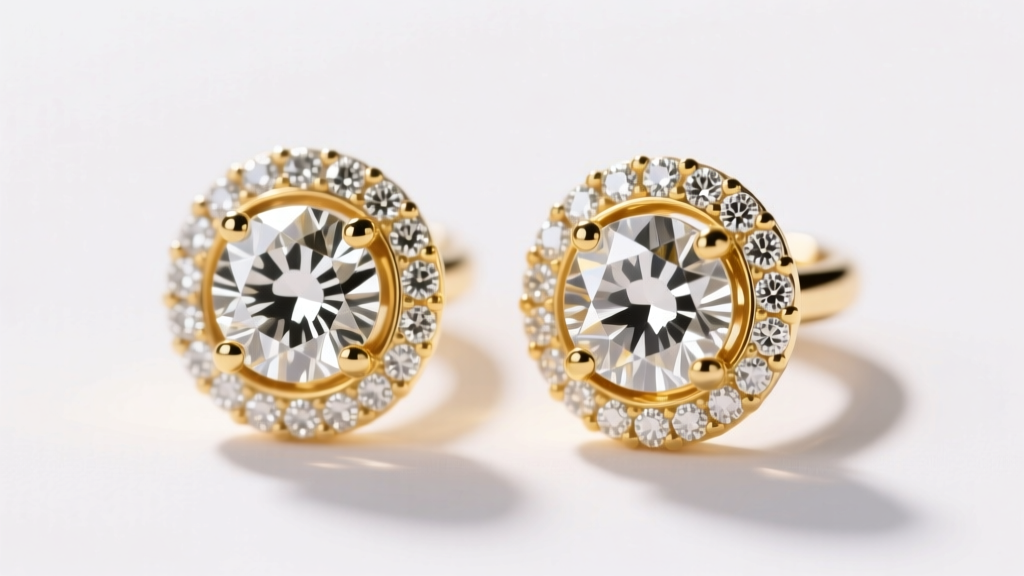
When shopping for cluster earrings gold, buyers often confuse total carat weight (CTW) with the visual spread and intrinsic value of a single stone. A 1.00 CTW cluster earring set might contain 40 individual 0.025-carat melee diamonds. The cost of skilled labor to set 40 micro-prongs vastly exceeds the labor required for a single solitaire setting. Therefore, in 2026, the value assessment of gold cluster earrings hinges on understanding the ratio of precious metal weight to setting complexity. Unlike solitaire studs where the diamond dictates 90 percent of the price, cluster earrings are a balanced equation of gold weight, labor intensity, and melee stone quality.
To accurately assess your budget, you must deconstruct these three pillars. A common mistake in the 2026 market is paying premium natural diamond prices for melee stones that are too small to exhibit distinct optical properties. When diamonds drop below 0.05 carats, their faceting becomes less critical to the naked eye, meaning you are often paying for a brand name rather than observable brilliance. Understanding this dynamic is the first step in maximizing your jewelry budget.
Gold Purity Breakdown: 10K vs 14K vs 18K for Clusters
The karat weight of your gold dramatically impacts both the upfront cost and the long-term survivability of the micro-prongs holding your cluster together. Because cluster earrings rely on dozens of tiny prongs, the structural integrity of the alloy is paramount.
| Karat | Purity | 2026 Avg Retail Price per Gram | Prong Durability | Best Use Case |
|---|---|---|---|---|
| 10K Gold | 41.7% | $35 - $45 | Excellent (High Tensile Strength) | Budget-friendly, heavy daily wear, large statement clusters |
| 14K Gold | 58.5% | $55 - $70 | Very Good (Optimal Balance) | Everyday wear, standard micro-pave, best overall value |
| 18K Gold | 75.0% | $75 - $95 | Fair (Softer, Prone to Wear) | High-end luxury, occasional wear, rich yellow color |
As of early 2026, 14K gold remains the undisputed champion for cluster earrings. While 18K gold offers a richer, warmer yellow hue, its higher gold content makes the metal softer. Micro-prongs in 18K gold holding 1mm melee diamonds can wear down or bend after three to five years of daily friction against hair and clothing. Conversely, 10K gold is incredibly durable and budget-friendly, but its pale color and lower intrinsic resale value make it less desirable for fine jewelry purists. If you are buying white gold cluster earrings, remember that all white gold is alloyed and rhodium-plated; the karat weight will affect the underlying tint as the plating wears off over time.
Gemstone Cluster Configurations and Pricing Tiers
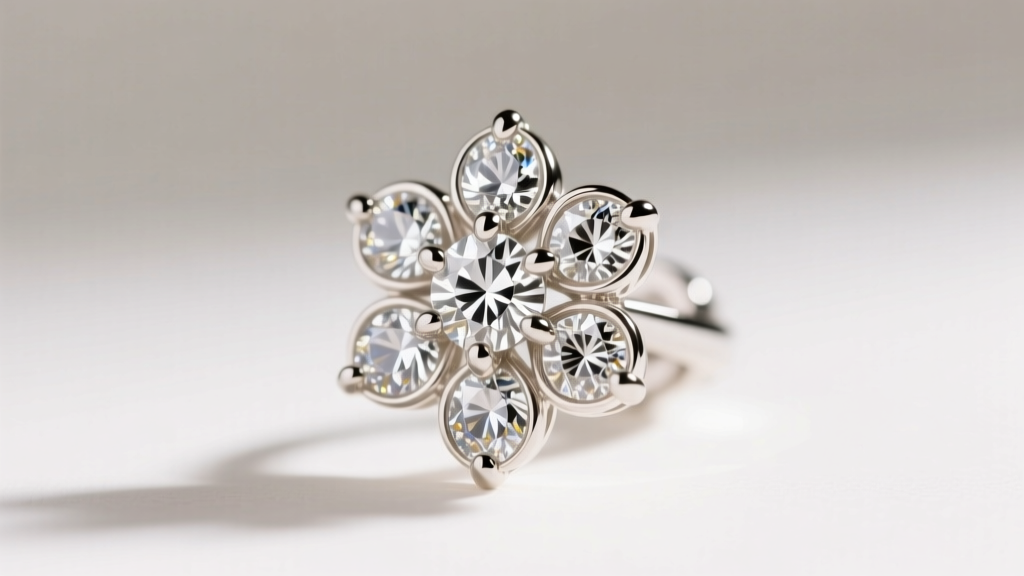
Not all clusters are created equal. The manufacturing technique used to group the stones dictates the price, the sparkle, and the maintenance requirements of the earrings.
The Illusion Setting vs. True Micro-Pave
An illusion setting uses cleverly carved metal plates with faceted edges to surround a tiny diamond, making the entire cluster look like one massive stone from a distance. This technique was highly popular in the 1990s and has seen a budget revival in 2026. Illusion settings are significantly cheaper because they use less gold and fewer stones. However, they lack the multi-dimensional scintillation of true micro-pave. True micro-pave involves setting dozens of individual melee diamonds directly into the gold using tiny beads or micro-prongs. This allows light to enter the stones from multiple angles, creating superior brilliance. When evaluating cluster earrings gold, always inspect the piece under a loupe or macro lens to ensure you are paying for actual stones, not just textured metal.
Lab-Grown vs. Natural Diamond Clusters
The most significant shift in the 2026 jewelry market is the price collapse of lab-grown diamond melee. According to GIA guidelines on diamond melee, lab-grown and natural melee share identical chemical and optical properties. However, the wholesale cost of lab-grown melee has dropped by over 60 percent in the last three years. A pair of 14K gold cluster earrings with 1.00 CTW of natural melee diamonds might retail for $1,200 to $1,800. The exact same design with lab-grown melee will retail between $350 and $550. For budget-conscious buyers, lab-grown clusters offer massive visual impact without the natural diamond premium. Since melee diamonds do not retain resale value regardless of their origin, opting for lab-grown in cluster designs is the smartest financial move you can make this year.
Hidden Costs and Failure Modes in Cluster Earrings
When assessing value, you must look beyond the initial purchase price. Cluster earrings have specific structural vulnerabilities that can lead to hidden maintenance costs.
- Post Bending and Gauge Thickness: Standard earring posts are 20-gauge (0.8mm thick). Cluster earrings, especially those with a 0.75 CTW to 1.50 CTW spread, can weigh between 2.5 and 4.5 grams per ear. A standard 0.8mm post will inevitably bend under this weight when you take them off or sleep in them. Always check the post thickness; demand 18-gauge (1.0mm) or 16-gauge (1.2mm) posts for heavy gold clusters to prevent structural failure.
- Rhodium Plating Maintenance: If you choose white gold cluster earrings, the high surface area and hundreds of tiny prongs make replating difficult. In 2026, a professional rhodium dip for intricate cluster earrings costs between $50 and $85. You will need to budget for this every 12 to 18 months to maintain a bright white appearance.
- Micro-Prong Snagging: The tiny prongs holding melee stones are notorious for catching on knit sweaters, lace, and hair. Over time, this pulling can lift the prongs, leading to stone loss. Have a jeweler inspect and burnish the micro-prongs annually.
2026 Market Pricing Matrix: What Should You Pay?
To help you navigate the market, we have compiled a realistic pricing matrix for 14K gold cluster earrings based on current 2026 retail averages. Use this chart to identify overpriced items and spot genuine value.
| Cluster Type | Total Carat Weight (CTW) | Gold Weight (Pair) | Fair Retail Price Range (Lab-Grown) | Fair Retail Price Range (Natural) |
|---|---|---|---|---|
| Small Floral / Halo Studs | 0.25 - 0.40 | 1.5g - 2.0g | $180 - $280 | $400 - $650 |
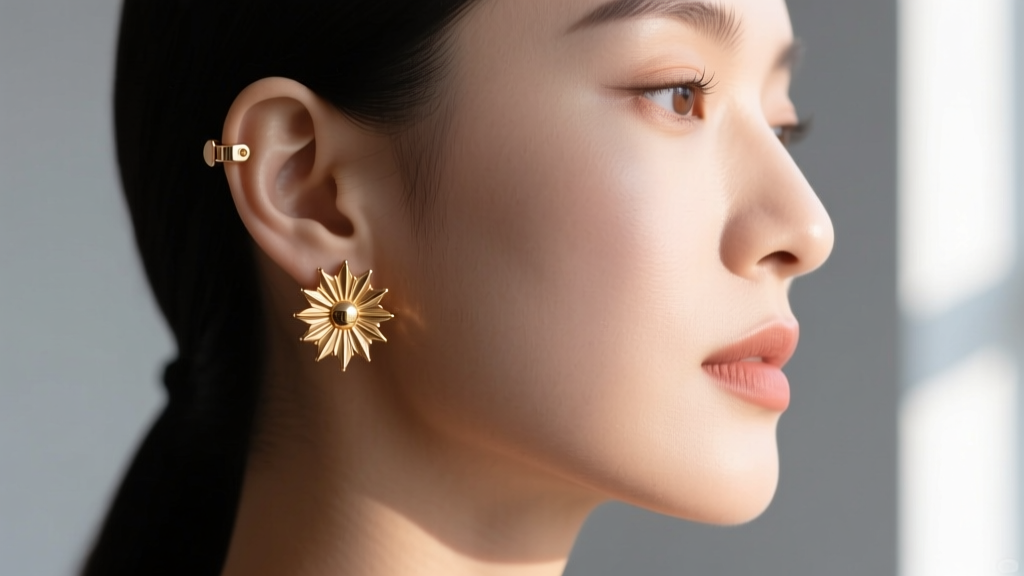
| Medium Sunburst / Geometric | 0.50 - 0.80 | 2.5g - 3.5g | $300 - $450 | $750 - $1,100 |
| Large Statement / Chandelier | 1.00 - 1.50 | 4.0g - 6.0g | $500 - $750 | $1,300 - $2,200 |
If you find a pair of 1.00 CTW lab-grown diamond cluster earrings in 14K gold priced above $900, you are likely paying a massive premium for the brand name or retail overhead. Conversely, if a natural diamond cluster of the same size is priced under $600, be highly suspicious of the gold purity or the diamond grading. The Federal Trade Commission Jewelry Guides strictly regulate how gold purity and diamond weights are advertised, so always request a detailed receipt that breaks down the metal weight and stone origin.
Final Verdict: Maximizing Your Investment
Evaluating cluster earrings gold requires a shift in mindset from traditional solitaire shopping. You are investing in a complex piece of micro-engineering as much as you are in precious materials. For the best balance of budget, durability, and visual impact in 2026, prioritize 14K gold with lab-grown melee diamonds, and ensure the earring posts are thick enough to support the cluster's weight. By understanding the true cost of labor, the reality of melee pricing, and the hidden maintenance of white gold, you can confidently purchase stunning cluster earrings that deliver maximum brilliance without draining your bank account.
Expert Tip: Always store your cluster earrings in a dedicated compartment or soft pouch. The micro-prongs on one earring can easily scratch the gold surface of the other, or catch on the stones, causing unnecessary wear and tear before you even put them on.


