Army AR 670 1 Earrings: 2026 Compliance & Care Guide
Navigate Army AR 670 1 earring regulations for 2026. Learn sizing rules, approved materials, and expert cleaning tips for active-duty jewelry care.

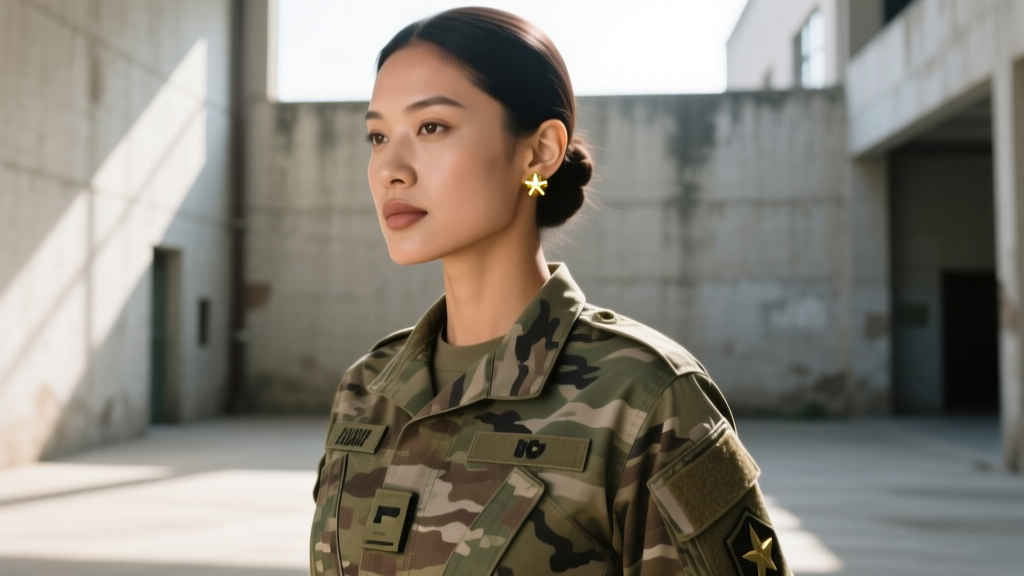
The Intersection of Military Discipline and Jewelry Care
For active-duty personnel, jewelry is not merely a fashion statement; it is a regulated component of the uniform. When it comes to AR 670 1 earrings, the U.S. Army's uniform regulation dictates strict parameters regarding size, material, and placement. However, what is often overlooked in basic training and garrison briefings is how to properly maintain these compliant pieces in rigorous environments. From the corrosive effects of tactical sweat to the mechanical stress of wearing combat helmets, military life takes a unique toll on fine jewelry.
This comprehensive 2026 guide bridges the gap between strict regulatory compliance and expert jewelry maintenance, ensuring your authorized earrings remain pristine, secure, and within regulation whether you are in garrison or deployed downrange.
Decoding the 2026 AR 670 1 Earring Specifications
According to the official Army Publication Directorate (AR 670-1), female soldiers are authorized to wear earrings in service, dress, and combat uniforms (OCPs), while male soldiers remain unauthorized to wear earrings in any uniform configuration. For female personnel, the regulations are highly specific to maintain a uniform, professional appearance that does not interfere with tactical gear.
Core Compliance Metrics
- Size: Must be 4mm to 6mm (approximately 1/8 to 1/4 inch) in diameter. Anything larger is a direct violation.
- Shape: Strictly spherical. No teardrops, squares, or novelty shapes.
- Material/Color: Gold, silver, white diamond, or clear cubic zirconia. Colored gemstones, pearls, and matte black metals are prohibited.
- Backing Mechanism: Screw-on or post-type backs. Clip-ons are explicitly banned due to safety hazards during physical training.
- Placement: One earring per ear, centered directly on the earlobe.
| Feature | Authorized (Compliant) | Unauthorized (Violation) |
|---|---|---|
| Diameter | 4mm - 6mm | Under 4mm or Over 6mm |
| Gemstone | Clear Diamond / CZ | Sapphire, Ruby, Pearl, Opal |
| Metal Finish | High-Polish Gold/Silver | Brushed, Matte, or Oxidized |
| Backing Type | Screw-back, Friction Post | Clip-on, Latch-back, Hoop |
Material Selection: Surviving Sweat, Humidity, and Field Conditions
The human body produces sweat that contains high levels of salt, urea, and lactic acid. In a tactical environment where soldiers are rucking, conducting PT, or operating in high-humidity climates, this bio-chemical cocktail rapidly degrades certain metals. When purchasing your AR 670 1 earrings, understanding metallurgy is critical for longevity.
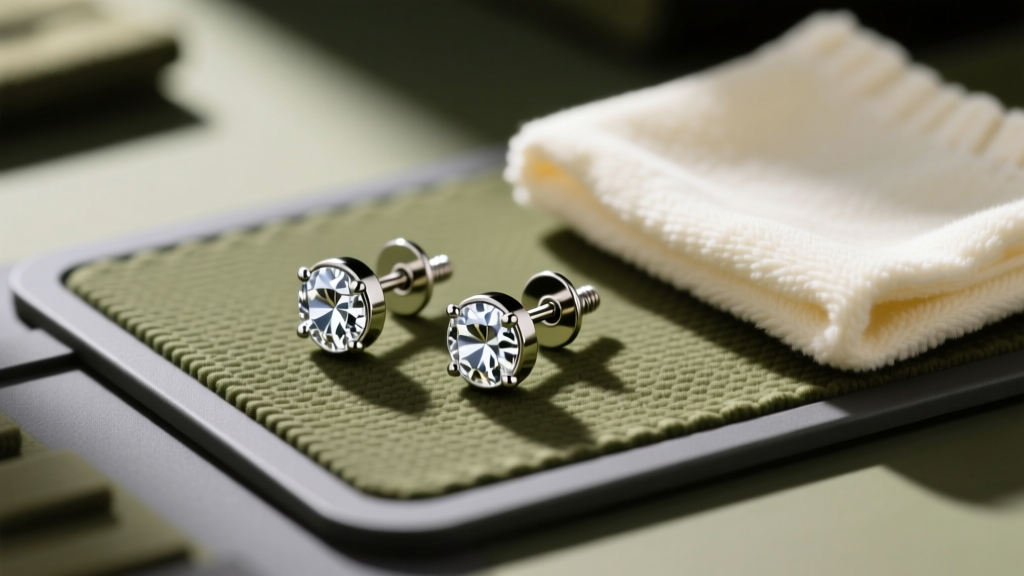
14k vs. 18k Gold
While 18k gold (75% pure gold) offers a richer yellow hue, it is a softer metal. In field conditions where you are donning Kevlar helmets, adjusting headset booms, or pulling tactical shirts over your head, 18k gold posts can easily bend, and prongs holding a 6mm diamond can warp. 14k gold (58.5% pure gold) is the optimal choice for military personnel. The alloy mix (usually copper and zinc) provides superior tensile strength, ensuring the post remains straight and the gemstone secure during rigorous physical activity.
The Sterling Silver Tarnish Problem
Sterling silver (92.5% silver, 7.5% copper) is fully compliant with AR 670-1, but the copper content makes it highly reactive to the sulfur compounds in sweat and the environment. If you choose silver studs for daily wear in the OCPs, expect to polish them every 48 to 72 hours to prevent the dark, oxidized tarnish that can stain your uniform collar and violate the "neat and conservative" grooming standard.
The Tactical Advantage of Screw-Back Earrings
Standard friction-backs (butterfly clutches) rely on spring-tensioned metal loops to grip the post notch. Over time, and with repeated exposure to sweat and friction from uniform collars, these loops loosen. Losing a diamond stud in the field is not only a financial loss but a potential FOD (Foreign Object Debris) hazard in sensitive equipment areas.
Expert Recommendation: Invest exclusively in screw-back earrings for military wear. Screw-backs feature threaded posts and backing nuts that physically lock together. They require a specialized threading tool or careful hand-tightening, but they are virtually impervious to being snagged by helmet straps, gas mask seals, or tactical headsets. According to reports from Military.com regarding uniform updates, as more female soldiers integrate combat-earrings into their daily OCP wear, the aftermarket for secure, threaded 4mm-6mm studs has become an essential part of the military wardrobe.
Field-Expedient Cleaning & Maintenance Routines
Maintaining the shine and hygiene of your earrings is vital. Dirty earrings can cause localized lobe infections, which are a medical liability during deployments. Here is how to maintain your AR 670 1 earrings in both garrison and austere environments.
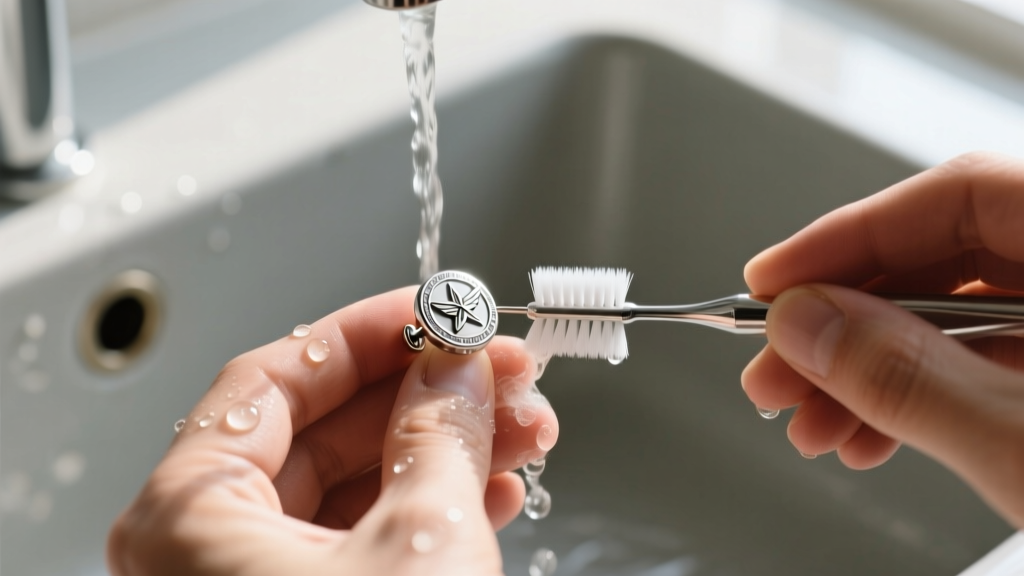
Garrison Deep Cleaning (Weekly)
- Prepare the Solution: Mix warm water with a few drops of ammonia-free, mild dish soap (like Dawn). Avoid harsh jewelry dips containing chlorine or bleach, as these can degrade the structural integrity of 14k gold alloys and ruin OCP fabric if spilled.
- Soak: Remove the earrings and let them soak for 15 minutes to break down sebum, dead skin, and sweat salts.
- Agitate: Use a baby-soft toothbrush to gently sweep behind the gemstone setting and through the threading of the screw-back. This is where bacteria and "ear cheese" (keratin buildup) accumulate.
- Dry: Pat dry with a lint-free microfiber cloth. Ensure the threaded post is completely dry before reattaching the backing to prevent cross-threading or moisture trapping.
Deployment & Field Maintenance (Daily)
When running water is scarce, you cannot soak your jewelry. Instead, utilize alcohol-free baby wipes or specialized optical cleaning cloths. Wipe the front of the spherical stud and the back of the lobe daily to remove salt crust and sweat. Avoid using hand sanitizer (which contains high concentrations of ethyl alcohol and glycerin) to clean your earrings; the glycerin leaves a sticky film that attracts field dust and dirt, while the alcohol can degrade the rhodium plating often used on white gold and silver compliant studs.
Off-Duty Storage for Non-Compliant Jewelry
Military life doesn't mean you abandon your personal style off-duty. Many soldiers own hoops, huggies, cartilage cuffs, and dangles for weekend wear. The key to maintaining these pieces is proper segregation from your uniform gear.
"Never store your off-duty cartilage hoops in the same travel case or locker compartment as your OCP uniform patches or velcro-backed gear. The microscopic hooks on velcro will latch onto delicate jewelry wire, bending posts and tearing out gemstone prongs."
Invest in a hard-shell, multi-compartment jewelry box with individual velvet-lined slots. For cartilage pieces like helix cuffs or tragus studs, ensure they are stored unclasped to relieve tension on the metal hinges, preventing metal fatigue over time.
Troubleshooting Common Military Earring Issues
Cross-Threaded Screw Backs
If you force a screw-back at an angle, you will strip the microscopic threads on the 20-gauge (0.8mm) post. If this happens, do not use pliers, which will crush the post. Instead, take the earring to a local jeweler who can use a jeweler's file to re-cut the threads or replace the post entirely for a minimal fee.
Irritated Piercings During Ruck Marches
The heavy friction of a rucksack strap against the collarbone and neck can pull the skin around the earlobe, causing the earring post to shift and irritate the fistula (piercing hole). If your lobes become inflamed during field exercises, temporarily swap your gold or silver AR 670 1 earrings for implant-grade titanium (ASTM F136) studs of the exact same 4mm-6mm spherical dimension. While titanium's gray hue is technically a gray-area in strict uniform inspections, most NCOs will overlook the color discrepancy if it is a documented medical necessity for healing tissue, provided the size and shape remain perfectly compliant.
Final Thoughts on Grooming Standards
Adhering to AR 670 1 earrings regulations is about more than just avoiding a counseling statement; it reflects a commitment to the meticulous standards of the U.S. Army. By selecting high-quality 14k gold or well-maintained sterling silver, utilizing secure screw-back mechanisms, and implementing a rigorous, sweat-conscious cleaning routine, you ensure your jewelry remains a subtle, professional, and compliant asset to your uniform in 2026 and beyond.


