Best Earrings That Are Comfortable to Sleep In: Material Guide
Discover the best earrings that are comfortable to sleep in. We compare titanium, niobium, and gold properties for pain-free overnight wear.

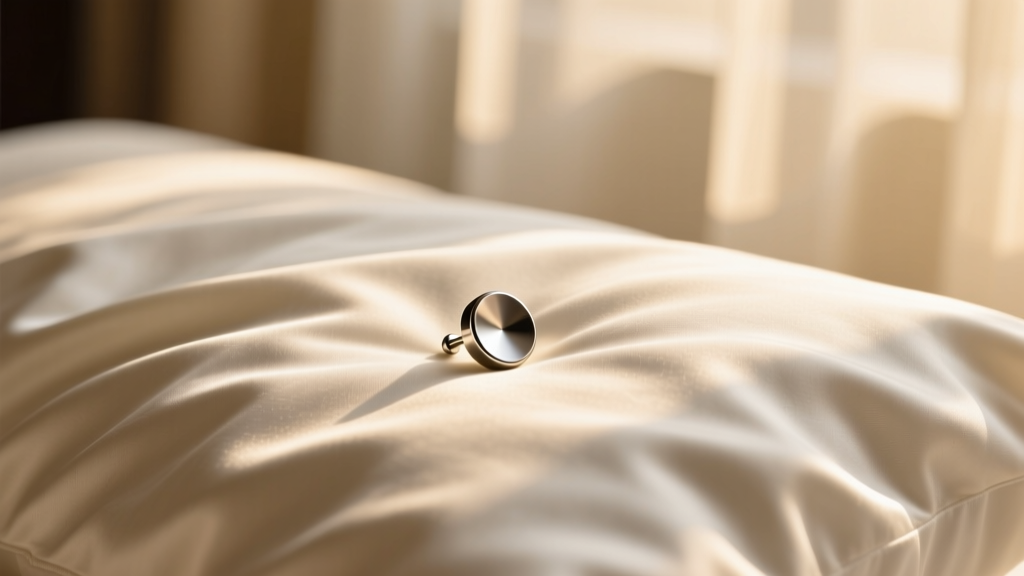
Waking up with tender, inflamed, or aching earlobes is a remarkably common issue, yet it is entirely preventable. When searching for earrings that are comfortable to sleep in, most consumers focus solely on the aesthetic profile of the jewelry. While a low-profile design is crucial, the metallurgical properties of the material dictate how your skin reacts to 8 hours of continuous friction, pressure, and trapped heat.
As a domain expert in jewelry materials and biomechanics, I have evaluated hundreds of sleep-friendly earrings. The reality is that an earring's overnight comfort relies on a precise intersection of material grade, surface finish, alloy composition, and structural anatomy. Below, we break down the exact science of sleep-safe metals, gauge tolerances, and backing mechanisms to help you curate a pain-free overnight jewelry rotation.
The Anatomy of a Sleep-Friendly Earring
Before diving into elemental compositions, we must establish the structural baseline for overnight wear. The physical geometry of the earring determines how force is distributed across the delicate fistula (the piercing hole) while you toss and turn.
- Post Length and Fistula Depth: Standard lobe piercings typically require a post length of 6mm (1/4 inch). If the post is too long, it acts as a lever, creating torque on the fistula when pressed against a pillow. If it is too short, it restricts lymphatic drainage, leading to morning swelling.
- Gauge Thickness: While 20G (0.8mm) is common in commercial fashion jewelry, it is suboptimal for sleeping. Thin wires create a "cheese-cutter" effect, applying high pressure per square millimeter against the bottom of the piercing channel. Upgrading to 18G (1.0mm) or 16G (1.2mm) distributes the physical load more evenly, drastically reducing morning soreness.
- Surface Polish: Microscopic scratches on a metal post harbor sebum, dead skin cells, and bacteria. According to the Association of Professional Piercers (APP), a mirror finish (typically achieved at 8000 grit or higher) is mandatory for sleep jewelry to prevent friction drag and bacterial biofilm buildup.
Material Showdown: What Actually Works for 8 Hours of Friction?
The term "hypoallergenic" is largely unregulated in the fashion jewelry industry. To find earrings that are comfortable to sleep in, you must look past marketing buzzwords and examine specific ASTM (American Society for Testing and Materials) standards and alloy compositions.
Implant-Grade Titanium (ASTM F136)
Implant-grade titanium (specifically Ti6Al4V ELI) is the undisputed champion of overnight wear. Unlike commercial "surgical steel," ASTM F136 titanium contains zero nickel. Its Vickers hardness is high enough to maintain a flawless mirror polish, yet its modulus of elasticity closely mimics human bone, reducing the mechanical shock transferred to the earlobe during sleep. Furthermore, titanium is highly biocompatible; upon exposure to oxygen, it forms a passive titanium dioxide layer that prevents the metal from reacting with your skin's natural acids.
Niobium: The Malleable Alternative
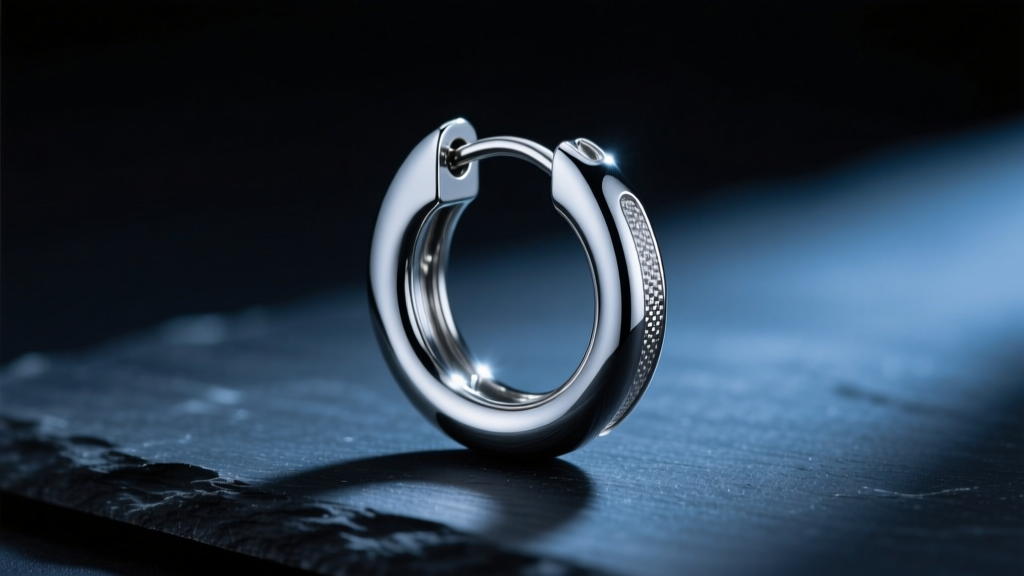
Niobium is an elemental metal (meaning it cannot contain nickel by definition) that shares titanium's biocompatibility. It is slightly softer and denser than titanium, making it highly malleable. This property allows jewelers to craft seamless, continuous hoops that can be gently bent to fit the exact curvature of your earlobe without the need for irritating hinges or clasps. However, because it is softer, niobium requires more careful handling to prevent micro-scratches that could harbor debris overnight.
14k and 18k Solid Gold vs. Gold-Plated Pitfalls
Solid gold is a luxury staple, but its suitability for sleep depends entirely on the alloy mix. Pure 24k gold is too soft for sleep studs; it will easily bend and warp under the pressure of your head against a mattress. 14k and 18k gold offer the necessary structural integrity. However, you must be hyper-vigilant about white gold. Many white gold alloys are mixed with nickel to achieve their silvery hue, which can trigger severe Allergic Contact Dermatitis (ACD) during prolonged skin contact. Always opt for nickel-free white gold (alloyed with palladium) or stick to yellow and rose gold for your sleep rotation. Never sleep in gold-plated or gold-filled earrings; the friction of a cotton pillowcase will degrade the microscopic gold layer over time, exposing the reactive brass or copper base metals beneath.
Comparative Data: Friction, Allergens, and Price Points
To help you make an informed purchasing decision, I have compiled a technical comparison of the top materials used in sleep-friendly earrings. This data factors in long-term wearability and dermatological safety.
| Material Grade | Nickel Content | Surface Friction | Durability / Hardness | Avg. Price Range (Studs) |
|---|---|---|---|---|
| ASTM F136 Titanium | 0% (None) | Ultra-Low (Mirror Polish) | Very High (Scratch Resistant) | $35 - $85 |
| Commercial Surgical Steel | 8% - 12% | Medium (Prone to micro-scratches) | High | $10 - $25 |
| Niobium (Pure) | 0% (None) | Low | Medium (Malleable) | $30 - $60 |
| 14k Solid Yellow Gold | 0% (Typically) | Low | High (Excellent for sleep) | $80 - $200+ |
| Gold-Plated Brass | Variable (Base metal) | High (Degrades quickly) | Very Low (Plating flakes) | $15 - $40 |
Backing Mechanisms That Won't Dig Into Your Neck
The most flawless titanium post will still ruin your sleep if the backing mechanism is poorly engineered. Traditional butterfly clasps are the enemy of side-sleepers; their sharp prongs and rigid metal loops act as pressure points against the mastoid bone and neck.
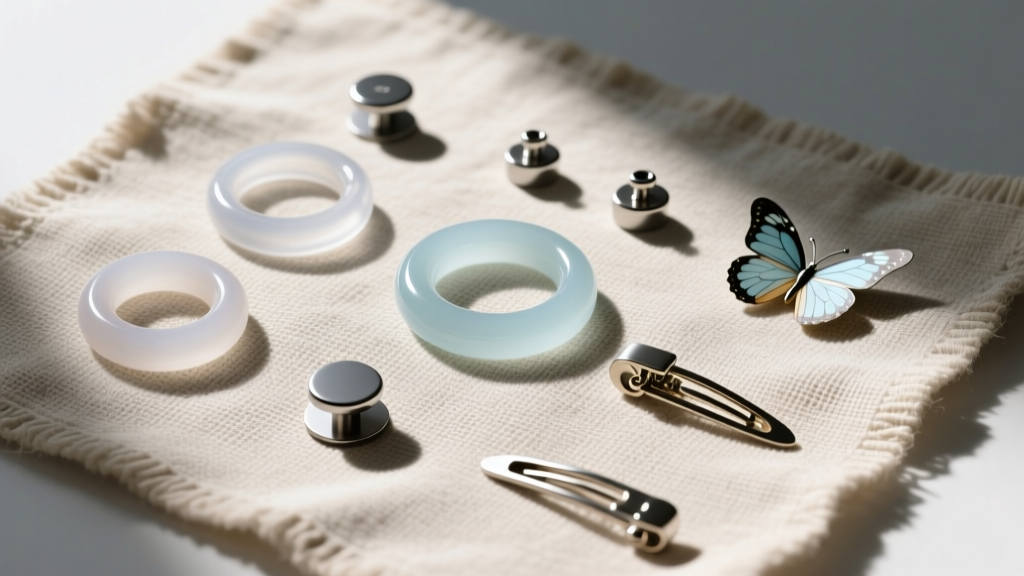
For true overnight comfort, you must transition to flat-back labret studs. These feature a completely flat, smooth disc that sits flush against the back of the earlobe. There are two primary threading styles to consider:
- Internally Threaded: The screw mechanism is inside the post, meaning the post itself is completely smooth and will not tear the fistula upon insertion. Brands like NeoMetal and Intrinsic Body specialize in high-end internally threaded sleep studs.
- Threadless (Push-Pin): These utilize tension to stay together. A slightly bent pin is pushed into the hollow post, creating a secure lock. Threadless jewelry is often preferred for sleep because it lacks the mechanical ridges of a screw, offering the smoothest possible surface for the healing or resting fistula.
Expert Troubleshooting: Why Your "Hypoallergenic" Earrings Still Hurt
If you have invested in high-quality metals but are still experiencing discomfort, the issue likely stems from environmental or biomechanical factors rather than the metal itself.
Pressure Necrosis and Pillow Density
Sleeping on a firm memory foam pillow with a heavy, large-gauge sleeper hoop can cause localized pressure necrosis—where blood flow to the earlobe is temporarily restricted. If you are a strict side-sleeper, consider a dermatologist-recommended approach to reducing mechanical stress: switch to ultra-lightweight titanium flat-backs and invest in a silk or satin pillowcase. The reduced friction coefficient of silk prevents the jewelry from catching and pulling on the lobe.
The Moisture Trap
Ears need to breathe. Wearing tight, encapsulating huggie hoops or thick silicone O-rings to bed traps sebum and sweat against the skin. This creates an anaerobic environment that breeds bacteria, leading to that distinct "earring smell" and localized tenderness. Always ensure your sleep jewelry allows for at least 1mm of clearance between the decorative end, the earlobe, and the backing disc to facilitate proper air circulation.
Pro Tip: Keep a dedicated "sleep pair" of 18G ASTM F136 titanium flat-backs. Do not wear them during the day, and do not wear your day jewelry to bed. This simple rotation prevents the mechanical fatigue of the jewelry and gives your fistulas a consistent, predictable environment to rest in.
Ultimately, finding the perfect earrings that are comfortable to sleep in is an exercise in material science and anatomical awareness. By prioritizing verified implant-grade metals, appropriate gauge thicknesses, and flat-back engineering, you can eliminate overnight ear pain and wake up with healthy, happy piercings every single morning.


