How to Craft & Style Authentic Vegito Potara Earrings
Learn how to craft, assemble, and safely wear heavy Vegito Potara earrings for cosplay with our step-by-step guide on materials and lobe support.

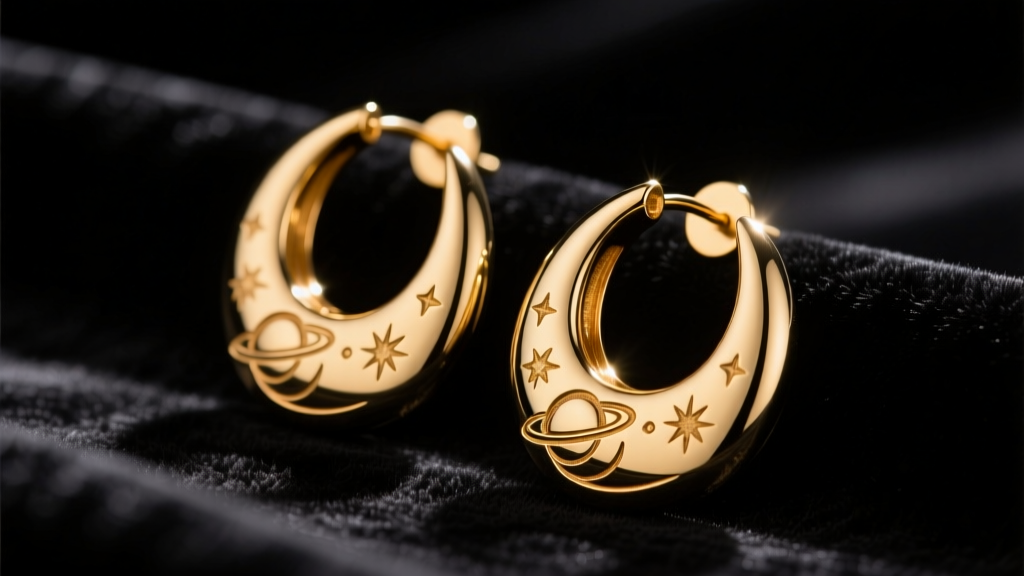
The Ultimate Guide to Crafting Vegito Potara Earrings
In the Dragon Ball universe, the Potara earrings are worn on the left and right ears to initiate a permanent fusion. For cosplayers, replicating this iconic look requires navigating the physical reality of wearing oversized, heavy dome jewelry. As convention standards and material technologies evolve in 2026, flimsy plastic replicas and cheap nickel alloys are no longer acceptable. True craftsmanship demands structural integrity, skin-safe materials, and advanced ear support techniques.
This comprehensive, step-by-step guide will teach you how to craft, assemble, and safely wear authentic Vegito Potara earrings. Whether you are a seasoned prop maker or a jeweler looking to expand into cosplay commissions, mastering the balance between visual accuracy and ergonomic wearability is essential. We will cover exact gauge sizes, material grades, and the crucial physics of ear lobe support.
Material Selection: Resin vs. Metal
The canonical Potara earring is a half-sphere measuring approximately 28mm in diameter, featuring five to seven distinct vertical ridges. Choosing the right base material dictates your entire assembly process. The two primary routes for high-end cosplay jewelry are cast resin and machined metal.
For resin casting, professionals rely on high-quality polyurethane resins, such as those documented by Smooth-On. Smooth-Cast 300 is a favorite due to its low viscosity, which captures fine ridge details without trapping air bubbles. For metal variants, brass or bronze provides the necessary weight and premium luster, though it requires advanced soldering or laser welding to attach the post.
| Material | Average Weight (per pair) | Durability | Best For |
|---|---|---|---|
| Polyurethane Resin | 8 - 12 grams | Moderate (can crack if dropped) | Long convention days, lightweight comfort |
| Solid Brass | 25 - 35 grams | Extremely High | Photography, premium commissions, screen accuracy |
| 3D Printed PLA+ | 5 - 8 grams | Low (heat sensitive) | Budget builds, quick prototypes |
Step-by-Step Assembly Guide
Step 1: Shaping the Dome and Ridges
If you are not using a 3D-printed master for silicone molding, you must hand-sculpt the master pattern. Begin with a 28mm wooden or acrylic half-sphere. To create the signature Potara ridges, use a two-part epoxy putty like Milliput or Green Stuff. Roll the putty into 1.5mm thick strings and carefully apply them vertically, spacing them evenly. Use a silicone sculpting tool dipped in isopropyl alcohol to smooth the edges of the ridges into the dome, ensuring a seamless transition that will cast perfectly.
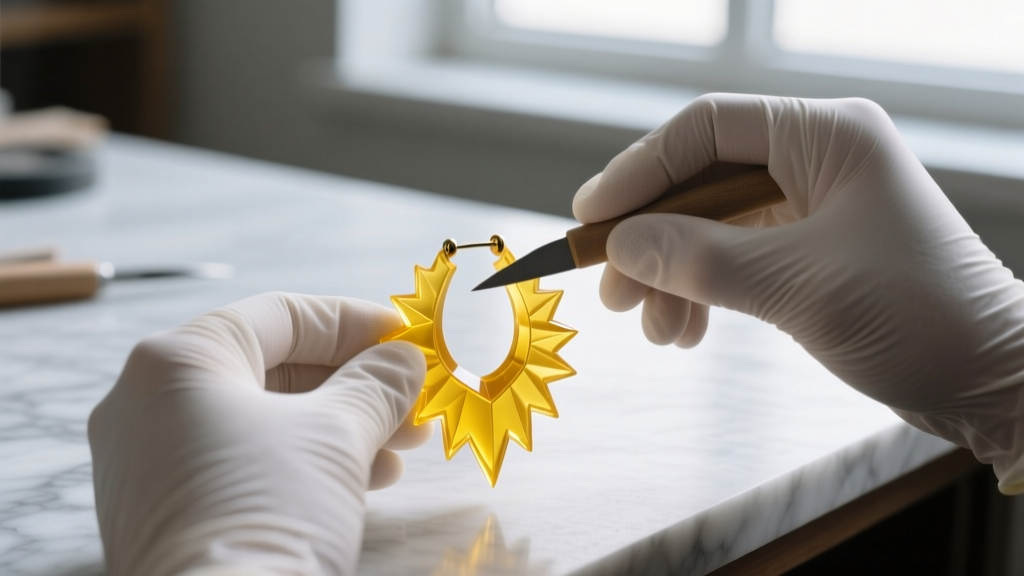
Step 2: Attaching the Jewelry Post
Attaching a post to a heavy metal or resin dome is where most amateur cosplay jewelry fails. For resin casts, drill a 1.2mm pilot hole into the flat back of the earring. Insert an 18-gauge or 16-gauge flat-pad earring post, and secure it using a two-part jeweler's epoxy (avoid standard super glue, which becomes brittle and snaps under shear stress). For brass variants, you must use silver-bearing solder. According to jewelry supply experts at Rio Grande, using lead-free silver solder ensures the jewelry is skin-safe and creates a bond strong enough to support the heavy dome without snapping off during wear.
Ear Support & Piercing Modifications
The most overlooked aspect of crafting Vegito potara earrings is the biomechanical stress they place on the earlobe. A standard 20-gauge (0.8mm) earring wire will slice through the earlobe if subjected to the dynamic movement of walking across a convention floor. Upgrading your hardware and utilizing secondary support systems is non-negotiable for heavy builds.
Gauge Sizing and Post Welding
For metal earrings weighing over 20 grams, you must upgrade the post to a 16-gauge (1.2mm) or 14-gauge (1.6mm) thickness. Implant-grade titanium (ASTM F138) is the mandatory standard here, as it prevents contact dermatitis and offers superior tensile strength compared to standard surgical steel. Ensure the butterfly backings are also heavy-duty, preferably silicone or clutch-backs with a wide surface area to distribute the pressure against the back of the ear.
The Spirit Gum Trick for Heavy Lobes
To prevent the earring from pulling the piercing hole downward, professional cosplayers use a theatrical adhesive to distribute the weight across the entire surface of the lobe. Apply a thin layer of Pros-Aide or Spirit Gum to the flat back of the Potara dome. Press the earring firmly against the earlobe for 60 seconds. The adhesive will bear 80% of the jewelry's weight, leaving the actual piercing to act merely as a stabilizing anchor rather than a load-bearing hook.
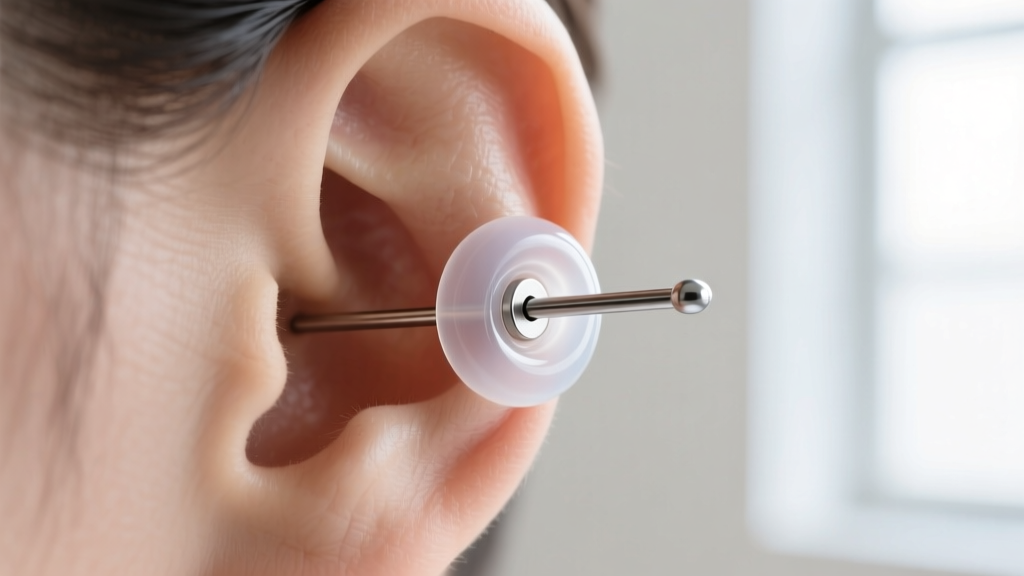
Magnetic and Clip-On Alternatives
For cosplayers without pierced ears, heavy-duty magnetic earrings are an option, but they come with severe warnings. You will need N52 grade neodymium magnets. However, clamping an N52 magnet on either side of the earlobe restricts blood flow. Prolonged wear beyond two hours can cause tissue necrosis. If you must use magnets, pad the back magnet with 2mm of medical-grade silicone and remove the earrings every 90 minutes to restore circulation.
Pricing and Sourcing Breakdown
Whether you are buying custom Vegito potara earrings or making them yourself, understanding the market pricing helps you identify quality. Cheap, mass-produced acrylic pairs often lack the structural post reinforcement needed for safe wear.
| Sourcing Method | Estimated Cost | Lead Time | Quality & Safety Rating |
|---|---|---|---|
| DIY Resin Casting | $15 - $30 | 2-3 Days | High (if using skin-safe sealants) |
| Custom Jeweler (Brass) | $120 - $250 | 3-5 Weeks | Exceptional (heirloom quality) |
| Mass Market 3D Print | $20 - $45 | 1 Week | Low (prone to snapping) |
Final Thoughts on Cosplay Jewelry
Crafting screen-accurate Vegito potara earrings is a rewarding intersection of prop-making and traditional jewelry fabrication. By prioritizing material science—opting for polyurethane resins or properly soldered brass—and respecting the physical limits of the human earlobe through gauge upgrades and adhesive weight distribution, you ensure your cosplay is both visually stunning and physically comfortable. Remember, the best cosplay jewelry is the kind you can wear from the morning photoshoot to the evening after-party without a single moment of pain or structural failure.


