Styling Crystal Statement Earrings: A Beginner's Lobe Care Guide
Learn how to choose, style, and wear heavy crystal statement earrings safely. Discover lobe support hacks, ideal gauges, and weight limits.


There is an undeniable magic to slipping on a pair of crystal statement earrings. They catch the light, frame the face, and instantly elevate a basic outfit into a red-carpet-ready ensemble. However, for beginners, the transition from lightweight studs to dramatic, shoulder-grazing crystal drops often comes with an unwelcome surprise: earlobe fatigue, stretching, and even tearing. In 2026, jewelry designers are pushing the boundaries of size and sparkle, making it more important than ever to understand the biomechanics of your earlobes. This beginner-friendly explainer will teach you how to select, support, and style heavy crystal pieces without sacrificing your ear health.
The Physics of Earlobe Tolerance
The human earlobe is composed of areolar connective tissue and fat, lacking the rigid cartilage found in the upper ear. While it is remarkably elastic, it has a strict weight threshold. Most dermatologists and professional piercers agree that the average earlobe can comfortably support between 7 to 10 grams per earring for an extended period (4+ hours) before experiencing micro-tears or the dreaded 'cheese cutter effect'—where a thin wire slowly slices through the tissue.
When shopping for crystal statement earrings, the material of the crystal dictates the weight. Understanding these material differences is your first line of defense against lobe damage.
| Crystal Material | Mohs Hardness | Avg Weight (2.5-inch drop) | Durability & Lobe Impact |
|---|---|---|---|
| Leaded Glass (e.g., Swarovski) | 6 - 7 | 12 - 18 grams | High brilliance, heavy. Requires lobe support. |
| Natural Quartz / Amethyst | 7 | 15 - 22 grams | Dense and heavy. High risk of stretching. |
| Cubic Zirconia (CZ) | 8 - 8.5 | 10 - 14 grams | Moderate weight. Excellent for medium statements. |
| Optical Acrylic / Resin | 3 | 3 - 6 grams | Ultra-lightweight. Ideal for massive, beginner-safe statements. |
Pro Tip: If a product listing does not specify the weight in grams, assume natural stones and leaded glass are heavy. Opt for acrylic-crystal hybrids if you want maximum visual size with minimal physical weight.
The Anatomy of a Safe Statement Earring
A beautiful crystal is only as good as the hardware holding it to your ear. Beginners often overlook the post and the backing, focusing entirely on the gemstone. Here is what you need to scrutinize before purchasing.
Post Gauge and Metallurgy
Standard lobe piercings are typically done at 20-gauge (0.8mm) or 18-gauge (1.0mm). When wearing heavy crystal statement earrings, a 20-gauge wire is too thin and will act like a blade against your tissue. Always look for statement pieces with an 18-gauge or even 16-gauge (1.2mm) post. The thicker the metal, the wider the surface area distributing the weight across your piercing hole.
Furthermore, heavy earrings cause increased friction and micro-abrasions inside the fistula (the piercing tunnel). According to the American Academy of Dermatology, nickel allergies are a leading cause of contact dermatitis in jewelry wearers. Because heavy earrings cause more friction, they can trigger reactions even in people with mild sensitivities. Always ensure the post is made of ASTM F136 implant-grade titanium or solid 14k/18k gold, avoiding cheap brass or copper alloys that are often used to cut costs in mass-market statement jewelry.
The Crucial Role of Earring Backs
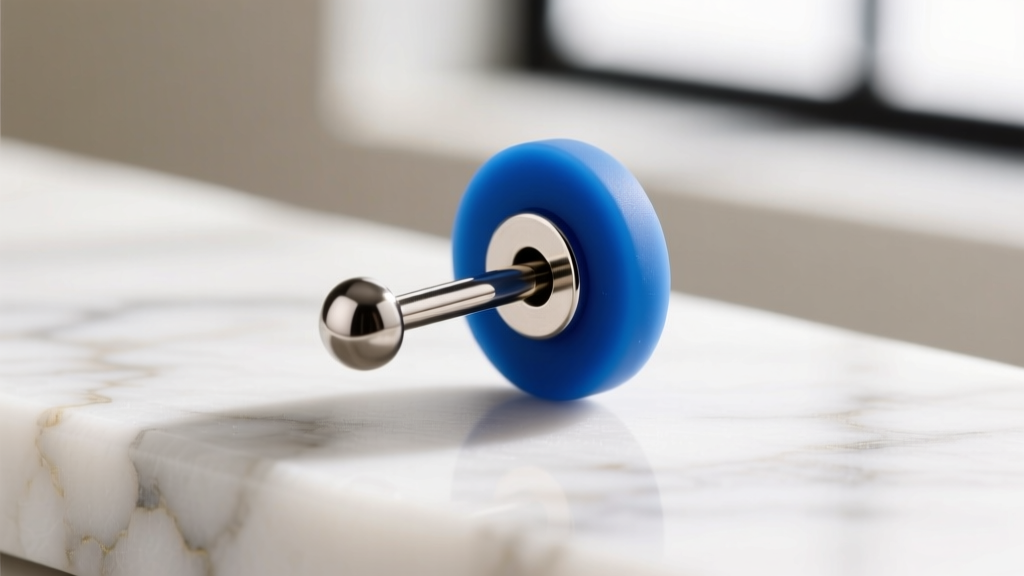
The standard 'butterfly' friction back is entirely inadequate for crystal statement earrings. The small surface area digs into the back of your neck and fails to secure the heavy front, causing the earring to droop forward. Instead, seek out or purchase aftermarket backs:
- Jumbo Silicone Discs: These 10mm to 12mm discs provide a wide, cushioned base that grips the post securely and distributes the backward pull over a larger area of your neck.
- Screw Backs: Featuring a threaded post and a screw-on backing, these offer the highest level of security for heavy, expensive crystal drops.
- Locking Leverbacks: For hook-style earrings, a locking leverback ensures the heavy crystal won't swing off if it catches on a sweater or hair.
3 Beginner-Friendly Lobe Support Hacks
If you already own a pair of heavy crystal statement earrings that cause you pain, do not relegate them to the back of your jewelry box. Use these three professional styling hacks to redistribute the weight.
'The secret to wearing runway-sized crystals isn't having tougher ears; it's having smarter physics. Distribute the load, and you can wear anything.' — Elara Vance, Celebrity Jewelry Stylist
1. Ouchless Silicone Lobe Patches
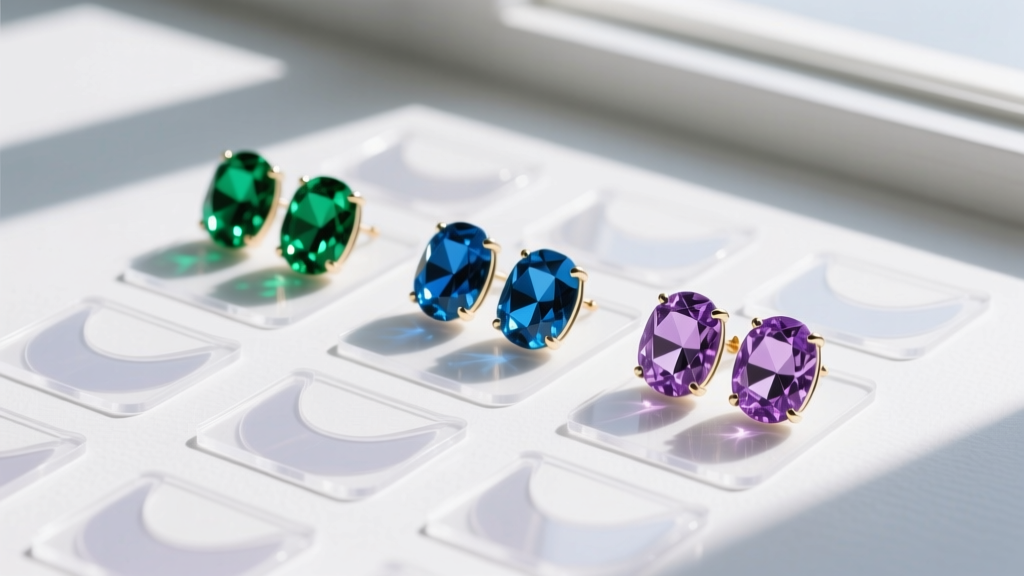
These are small, clear, medical-grade silicone stickers with a pre-punched hole for the earring post. You apply the patch to the back of your earlobe before inserting the earring. The patch acts as a splint, reinforcing the tissue and preventing the heavy crystal from pulling the piercing downward. They are practically invisible and cost less than $10 for a pack of 50.
2. The French Wire Silicone Stopper Trick
If your crystal earrings are on French wire hooks, the constant swinging creates momentum that yanks on the lobe. Slide a small, clear silicone earring stopper onto the wire and push it flush against the back of your earlobe. This eliminates the swinging momentum, drastically reducing the dynamic load on your piercing.
3. Ear Cuff Weight Distribution
A major trend in 2026 is pairing heavy lobe drops with structural ear cuffs. While a standard cuff doesn't physically lift the lobe earring, wearing a visually balanced cuff on the upper cartilage draws the eye upward and creates a structural aesthetic that makes the heavy lobe piece look intentional and anchored rather than like it is dragging the ear down.
Proportion and Face Shape Framework
Crystal statement earrings are an investment in your personal brand. To ensure they complement rather than overwhelm your features, use this quick proportion framework based on face geometry:
- Round Faces: Avoid circular crystal clusters or wide hoops, which emphasize width. Opt for long, angular, geometric crystal drops (like emerald-cut quartz or marquise CZ) that create a vertical line and elongate the jawline.
- Square Faces: Sharp jawlines benefit from softening elements. Choose teardrop-shaped crystals, oval cabochons, or chandelier styles with rounded, cascading crystal beads to soften angular features.
- Heart-Shaped Faces: With a wider forehead and narrow chin, select crystal statement earrings that are wider at the bottom than the top. Teardrops and triangular chandelier styles balance the lower half of the face beautifully.
- Oval Faces: The universal shape. You can pull off almost any style, from massive geometric crystal studs to sweeping, shoulder-dusting chandelier drops.
Cleaning and Maintenance Protocols
Crystals require specific care to maintain their light-reflecting properties. A common beginner mistake is tossing all jewelry into an ultrasonic cleaner. According to the Gemological Institute of America (GIA), ultrasonic vibrations can shatter natural crystals with internal inclusions (like emeralds or raw quartz) and will completely destroy the foil-backing on vintage or aurora borealis glass crystals, leaving them dull and cloudy.
The Safe Cleaning Method:
- Mix a few drops of mild, phosphate-free dish soap in a bowl of lukewarm water.
- Use a baby-soft toothbrush to gently agitate the soap around the crystal settings, being careful not to bend the prongs.
- Rinse under a gentle stream of lukewarm water (ensure the drain is plugged!).
- Pat dry with a lint-free microfiber cloth. Never use paper towels, as the wood fibers can scratch softer crystals like fluorite or opal.
Final Thoughts
Wearing crystal statement earrings should be an empowering experience, not an endurance test. By paying attention to gauge thickness, utilizing silicone support patches, and understanding the weight profiles of different crystal materials, you can confidently wear the most dramatic, light-catching pieces in your collection. Treat your earlobes with the same care you treat your fine jewelry, and they will support your boldest style choices for a lifetime.


