The Ultimate Troubleshooting Guide for Dogwood Earrings
Fix common issues with dogwood earrings. Learn expert troubleshooting for enamel chips, wood warping, heavy dangles, and tarnished floral metalwork.

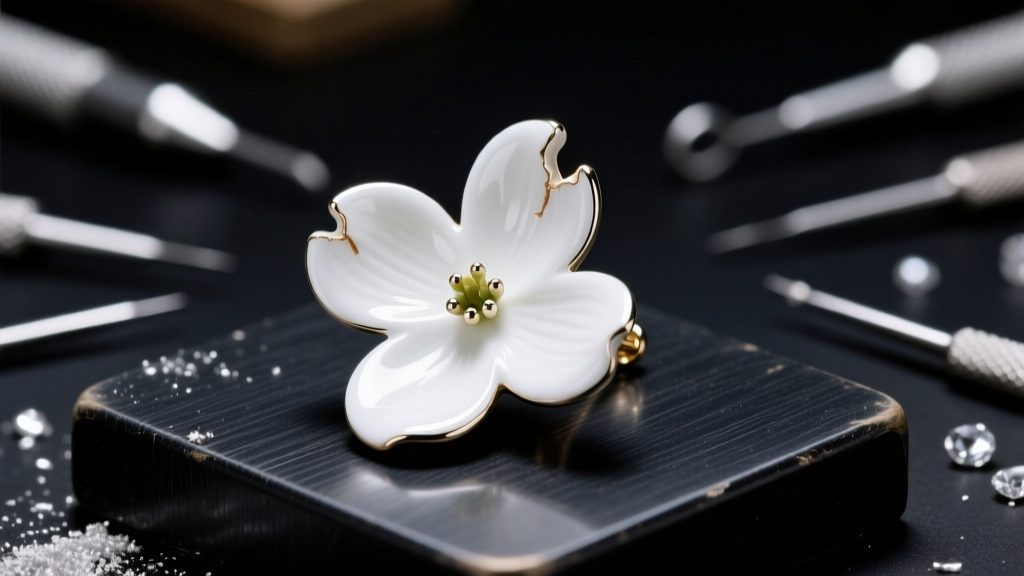
Botanical jewelry captures the ephemeral beauty of nature, but translating delicate flora into wearable metal and stone introduces unique structural vulnerabilities. Dogwood earrings, with their iconic four-petal bracts and clustered central stigmas, are a staple of floral jewelry collections. However, their intricate geometry and material diversity make them prone to specific types of wear and tear. Whether you own vitreous enamel dangles, carved wood studs, or stamped sterling silver drops, understanding the failure points of these designs is crucial for longevity.
In this comprehensive troubleshooting guide, we dive deep into the material science and structural engineering of dogwood earrings, providing actionable, professional-grade solutions for the most common issues faced by collectors and everyday wearers.
The Anatomy of Botanical Jewelry: Why Dogwood Designs Fail
To troubleshoot effectively, you must understand the architecture of the dogwood flower. The four large 'petals' are technically bracts, which in jewelry design translates to wide, flat surface areas. These broad expanses are highly susceptible to impact damage and flexing. Furthermore, the center cluster—representing the stamens and stigmas—is often rendered using granulation, micro-prong set gems, or textured metal. This central node acts as a snag point for hair and clothing, leading to bent wires and loose components.
'The wider the surface area of a botanical petal in jewelry design, the higher the risk of structural flexing, which is the primary enemy of rigid surface treatments like enamel and ceramic.' — Jewelers of America Design Guidelines.
Troubleshooting Material-Specific Damage
Enamel Chipping and Cracking
Many high-end dogwood earrings utilize enamel to achieve the opaque white or soft pink hues of the actual flower. There are two primary types of enamel used: vitreous (glass) and cold (epoxy resin). Vitreous enamel is fired at temperatures exceeding 1400°F, fusing the glass to the metal base. Cold enamel is essentially a hardened resin poured into stamped recesses (champlevé).
- The Problem: Ultrasonic cleaners and steamers will shatter cold enamel and cause micro-fractures in vitreous enamel due to high-frequency vibrations and thermal shock.
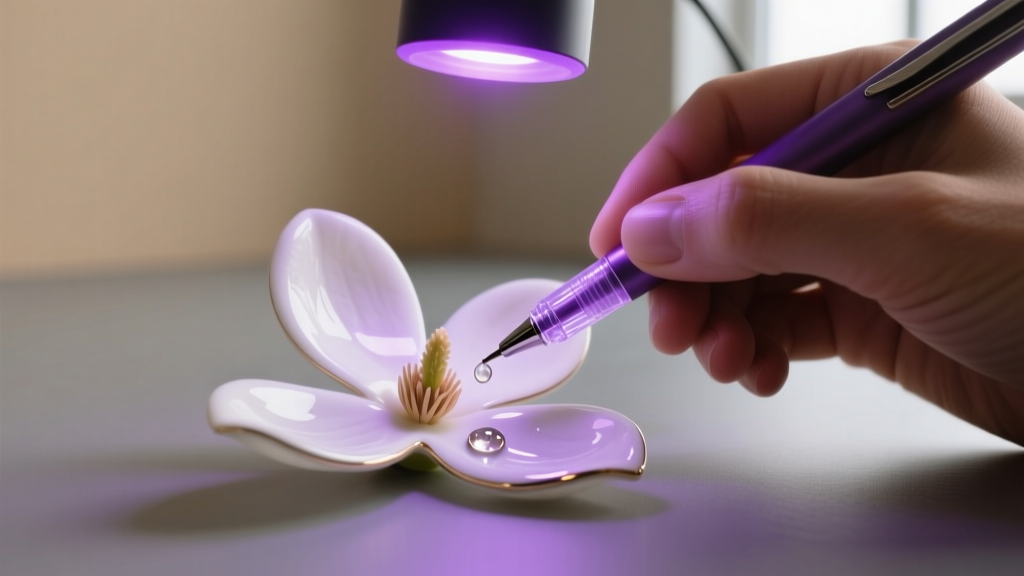
- The Fix: Never use ultrasonic technology on enameled botanical pieces. Clean them using a soft, lint-free microfiber cloth and a mild, phosphate-free dish soap solution. For minor chips in cold enamel, a jeweler can color-match and fill the divot using a UV-curing optical resin.
Carved Wood Warping and Splintering
Artisan dogwood earrings are frequently carved from lightweight woods like cherry, maple, or balsa. Wood is hygroscopic, meaning it absorbs and releases moisture from the air. Rapid changes in humidity cause the wood cells to expand and contract, leading to warping, cracking, or splitting along the delicate petal veins.
- The Problem: Leaving wooden earrings in a humid bathroom or a dry, heated car causes irreversible structural distortion.
- The Fix: Seal unvarnished or lightly oiled wooden dogwood earrings with a microcrystalline wax, such as Renaissance Wax. Apply a microscopically thin layer with a soft brush, let it haze for five minutes, and buff gently. This creates a moisture barrier without altering the natural matte finish of the wood.
Stamped Metal Tarnish in Crevices
Sterling silver dogwood designs often feature deep stamping to mimic the natural veining of the bracts. Over time, sulfur in the air reacts with the copper alloy in sterling silver, creating dark silver sulfide tarnish that becomes trapped in these deep floral crevices.
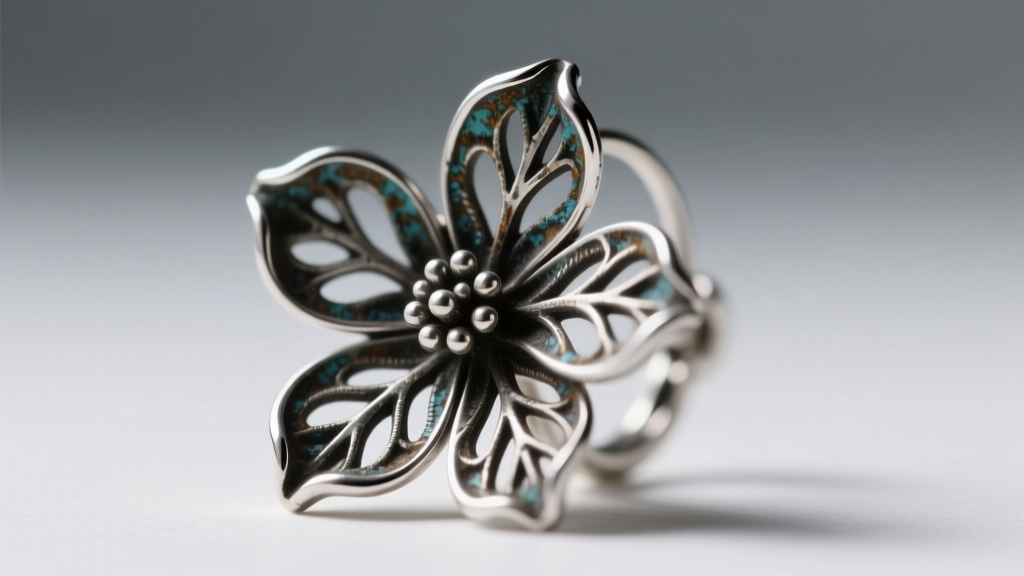
- The Problem: Aggressive polishing with a standard jeweler's cloth removes the intentional dark patina from the recesses, flattening the 3D effect of the flower, while leaving the deepest crevices black.
- The Fix: Use a localized chemical reduction method. Line a glass bowl with aluminum foil, add hot water, a tablespoon of baking soda, and a pinch of salt. Submerge the earrings for exactly 60 seconds. The ion exchange transfers the sulfur from the silver to the aluminum. Rinse immediately in distilled water and dry with compressed air to prevent water spots in the floral grooves.
Structural Fixes: Posts, Wires, and Earlobe Stress
Because dogwood flowers are naturally broad, the earrings tend to have a wider center of gravity. When designed as dangles or drops, this width creates a pendulum effect that places disproportionate stress on the earlobe and the earring's findings. According to the Gemological Institute of America (GIA), improper wire gauge selection is a leading cause of jewelry failure and earlobe tearing.
| Component | Common Failure Mode | Technical Specifications & Solution |
|---|---|---|
| Ear Wires (French Hook) | Wire bends backward, earring falls out. | Upgrade from standard 22-gauge to 20-gauge half-hard sterling silver or niobium wire. Add a 3mm silicone friction back to secure the dangle. |
| Butterfly Clutches | Post pushes through lobe due to heavy floral front. | Replace standard clutches with jumbo 10mm flat-back friction clutches or screw-backs to distribute the weight of the dogwood face across a wider area of the earlobe. |
| Soldered Jump Rings | Ring snaps at the solder joint under pendulum stress. | Ensure the connecting jump ring is soldered closed and has a minimum wire thickness of 1.0mm (18-gauge). Avoid split rings on heavy botanical dangles. |
Step-by-Step Repair: Reattaching a Loose Dogwood Petal
If your dogwood earring features a multi-piece construction where the petals are individually soldered or glued to a central backplate, a drop or snag can easily detach a petal. Here is how to approach the repair without causing secondary heat or chemical damage.
- Assess the Bond: Determine if the petal was originally soldered (look for a silver/gold bead at the joint) or glued (look for a clear or yellowish residue). Never attempt to solder a piece that has adjacent enamel, resin, or heat-sensitive gemstones like opals or pearls.
- Surface Preparation: If glued, use a wooden toothpick dipped in pure acetone to gently dissolve the old adhesive. Do not use metal tools, as they will scratch the silver or gold backplate.
- Adhesive Selection: Avoid cyanoacrylate (Super Glue), which dries brittle and fogs easily. For non-soldered botanical joints, use a two-part jeweler's epoxy (like Devcon 5-Minute Epoxy) or a high-viscosity UV resin for instant curing.
- Application: Apply a microscopic dot of adhesive to the backplate using a 0.5mm silicone tip or a sharpened toothpick. Seat the petal firmly and hold for 60 seconds. Wipe away any squeeze-out immediately with a cotton swab lightly dampened with isopropyl alcohol.
Preventative Maintenance and Storage
The ultimate troubleshooting strategy is prevention. Botanical jewelry requires specific storage conditions to maintain its structural integrity and aesthetic brilliance.
- Isolate the Stigmas: The textured center of the dogwood earring can easily scratch the smooth enamel or polished metal of the petals if stored loosely in a jewelry box. Store each earring individually in a soft, anti-tarnish flannel pouch.
- Post-Care: Always put your dogwood earrings on after applying hairspray, perfume, and lotions. The alcohol and oils in cosmetics can degrade cold enamel resins and accelerate the tarnishing of sterling silver crevices.
- Tension Checks: Every six months, gently inspect the connection point between the dogwood flower and the ear wire. If the jump ring shows any signs of ovaling (stretching into an ellipse shape), take it to a jeweler to be re-rounded and soldered before it snaps.
By understanding the specific material properties and structural demands of botanical designs, you can ensure your dogwood earrings remain a vibrant, blooming fixture in your collection for decades to come.


