Monies Earrings Material Guide: Organic Sculptural Wearability
Explore the unique organic materials in Monies earrings. We compare bone, horn, and recycled silver properties for sensitive ears and daily wear.

The Monies Philosophy: Beyond Traditional Fine Jewelry
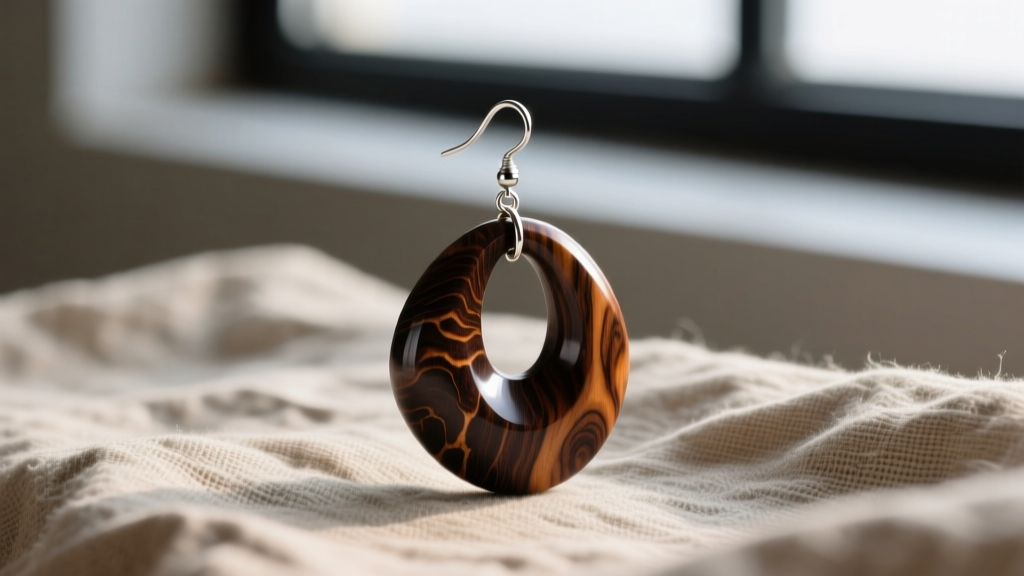
When evaluating luxury ear adornments, the conversation typically revolves around karat gold, platinum, and faceted diamonds. However, the Danish design house Monies has spent decades challenging this paradigm. Founded by Gerda and Nikolai Monies, the brand is globally recognized for its sculptural, oversized, and deeply organic aesthetic. Rather than relying solely on traditional precious metals, Monies earrings frequently incorporate fossilized wood, carved bone, horn, leather, and raw, uncut gemstones.
For the discerning jewelry collector or the everyday wearer, these unconventional materials raise critical questions regarding durability, weight distribution, and piercing health. How do porous organic materials interact with the skin's natural microbiome? Are these heavy-looking sculptural pieces actually comfortable for stretched or standard earlobes? This guide provides a deep-dive material analysis of Monies earrings, comparing their unique organic components against standard fine jewelry benchmarks.
Deep Dive: Organic Materials in Monies Ear Designs
The hallmark of a Monies ear piece is its tactile, earthy presence. Understanding the physical properties of these materials is essential for proper wear and long-term preservation.
Fossilized Wood and Ebony
Monies frequently utilizes petrified (fossilized) wood and dense hardwoods like ebony. Unlike standard timber, which has a specific gravity of roughly 0.4 to 0.7, petrified wood undergoes a permineralization process where organic matter is replaced by silica. This results in a specific gravity of approximately 2.6—making it nearly as heavy as quartz. To maintain wearability, Monies artisans strategically carve hollows, slice the wood into thin cross-sections, or pair it with lightweight structural elements. The Mohs hardness of petrified wood sits around 6.5 to 7, meaning it is highly resistant to scratching but can be brittle if dropped on a hard surface.
Carved Bone and Horn
Carved bone and water buffalo horn are staples in the Monies organic collection. These materials are primarily composed of keratin (in horn) and calcium phosphate (in bone). They are exceptionally lightweight, with a specific gravity hovering around 1.3 to 1.8, allowing for dramatic, oversized drop earrings that do not drag down the earlobe. However, both materials are inherently porous. This porosity gives them a warm, matte luster but also means they can absorb moisture, sebum, and environmental odors if not properly maintained.
Metal Components: Recycled Silver and Gold Alloys
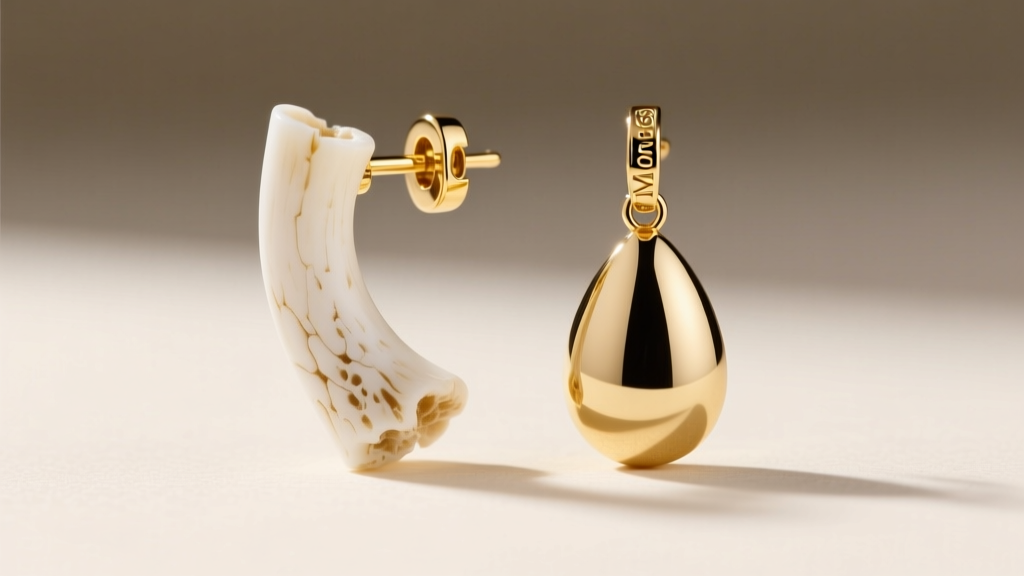
While the focal points of Monies earrings are often organic, the structural components—posts, hooks, and clasps—rely on high-grade metals. The brand is a pioneer in sustainability, heavily utilizing recycled 925 sterling silver and 18k gold.
From a metallurgical standpoint, standard 925 silver contains 92.5% pure silver and 7.5% copper. Copper provides the necessary tensile strength to support heavy organic drops, but it is also the culprit behind silver tarnishing when exposed to sulfur in the air. To combat this and protect sensitive ears, Monies often applies specialized clear coatings or utilizes high-polish finishes on their ear posts. For the most sensitive piercings, the brand occasionally employs 18k gold posts (75% pure gold alloyed with silver and copper), which offer superior hypoallergenic properties and corrosion resistance compared to sterling silver.
Material Comparison Chart: Monies Organics vs. Standard Metals
Understanding how Monies' organic choices stack up against traditional jewelry metals helps set expectations for daily wear and care.
| Material | Mohs Hardness | Porosity | Weight Profile | Piercing Safety (Healed) |
|---|---|---|---|---|
| Fossilized Wood | 6.5 - 7.0 | Non-Porous | Heavy (Requires strategic carving) | Excellent (if post is metal) |
| Carved Bone/Horn | 2.5 - 3.0 | Highly Porous | Very Lightweight | Good (Avoid in unhealed piercings) |
| Recycled 925 Silver | 2.5 - 3.0 | Non-Porous | Moderate | Good (May tarnish, requires polish) |
| 18k Yellow Gold | 2.5 - 3.0 | Non-Porous | Moderate to Heavy | Excellent (Highly biocompatible) |
| Implant Grade Titanium | 6.0 | Non-Porous | Lightweight | Flawless (Industry standard for sensitivity) |
Wearability & Piercing Health: What You Need to Know
Wearing sculptural, organic earrings requires a different approach to piercing health than wearing a simple titanium stud. The Association of Professional Piercers (APP) provides strict guidelines regarding organic materials in body jewelry, which directly apply to how you should wear Monies pieces.
Weight Distribution and Gauge Sizing
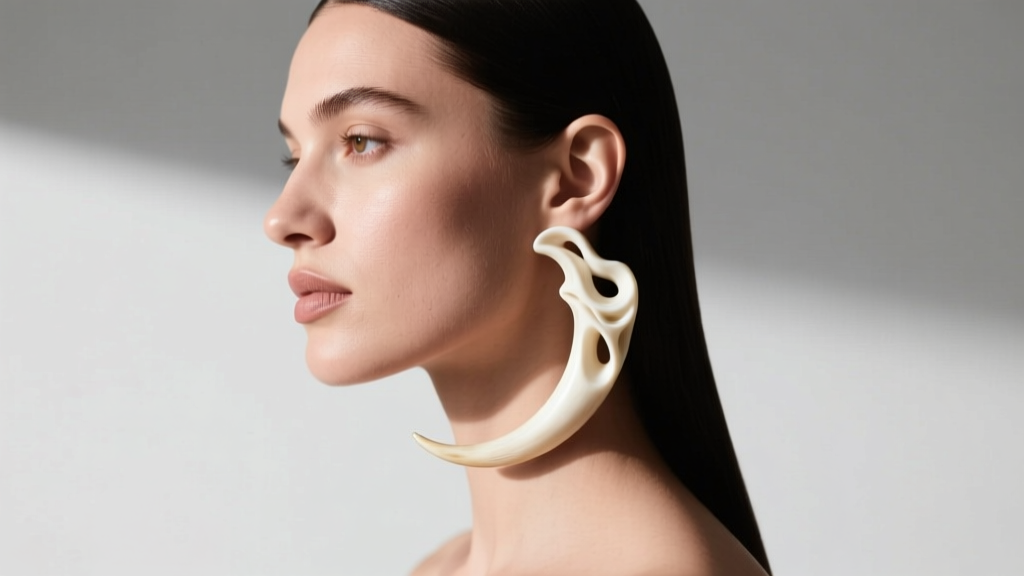
A common misconception is that large Monies earrings are overwhelmingly heavy. Because materials like horn and carved wood are remarkably light, the actual gram weight is often less than a solid brass or thick glass earring of the same size. However, the leverage of a long drop earring can stress the fistula (the piercing channel). To support these sculptural designs, Monies typically utilizes thicker ear wires or posts, often in the 18-gauge (1.0mm) or 16-gauge (1.2mm) range, rather than the flimsy 20-gauge (0.8mm) or 22-gauge (0.6mm) wires found in commercial fashion jewelry. This thicker gauge prevents the metal from bending under the swinging weight of the organic drop.
Porosity and the Microbiome
If your Monies earring features a bone or horn element that passes through the ear (such as a carved huggie or a hoop without a metal barrier), it should only be worn in fully healed piercings. Porous organic materials can harbor bacteria and absorb the skin's natural sebum. In a healing piercing, this can trap pathogens and lead to localized infections. For standard Monies drop earrings where the organic material hangs below a sterling silver or gold hook, this is a non-issue, as only the biocompatible metal touches the fistula.
Care and Maintenance of Sculptural Ear Pieces
Preserving the matte finish and structural integrity of organic Monies earrings requires abandoning traditional jewelry cleaning methods. Ultrasonic cleaners, harsh chemical dips, and alcohol-based wipes will strip the natural oils from bone and horn, leading to micro-cracking and a chalky, degraded appearance.
- Routine Cleaning: Wipe organic components with a slightly damp, lint-free microfiber cloth after wearing, especially in humid climates or after sweating.
- Deep Conditioning: Once every few months, apply a microscopic drop of pure jojoba oil or unrefined shea butter to carved bone and horn. Rub it in with your thumb, let it sit for ten minutes, and buff off the excess. This seals the pores and prevents the material from drying out and splitting.
- Metal Post Care: Use a dedicated silver polishing cloth only on the recycled 925 silver hooks and clasps. Avoid letting the polishing compound touch the organic wood or stone elements, as it can leave a stubborn, dark residue in the natural grooves.
- Storage: Store Monies earrings in a breathable cotton pouch rather than an airtight plastic bag. Organic materials need slight air circulation to prevent trapped moisture from encouraging mold growth on untreated wood or leather elements.
Final Verdict on Material Longevity
Monies earrings represent a masterclass in material juxtaposition. By combining the ancient, tactile warmth of fossilized wood and carved horn with the structural reliability of recycled precious metals, the brand creates ear pieces that are as much sculptural art as they are wearable accessories. While they demand a more mindful, gentle cleaning regimen than a standard pair of diamond studs, the payoff is a lightweight, deeply unique, and biocompatible adornment that ages beautifully alongside the wearer.


