The Ultimate Guide to Earrings of the 90s: Styles & Revival
Discover the ultimate guide to earrings of the 90s. Learn about grunge hoops, minimalist studs, vintage materials, and how to style them today.

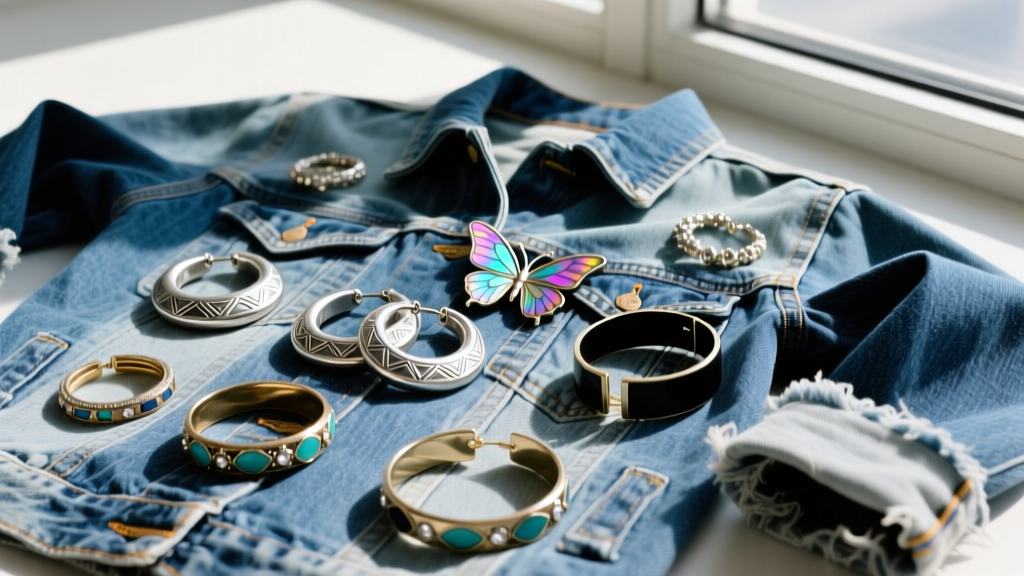
The fashion world operates on a cyclical timeline, and the current revival of 1990s aesthetics has brought a massive resurgence in the decade's signature jewelry. For beginners and seasoned collectors alike, understanding the nuances of earrings of the 90s requires more than just a trip to a fast-fashion retailer. It demands a look back at the cultural movements that shaped the era, the specific materials used in mall kiosks and high-end boutiques, and how to safely integrate these vintage pieces into a modern ear stack. Whether you are drawn to the raw edge of grunge, the sleek lines of supermodel minimalism, or the playful pop culture motifs of the late decade, this comprehensive guide will help you navigate the technical and stylistic elements of 90s ear jewelry.
The Three Core Aesthetics of 90s Ear Jewelry
The 1990s was not a monolith; it was a decade defined by sharply contrasting subcultures. When sourcing vintage pieces or modern reproductions, it helps to categorize them into three distinct aesthetic pillars.
1. Grunge and Punk Revival
Popularized by the Seattle music scene and figures like Kurt Cobain and Courtney Love, grunge jewelry was inherently anti-establishment. The hallmark of this style was the repurposing of industrial and utilitarian hardware into body jewelry. Safety pins, ball-chain pendants, and thick, unpolished wire hoops were ubiquitous. In the 90s, these were often crafted from cheap, nickel-heavy base metals or 'pot metal' that tarnished quickly. Today, the grunge aesthetic is best achieved using 316L surgical steel or ASTM F136 implant-grade titanium, which mimics the industrial look without triggering contact dermatitis.
2. Supermodel Minimalism
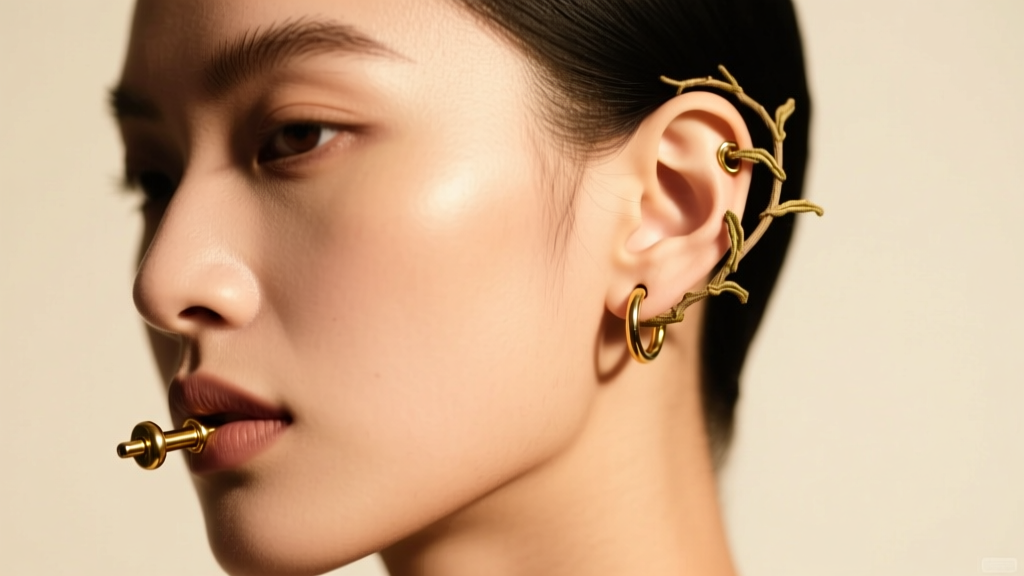
On the opposite end of the spectrum was the 'less is more' approach championed by style icons like Carolyn Bessette-Kennedy and Kate Moss. This era stripped away the excess of the 80s, favoring delicate 14k or 18k gold huggies (typically 5mm to 7mm in diameter), ultra-thin wire threaders, and single diamond or cubic zirconia solitaire studs. The focus was on high-quality materials and precise, understated craftsmanship that caught the light subtly.
3. Late-90s Pop and Y2K Precursors
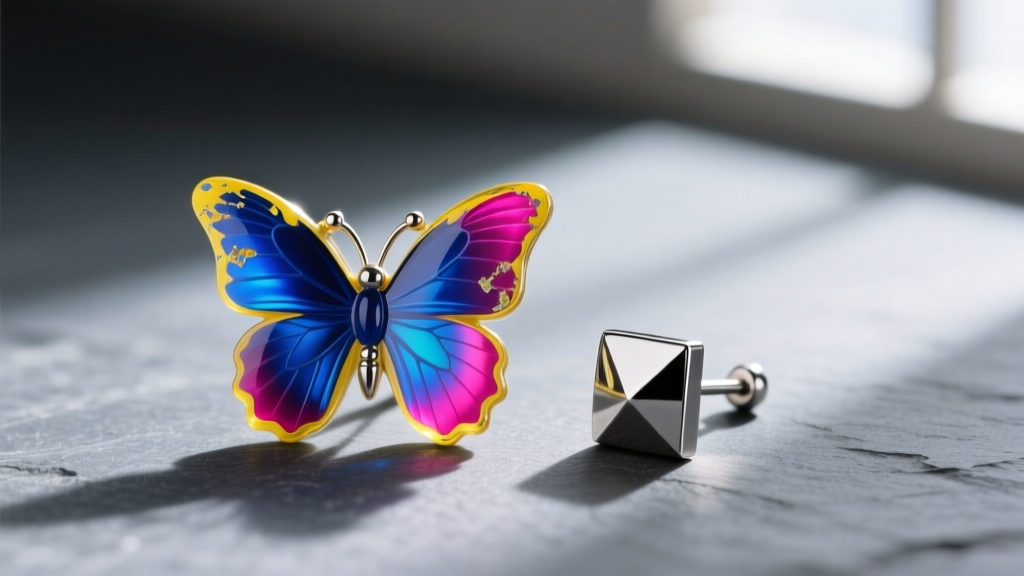
As the decade closed, the rise of teen pop and the impending Y2K craze introduced a wave of playful, synthetic jewelry. Butterfly motifs, acrylic charms, velvet chokers with dangling pendants, and non-pierced ear cuffs dominated mall stores like Claire's and Hot Topic. These pieces were highly accessible but structurally fragile, making authentic surviving pieces from this specific micro-era highly sought after by collectors today.
Material Grades and Gauge Sizes: Then vs. Now
One of the most critical mistakes beginners make when buying vintage 90s earrings is ignoring the metallurgical and structural realities of older jewelry. The manufacturing standards of the 1990s were vastly different from the stringent biocompatibility standards we follow today. According to the Association of Professional Piercers (APP), modern body jewelry should prioritize implant-grade materials to prevent tissue rejection and allergic reactions. Below is a technical breakdown comparing 90s standards to modern best practices.
| Feature | 1990s Standard | 2026 Best Practice |
|---|---|---|
| Lobe Wire Gauge | 22g (0.6mm) or 20g (0.8mm), often bending easily. | 18g (1.0mm) or 16g (1.2mm) for structural integrity. |
| Base Metals | Nickel-brass alloys, 'pot metal', low-karat gold plating over copper. | ASTM F136 Titanium, 316L Steel, or solid 14k/18k Gold. |
| Ear Cuff Tension | Thin 24g wire that lost tension and fell off easily. | 18g to 16g wire with adjustable, memory-retaining alloys. |
| Acrylics/Resins | Standard PMMA acrylic, prone to micro-cracking and yellowing. | UV-stabilized resin or bio-compatible glass for longevity. |
Note on Vintage Safety Pins: Authentic 90s safety pin earrings were often 18g or 16g, which is thicker than the standard 20g lobe piercing. Forcing a thick, non-tapered vintage pin through a standard lobe can cause micro-tears. Always use a steel taper to gently stretch the piercing before inserting thick vintage hardware.
How to Curate a 90s Ear Stack Today
While the 90s popularized the concept of multiple ear piercings, the era's approach to stacking was often haphazard. Today, we apply modern curation frameworks to vintage pieces to create a balanced, intentional look. As noted by fashion historians at Harper's Bazaar, the key to reviving retro trends is contrasting them with contemporary styling techniques.
The Rule of Visual Weight
If you are wearing a heavy, grunge-inspired industrial barbell or a thick silver hoop in your primary lobe piercing, balance the upper ear with delicate minimalism. Pair a chunky 90s 12mm silver hoop with a modern, flush-set 14k gold helix stud. This prevents the ear from looking visually cluttered and allows the vintage statement piece to stand out.
Mixing the Decades
Do not feel obligated to wear a full 90s costume. The most sophisticated ear stacks mix a foundational vintage piece with modern anatomical jewelry. For example, use an authentic 1990s butterfly clip-on or ear cuff on the outer helix, while keeping the lobes grounded with contemporary, high-polish titanium huggies. This bridges the gap between nostalgic novelty and high-end jewelry styling.
Sourcing Authentic Vintage vs. Modern Reproductions
The market is currently flooded with '90s-inspired' fast fashion. If your goal is to collect authentic earrings of the 90s, you must know how to authenticate age and origin.
- Check the Patina and Wear: Authentic 90s base metal jewelry will show specific wear patterns. Look for brass bleeding through worn gold plating, particularly on the friction points of earring posts and butterfly backs.
- Acrylic Yellowing: Genuine 90s clear or white acrylic pieces will often exhibit a slight yellow or amber tint due to decades of UV exposure and oxidation. Modern reproductions use UV-stabilized plastics that remain stark white.
- Maker's Marks and Hallmarks: High-end 90s minimalist pieces from designers like Elsa Peretti (Tiffany & Co.) or David Yurman will feature distinct, deeply stamped hallmarks (e.g., '925', '750', or specific copyright symbols) that differ from the laser-etched, shallow marks used in modern mass production.
- The 'Fishhook' Wire: Many authentic 90s dangle earrings utilized a very specific, thin 'fishhook' wire with a small spherical bead at the base of the hook to prevent the earring from slipping out. This design was largely phased out in the 2000s in favor of secure lever-backs or friction posts.
Caring for Decades-Old Jewelry
Vintage 90s jewelry requires specialized care to preserve its structural integrity and historical value. Never use ultrasonic cleaners on 90s acrylics, resin, or glued-in rhinestones, as the high-frequency vibrations will shatter the brittle, aged plastics and dissolve vintage adhesives.
For base metals and silver, avoid harsh chemical dips. Instead, use a mild, phosphate-free dish soap and a soft-bristled baby toothbrush to gently lift decades of sebum and oxidized tarnish from intricate crevices. If you plan to wear vintage base-metal pieces in standard piercings, consider having a professional jeweler swap the original 90s post for a modern, hypoallergenic titanium or 14k gold post, preserving the vintage aesthetic while protecting your skin from nickel exposure.


