Valentine's Day Earrings: Troubleshooting Gifting Mistakes in 2026
Avoid gifting disasters with our 2026 troubleshooting guide to Valentine's Day earrings. Solve allergy, gauge, and weight issues before you buy.

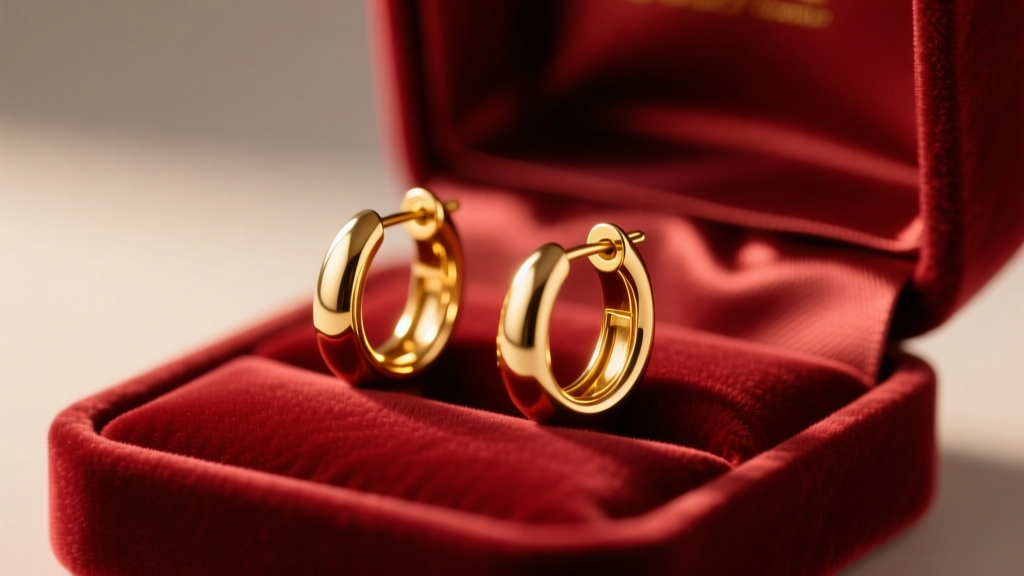
Valentine’s Day is a high-stakes gifting holiday, and earrings often seem like the perfect, universally appreciated gift. However, beneath the romantic packaging lie metallurgical landmines and anatomical mismatches that can turn a thoughtful gesture into an uncomfortable disaster. Gifting the wrong metal can trigger severe contact dermatitis, while ignoring gauge sizes or weight limits can lead to painful tearing or immediate rejection. In 2026, discerning recipients are more educated about body jewelry safety than ever before. This comprehensive troubleshooting guide will help you diagnose and avoid the most common Valentine's Day earring gifting mistakes, ensuring your gift is both beautiful and biologically compatible.
The 4 Most Common Valentine's Day Earring Gifting Disasters
Before diving into solutions, we must identify the primary failure modes associated with gifting fine jewelry. Based on return data and dermatological reports, these are the top four reasons Valentine's Day earrings end up in the exchange pile:
- The Allergic Reaction: Gifting jewelry containing hidden nickel, resulting in itchy, swollen, or weeping earlobes within 24 hours.
- The Gauge Mismatch: Purchasing standard 20-gauge studs for a recipient whose cartilage piercings are stretched to 16-gauge, causing the earring to slip out or the hole to shrink painfully.
- The Lobe Drag: Gifting heavy, stone-laden dangle earrings to someone with thin or aging earlobes, causing micro-tears and permanent sagging.
- The Clasp Failure: Choosing friction-backed (butterfly) clasps for heavy drops, leading to lost earrings and frustration.
Troubleshooting Metal Allergies & Sensitivities
The most frequent gifting disaster is the nickel allergy. According to the American Academy of Dermatology, nickel allergy is the leading cause of allergic contact dermatitis, affecting up to 18% of the population. Many well-meaning gift buyers purchase "surgical steel" or "white gold," unaware of the hidden allergens within these alloys.
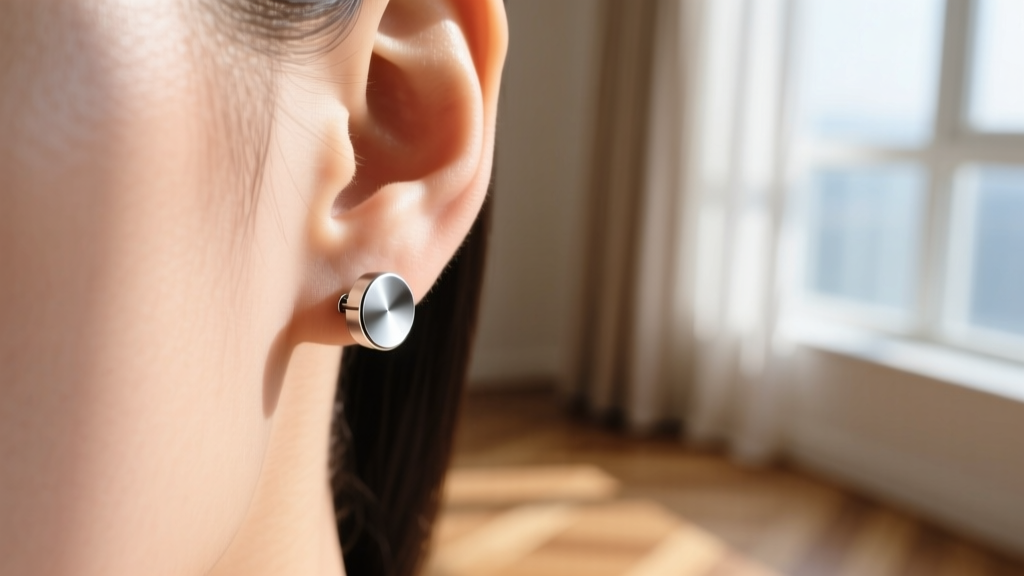
The "Surgical Steel" Trap
The term "surgical steel" is largely unregulated in the fashion jewelry market. Most commonly, it refers to 316L stainless steel, which contains between 8% and 10% nickel. While the nickel is bound within the alloy, prolonged exposure to sweat and skin oils can cause it to leach out, triggering a reaction. The Fix: Always look for Implant-Grade Titanium (ASTM F138). This specific medical standard guarantees the metal is entirely nickel-free and biocompatible, making it the safest choice for sensitive ears.
The White Gold Warning
White gold is a classic Valentine's Day choice, but traditional white gold is alloyed with nickel to achieve its silver-like color. Even if the piece is rhodium-plated, micro-abrasions will eventually expose the nickel-rich alloy beneath. The Fix: If your recipient prefers silver-toned metals, opt for Platinum, Palladium, or specifically seek out Nickel-Free White Gold (alloyed with palladium or silver instead of nickel). The Gemological Institute of America (GIA) provides excellent resources on understanding gold alloys and their potential allergens.
Piercing Anatomy: Why "One Size Fits All" Fails
Earrings are not one-size-fits-all. The thickness of the earring post (the gauge) and the length of the post must match the specific piercing anatomy. Gifting a standard lobe stud to someone who primarily wears cartilage jewelry will result in a poor fit. The Association of Professional Piercers (APP) outlines strict standards for jewelry sizing that you should mirror when shopping.
| Piercing Type | Standard Gauge | Typical Post Length | Safe Valentine's Styles |
|---|---|---|---|
| Standard Lobe | 20g (0.81mm) or 18g (1.02mm) | 6mm - 8mm | Studs, small hoops, huggies, ear jackets |
| Helix / Cartilage | 16g (1.29mm) or 14g (1.63mm) | 6mm - 8mm | Flat-back labrets, cartilage cuffs, clickers |
| Tragus / Conch | 16g (1.29mm) | 6mm - 8mm | Flat-back gems, subtle threadless ends |
| Stretched Lobes | 14g to 00g+ | Varies | Lightweight hanging hooks, specialized plugs |
Troubleshooting Tip: If you have access to her jewelry box, use a digital caliper to measure the post thickness of her most-worn earrings. If you cannot measure, a high-quality 18-gauge (1.02mm) solid gold or titanium stud is the most universally compatible size for standard lobe piercings.
Weight & Tension: Preventing the "Lobe Drag" Effect
Heavy, dramatic dangle earrings look stunning in a display case, but they can wreak havoc on the earlobe over time. Earlobes are composed of adipose (fat) tissue and skin, lacking the structural cartilage found in the upper ear. When an earring exceeds 7 grams, gravity begins to pull the piercing downward. Over time, this "lobe drag" stretches the piercing channel, leading to permanent sagging or even splitting.
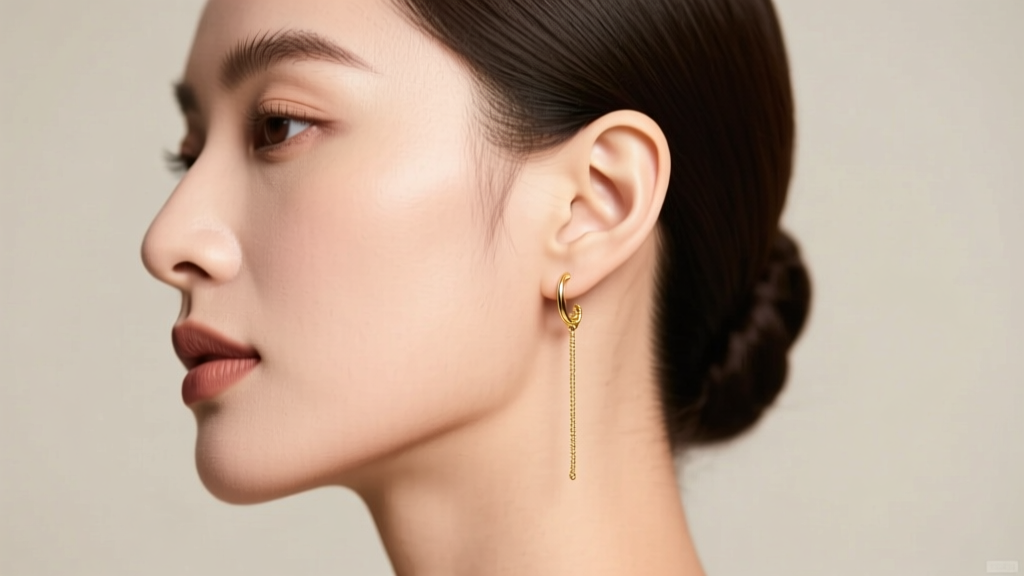
Lightweight Alternatives for Heavy Styles
If your recipient loves the look of long, dramatic earrings, troubleshoot the weight issue by selecting alternative designs:
- Titanium Dangles: Titanium is roughly 45% lighter than stainless steel and brass, allowing for larger, more dramatic silhouettes without the punishing weight.
- Ear Jackets & Climbers: These styles distribute the visual weight and physical mass across the outer curve of the ear or the back of the lobe, rather than hanging entirely from the piercing hole.
- Hollow Tube Hoops: Large-diameter hoops made from hollow-formed 14k gold provide maximum visual impact while remaining featherlight.
The 2026 Valentine's Day Earring Decision Matrix
Use this rapid troubleshooting framework to select the perfect pair based on your recipient's lifestyle and anatomy:
- Does she have known metal sensitivities?
YES: Buy only ASTM F138 Titanium or Platinum.
NO: Proceed to step 2. - Does she primarily wear cartilage jewelry?
YES: Buy a 16g flat-back labret stud or a hinged segment ring (clicker).
NO: Proceed to step 3. - Does she prefer minimalist, everyday wear?
YES: Buy 14k solid gold huggie hoops or bezel-set diamond threaders.
NO: Proceed to step 4. - Does she love statement pieces?
YES: Buy lightweight ear jackets or hollow-tube gold hoops (under 5g per ear).
What to Do If You Already Bought the Wrong Pair
If you are reading this on February 13th and realize the diamond drops you purchased are too heavy or the white gold contains nickel, do not panic. Implement these immediate damage-control strategies:
1. Upgrade the Backings
If the earrings are too heavy and the friction backs are slipping, purchase silicone earring lifters or O-ring security backs. These wide, supportive discs distribute the weight of the earring across a broader surface area of the back of the lobe, providing structural support and preventing the earring from drooping forward.
2. The Rhodium Plating Buffer
If you bought nickel-alloyed white gold and cannot return it in time, take the earrings to a local jeweler for a fresh, heavy coat of rhodium plating. While this is a temporary fix (the plating will eventually wear off), it provides a complete physical barrier between the nickel alloy and the skin, buying you several months of safe wear while you plan a permanent upgrade.
3. Prioritize the Exchange Policy
If the metal is fundamentally incompatible (e.g., she is highly allergic and the piece is 316L steel), do not gift it. Present a beautifully wrapped "placeholder" card detailing the exact earrings you intend to buy together, turning a potential gifting failure into an intimate, collaborative shopping experience. In the world of fine jewelry, safety and comfort will always outshine the initial surprise.


