Last Supper Earrings Care: Cleaning & Maintenance
Learn how to safely clean, store, and maintain your Last Supper earrings. Expert tips for protecting delicate enamel, resin, and metal frames.

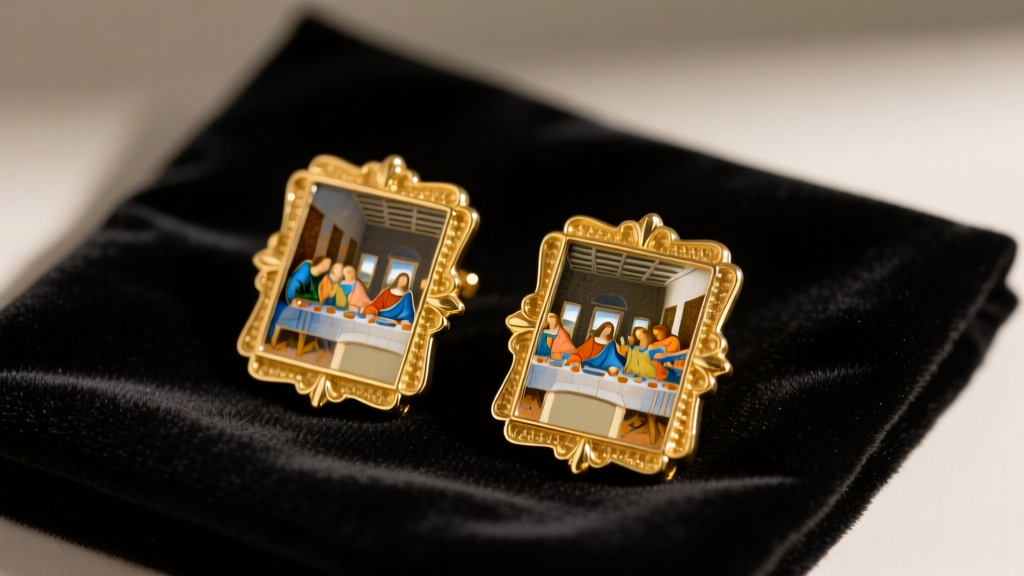
The Unique Anatomy of Artistic Religious Earrings
Last Supper earrings are a striking intersection of devotional art and wearable jewelry. Typically featuring Leonardo da Vinci’s iconic 15th-century mural, these earrings are crafted using a variety of delicate techniques. Artisans generally employ one of three methods to capture the masterpiece: champlevé enamel (where vitreous glass powder is fired into carved metal recesses), cold-painted enamel (an epoxy-based resin painted by hand), or a micro-print sealed beneath a magnifying polyurethane resin dome. The bezels and ear wires are most commonly forged from 925 sterling silver, gold-plated brass, or solid 14k gold.
Because these earrings combine highly sensitive artistic surfaces with reactive metals, they require a specialized maintenance regimen. Standard jewelry cleaning practices—such as ultrasonic baths or harsh chemical dips—will instantly destroy the delicate artwork. As of 2026, modern conservation standards dictate a much gentler, highly specific approach to preserving both the structural integrity and the vivid coloration of these miniature masterpieces.
Daily Wear and Environmental Hazards
Before diving into the cleaning process, it is crucial to understand the environmental factors that degrade Last Supper earrings. The primary enemies of these pieces are chemical, mechanical, and photochemical hazards.
- Photo-Oxidation (UV Damage): Prolonged exposure to direct sunlight causes the organic pigments in cold enamel and the micro-prints beneath resin domes to fade. Furthermore, UV radiation accelerates the yellowing of polyurethane resin domes, giving the artwork a sickly, aged tint.
- Chemical Degradation: Perfumes, hairsprays, and lotions contain alcohols and volatile organic compounds (VOCs) that can dissolve the protective topcoat of cold enamel and cause resin domes to develop a cloudy, white haze.
- Sulfide Tarnishing: The sterling silver or brass frames are highly susceptible to hydrogen sulfide in the atmosphere. This reaction creates silver sulfide, a black tarnish that creeps into the intricate crevices of the bezel, obscuring the metalwork and potentially staining the porous edges of the enamel.
- Thermal Shock: Sudden temperature changes (such as stepping from a freezing winter street into a heated room) can cause the metal frame to expand or contract faster than the glass enamel, leading to microscopic cracking known as crazing.
Step-by-Step Cleaning Guide for Enamel and Resin
According to guidelines established by the Victoria and Albert Museum, historical and artistic jewelry must be cleaned using the least invasive methods possible. When your Last Supper earrings accumulate skin oils, dust, or cosmetic residue, follow this meticulous cleaning protocol.
What You Will Need
- Distilled water (never tap water, as chlorine and hard minerals will leave permanent spotting on resin)
- pH-neutral, phosphate-free dish soap (e.g., Dawn Free & Clear)
- Lint-free microfiber cloths
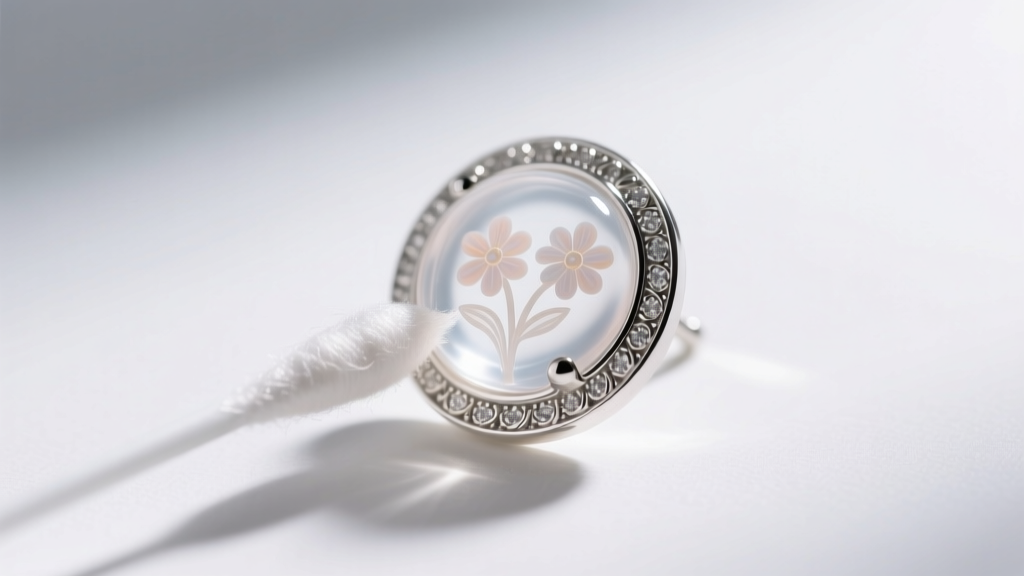
- Pointed cotton swabs (for precision bezel cleaning)
- A soft-bristled, unused makeup blending brush
The Cleaning Process
- Prepare the Solution: Mix three drops of pH-neutral soap into a small bowl of lukewarm distilled water. Ensure the water is room temperature to prevent thermal shock to the enamel.
- Dry Dusting: Before introducing moisture, gently sweep the surface of the earring with the soft makeup brush to remove loose abrasive dust particles that could cause micro-scratches during the wet wash.
- Precision Swabbing: Dip a cotton swab into the soapy solution and dab it on a paper towel to remove excess moisture. Gently roll the damp swab along the metal bezel and the ear wire. Avoid pressing hard against the seam where the metal meets the resin or enamel, as trapped moisture can cause the adhesive to fail.
- Surface Wiping: Dampen a corner of your microfiber cloth with the solution and lightly wipe the face of the artwork. Do not scrub. For resin domes, use a gentle circular motion to lift oils without creating friction heat.
- Rinsing and Drying: Dampen a fresh cloth with pure distilled water and wipe away any soap residue. Immediately dry the earrings thoroughly with a dry section of the microfiber cloth. Use a dry cotton swab to wick away any remaining moisture trapped in the crevices of the ear wire clutch or bezel prongs.
Material-Specific Maintenance Matrix
Different manufacturing techniques require vastly different maintenance approaches. Refer to the table below to identify your earring type and apply the correct care strategy.
| Material Type | Primary Vulnerability | Safe Cleaning Agents | Strictly Avoid |
|---|---|---|---|
| Vitreous Enamel (Glass) | Thermal shock, physical chipping | Mild soap, distilled water, soft cloth | Ultrasonic cleaners, steamers, hard brushes |
| Cold Enamel (Epoxy) | Solvent dissolution, scratching | Damp microfiber, dry polishing | Alcohol, ammonia, silver dip liquids |
| Resin Dome over Print | UV yellowing, moisture delamination | Distilled water, UV-blocking storage | Prolonged sun exposure, submerged washing |
| Sterling Silver Frame | Sulfide tarnish, humidity oxidation | Polishing cloth, anti-tarnish strips | Baking soda paste, toothpaste, bleach |
Proper Storage to Prevent Micro-Scratches and Fading
How you store your Last Supper earrings when they are not being worn is just as critical as how you clean them. The Gemological Institute of America (GIA) emphasizes that improper storage is the leading cause of preventable damage in multi-material jewelry.
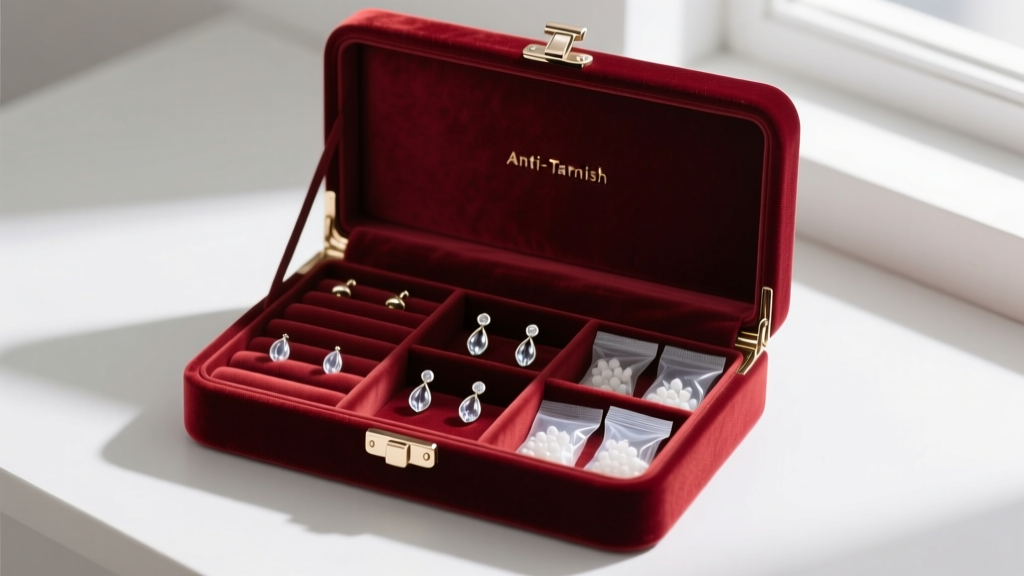
Never toss these earrings into a communal jewelry box where they can collide with harder gemstones like diamonds or sapphires, which will easily scratch the resin or enamel surface. Instead, store them individually in soft, acid-free flannel pouches. To combat tarnish on the metal frames, place a 3M anti-tarnish strip inside the storage container. These strips utilize active copper particles to absorb and neutralize atmospheric sulfur compounds before they can react with your silver or brass.
For collectors living in high-humidity climates, consider storing your earrings in an airtight acrylic box alongside a small silica gel desiccant packet. Maintaining a relative humidity (RH) below 40% will drastically slow the oxidation process and prevent moisture from seeping beneath the resin dome, which is a common cause of the dreaded 'white haze' effect.
Troubleshooting Common Issues
Expert Insight: If your resin-domed Last Supper earrings have developed a cloudy, white film underneath the dome, the adhesive seal has likely been compromised by moisture or harsh chemicals. Do not attempt to bake or heat the earrings to evaporate the water, as this will melt the adhesive and ruin the micro-print. Consult a professional jeweler who specializes in resin casting for a potential dome replacement.
If the sterling silver frame has developed heavy, black tarnish in the deep crevices of the bezel, avoid using liquid silver dips. These dips contain thiourea, a toxic chemical that will strip the color from cold enamel and permanently cloud resin. Instead, use a dry, treated silver polishing cloth (such as a Sunshine cloth) and gently buff only the exposed metal surfaces, taking extreme care not to overlap onto the artistic centerpiece.
When to Seek Professional Restoration
While routine cleaning and careful storage will keep your Last Supper earrings pristine for decades, certain issues require professional intervention. If the enamel begins to flake or lift from the metal backing, or if the ear wire solder joint becomes loose, stop wearing the earrings immediately. A master jeweler or a specialized antiquities conservator can re-adhere the enamel using museum-grade, reversible conservation adhesives that will not damage the original artwork. By treating these pieces not just as accessories, but as miniature wearable artifacts, you ensure that the beauty and spiritual significance of the Last Supper design endures for generations to come.


