A Beginner's Guide to Buying Diamond and Sapphire Earrings
Learn how to choose, grade, and style diamond and sapphire earrings. Our beginner-friendly guide covers gem quality, metals, and pricing tiers.

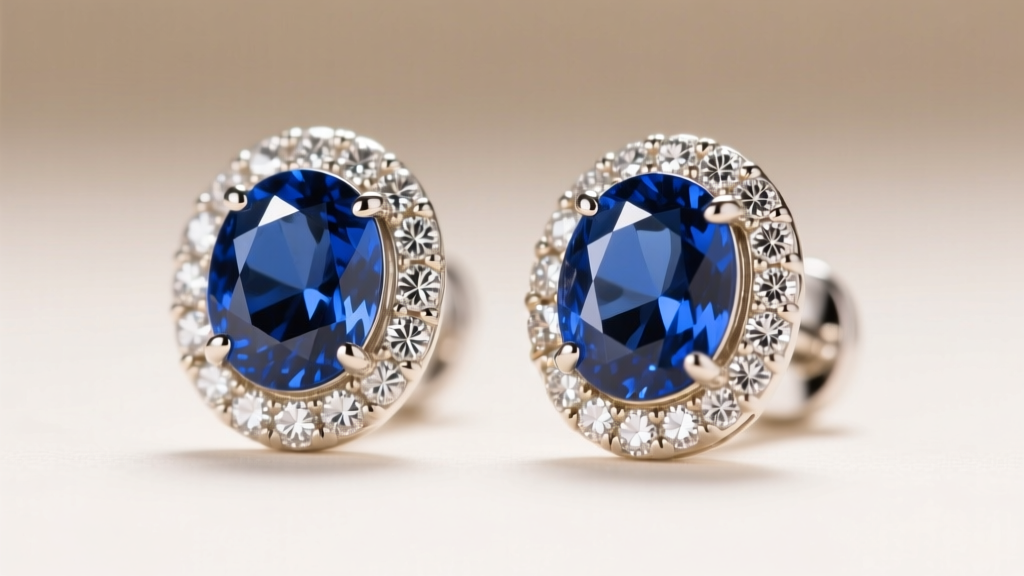
Why Diamond and Sapphire Earrings Are a Timeless Investment
When it comes to building a fine jewelry collection, few combinations offer the versatility, durability, and sheer elegance of diamond and sapphire earrings. The pairing of carbon-crystallized diamonds with corundum-based sapphires creates a striking contrast that works for everything from daily office wear to black-tie events. However, for beginners, navigating the gemological jargon, pricing structures, and setting mechanics can feel overwhelming. This guide breaks down the exact specifications you need to look for, ensuring you make a confident, informed purchase without overpaying for unnecessary grades.
Decoding the Gemstones: What Beginners Must Know
Unlike buying a diamond engagement ring where the center stone demands absolute perfection, earrings require a slightly different strategic approach. Because they are viewed from a distance and in constant motion, you can optimize your budget by prioritizing specific traits over others.
Sapphire: Evaluating Color, Clarity, and Origin
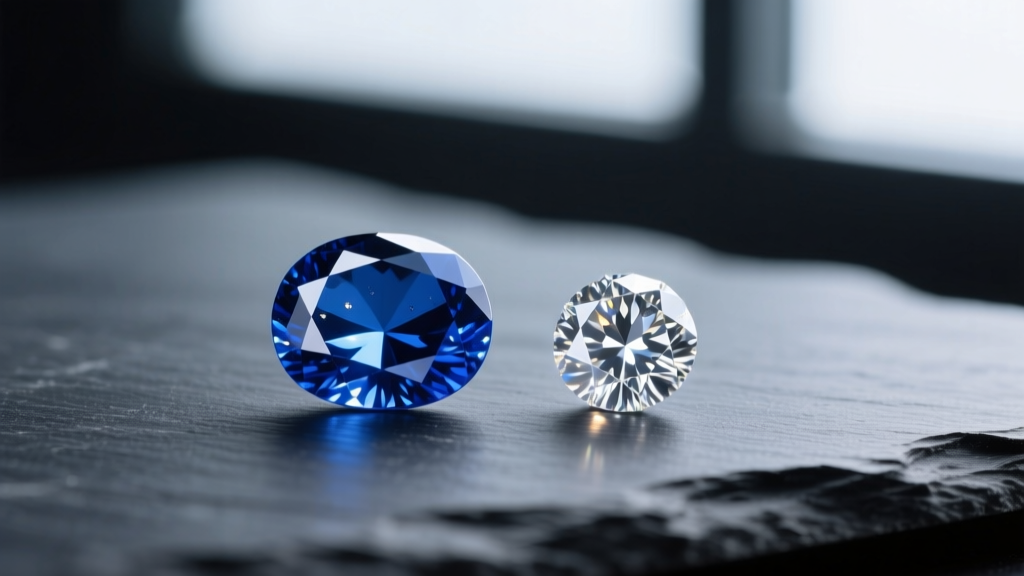
Sapphires rank a 9 on the Mohs hardness scale, making them exceptionally durable for daily wear. When evaluating sapphires for earrings, color is the primary driver of value. According to the Gemological Institute of America (GIA), the most prized sapphires possess a vivid, medium-dark tone.
- Ceylon (Sri Lanka): Known for bright, cornflower blues that catch the light beautifully in stud settings.
- Montana (USA): A rising trend in 2026, these sapphires offer unique teal and greenish-blue hues, appealing to buyers seeking non-traditional, earthy aesthetics.
- Heat Treatment: Over 90% of commercial sapphires are heat-treated to improve color and clarity. This is a permanent, industry-accepted practice. However, 'unheated' sapphires with natural, vibrant color command a massive premium and are strictly for investment-grade buyers.
Beginner Tip: Avoid 'glass-filled' or 'fracture-filled' sapphires. These are low-quality stones injected with lead-glass to hide cracks. They are highly unstable and can be destroyed by standard jewelry cleaning solutions or a jeweler's torch.
Diamonds: The Perfect Supporting Act
Whether your diamonds serve as a micro-pavé halo or share the spotlight in a three-stone drop, their quality should complement the sapphire without inflating the price. The GIA Diamond Grading System is the gold standard, but here is how to hack it for earrings:
- Cut: Never compromise here. An 'Excellent' or 'Ideal' cut ensures the diamonds sparkle even in dim lighting.
- Color: G-H (Near Colorless) is the sweet spot. Once set in white gold or platinum, the naked eye cannot distinguish G-H from D-F (Colorless) stones, saving you up to 30%.
- Clarity: SI1 to VS2 is perfectly adequate for earring accents. Inclusions in these ranges are invisible to the naked eye, especially in stones under 0.25 carats.
Metal Pairings and Setting Mechanics
The metal you choose dramatically alters the visual temperature of your diamond and sapphire earrings. Furthermore, the setting style dictates both the security of the stones and how they sit on your earlobe.
| Metal Choice | Visual Effect | Best Sapphire Pairing | Durability Note |
|---|---|---|---|
| Platinum (950) | Cool, bright, hypoallergenic | Deep Royal Blue | Extremely durable; develops a patina over time. |
| 18k White Gold | Crisp, reflective (requires rhodium plating) | Cornflower / Ceylon Blue | Hard, but rhodium plating will need re-dipping every 1-3 years. |
| 14k Yellow Gold | Warm, vintage contrast | Teal / Montana / Green | Excellent scratch resistance; enhances warm skin tones. |
| 14k Rose Gold | Soft, romantic, modern | Pink / Padparadscha | Copper alloy adds strength but may cause reactions for sensitive ears. |
Martini vs. Basket Settings
For stud earrings, you will typically encounter two setting styles. The martini setting features three or four prongs that taper down to a sharp point. This design allows maximum light to enter the stone from the sides, enhancing brilliance, but it sits higher on the ear and can snag on hair. The basket setting features a horizontal metal band connecting the prongs, creating a lower profile that sits flush against the earlobe. For active lifestyles or daily wear, the basket setting is vastly superior for security and comfort.
Choosing Your Earring Silhouette
The silhouette of your earrings should complement both your face shape and your lifestyle.
- Classic Studs: The ultimate everyday essential. A 4mm or 5mm round sapphire surrounded by a 0.25ctw diamond halo offers a 10mm visual spread, giving you the look of a massive stone without the heavy weight or prohibitive cost.
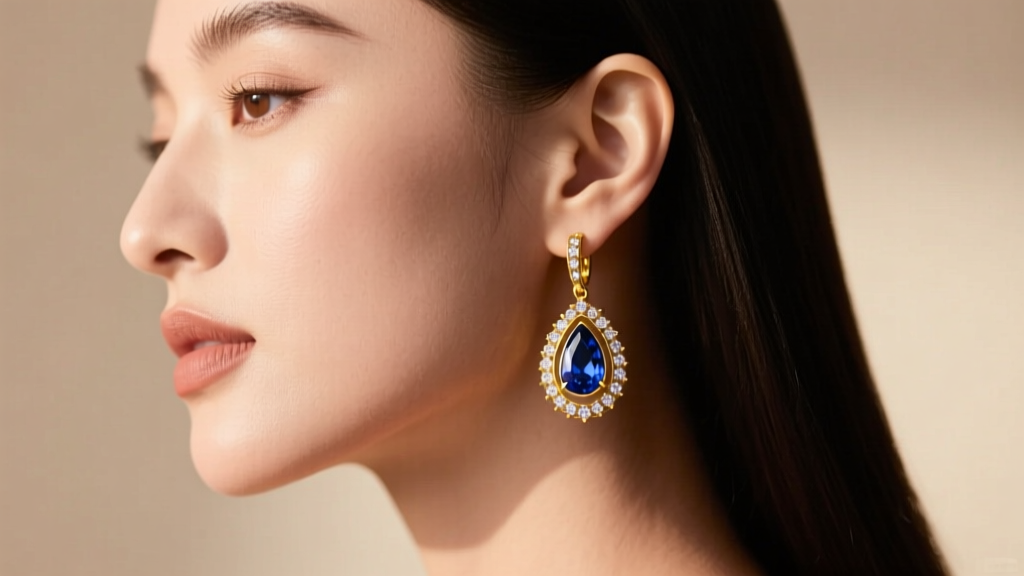
- Drop Earrings: Featuring a stationary top (usually a diamond) and a dangling bottom (the sapphire). These are ideal for oval and round face shapes as they create a lengthening visual line.
- Huggies with Charms: A modern 2026 trend. Small, hinged hoops that 'hug' the earlobe, featuring a detachable sapphire and diamond charm. This offers a 2-in-1 versatility for beginners building a capsule jewelry wardrobe.
The Pricing Matrix: What to Expect
Understanding market pricing prevents you from falling for inflated retail markups. Here is a realistic breakdown of what you should expect to pay for natural, ethically sourced diamond and sapphire earrings in the current market:
- Entry-Level ($400 - $900): Features lab-grown diamond accents (identical chemical composition to mined), heated commercial-grade sapphires, and 10k or 14k gold settings. Excellent for fashion-forward buyers on a budget.
- Mid-Tier Fine Jewelry ($1,200 - $3,500): The sweet spot for most buyers. Includes natural, heat-treated Ceylon or Australian sapphires with good saturation, VS-clarity natural or premium lab diamonds, and 14k/18k gold or platinum settings.
- Investment & Luxury ($4,500 - $15,000+): Reserved for unheated, GIA/AGL-certified Kashmir or Burmese sapphires, paired with D-E color, VVS-clarity natural diamonds, and heavy platinum mountings.
Care, Maintenance, and Real-World Wearability
While diamonds and sapphires are incredibly hard, the metal settings and the oils from your skin require routine maintenance to keep the stones sparkling.
Expert Warning: Never put your earrings in an ultrasonic cleaner without verifying the sapphire's treatment history. While heat-treated sapphires and diamonds handle ultrasonic vibrations perfectly, fracture-filled sapphires or stones with heavy liquid inclusions can shatter or cloud permanently.
The Safe Cleaning Method: Mix a few drops of mild, degreasing dish soap (like Dawn) in a bowl of warm water. Let the earrings soak for 15 minutes to break down lotion and sebum buildup. Gently scrub the underside of the settings with a baby-soft toothbrush, rinse under lukewarm water, and pat dry with a lint-free microfiber cloth.
Finally, perform the 'tug test' every six months. Gently run a cotton swab over the prongs of your diamond and sapphire earrings. If the cotton catches on a prong, the metal has lifted and the stone is at risk of falling out. Take them to a jeweler immediately for a complimentary prong-tightening.


