Earrings Frog Motifs: A Budget & Fine Value Assessment
Discover the true value of frog motif earrings. We compare budget alloys to fine 14k gold, analyzing material grades, pricing, and long-term wear.

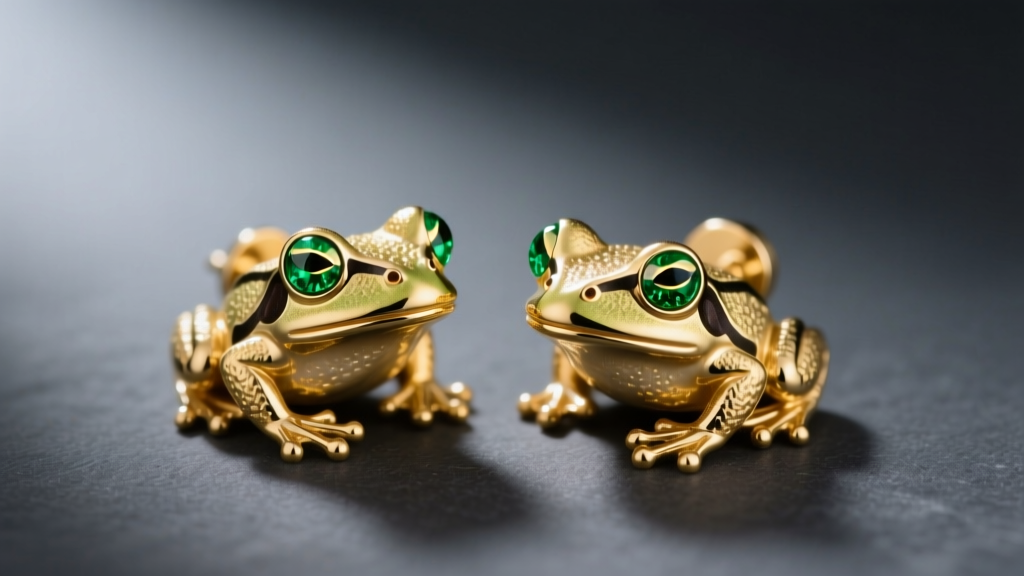
The Amphibian Aesthetic: Beyond the Novelty Bin
When assessing the intersection of whimsical design and serious metallurgy, the amphibian motif occupies a fascinating space in the jewelry market. While the average consumer might type "earrings frog" into a search engine expecting to find cheap plastic toys or novelty costume jewelry, the fine and artisan jewelry sectors have embraced the frog as a symbol of rebirth, adaptability, and hidden wealth. Tracing back to ancient Mesoamerican jade carvings and Victorian sentimental symbolism, frog motifs require a high degree of craftsmanship to execute correctly. The challenge for modern buyers in 2026 is separating genuine horological and jewelry-grade pieces from mass-produced, low-quality trinkets that degrade within weeks.
This comprehensive value assessment breaks down the budget, mid-tier, and fine jewelry categories for frog-themed earrings. We will examine material grades, enamel techniques, hardware failure modes, and the true cost-per-wear to help you determine whether a $15 pair of tree frog studs is a fun disposable accessory or if a $600 pair of guilloché enamel dangles represents a legitimate heirloom investment.
Material Tiers: Decoding the Price Tag
The price discrepancy between two seemingly identical green frog earrings can range from $10 to over $1,000. This gap is entirely dictated by base metals, plating thickness, and the chemical composition of the coloring agents used.
Budget Tier: Base Metals and Epoxy Resins ($8 - $35)
Budget frog earrings are typically cast from zinc alloys (often marketed deceptively as "Tibetan Silver") or brass. The green or brown coloration is rarely achieved through traditional enameling; instead, manufacturers use painted epoxy resins or acrylic fills. The primary failure mode in this tier is thermal expansion mismatch. As the brass base heats up against the skin or in direct sunlight, it expands at a different rate than the epoxy, causing the "enamel" to crack, pop out, or yellow due to UV degradation. Furthermore, these pieces often lack proper sealing, leading to rapid oxidation and the dreaded "green skin" effect caused by copper salts reacting with skin acidity.
Mid-Tier: Sterling Silver and Vermeil ($45 - $150)
The mid-tier market relies heavily on 925 sterling silver. According to the FTC Jewelry Guides, for a piece to be legally sold as gold vermeil in the United States, it must feature a sterling silver base plated with at least 10k gold that is a minimum of 2.5 microns thick. Artisan jewelers often use cold enamel (a pigmented resin that cures at room temperature) or vitreous enamel for these pieces. While visually stunning, buyers must verify the plating thickness. Flash-plated silver frog earrings (often under 0.5 microns) will wear through to the silver base within months of daily wear, especially on high-friction areas like the frog's protruding legs or textured back.
Fine Tier: Solid Gold and Guilloché Enamel ($350 - $1,500+)
At the apex of the market, master jewelers craft frog earrings from solid 14k (585) or 18k (750) gold. The Gemological Institute of America (GIA) notes that alloying gold with copper and silver not only dictates the karat but also the durability of the piece. Fine frog dangles often feature guilloché enameling—a painstaking process where translucent vitreous glass enamel is fired over a hand-engraved geometric pattern on the gold. This creates a mesmerizing, scale-like optical illusion that mimics the iridescent skin of a poison dart frog or tree frog. These pieces are generational investments that appreciate or hold value on the secondary estate market.
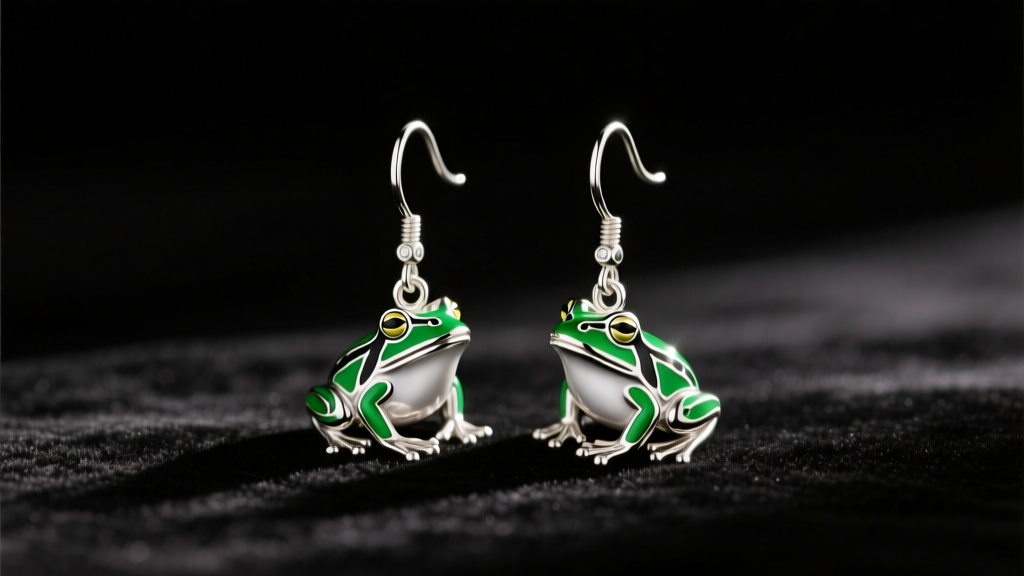
The Hardware Trap: Gauge Sizes and Failure Modes
One of the most overlooked aspects of budget jewelry assessment is the earring post and backing system. Frog motifs, particularly 3D cast tree frogs or bullfrogs, are inherently front-heavy. The center of gravity sits far away from the earlobe, creating significant shear stress on the post.
- The 22-Gauge Problem: Many budget novelty earrings use 22-gauge (0.64mm) or even 24-gauge wire for the post to save on metal costs. A front-heavy brass frog will cause a 22g post to bend, droop, or snap entirely under the weight of daily movement or when caught on a sweater.
- The 20-Gauge Standard: Reputable mid-tier jewelers use 20-gauge (0.81mm) posts, which offer a balance of comfort for standard lobe piercings and enough tensile strength to support moderate weight.
- The 18-Gauge Solution: For heavy solid gold frog dangles or large statement hoops featuring frog charms, an 18-gauge (1.02mm) post is mandatory. These require slightly thicker piercings but ensure the hardware will not warp over time.
Additionally, friction backs (butterfly clutches) are inadequate for heavy frog dangles. High-value pieces should feature screw-backs, jumbo silicone clutches, or secure leverback wires to prevent catastrophic loss.
Price-to-Value Matrix: Frog Earrings Comparison
Use the following matrix to benchmark any frog earring you are considering purchasing against current 2026 market standards.
| Tier | Base Material | Color Technique | Post Gauge | Est. Price Range | Expected Lifespan |
|---|---|---|---|---|---|
| Budget | Zinc Alloy / Brass | Epoxy Resin / Paint | 22g (0.6mm) | $8 - $35 | 1 - 6 Months |
| Mid-Tier | 925 Sterling Silver | Cold Enamel / Vermeil | 20g (0.8mm) | $45 - $150 | 2 - 5 Years |
| Fine | 14k / 18k Solid Gold | Vitreous / Guilloché | 18g (1.0mm) | $350 - $1,500+ | Generational |
| Vintage | Gold-Filled / Bakelite | Carved / Champlevé | Varies / Clip-on | $60 - $300 | Indefinite (with care) |
Vintage vs. Contemporary: Where Does the Value Lie?
The secondary market for vintage animal jewelry is robust, particularly for pieces originating from the 1970s through the 1990s. During this era, brands like Trifari, Coro, and various European silversmiths produced intricate frog clip-ons and dangles using heavy gold-plating (gold-filled) and early thermoset plastics like Bakelite or Lucite.
When evaluating vintage frog earrings, the value proposition shifts from material purity to historical craftsmanship and rarity. A 1980s articulated gold-filled frog earring with movable legs and rhinestone eyes may only contain a fraction of a gram of actual gold, but its mechanical ingenuity and pristine condition can command prices upwards of $150 from collectors. The primary risk with vintage pieces is the degradation of the tension springs in clip-on mechanisms and the brittleness of aged glue holding accent stones. Always inspect the hinge tension and request macro photos of the hallmarks (such as "1/20 12K GF") before purchasing vintage amphibian jewelry.
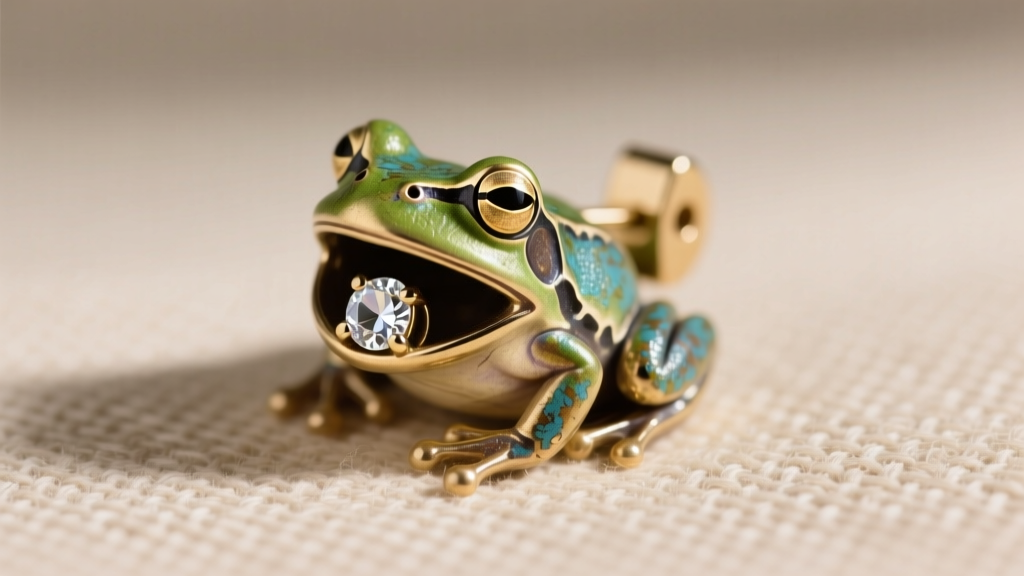
Final Assessment: Cost-Per-Wear Analysis
Ultimately, the value of frog motif earrings depends entirely on your wearing habits. If you are purchasing for a themed event, a festival, or seasonal wear, the budget tier's epoxy-and-brass construction is perfectly adequate, provided you accept its disposable nature and remove it before showering to prevent immediate oxidation.
However, if you intend to wear a whimsical tree frog or lily pad motif as a daily signature piece, the mid-tier 925 sterling silver with vitreous enamel or the fine-tier solid gold options are the only financially sound choices. A $120 pair of sterling silver leverback frogs worn twice a week for three years yields a cost-per-wear of less than $0.40, vastly outperforming the cycle of buying and discarding $15 novelty studs that break, tarnish, or cause contact dermatitis. True value in jewelry is not just about the lowest upfront cost; it is about structural integrity, biocompatibility, and enduring design.
Expert Takeaway: Never compromise on the earring post gauge when buying novelty motifs. The whimsical charm of a 3D frog earring is instantly negated if a flimsy 22-gauge post snaps inside your piercing. Always demand 20-gauge or thicker hardware for front-heavy designs.


