Guardian Back Earrings: The Ultimate Material Guide
Discover the best materials for guardian back earrings. Compare 18k gold, platinum, and silicone cores for secure, hypoallergenic diamond stud wear.

What Exactly Are Guardian Back Earrings?
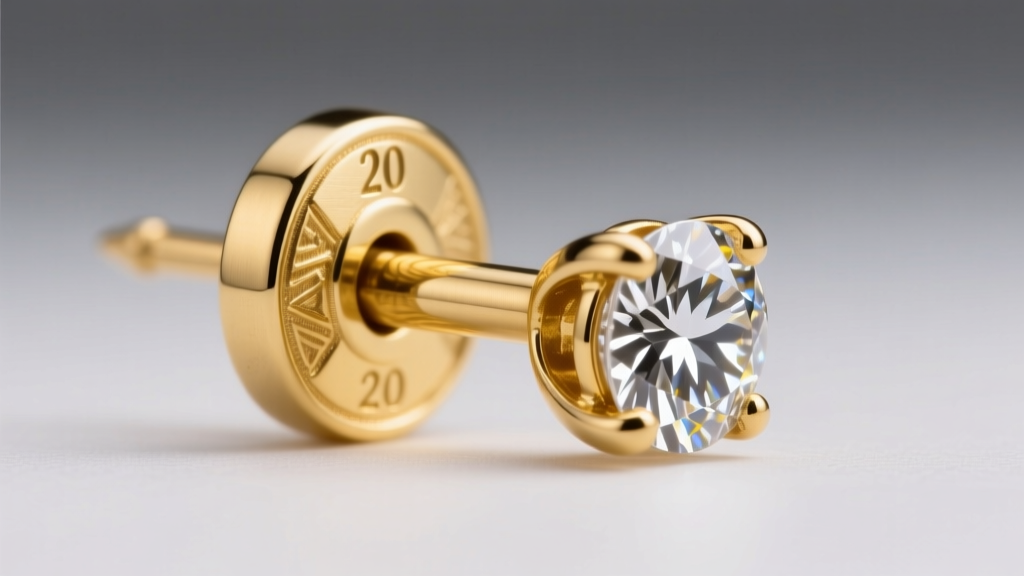
When securing high-value diamond studs or heavy gemstone earrings, standard butterfly friction backs simply do not provide adequate security. Enter guardian back earrings—a premium category of secure earring backings engineered with internal locking mechanisms to prevent accidental loss. Unlike traditional push-backs that rely solely on the tension of bent metal wings, guardian backs utilize a precision-machined metal housing that contains an internal friction sleeve or collet. This design grips the earring post with uniform radial pressure, ensuring the earring remains flush and secure against the earlobe.
However, the performance, longevity, and skin compatibility of these secure backs are entirely dictated by their material composition. As of 2026, advancements in metallurgy and medical-grade polymers have expanded the options available to consumers. Choosing the right material is not just about matching the color of your earring post; it is about understanding metal hardness, alloy sensitivities, and friction mechanics.
Core Materials: Precious Metals vs. Silicone Hybrids
The outer housing of a guardian back is typically forged from precious metals, while the internal gripping mechanism may be all-metal or feature a synthetic insert. Here is a deep dive into the specific material grades used in modern secure earring backs.
18K and 14K Gold Alloys
Gold is the most common material for guardian backs, but the karat weight drastically alters its mechanical properties. 18K gold (75% pure gold) offers a rich color and high hypoallergenic profile but is relatively soft, registering around 125 on the Vickers Hardness (HV) scale. Because of this softness, 18K guardian backs require thicker housing walls to prevent the internal collet from warping under repeated stress.
Conversely, 14K gold (58.5% pure gold) is alloyed with metals like copper, zinc, or silver, pushing its hardness to approximately 150 HV. This makes 14K gold structurally superior for the internal gripping mechanisms of all-metal guardian backs. However, consumers with sensitive skin must verify the alloy composition; 14K white gold is frequently alloyed with nickel, a known contact dermatitis trigger. According to the American Academy of Dermatology, nickel allergies affect a significant portion of the population, making nickel-free 14K white gold or palladium-white gold a mandatory choice for sensitive lobes.
Platinum and Palladium Options
For heirloom-quality diamond studs, platinum guardian backs are the gold standard. Platinum used in jewelry is typically 95% pure, alloyed with ruthenium or iridium (95/5 Pt/Ru). It registers around 135 HV but possesses a unique property: it work-hardens and displaces rather than shedding material when scratched. This means a platinum internal collet will maintain its structural integrity and grip tension far longer than gold. The primary drawback is density; platinum is roughly 60% denser than 14K gold, which can cause earlobe fatigue if the earring front is already heavy.
Medical-Grade Silicone Inserts
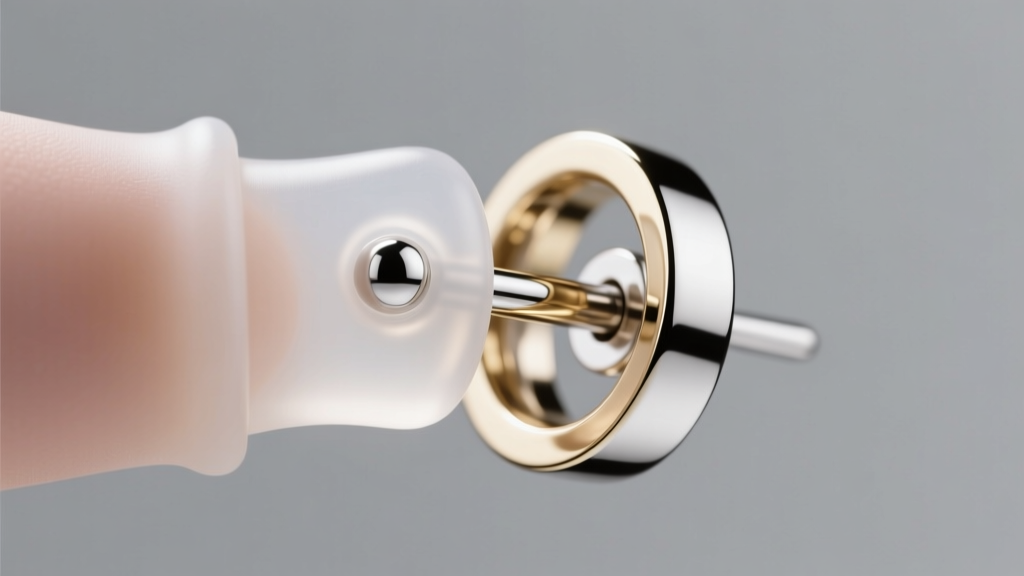
Many modern guardian backs utilize a hybrid design: a rigid 14K or 18K gold outer shell housing a medical-grade silicone O-ring or sleeve. The silicone provides immense friction against the metal post, requiring a deliberate, straight pull to release. The ideal silicone used in these inserts has a Shore A durometer rating of 40 to 50, offering a balance between aggressive grip and tear resistance. While highly secure, silicone is a porous material that degrades when exposed to sebum, cosmetics, and ultrasonic cleaners over a 12-to-18-month period.
Material Comparison Chart: Durability, Grip, and Allergies
To help you select the ideal guardian back for your specific needs, we have compiled a technical comparison of the most prevalent materials on the market.
| Material Composition | Hardness (Vickers) | Hypoallergenic Profile | Avg. Price (Per Pair) | Best Use Case |
|---|---|---|---|---|
| 18K Yellow Gold (All-Metal) | ~125 HV | Excellent | $85 - $130 | High-carat diamonds, sensitive skin |
| 14K White Gold (Nickel-Free) | ~150 HV | Very Good | $50 - $80 | Everyday wear, all-metal collets |
| 950 Platinum (Ru Alloy) | ~135 HV | Superior | $140 - $220 | Heirloom pieces, heavy drops |
| Gold Shell + Silicone Core | N/A (Shell dependent) | Good (Core is inert) | $35 - $60 | Maximum security, active lifestyles |
Post Gauge Compatibility and Friction Mechanics
The material of the guardian back must be perfectly calibrated to the gauge (thickness) of the earring post. The vast majority of diamond stud earrings are manufactured with 20-gauge (0.81mm) or 18-gauge (1.02mm) posts. Guardian backs are machined to exacting tolerances, often within +/- 0.02mm of the target gauge.
If you attempt to use a 20-gauge guardian back on an 18-gauge post, the internal silicone sleeve will over-compress, leading to premature tearing or permanent deformation of the metal collet. Conversely, using an 18-gauge back on a 20-gauge post will result in a dangerous lack of friction, defeating the purpose of a secure backing. Always verify the post gauge of your earrings before purchasing replacement guardian backs. Furthermore, the Federal Trade Commission Jewelry Guides mandate strict accuracy in precious metal stamping, ensuring that when you purchase a stamped 14K guardian back, the metal purity is legally guaranteed to match the friction and wear properties expected of that specific alloy.
Real-World Troubleshooting: Slipping, Tarnish, and Wear
Even the finest materials require proper maintenance to function correctly. Here are the most common failure modes associated with guardian back earrings and how to resolve them:
- Silicone Degradation: If your hybrid guardian backs begin slipping, the internal silicone sleeve has likely absorbed body oils and expanded. Remove the backs and soak them in a mild solution of warm water and ammonia-free dish soap. Use a soft baby toothbrush to clean the post. If the grip does not return, the silicone insert must be replaced.
- White Gold Rhodium Wear: 14K and 18K white gold guardian backs are plated with rhodium to achieve a bright white finish. Because the back rubs against the skin and hair, this plating will wear off within 6 to 12 months, revealing the slightly yellowish underlying alloy. This is a cosmetic issue, not a structural one, but requires periodic re-plating by a jeweler.
- Ultrasonic Cleaner Damage: Never place guardian backs with silicone or Teflon inserts into an ultrasonic jewelry cleaner. The high-frequency cavitation will micro-fracture the polymer, causing it to crumble inside the metal housing. Only all-metal guardian backs should be subjected to ultrasonic cleaning.
Final Verdict: Which Material Should You Choose?
The optimal material for your guardian back earrings depends entirely on your lifestyle and skin sensitivity. For maximum security during travel or active wear, gold-shell with silicone inserts provides unparalleled grip, provided you are willing to replace the inserts every year or two. For a lifetime, maintenance-free solution that will outlast the earrings themselves, invest in 950 platinum all-metal guardian backs. If you are balancing budget and durability, nickel-free 14K white gold offers the perfect intersection of structural hardness, secure locking tension, and everyday affordability.


