How to Buy Authentic Turquoise and Gold Drop Earrings
Discover how to buy authentic turquoise and gold drop earrings. Learn about stone treatments, gold karats, pricing, and face-shape styling tips.

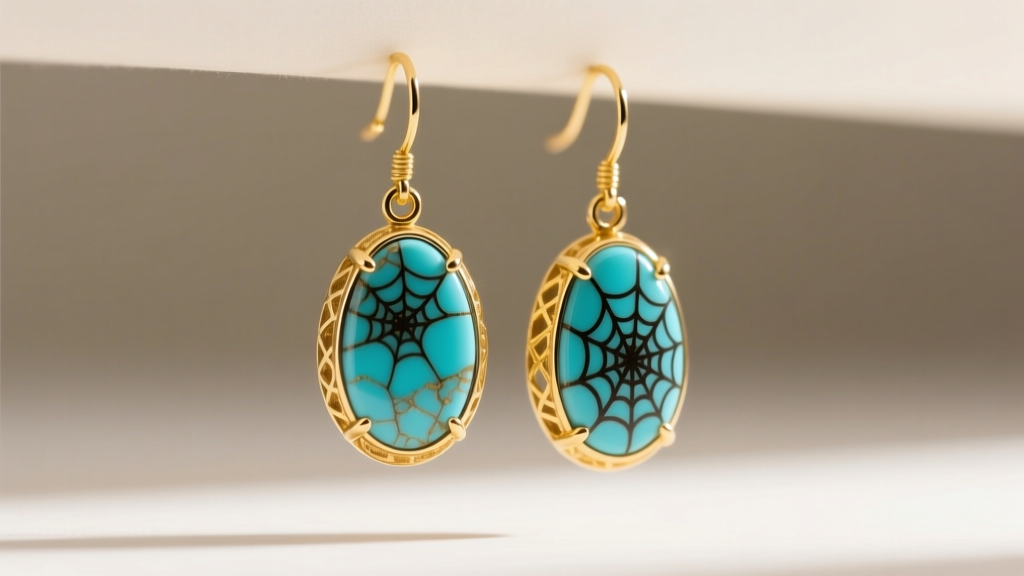
The combination of earthy turquoise and luminous gold is a cornerstone of fine jewelry, bridging the gap between Southwestern heritage and modern bohemian elegance. However, as the demand for turquoise and gold drop earrings surges in 2026, the market has become saturated with stabilized imitations, misleading karat claims, and poorly constructed settings. Whether you are hunting for a vintage-inspired statement piece or a delicate everyday drop, knowing exactly what to look for is essential to protect your investment and your earlobes.
This comprehensive buying guide breaks down the gemological realities of turquoise, the metallurgical standards of gold, and the structural mechanics of drop earrings to help you shop with absolute confidence.
Decoding the Stone: Natural vs. Stabilized vs. Imitation
Turquoise is a porous, hydrous phosphate of copper and aluminum, ranking between 5 and 6 on the Mohs hardness scale. Because high-quality, gem-grade natural turquoise is incredibly rare (and expensive), understanding treatment disclosures is your first line of defense.
Natural vs. Stabilized Turquoise
According to the Gemological Institute of America (GIA), natural turquoise is cut and polished without any chemical alterations. It is highly prized but can be fragile. Stabilized turquoise, on the other hand, has been treated with a clear epoxy or polymer (such as the Zachary process) to harden the stone and enhance its color. Stabilization is an industry-standard, widely accepted practice that makes the stone durable enough for daily wear in drop earrings. As long as the seller discloses the stabilization, it is a legitimate and practical choice.
Spotting Imitations
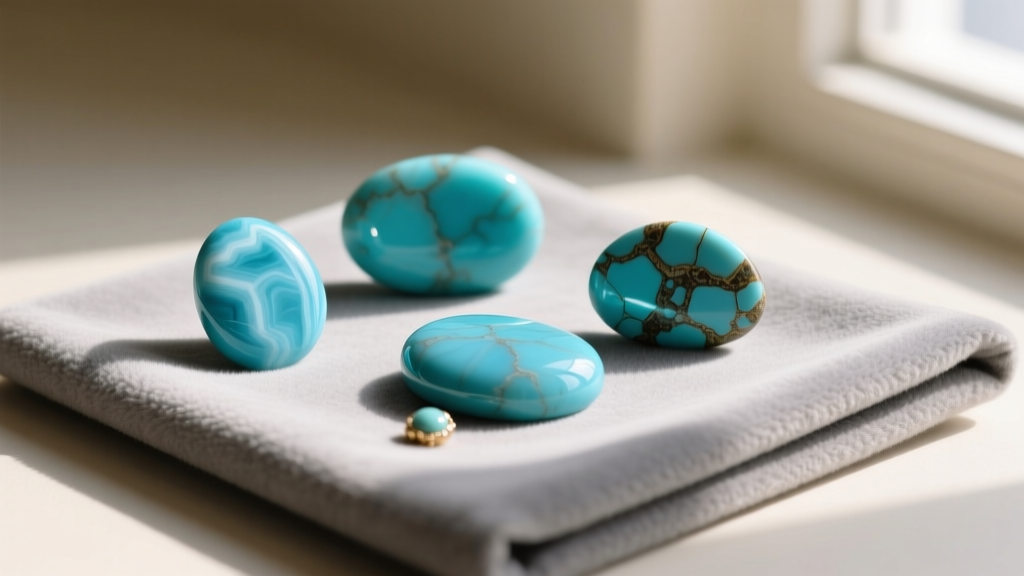
Beware of "block turquoise" (reconstituted turquoise dust mixed with resin) or dyed howlite and magnesite. Dyed howlite often features unnatural, overly uniform grey or black veining that looks like it was drawn on with a marker. Genuine turquoise matrix (the host rock veining) should look organic, random, and slightly three-dimensional under magnification.
The Gold Standard: Karats, Vermeil, and Filled Options
The warm, rich tone of yellow gold perfectly complements the cool blue-green hues of turquoise. However, the term "gold" in jewelry listings can mean vastly different things regarding longevity and price.
| Gold Type | Composition | Durability | Price Range | Best For |
|---|---|---|---|---|
| 14k Solid Gold | 58.3% pure gold, alloyed with copper/zinc | Excellent; will not tarnish or flake | $250 - $800+ | Heirloom pieces, sensitive ears, daily wear |
| 18k Solid Gold | 75% pure gold, richer yellow hue | Good, but slightly softer than 14k | $400 - $1,500+ | High-end luxury, deep color contrast |
| Gold Vermeil | Sterling silver base plated with ≥2.5 microns of 10k+ gold | Moderate; lasts years with proper care | $80 - $200 | Budget-conscious buyers wanting real silver/gold |
| Gold-Filled | Brass base with a thick outer layer of 14k gold (5% by weight) | High; much thicker than standard plating | $60 - $150 | Everyday fashion jewelry, hypoallergenic needs |
Expert Note: The Federal Trade Commission (FTC) strictly regulates the term "vermeil." To be legally sold as vermeil in the US, the item must have a sterling silver base and a gold plating of at least 2.5 microns thick. Anything less is simply "gold-plated" and will wear off rapidly, exposing the base metal to your skin.
Drop Earring Mechanics and Security
The defining feature of drop earrings is that they hang just below the earlobe, moving dynamically with the wearer. The finding (the part that goes through the ear) dictates both security and comfort.
- French Wire (Fishhook): The most common and elegant finding for turquoise drops. Look for 20-gauge or 18-gauge wire thickness. Ensure the hook comes with a secure silicone or 14k gold friction back (ear nut) to prevent loss.
- Leverback: Features a hinged closure that snaps shut. This is the most secure option for heavy turquoise stones, as it completely encloses the ear piercing and prevents the earring from slipping out.
- Post with Chain Drop: A standard stud post with a delicate gold chain suspending the turquoise cabochon. This offers maximum security but requires the chain to be thick enough (at least 1.2mm) to support the stone's weight without snapping.
Face Shape and Proportion Guide
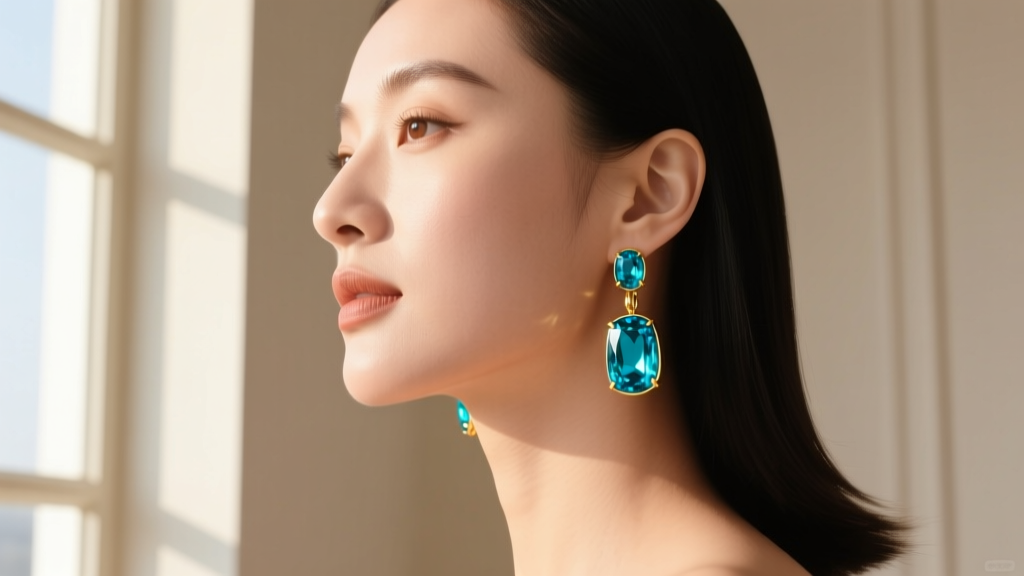
Turquoise and gold drop earrings are incredibly versatile, but adjusting the length and volume of the drop can dramatically enhance your facial features.
Round Faces
Opt for elongated, linear drop earrings (1.5 to 2.5 inches in length). The vertical lines of a long gold chain ending in a teardrop turquoise cabochon will create an illusion of length, balancing the width of your face. Avoid wide, clustered hoop-drop hybrids.
Square Faces
Soften a strong jawline with rounded, organic shapes. Look for drop earrings featuring smooth, domed turquoise cabochons set in curved, bezel-set gold frames. Medium-length drops (1 to 1.5 inches) that end just below the jawline work best.
Heart-Shaped Faces
Balance a narrower chin by choosing drop earrings that are slightly wider at the bottom. A pear-shaped or teardrop turquoise stone set in 14k gold will draw the eye downward and add visual weight to the lower half of the face.
Pricing Tiers: What to Expect in 2026
When shopping for authentic turquoise and gold drop earrings, pricing is a reliable indicator of material quality. Here is what you should expect to pay based on current market valuations:
- Entry-Level ($50 - $120): You will typically find gold vermeil or gold-filled settings paired with stabilized turquoise or high-quality reconstituted block turquoise. The stones will be smaller (under 10mm) to keep costs down.
- Mid-Tier ($150 - $450): This is the sweet spot for solid 14k gold settings featuring genuine stabilized turquoise from recognized mines (like Kingman or Sleeping Beauty). Expect excellent craftsmanship, secure leverback findings, and stones ranging from 12mm to 18mm.
- Investment Grade ($600 - $2,000+): At this level, you are paying for rare, untreated natural Persian or high-grade American turquoise with striking matrix patterns, set in heavy 18k or 22k gold, often featuring hand-engraved or granulation detailing.
Care and Maintenance for Porous Stones
Turquoise is highly sensitive to chemicals, heat, and prolonged exposure to moisture. To keep your drop earrings looking pristine for decades, adhere to these strict care protocols:
- The "Last On, First Off" Rule: Always put your turquoise earrings on after applying perfume, hairspray, and lotions. The alcohol and oils in cosmetics can permanently discolor the porous stone and degrade the gold vermeil.
- Cleaning: Never use ultrasonic cleaners, steamers, or commercial jewelry dips. Simply wipe the turquoise with a soft, slightly damp microfiber cloth, and polish the gold components with a dry jewelry polishing cloth.
- Storage: Store your drops in a soft pouch away from harder gemstones (like diamonds or sapphires) that could scratch the turquoise surface.
By prioritizing transparency in stone treatments, verifying gold thickness, and selecting the right silhouette for your face shape, you can confidently invest in a pair of turquoise and gold drop earrings that will remain a staple in your wardrobe for years to come.


