How to Build the Perfect Earring Advent Calendar 2025 Edition
Learn how to curate the ultimate earring advent calendar 2025 lineup. Step-by-step guide on gauge sizes, safe metals, and budgeting for 12 or 24 days.

Why the Earring Advent Calendar 2025 Trend Evolved
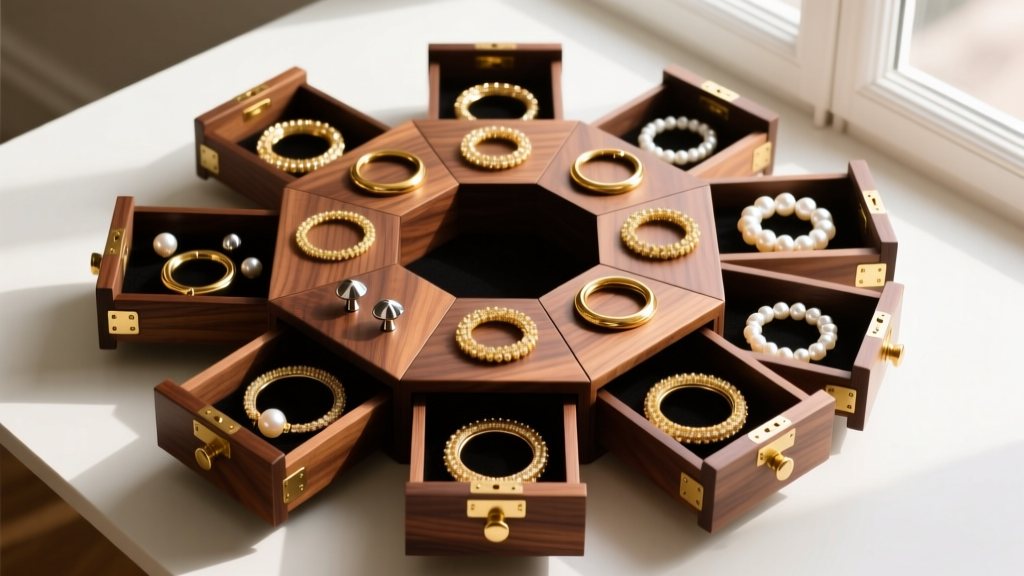
The viral earring advent calendar 2025 trend completely transformed how jewelry enthusiasts approach holiday gifting and personal curation. Rather than settling for mass-produced, mystery-box calendars filled with questionable alloys and one-size-fits-all friction posts, the modern collector demands a bespoke, skin-safe experience. As we navigate the jewelry landscape in 2026, the strategy behind building a high-quality, anatomically correct earring calendar remains the gold standard for stylists and piercing aficionados alike.
Building your own calendar allows you to control the metallurgy, the gauge sizes, and the aesthetic progression. Whether you are curating a 12-day luxury countdown or a full 24-day cartilage-and-lobe journey, this step-by-step guide will ensure every drawer holds a piece that is both beautiful and biocompatible.
Step 1: Map Your Piercing Anatomy & Gauge Requirements
The most common failure mode of commercial advent calendars is the assumption that all ear piercings are 20-gauge standard lobes. If you or the recipient have cartilage piercings (helix, tragus, conch, or daith), a standard butterfly-back earring will not fit and can cause severe tissue trauma.
- Standard Earlobes: Typically pierced at 20G (0.8mm) or 18G (1.0mm). Standard friction posts and fish-hook dangles work perfectly here.
- Cartilage Piercings: Usually pierced at 16G (1.2mm) or 14G (1.6mm). These require flat-back labret studs or specific clicker rings.
- Post Length Matters: For healed lobes, a 6mm (1/4 inch) post is standard. For thicker lobes or cartilage, an 8mm (5/16 inch) post prevents the backing from embedding into the skin.
Step 2: The Push-Pin Revolution (Threadless Jewelry)
To maximize your budget and variety, professional piercers highly recommend utilizing threadless (push-pin) jewelry systems for your calendar. Brands like Neometal or BVLA use a bendable pin on the decorative end that snaps securely into a hollow titanium post.
| Component | Quantity Needed | Avg. Cost | Function |
|---|---|---|---|
| Titanium Posts (16G/18G) | 2 to 4 | $10 - $15 each | The base that stays in the piercing 24/7. |
| Threadless Ends (Gems) | 12 to 24 | $15 - $60 each | The interchangeable tops for the advent drawers. |
| Standard Huggies/Hoops | 4 to 6 | $30 - $80 each | For days requiring a full hoop look. |
By purchasing a few high-quality titanium posts and filling the calendar drawers with interchangeable ends, you create a modular system that offers endless styling combinations without requiring multiple piercings.
Step 3: Establish a Tiered Material & Budget Strategy
When sourcing 12 to 24 individual pieces, budget allocation is critical. The Association of Professional Piercers (APP) strictly warns against 'surgical steel' (316L), which contains up to 10% nickel and is a primary culprit for contact dermatitis. Instead, build your calendar around these safe tiers:
Tier 1: The Biocompatible Core (Days 1-10)
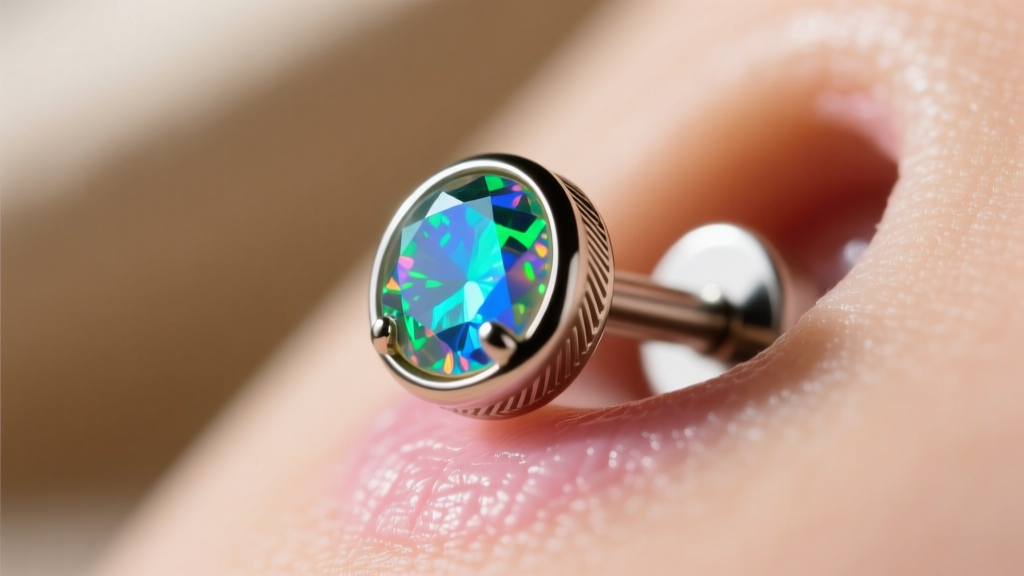
Fill the early days with ASTM F138 Implant-Grade Titanium ends and Niobium pieces. Titanium is completely nickel-free, lightweight, and can be anodized into vibrant colors without using paints or dyes. Expect to spend $15–$30 per piece for high-quality titanium ends with cubic zirconia or synthetic opals.
Tier 2: The Precious Metals (Days 11-18)
Introduce Solid 14k or 18k Gold. Ensure the gold is alloyed for jewelry (often mixed with silver or copper, but strictly nickel-free). Avoid gold-plated brass, as the plating will eventually wear off, exposing the reactive base metal to the piercing channel. Budget $50–$120 per solid gold piece.
Tier 3: The Statement Finales (Days 19-24)
Reserve the final days for high-impact pieces: solid gold ear cuffs, diamond-accented threaders, or intricate chandelier drops. These are the 'hero' pieces that justify the calendar's overall price point.
Step 4: Curate the 12-to-24 Day Style Progression
A well-curated calendar tells a story. Do not put all the heavy dangles in the first week. Follow this pacing framework for a 24-day build:
- Days 1–5 (The Foundations): Small titanium bezel-set gems (2.5mm to 3mm), simple seamless hoops, and minimalist huggies.
- Days 6–12 (Texture & Shape): Introduce geometric shapes, matte-finished metals, and small cluster studs.
- Days 13–18 (The Ear Curation): Ear cuffs (no piercing required), flat-back chains connecting a helix to a lobe, and textured clickers.
- Days 19–24 (The Glamour): Gemstone drops, pearl clusters, and statement threaders that drape elegantly down the earlobe.
Step 5: Quality Control & The Nickel Test
If you are sourcing vintage or aftermarket pieces to fill your calendar, you must verify their metal content. The European Nickel Directive (EN 1811:2011) limits nickel release to 0.5 µg/cm²/week for prolonged skin contact, but many cheap imports ignore this entirely.
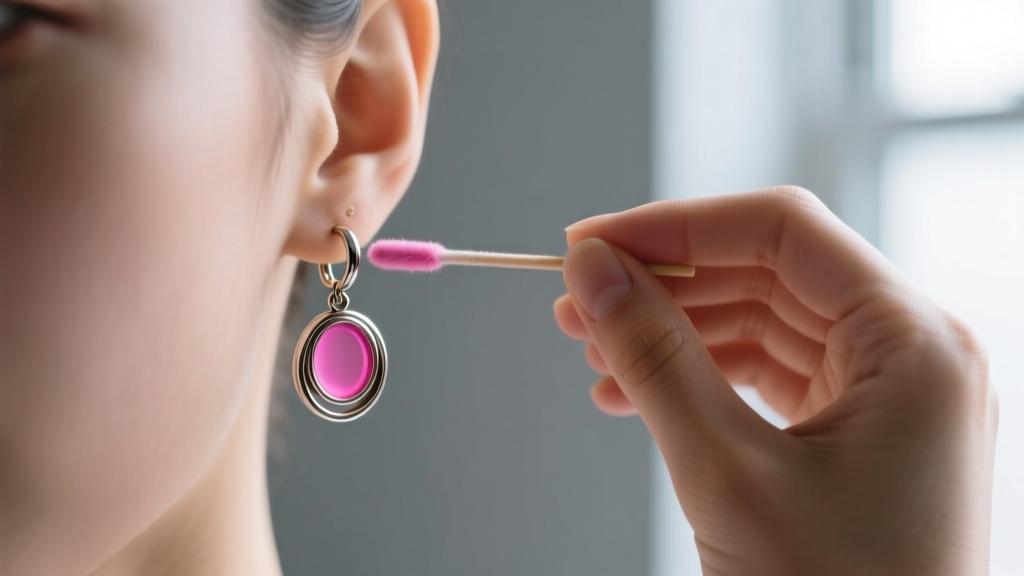
Purchase a Dimethylglyoxime (DMG) nickel test kit. By rubbing a swab on the earring post for 60 seconds, you can detect hidden nickel. If the swab turns pink, the piece is unsafe for a calendar intended for prolonged daily wear. As noted by the American Academy of Dermatology, nickel allergies can develop at any age, making proactive testing an essential step in bespoke jewelry curation.
Troubleshooting Common Advent Calendar Pitfalls
"The biggest mistake I see with holiday jewelry gifts is the inclusion of heavy, elongated dangles on thin earlobes. Over time, the kinetic weight causes micro-tears in the fistula, leading to permanent lobe stretching or migration." — Senior Piercer, 2026 Industry Report
The Fix: If your calendar includes heavy statement drops, include a pack of silicone earlobe support patches (like Lobe Wonder) in one of the drawers. These transparent adhesive patches distribute the weight of heavy earrings across a wider surface area, preventing tearing and keeping the earring sitting perfectly upright.
The Cartilage Bump Fix: If a calendar includes jewelry for a fresh or healing cartilage piercing, ensure the flat-back posts are at least 8mm long to accommodate swelling. Including a small bottle of sterile saline wound wash in the final drawer is a thoughtful, professional touch that promotes proper healing and prevents the dreaded 'cartilage bump' caused by friction and irritation.
Final Thoughts on the Bespoke Calendar
Building an earring advent calendar is an exercise in anatomical respect and aesthetic pacing. By prioritizing ASTM F138 titanium, utilizing threadless systems, and carefully mapping gauge requirements, you elevate the experience from a cheap holiday gimmick to a masterclass in ear curation. Whether you are prepping for the upcoming holiday season or analyzing the aftermarket trends of the 2025 releases, this methodology ensures every piece is safe, stunning, and perfectly fitted.


