Mouse Earrings Value Guide: Are Novelty Studs Worth It?
Discover the true value of mouse earrings in 2026. We assess materials, enamel types, gauge sizes, and pricing tiers to help you buy smart.

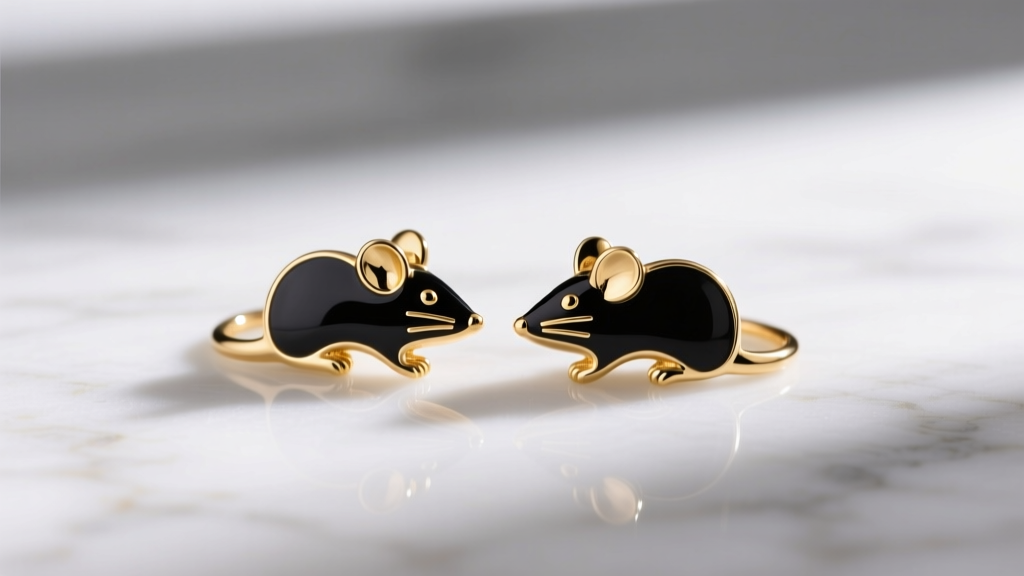
The True Cost of Novelty: Assessing Mouse Earrings
Mouse earrings have maintained a steadfast presence in the jewelry market, bridging the gap between playful novelty and everyday wearable art. From subtle, minimalist geometric outlines to intricate 3D figurines, the silhouette remains a beloved staple for animal lovers and fans of classic animation alike. However, as we navigate the 2026 jewelry market, consumers are faced with a massive pricing disparity. A quick search reveals mouse-shaped studs ranging from $2 on ultra-fast-fashion apps to $450 for fine jewelry renditions. This extreme variance begs a critical question: how do you determine the actual value of novelty earrings? To answer this, we must look past the cute exterior and evaluate the metallurgy, structural engineering, and material longevity that dictate whether a pair of mouse earrings is a fleeting accessory or a lasting investment.
Material Breakdown: Zamak vs. Surgical Steel vs. Solid Gold
The foundation of any earring's value lies in its base metal. Novelty shapes like mice require complex casting to achieve the distinct curves of the ears and snout. Budget manufacturers typically rely on Zamak, a zinc alloy composed of zinc, aluminum, magnesium, and copper. While Zamak is exceptionally cheap and captures fine mold details, it is highly porous and reactive. To make it shiny, it must be plated—often over a nickel underlayer. According to the National Center for Biotechnology Information (NCBI), nickel is the most common cause of allergic contact dermatitis, meaning cheap alloy mouse earrings can trigger severe earlobe inflammation within hours of wear.
Mid-tier options utilize 316L surgical stainless steel or sterling silver. These metals offer excellent durability and are generally hypoallergenic, provided they are not plated with reactive metals. At the top of the value chain is solid gold. The Gemological Institute of America (GIA) notes that 14k gold (58.5% pure gold alloyed with copper, silver, and zinc) is actually superior to 18k or 24k gold for novelty shapes. The alloying metals provide the necessary tensile strength to prevent the delicate mouse ears from bending or warping during daily wear.
| Material | Average Cost | Allergy Risk | Expected Lifespan |
|---|---|---|---|
| Zamak (Zinc Alloy) | $2 - $12 | High (Nickel/Brass) | 3 - 6 Months |
| 316L Surgical Steel | $25 - $60 | Low | 5+ Years |
| Sterling Silver (925) | $35 - $85 | Low (Tarnishes) | 10+ Years |
| 14k Solid Gold | $150 - $450 | None | Generational |
The Enamel Dilemma: Cold Epoxy vs. Kiln-Fired Vitreous
Many mouse earrings utilize enamel to create contrasting details, such as black ears on a gold head or colorful polka dots. The value of these pieces hinges entirely on the type of enamel used. Budget and mid-tier brands use "cold enamel," which is technically a two-part epoxy resin. While it mimics the look of glass initially, epoxy resin is highly susceptible to UV degradation and chemical breakdown from skin sebum. Within six months of daily wear, cold enamel on novelty earrings frequently yellows, shrinks, and chips away from the metal recesses.
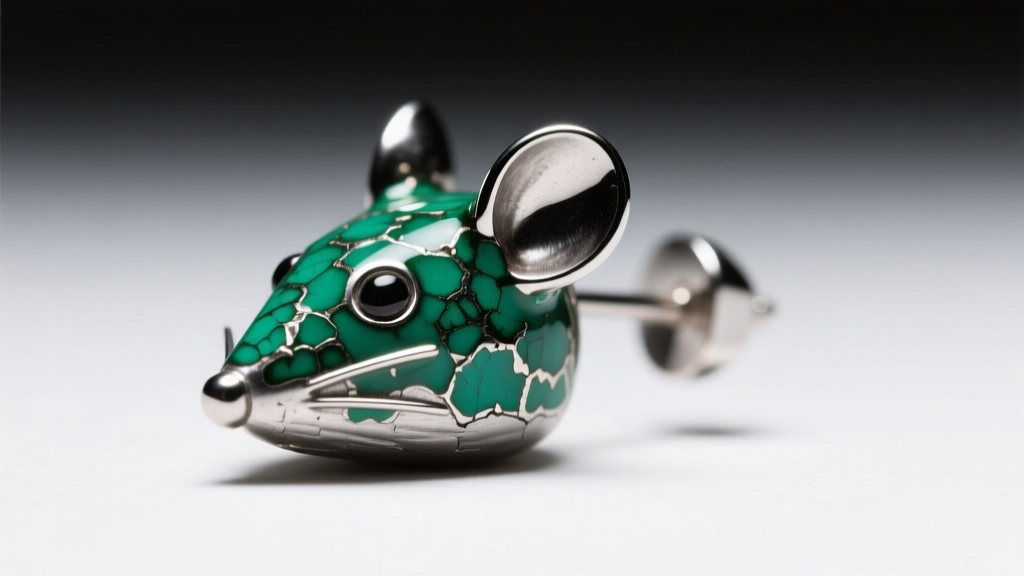
Conversely, high-end fine jewelry employs vitreous enamel. This is a finely ground glass powder that is kiln-fired at temperatures between 1380°F and 1560°F, fusing it permanently to the metal substrate. Vitreous enamel will not yellow, shrink, or degrade from skin oils. When assessing the value of enameled mouse earrings, always check the product specifications for "kiln-fired" or "vitreous" terminology. If the brand simply lists "enamel" on a piece priced under $50, you are paying for epoxy resin that will inevitably degrade.
Structural Integrity: Gauge Sizes and the Torque Problem
The physics of novelty earrings present a unique structural challenge. A standard stud, like a simple pearl or diamond solitaire, sits flush against the earlobe, distributing weight evenly. A mouse silhouette, however, features wide, protruding ears that extend outward from the central post. This creates a fulcrum effect. When you sleep on your side or pull a sweater over your head, the protruding ears catch on fabric, applying lateral torque directly to the earring post.
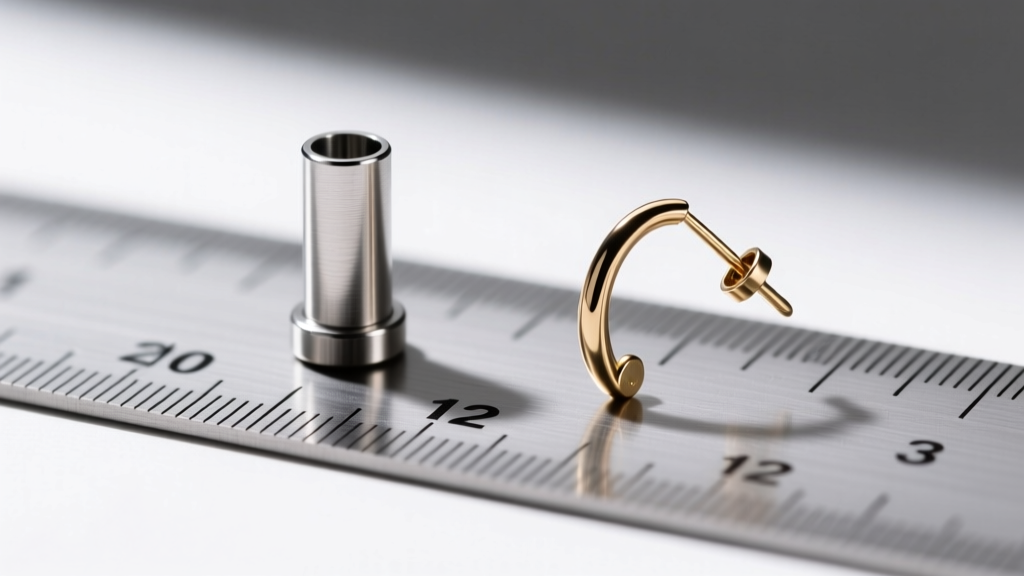
To cut costs, mass-market manufacturers frequently use 22-gauge (0.64mm) or even 24-gauge wire for the posts of novelty earrings. This is a critical failure point. A heavy 3D zinc-alloy mouse head mounted on a brittle 22-gauge brass post will almost certainly suffer from metal fatigue and snap at the solder joint within a few months. For optimal structural integrity, seek out mouse earrings with a minimum post thickness of 20-gauge (0.81mm) or 18-gauge (1.02mm). Thicker posts resist lateral torque and ensure the solder joint connecting the post to the wide mouse silhouette remains intact under stress.
Friction Backs vs. Screw Backs: Securing Heavy Silhouettes
The value of an earring is zero if it falls out and gets lost. Standard "butterfly" friction backs rely on a small groove on the earring post to hold the backing in place. While adequate for lightweight studs, they are wholly insufficient for the top-heavy nature of mouse earrings. The wide profile of the mouse head causes the earring to tilt forward, slowly working the friction back off the post throughout the day.
When evaluating mid-tier and fine jewelry mouse earrings, prioritize those equipped with screw backs or La Pousette (locking clutch) backs. Screw backs feature threaded posts that require the backing to be twisted on, completely eliminating the risk of accidental loss. If you already own a pair of valuable mouse studs with standard friction backs, upgrading to silicone O-ring stoppers or purchasing aftermarket locking ear nuts is a highly recommended, low-cost intervention to protect your investment.
2026 Pricing Tiers: Where is the Value Sweet Spot?
Based on current market analysis, here is how the pricing tiers for mouse earrings break down in terms of actual value:
- The Fast Fashion Tier ($2 - $15): Constructed from Zamak or brass with flash plating and cold epoxy. Value Assessment: Poor. These are essentially disposable accessories. The plating will wear off, exposing reactive base metals, and the thin posts will bend or snap. Buy these only for temporary costume wear or young children who are likely to lose them.
- The Artisan & Mid-Tier ($35 - $95): Typically crafted from 316L stainless steel, titanium, or rhodium-plated sterling silver. Value Assessment: Excellent. This is the sweet spot for everyday wear. You get hypoallergenic metals, sturdy 18G or 20G posts, and high-quality cold enamel or cubic zirconia accents. Brands in this tier often offer replacement backings and warranties against manufacturing defects.
- The Fine Jewelry Tier ($150 - $500+): Cast in solid 14k or 18k gold, featuring vitreous enamel, pavé-set diamonds, or ethically sourced sapphires. Value Assessment: High for heirloom potential. While the initial cost is steep, the cost-per-wear drops significantly over a lifetime. These pieces will not tarnish, the enamel will not yellow, and they can be passed down as sentimental keepsakes.
Final Verdict: Buying Smart
Mouse earrings are far more than a passing novelty trend; they are a testament to personalized, expressive jewelry. However, the "cute" factor should never override material safety and structural engineering. When assessing your budget, bypass the $5 alloy traps that risk contact dermatitis and broken posts. Instead, allocate your budget toward the $40 to $80 range for surgical steel or sterling silver pieces with robust 20-gauge posts and secure locking backings. If you are seeking a permanent, generational piece, invest in 14k solid gold with kiln-fired vitreous enamel. By prioritizing metallurgy and physics over mere aesthetics, you ensure that your favorite mouse earrings remain safely and beautifully on your ears for years to come.


