Expert Care and Cleaning Guide for On Ear Earrings
Discover expert tips to clean, maintain, and store on ear earrings, ear cuffs, and clip-ons to prevent tarnish and skin irritation.

The Unique Anatomy of On Ear Earrings
When building a curated ear stack, on ear earrings—specifically ear cuffs, clip-ons, and non-pierced cartilage wraps—offer unparalleled versatility. Unlike traditional studs or hoops that pass through a fistula, these pieces rely on tension, friction, and anatomical contouring to stay in place. However, this unique structural requirement also dictates a completely different approach to jewelry maintenance. Because the inner band of an ear cuff sits flush against the skin, it creates a micro-environment that traps sebum, dead skin cells, and cosmetic residues. Over time, this biofilm not only dulls the metal but can also lead to contact dermatitis and unpleasant odors if left unaddressed.
In 2026, the jewelry market is saturated with intricate, pave-set ear cuffs and vintage-inspired screw-back clip-ons. While visually stunning, their complex geometries and delicate stone settings make them highly susceptible to damage if cleaned using the same aggressive methods reserved for solid gold or platinum bands. Understanding the material science and mechanical limits of your on ear earrings is the first step toward preserving their brilliance and structural integrity.
Step-by-Step Cleaning Protocol
The cleaning process for non-pierced jewelry must balance thorough sanitation with the preservation of delicate metal platings and gemstone adhesives. Here is the professional protocol we recommend for maintaining your collection.
1. Daily Sebum and Makeup Removal
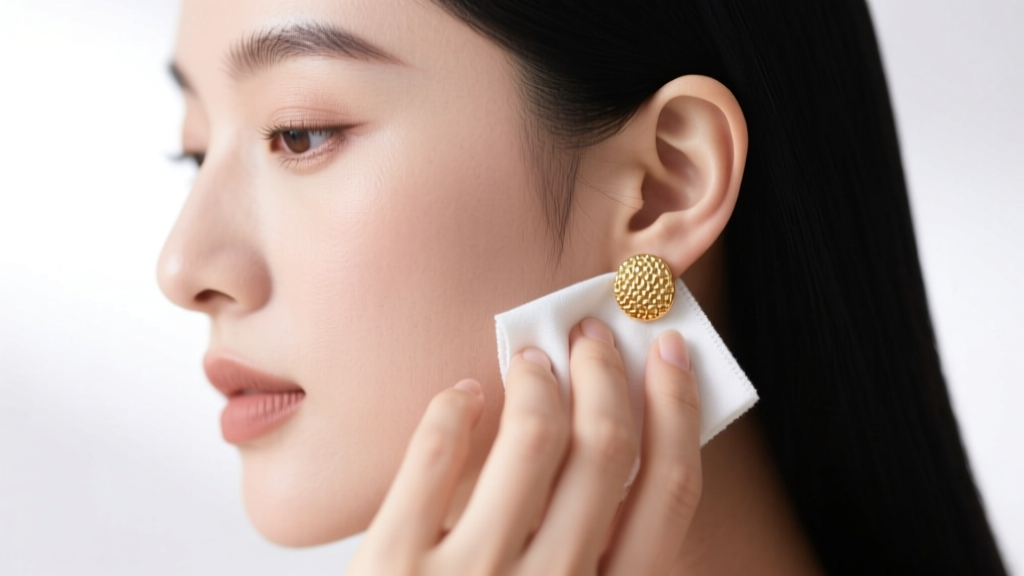
After every wear, use a dry, lint-free microfiber cloth to gently wipe the inner curve of the cuff or the silicone pads of your clip-ons. This removes the top layer of facial oils and foundation before they can oxidize and bond to the metal. Avoid using tissue paper or cotton balls, as their micro-fibers can snag on pave settings or prongs, slowly loosening the stones over time.
2. Deep Cleaning by Material Grade
For a weekly deep clean, you must tailor your approach to the specific metallurgy of your jewelry. Gold vermeil, for instance, requires a much gentler touch than solid 14k gold. According to the Gemological Institute of America (GIA), improper cleaning agents can permanently etch soft gemstones or strip thin metallic coatings.
| Material Grade | Best Cleaning Agent | Ultrasonic Safe? | Polishing Cloth Safe? |
|---|---|---|---|
| 925 Sterling Silver (Solid) | Mild Dish Soap & Warm Water | Yes (No soft gems) | Yes |
| 14k/18k Gold Vermeil (2.5μm+) | Lukewarm Water & Microfiber | No | No (Strips gold) |
| Brass Base with Plating | Damp Cloth Only | No | No |
| ASTM F136 Titanium | Isopropyl Alcohol (70%) | Yes | Not Necessary |
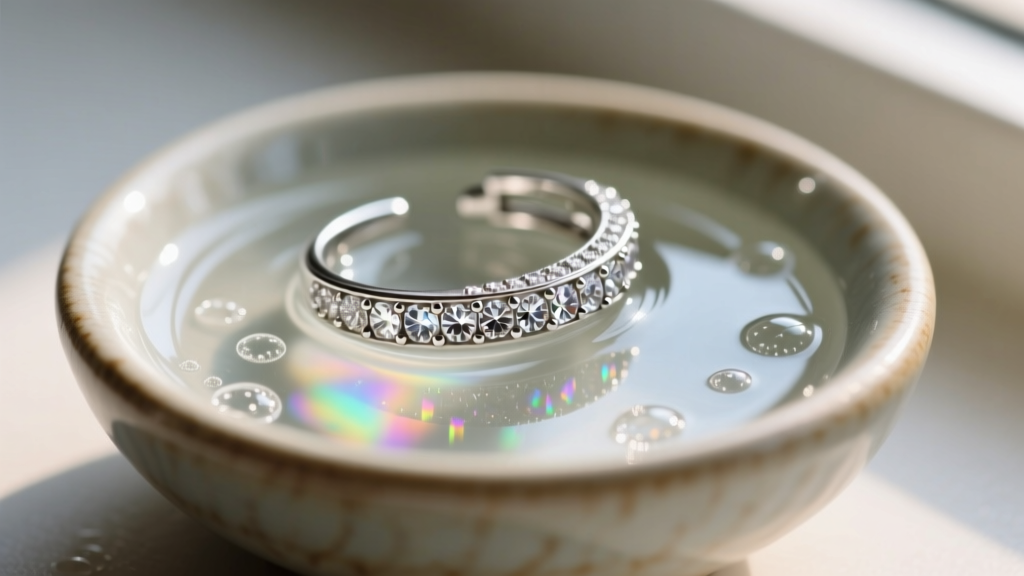
For sterling silver and solid gold pieces, mix a few drops of pH-neutral dish soap (like Dawn) into a bowl of lukewarm water. Let the earrings soak for no more than five minutes. Use a soft-bristled baby toothbrush to gently sweep the inner crevices. Rinse under distilled water to prevent hard water mineral deposits, and pat dry immediately.
The 40kHz Rule: Ultrasonic Cleaning Warnings
Ultrasonic cleaners are a staple in professional jewelry workshops, utilizing high-frequency sound waves (typically 40-45 kHz) to create microscopic cavitation bubbles that blast away dirt. While highly effective for solid metal on ear earrings, they are a catastrophic risk for pave settings. The intense vibrations can easily fracture included gemstones like emeralds or opals, and more commonly, they will shake the cubic zirconia or diamonds right out of their adhesive or micro-prong settings. Reserve ultrasonic cleaning strictly for plain, unembellished solid metal cuffs and clip-on frameworks.
Maintaining Tension and Preventing Metal Fatigue
The most common cause of death for an ear cuff is not tarnish, but structural failure. Ear cuffs rely on a precise C-shape tension to grip the helix or lobe. When a cuff feels too loose, the instinct is to squeeze it tighter with your fingers. When it feels too tight, you pull it apart. Doing this repeatedly causes work hardening.
Work hardening occurs when the crystalline structure of the metal is deformed, making it brittle. A 20-gauge or 18-gauge sterling silver cuff will snap cleanly in half after just three or four adjustments if bent back and forth. If your on ear earrings require resizing, use nylon-jaw pliers to prevent marring the metal, and bend the piece only once to the desired shape. If you are unsure, take it to a jeweler who can anneal the metal (heating it to relieve internal stress) before reshaping it on a steel mandrel.
Clip-On Hinge Mechanics
For clip-on earrings, the maintenance focus shifts to the hinge and the pressure pad. Spring-hinged clip-ons can lose their tension over time, causing them to slip off the lobe. A jeweler can easily tighten the internal spring mechanism. For screw-back clip-ons, never overtighten the screw against the earlobe; this strips the microscopic threads and causes painful pressure necrosis on the skin. Clean the silicone or resin pressure pads weekly with a cotton swab dipped in 70% isopropyl alcohol to remove skin oils that cause the pads to become slippery.
Preventing Contact Dermatitis
Because on ear earrings sit flush against the skin without the airflow of a piercing hole, they create a high-friction, high-moisture environment. This makes the wearer highly susceptible to allergic contact dermatitis, primarily triggered by nickel alloys often found in cheap brass base metals. The American Academy of Dermatology (AAD) notes that nickel allergy is one of the most common causes of skin rashes, affecting nearly 18% of the population.
If you experience itching or redness beneath your ear cuffs:
- Avoid the 'Clear Nail Polish' Hack: While often recommended online, nail polish chips quickly, traps bacteria underneath, and contains harsh solvents that can strip gold vermeil and react with brass.
- Opt for E-Coating: Look for brands that use nano-ceramic e-coating, a hypoallergenic, invisible polymer layer that seals the metal and prevents nickel leaching without altering the jewelry's appearance.
- Upgrade to Implant-Grade Titanium: For highly reactive skin, invest in on ear earrings machined from ASTM F136 implant-grade titanium, which contains zero nickel and is biologically inert.
Proper Storage to Prevent Warping
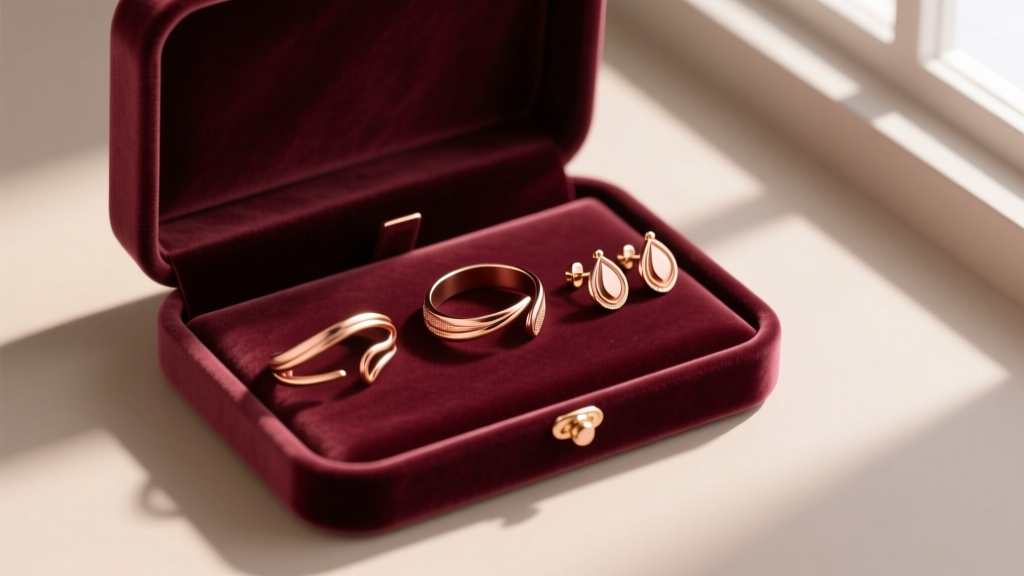
How you store your on ear earrings is just as critical as how you clean them. Tossing ear cuffs into a communal jewelry box allows them to become entangled with chains and hoops, which can warp their delicate C-shape or scratch their surfaces. Store each cuff individually in a soft flannel pouch or a dedicated compartment in a velvet-lined box. Keep them in a low-humidity environment, and consider adding a silica gel packet or anti-tarnish 3M strips to the storage area to absorb ambient sulfur compounds that cause silver to oxidize and turn black. By following these targeted maintenance protocols, your non-pierced jewelry will remain secure, brilliant, and comfortable for years to come.


