Dangle Earrings Green Styles: 2026 Budget & Value Guide
Evaluate the true cost of green dangle earrings in 2026. Compare gemstone values, metal grades, and hardware to make smart jewelry investments.

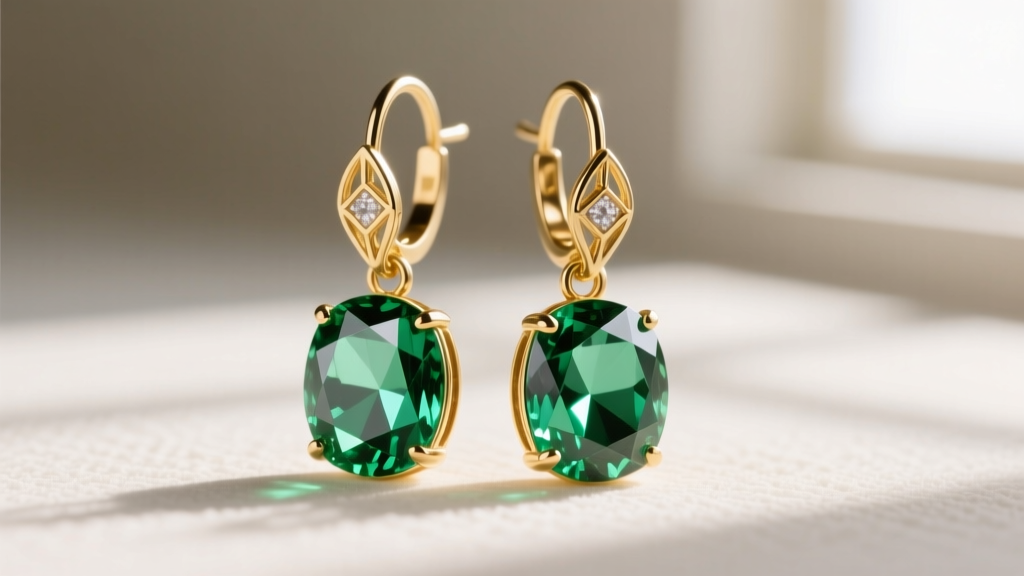
If your recent search history includes the exact phrase 'dangle earrings green', you are likely navigating a highly fragmented and often deceptive jewelry market. Green gemstones are universally flattering and highly sought after, but the price discrepancy between a $25 pair of dyed quartz drops and a $2,500 pair of natural emerald chandeliers is staggering. As we move through 2026, inflation and shifting supply chains have drastically altered the baseline pricing for colored gemstones and precious metals. Understanding the true value of green dangle earrings requires looking past the carat weight and examining the metal integrity, hardware gauge, and stone treatments that dictate long-term wearability and resale potential.
Decoding the Green Gemstone Hierarchy
Not all green stones hold their value, and budget brands frequently exploit consumer confusion by using ambiguous trade names. When evaluating dangle earrings, the specific green gemstone used is the primary driver of cost. For instance, Prasiolite (green amethyst) is often heat-treated and can fade under prolonged UV exposure, making it a poor long-term investment despite its attractive initial price point. Conversely, Tsavorite garnet offers a vivid, untreated green with exceptional brilliance and a Mohs hardness of 7 to 7.5, making it vastly superior for daily-wear dangles.
| Gemstone | Mohs Hardness | Avg. Price/Carat (2026) | Value Retention | Common Treatments |
|---|---|---|---|---|
| Prasiolite (Green Quartz) | 7.0 | $10 - $30 | Low | Heat / Irradiation |
| Peridot | 6.5 - 7.0 | $50 - $150 | Medium | Rarely Treated |
| Tsavorite Garnet | 7.0 - 7.5 | $500 - $2,000 | High | None |
| Natural Emerald | 7.5 - 8.0 | $1,000 - $5,000+ | Very High | Cedar Oil / Resin Filling |
| Lab-Created Emerald | 7.5 - 8.0 | $300 - $600 | Low | None (Synthetic) |
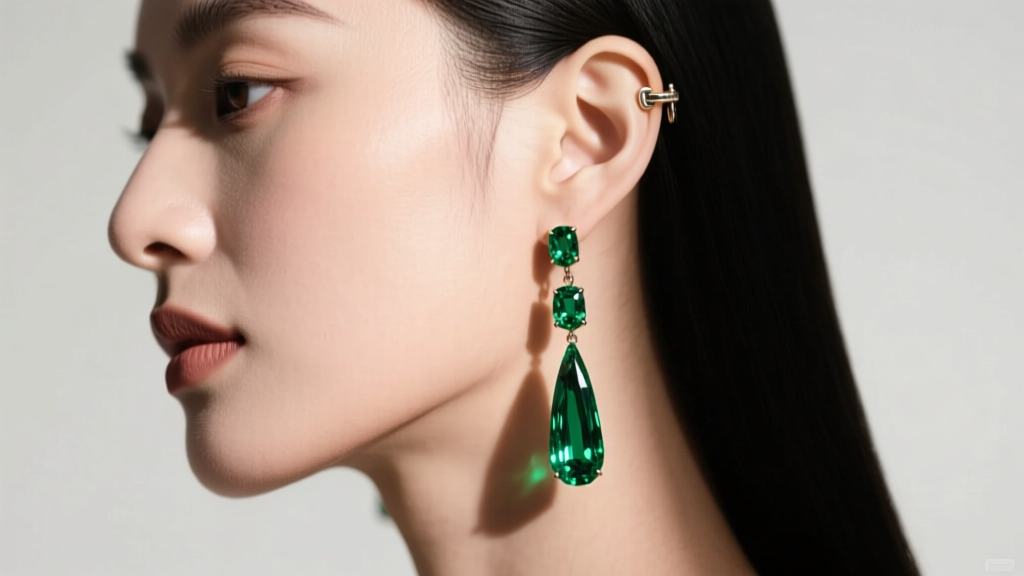
According to the Gemological Institute of America (GIA), natural emeralds almost always contain surface-reaching fractures that are filled with oils or resins to improve clarity. When buying emerald dangle earrings, you must factor in the maintenance cost, as these stones require periodic re-oiling and must never be cleaned in ultrasonic machines, which can strip the filler and leave the stone looking cloudy and fractured.
The Hardware Reality: Wire Gauge and Metal Plating
A common failure point in budget-friendly dangle earrings is the hardware. The earring wire must support the kinetic energy and weight of the dangling stones. Standard French hook wires are typically manufactured at 20-gauge (0.81mm). While perfectly adequate for lightweight peridot or quartz drops, 20-gauge wire will easily bend and warp under the weight of a 5-carat tsavorite or multi-stone emerald cluster.
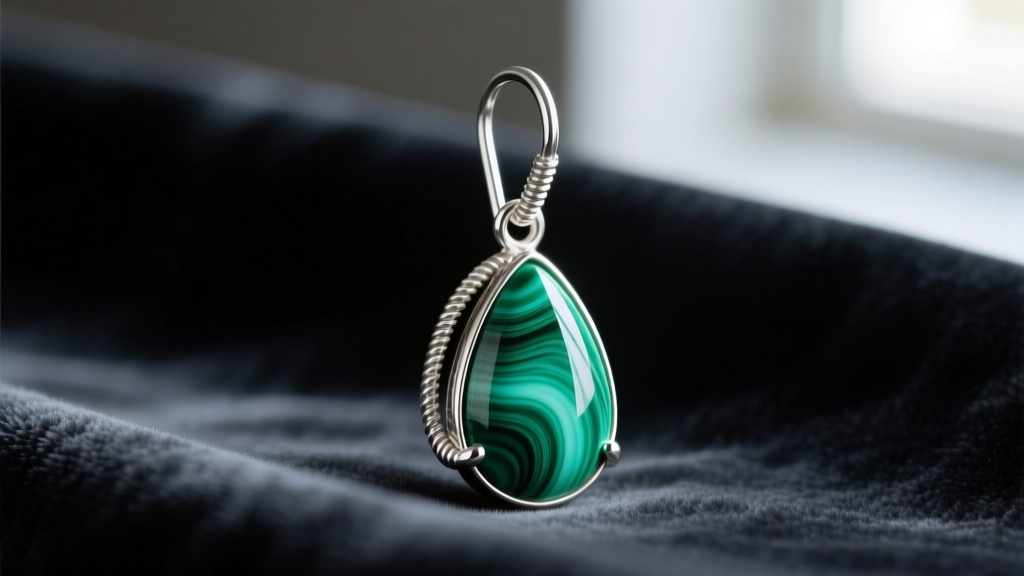
For heavier green dangles, insist on 18-gauge (1.02mm) wire or, preferably, a secure leverback closure. Leverbacks not only prevent loss but also distribute the weight more evenly across the earlobe. Furthermore, the base metal dictates the lifespan of the piece. The Federal Trade Commission (FTC) strictly regulates jewelry marking. 'Gold-plated' can mean a microscopic flash of gold over brass that will tarnish within weeks. 'Gold vermeil' legally requires a sterling silver (925) base with a minimum of 2.5 microns of gold plating. If a brand is selling 'green gemstone dangle earrings' for $40 and claiming they are vermeil, they are likely violating FTC guidelines, as the raw materials alone would exceed that retail price.
Weight Distribution and Earlobe Health
Dangle earrings inherently pull on the earlobe piercing. When dense green stones like malachite or jade are cut into large, unfaceted cabochons, the weight increases significantly compared to faceted stones of the same visual size. Prolonged wear of heavy, poorly balanced dangles can lead to earlobe stretching, tearing, or the development of a permanent downward slant in the piercing channel.
Expert Tip: If you are investing in heavy, high-carat green dangles, pair them with silicone earring support discs or specialized earlobe patches. These accessories distribute the downward force across a wider surface area of the ear, preserving the structural integrity of your piercing while allowing the earring to hang at the intended, flattering angle.
2026 Value Assessment: Price Tiers Explained
To determine if you are getting a fair deal, categorize the earrings into one of three distinct market tiers based on their material composition and craftsmanship.
Tier 1: The Fashion Budget ($20 - $60)
At this price point, expect base metals like brass or stainless steel with gold or rhodium flash plating. The 'green' stones will likely be dyed jade, glass, or cubic zirconia. These are perfectly acceptable for seasonal trends, but they possess zero resale value and will likely cause contact dermatitis once the plating wears through to the base metal.
Tier 2: The Accessible Luxury ($80 - $350)
This is the sweet spot for value. You should expect solid 925 sterling silver or 14k gold vermeil (verified at 2.5+ microns). The gemstones will be genuine but more abundant, such as well-cut peridot, prehnite, or small-calibrated prasiolite. The hardware should feature secure catches and smooth, polished wires that won't snag on hair or clothing.
Tier 3: The Fine Jewelry Investment ($500 - $3,000+)
Here, you are paying for rarity and precise lapidary work. Expect solid 14k or 18k gold, secure leverback or omega-back closures, and premium, untreated (or minimally treated) stones like Tsavorite or high-clarity Colombian emeralds. These pieces retain intrinsic value based on the spot price of gold and the gemological rarity of the stones.
Red Flags and Common Failure Modes
When assessing the value of green dangle earrings, be highly critical of the setting techniques used to secure the stones. Budget manufacturers frequently use two-part epoxy glues to set cabochon stones into bezel cups. Over time, exposure to skin oils, perfumes, and UV light causes this epoxy to yellow and become brittle. A yellowed glue line not only ruins the aesthetic of a vibrant green stone but eventually leads to the stone popping out and being lost.
Always look for mechanical settings—prongs, bezels, or gypsy settings—where the metal itself is physically pushed over the girdle of the stone to hold it in place. If you are buying vintage or second-hand green dangles, inspect the prongs under a jeweler's loupe. Green stones like emerald are notoriously brittle; a loose prong can allow the stone to rattle, leading to catastrophic chipping along the girdle edge.
Final Verdict: Maximizing Your Investment
Finding the perfect pair of dangle earrings requires balancing aesthetic desires with material realities. If you want the vivid, saturated green of an emerald without the astronomical price tag and high maintenance, lab-created emeralds or Tsavorite garnets offer the best optical and physical value. Always prioritize solid metals or verified heavy vermeil over mysterious 'gold-plated' alloys, and ensure the wire gauge is thick enough to support the stone's weight. By applying these strict assessment criteria, you can confidently navigate the market and secure green dangles that offer both immediate beauty and lasting structural integrity.


