Fixing English Lock Earrings: Troubleshooting & Care
Is your english lock earring stuck or drooping? Learn expert troubleshooting tips to fix bent wires, stiff hinges, and secure your favorite dangles.

The Mechanics of English Lock Earrings
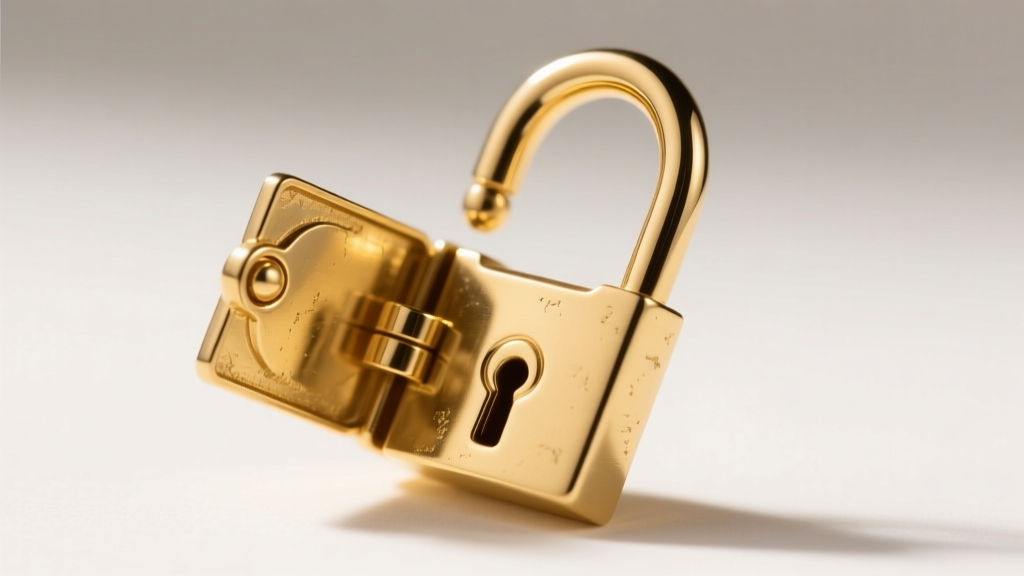
English lock earrings—often referred to as saddleback or leverback closures in various European markets—are celebrated for their exceptional security. Unlike standard butterfly push-backs or simple fishhook wires, the english lock mechanism features a hinged wire that threads through the ear piercing and snaps securely into a grooved catch on the back of the earring. This design makes them the premier choice for heavy dangles, valuable gemstone drops, and active wearers who refuse to risk losing their jewelry.
However, the very complexity that makes english lock earrings so secure also makes them susceptible to mechanical failures. As we move through 2026, jewelry repair desks are still inundated with complaints about stiff hinges, bent wires, and clasps that refuse to click shut. Understanding the anatomy and metallurgy of these closures is the first step toward effective troubleshooting.
Anatomy of the Closure
- The Wire (Post): Typically crafted in 18-gauge or 20-gauge thickness, featuring a precise factory-set curve to create tension against the catch.
- The Hinge: A micro-barrel or pinch-hinge connecting the wire to the main body of the earring.
- The Saddle (Lock Piece): The curved metal arm that houses the catch groove.
- The Catch: The small notch or tension sleeve where the tip of the wire seats to produce the signature 'click'.
Troubleshooting Common English Lock Problems
Problem 1: The Hinge is Stiff, Sticky, or Stuck
If your english lock earring requires excessive force to open or snaps shut with dangerous aggression, the hinge is likely compromised. This is rarely a structural defect; it is almost always a buildup of microscopic debris. Daily exposure to sebum, lotions, hairspray, and mineral-heavy hard water creates a calcified sludge inside the micro-barrel hinge.
The Fix: Never use a needle or metal pin to pick at the hinge, as this will scratch the precious metal and potentially jam the pin mechanism. Instead, prepare a solution of warm distilled water and a few drops of mild, phosphate-free dish soap. Submerge the earring for 15 minutes. Use an extra-soft baby toothbrush to gently agitate the hinge area. Rinse with distilled water and dry with a microfiber cloth. If the hinge remains stiff, apply a microscopic drop of synthetic watch oil (like Moebius 9010) to the hinge pin using a toothpick. Avoid standard WD-40, which leaves a gummy residue that attracts more dirt.
Problem 2: The Wire is Bent and Won't Click Shut
The signature security of english lock earrings relies on the precise curvature of the wire. When you pull the earring off by the saddle rather than the hinged wire itself, or if the earring is crushed in a jewelry box, the 18g or 20g wire bends. If the wire bends outward, it will miss the catch entirely. If it bends inward, it will bind against the side of the saddle and refuse to close.
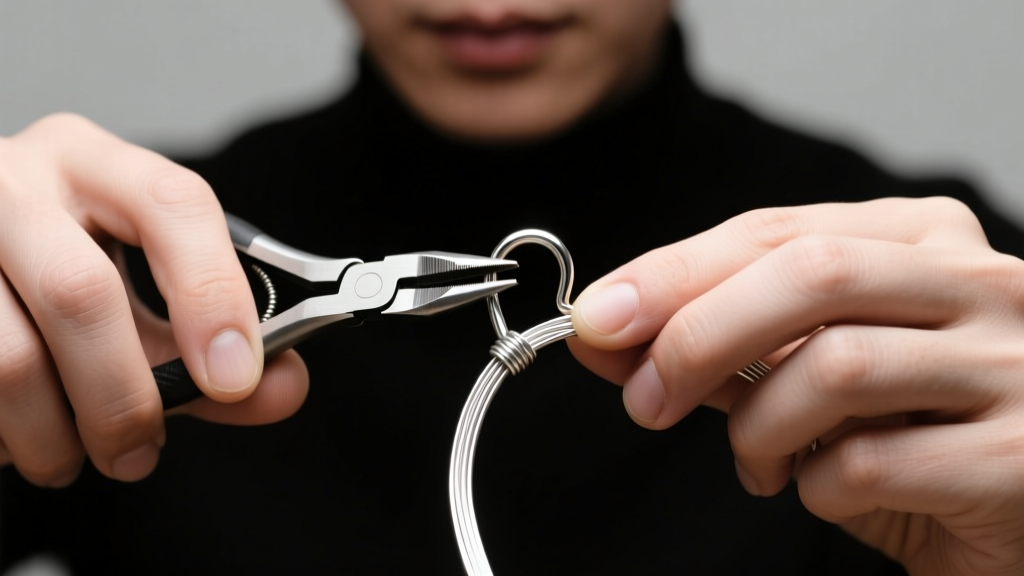
The Fix: You must realign the wire without marring the metal. Never use standard steel jewelry pliers, as the hardened steel teeth will gouge sterling silver, gold, or platinum. Use nylon-jaw pliers or wrap the tips of your flat-nose pliers in several layers of painter's tape. Grip the wire at its base (near the hinge) to provide support, and apply gentle, incremental pressure to restore the original 5-to-10-degree factory curve. Test the tension frequently against the catch. The goal is a crisp 'click' that requires only mild thumb pressure to engage.
Problem 3: The Earring Droops Forward on the Lobe
Many wearers assume a drooping earring means the lock is broken. In reality, this is a proportional mismatch between the wire gauge, the lock's center of gravity, and your earlobe thickness. English lock earrings have a fixed distance between the top of the wire and the bottom of the saddle. If your earlobe is thinner than this gap, the heavy dangle will pull the entire earring forward, making it look saggy and feel insecure.
The Fix: You cannot easily change the physical dimensions of the lock without a jeweler's laser welder. The most practical, non-destructive solution is to use a silicone earring O-ring or a specialized silicone friction disc. Slide the disc onto the wire before threading it through your ear. This fills the negative space between your lobe and the metal saddle, providing a cushion that keeps the earring sitting perfectly upright while adding a secondary layer of security.
Troubleshooting Quick-Reference Chart
| Symptom | Probable Cause | Tool Required | Expert Solution |
|---|---|---|---|
| Hinge squeaks or binds | Sebum/lotion calcification | Soft brush, mild soap | Soak 15 mins, brush, dry completely |
| Wire misses the catch | Wire bent outward | Nylon-jaw pliers | Gently bend wire inward to restore tension |
| Lock won't stay closed | Catch groove worn down | Jeweler's file / Loupe | Professional recutting of the catch notch |
| Earring droops forward | Earlobe thinner than saddle gap | Silicone O-rings | Add silicone friction disc to fill gap |
| Skin irritation at lock | Nickel in solder or base alloy | Metal testing kit | Switch to 14k/18k gold or 316L steel |
Material Matters: Why Your Lock is Causing Irritation
Because the english lock mechanism requires moving parts and structural integrity, manufacturers sometimes use harder base metals or nickel-bearing solders at the hinge joint, even if the main body of the earring is stamped as gold or silver. If you experience itching, redness, or flaking specifically on the back of your earlobe where the lock rests, you are likely reacting to nickel or copper alloys.
To solve this, inspect the hallmarking. For sensitive ears, insist on 14k or 18k solid gold (ensure it is nickel-free, as some white gold alloys contain nickel), platinum, or implant-grade 316L surgical steel. According to the Gemological Institute of America (GIA), proper metal selection and routine cleaning are paramount for preventing contact dermatitis associated with complex jewelry closures. If you have a beloved pair of vintage english lock earrings that cause irritation, a jeweler can coat the saddle and wire in a medical-grade parylene conformal coating, creating an invisible, hypoallergenic barrier without altering the look of the metal.
Step-by-Step English Lock Maintenance Guide
Preventative maintenance is vastly superior to reactive repair. Incorporating a simple monthly routine will extend the life of your hinges and keep the tension perfectly calibrated.
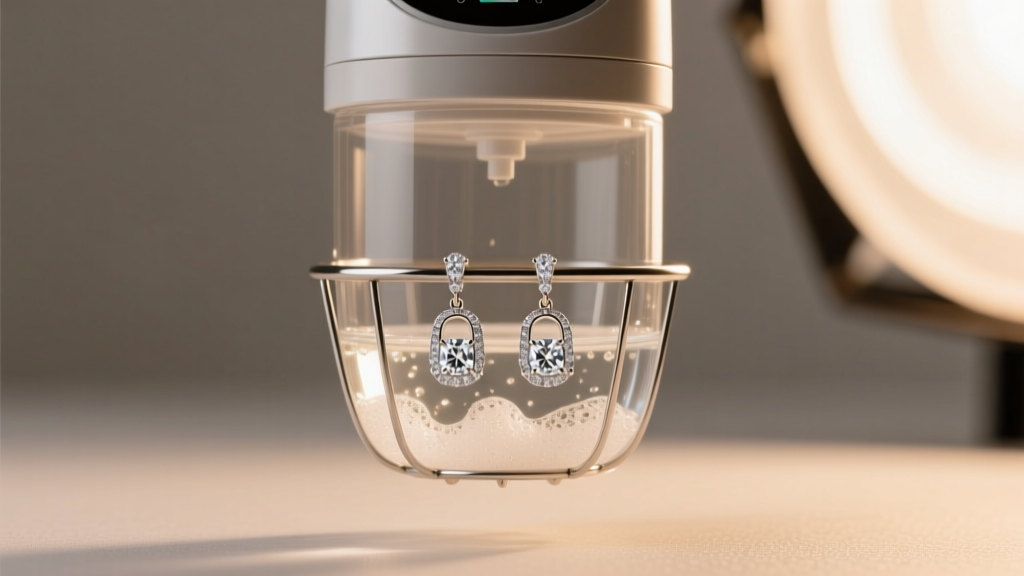
Ultrasonic Warning: While ultrasonic cleaners are fantastic for degreasing diamond and sapphire english lock drops, they can be catastrophic for porous gems. Never put emeralds, opals, pearls, or turquoise in an ultrasonic bath. The high-frequency vibrations can fracture these stones or strip their protective oil treatments. For these materials, stick to the manual soapy soak method.
The Jewelers of America recommends regularly checking the tension of all hinged jewelry components. To test your english lock, hold the earring by the main body and let the saddle hang open. Give it a gentle shake. If the wire flops around loosely, the hinge pin may be wearing thin and requires professional tightening. If the saddle stays firmly in place and requires deliberate thumb pressure to move, the hinge tension is optimal.
When to Replace vs. Repair
Not every broken english lock can be fixed at home. If the micro-barrel hinge itself has cracked, or if the wire has snapped flush with the base, DIY repairs will only cause further damage. These issues require a professional bench jeweler equipped with a laser welder. Laser welding allows the jeweler to fuse the broken wire or hinge back together using localized heat, which prevents thermal damage to any nearby gemstones or enamel work. Expect to pay between $45 and $120 for a professional laser weld and lock realignment, depending on the metal and the complexity of the setting.
By understanding the precise mechanics of the saddleback wire, utilizing the correct non-marring tools, and maintaining a strict cleaning regimen, your english lock earrings will remain secure, comfortable, and perfectly functional for decades to come.


