How to Take Off Flat Back Earring: Stuck Stud Removal Guide
Learn how to take off flat back earring styles safely. Expert troubleshooting for stuck, overtightened, or threadless cartilage and lobe labret studs.

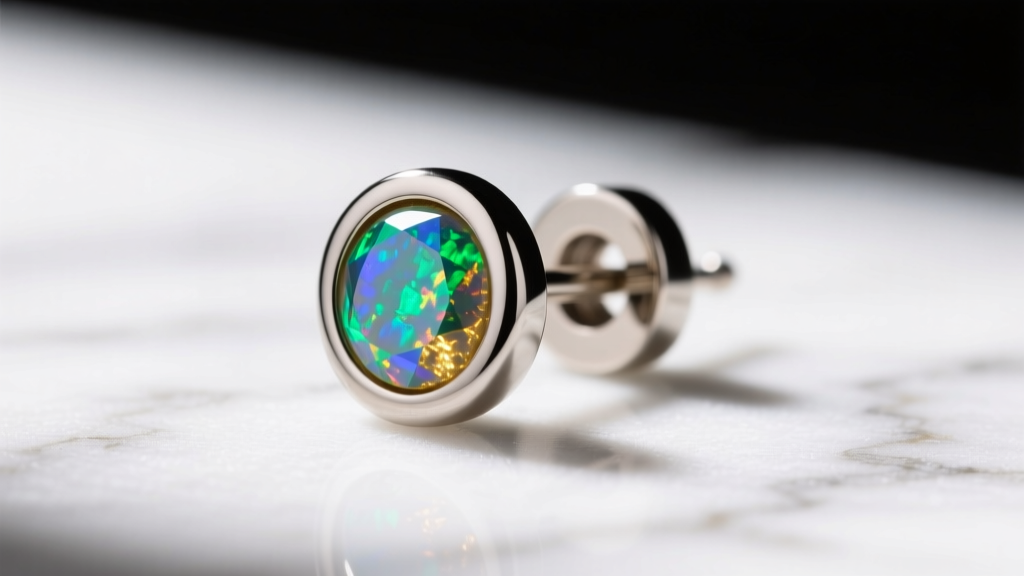
Flat back earrings, technically known as labret studs, are the gold standard for cartilage, tragus, conch, and lobe piercings. Their flat disc base sits flush against the skin, eliminating the sharp points and uncomfortable friction associated with traditional butterfly backs. However, their secure, low-profile design can make removal incredibly frustrating. Whether you are dealing with a stuck threadless push-pin, an overtightened internally threaded stud, or a buildup of natural sebum acting like glue, figuring out how to take off flat back earring jewelry requires the right technique and tools.
In this comprehensive troubleshooting guide, we break down the exact mechanics of flat back removal, address common failure modes, and provide actionable steps to safely extract your jewelry without damaging your piercing fistula or the jewelry itself.
The Anatomy of a Flat Back Earring
Before attempting removal, you must identify the threading mechanism of your jewelry. High-end body jewelry brands like BVLA, Maria Tash, and Anatometal typically use one of two secure fitting methods for implant-grade titanium (ASTM F-136) or solid 14k/18k gold flat backs:
- Threadless (Push-Pin): The decorative end features a slightly bent metal pin that inserts into the hollow post. Tension holds the two pieces together.
- Internally Threaded: The screw threads are located on the inside of the hollow post, while the decorative end has a smooth pin that screws into it. This is the standard recommended by the Association of Professional Piercers (APP) because it prevents tissue damage during insertion and removal.
- Externally Threaded: The screw threads are on the decorative ball or gem, which screws into the hollow post. (Note: This is largely considered outdated for high-quality body jewelry due to the risk of cross-threading and tissue tearing).
Step-by-Step: How to Take Off Flat Back Earring Styles
Preparation is critical. Wash your hands thoroughly with antibacterial soap, and ensure your hair is tied back so it doesn't snag on the jewelry. Never attempt to remove a flat back earring with wet, slippery fingers or immediately after a hot shower when your skin is overly soft and prone to micro-tears.
Removing Threadless (Push-Pin) Jewelry
Threadless jewelry relies on tension, not twisting. The most common mistake people make is trying to unscrew a push-pin end, which will only loosen the gemstone setting or bend the internal pin beyond repair.
- Grip the flat back disc firmly between your thumb and index finger behind the earlobe or cartilage.
- Grip the decorative front end with your other hand.
- Apply a gentle bending motion—pushing the front and back slightly away from each other at an angle (about 5 to 10 degrees) while pulling apart.
- The tension bend will release, and the pin will slide out of the hollow post.
Removing Internally Threaded Jewelry
For internally threaded studs, the rule is "lefty-loosey" (counter-clockwise to remove). However, simply twisting the front gem can cause the entire post to spin inside your piercing channel, leading to irritation and granulomas.
- Reach behind your ear and pinch the flat back disc securely to hold it completely still.
- With your other hand, grip the decorative front end and twist counter-clockwise.
- If the post spins, you must apply more stabilizing pressure to the back disc. Using a rubber grip pad can drastically improve your leverage.
Troubleshooting: When the Earring Won't Budge
If you have applied the correct technique and the jewelry remains stuck, do not resort to brute force. Excessive pulling can cause the piercing channel to swell, effectively trapping the jewelry. Below is a diagnostic framework for the most common flat back removal failures.
| Failure Mode | Root Cause | Actionable Solution |
|---|---|---|
| Slipping Grip | Natural skin oils or lotion on fingers. | Put on textured nitrile medical gloves. They provide immense friction without introducing bacteria. |
| Sebum "Cement" | Dried body oils and dead skin locking the threads or pin. | Soak a cotton swab in warm saline or warm water and hold it against the back disc for 3 minutes to soften the buildup. |
| Cross-Threading | The front pin was forced into the post at an angle, jamming the threads. | Do not force it. Use padded hemostats to grip the post behind the ear while gently wiggling and turning the front counter-clockwise. |
| Embedded Flat Back | Swelling has caused the skin to grow slightly over the edges of the flat disc. | Stop immediately. Apply a cold compress to reduce swelling. If the skin fully covers the disc, see a professional piercer or doctor. |
The Temperature Trick: Heat vs. Cold
When dealing with a severely stuck threaded flat back, temperature manipulation can be your best ally. Metal expands and contracts with temperature changes, and your body's sebum reacts to heat.
When to use Heat: If the earring is stuck due to dried sebum and dead skin cells acting like glue around the base of the gem or inside the threads, apply a warm, damp compress to the front and back of the ear for five minutes. The heat softens the organic matter, breaking the seal. Follow this with a gentle twist using nitrile gloves.
When to use Cold: If your ear is slightly swollen from a recent irritation bump or sleeping on the piercing, the tissue may be gripping the post too tightly. Wrap an ice pack in a clean paper towel and hold it against the ear for 3 to 5 minutes. The cold reduces local tissue edema (swelling) and causes the metal post to contract microscopically, creating just enough clearance to slide the post out.
Essential Tools for Stubborn Flat Backs
Professional piercers rarely use just their bare hands to remove stubborn jewelry. If you frequently wear high-end body jewelry, investing in a basic removal kit will save you hours of frustration and prevent damaged gemstone settings.
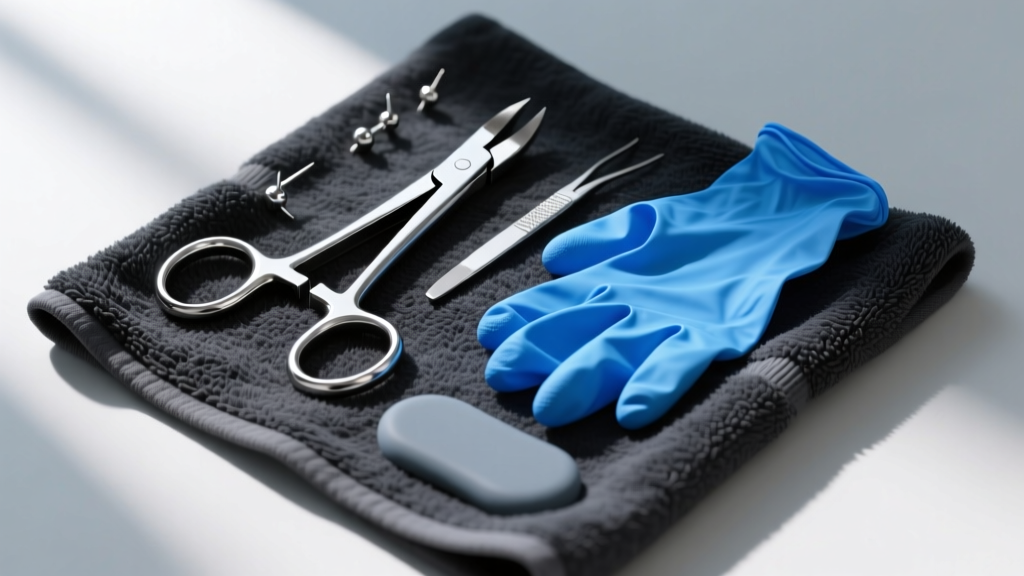
- Tapered Hemostats (Locking Forceps): These allow you to clamp down onto the flat back disc or the post, providing a locked, hands-free grip. Crucial Tip: Always wrap the metal jaws of the hemostat in medical tape or a small piece of gauze before clamping onto your jewelry. Bare steel hemostats will easily scratch PVD coatings, gold plating, and polished titanium.
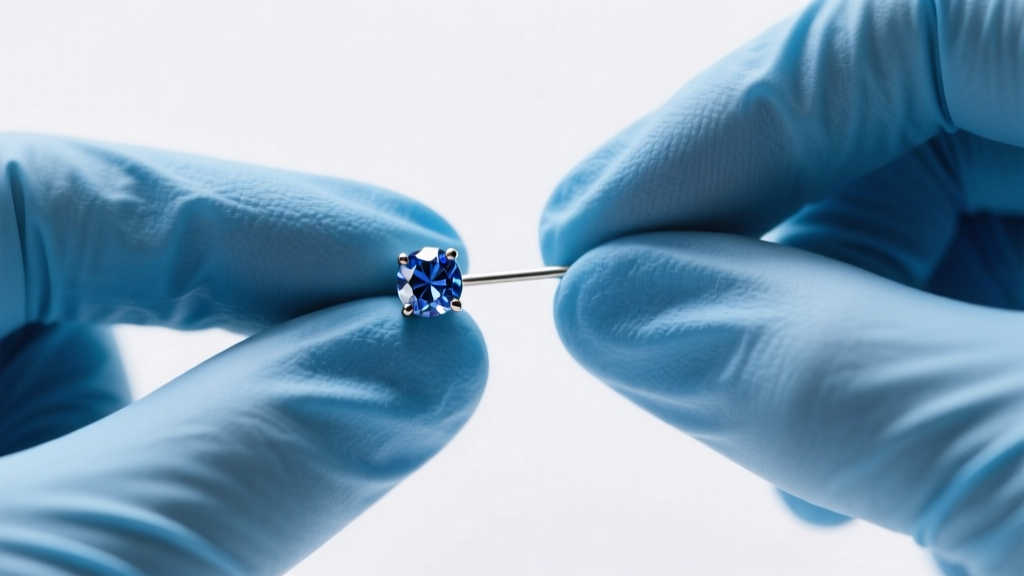
- Textured Nitrile Gloves: The single most effective tool for removing threadless push-pin jewelry. The rubber grip allows you to pull the tension-fit pieces apart without your fingers slipping off the small gemstone.
- Silicone Grip Pads: Often used for opening tight jars, these small rubber squares provide excellent traction for twisting internally threaded ends.
When to See a Professional Piercer
Knowing when to stop your DIY removal attempts is just as important as knowing the correct technique. You should visit a reputable, APP-certified piercing studio if you experience any of the following:
- The decorative end is completely loose or missing, leaving only the hollow post in your ear, and you cannot grip the flat back disc from behind.
- The piercing is hot to the touch, actively oozing yellow/green pus, or you have a fever (signs of infection that require medical attention, not just jewelry removal).
- The flat back disc has become embedded under the skin due to severe swelling or wearing a post that is too short for your anatomy.
- You suspect the jewelry is cross-threaded and will not budge despite using padded hemostats and nitrile gloves.
Piercers have specialized tools, such as taper pins and specialized clamps, to safely extract stuck jewelry without traumatizing the fistula. Most studios will remove jewelry you purchased elsewhere for a nominal fee (typically $10 to $20), or for free if you bought the jewelry from their shop.
Aftercare and Reinsertion Tips
Once you have successfully figured out how to take off flat back earring jewelry, do not immediately reinsert it without cleaning. Over time, the hollow post of a labret stud collects microscopic debris. Use an ultrasonic jewelry cleaner, or gently scrub the post and threads with a soft baby toothbrush and mild, fragrance-free dish soap. Rinse thoroughly with distilled water and dry with a lint-free cloth.
When reinserting a threadless pin, remember to bend it slightly before pushing it into the post. A straight pin will slide right out, while a pin bent at a severe 45-degree angle will be nearly impossible to remove later. A gentle 5-degree curve provides the perfect balance of security and future removability. For internally threaded jewelry, ensure the threads align perfectly before turning; if you feel resistance on the first twist, back it out and try again to avoid cross-threading your expensive body jewelry.