How to Choose the Perfect Dangle Bow Earrings: A Buyer's Guide
Discover what to look for when buying dangle bow earrings. Learn about metal grades, gauge sizes, clasp security, and pricing in our expert guide.

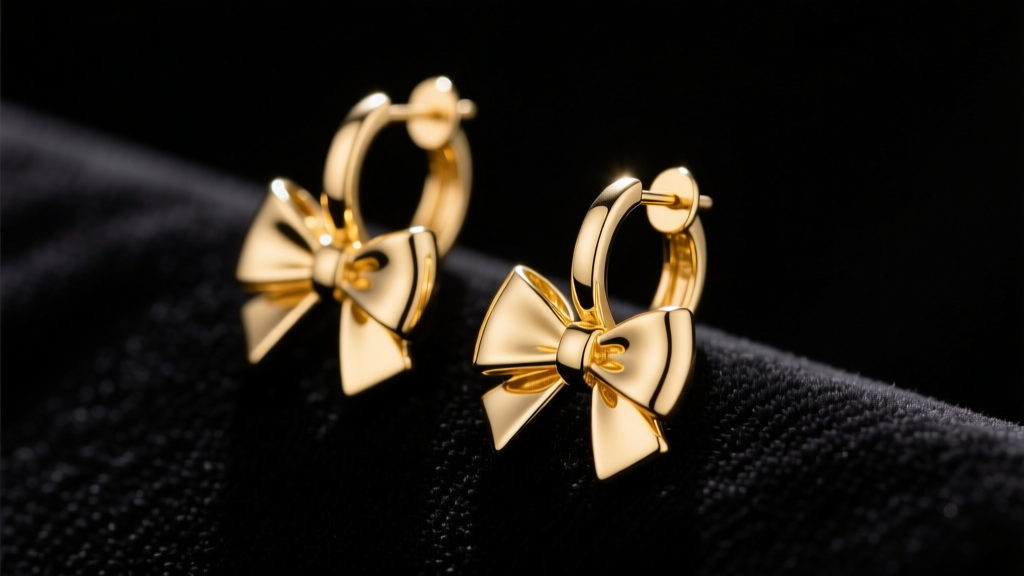
The Evolution of the Bow: From Trend to Timeless
In 2026, the viral 'coquette' aesthetic has matured into what industry insiders call 'heirloom coquette.' Jewelry buyers are moving away from disposable, fast-fashion brass accessories and seeking out dangle bow earrings that offer structural longevity and fine material grades. While the bow motif remains a symbol of playful femininity, the modern buyer demands that these pieces withstand daily kinetic stress without bending, tarnishing, or losing their charms. This buying guide cuts through the marketing fluff to help you evaluate the exact metallurgical and structural markers of high-quality dangle bow earrings.
Decoding Metal Grades and Plating Standards
When evaluating dangle bow earrings, the metal grade dictates both longevity and skin compatibility. Because dangle earrings swing and catch the light, surface wear is inevitable. According to the Gemological Institute of America (GIA), understanding the difference between solid alloys and plated bases is critical for investment pieces.
| Material Grade | Composition | Durability & Wear | Average Price Range |
|---|---|---|---|
| Gold Vermeil | Sterling silver base, 2.5+ microns of gold | High (if cared for); will eventually wear to silver | $80 - $150 |
| Solid 14k Gold | 58.3% pure gold, alloyed with copper/zinc | Excellent; highly resistant to bending and tarnish | $300 - $650 |
| Solid 18k Gold | 75% pure gold, richer yellow hue | Good; slightly softer, prone to micro-scratches | $500 - $900 |
| Platinum | 95% pure platinum, hypoallergenic | Exceptional; heavy, develops a patina over time | $1,200+ |
Expert Tip: Avoid 'gold-plated' or 'gold-filled' earrings if you have sensitive lobes. The FTC mandates that vermeil must have a minimum of 2.5 microns of gold over a sterling silver base. Anything thinner will wear through to the base metal within months of daily friction, potentially exposing nickel alloys that cause contact dermatitis.
Structural Anatomy: Gauges, Jumps, and Clasps
The anatomy of a dangle earring introduces kinetic stress that static studs simply do not face. Every time you turn your head, brush your hair, or pull off a sweater, the physical connections of the earring are tested.
Wire Gauge and Weight Distribution
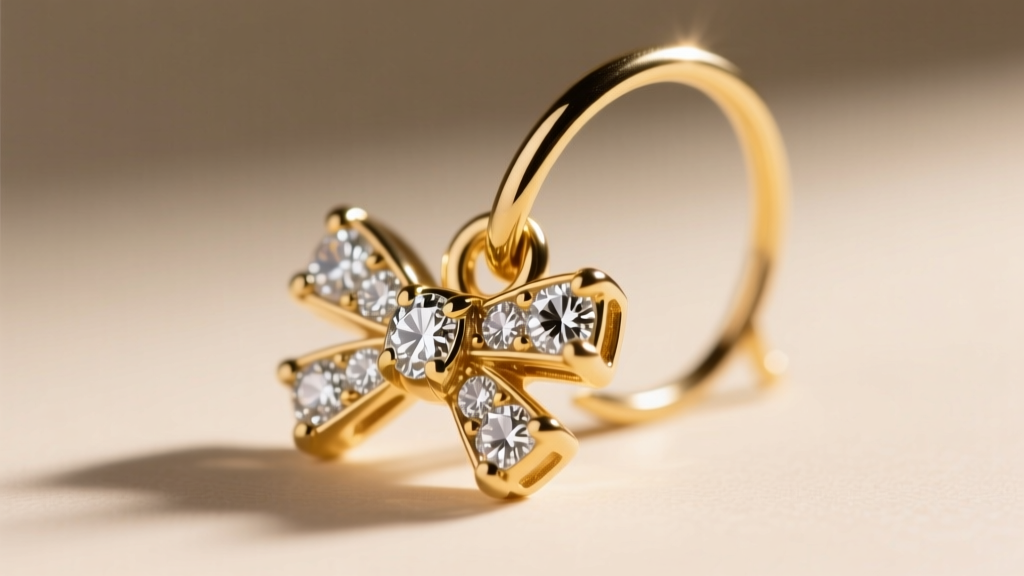
Wire gauge refers to the thickness of the ear hook. A standard 20-gauge (0.81mm) French wire is perfectly adequate for hollow, lightweight sheet-metal bows weighing under 3 grams. However, if you are purchasing a solid cast bow or a diamond pave design weighing over 4 grams per earring, you must insist on an 18-gauge (1.02mm) wire. An 18-gauge hook prevents the metal from bending open under the pendulum weight of a heavy bow, which is the primary reason expensive dangle earrings slip out of the lobe and get lost.
The Jump Ring Failure Point
The jump ring is the tiny circular link connecting the ear wire to the bow charm. According to repair data from the Jewelers of America, unsoldered jump rings are the leading cause of lost charms in dangle jewelry. If you look closely at the connection point and see a tiny slit where the wire ends meet, the ring is unsoldered. A sharp tug will pull it apart. Always seek out dangle bow earrings where the jump ring is fully soldered shut, or where the bow is integrated directly into the ear wire via a seamless hinge.
Pricing Framework: What You Should Actually Pay
Navigating the pricing of bow earrings can be confusing, as brand markups often obscure the actual melt value and craftsmanship costs. Use this framework to ensure you are paying a fair market rate:
- Fashion / Demi-Fine (Vermeil & Plated): $60 to $150. You are paying for the design and brand name. Ensure the clasp is secure and the plating is at least 2.5 microns.
- Fine Jewelry (Solid 14k/18k, No Stones): $250 to $600. Pricing should correlate directly with the gram weight of the gold. A delicate 14k bow should cost around $300, while a chunky, solid 18k sculptural bow will push $600.
- High Jewelry (Pave Diamonds & Gemstones): $1,200 to $4,500+. At this tier, you are paying for diamond clarity (VS1-VS2), color (F-G), and the micro-setting labor required to pave the intricate loops of a bow.
Proportions and Face Shape Pairing
Because dangle bow earrings draw the eye downward, the length and width of the bow dramatically impact facial proportions. Selecting the right silhouette is just as important as selecting the right metal.
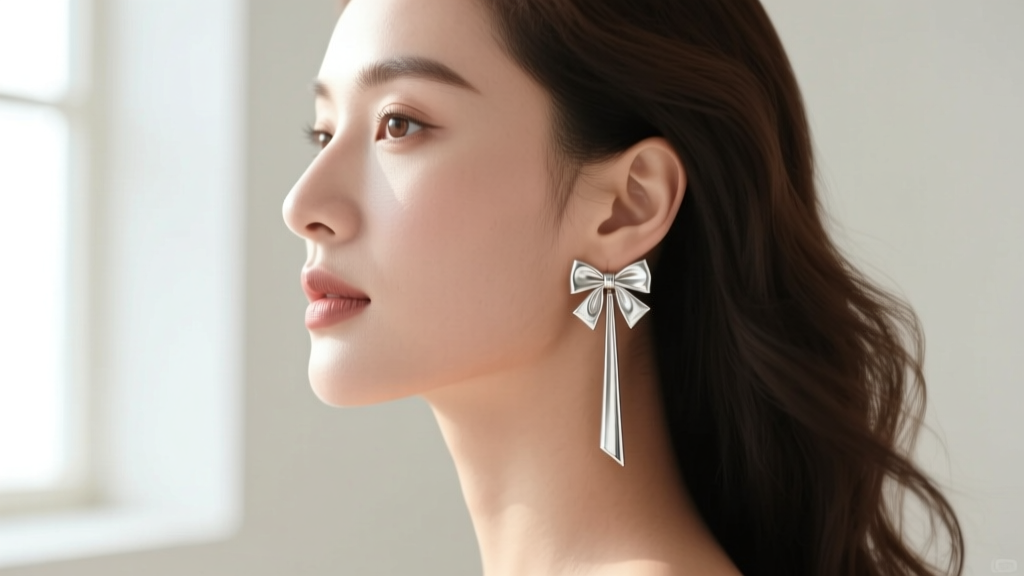
- Round Faces: Opt for elongated, narrow drop-bows. The vertical lines create an optical illusion that slims and elongates the face. Avoid wide, chunky bows that sit right at the jawline.
- Square Faces: Look for bows with soft, rounded loops and curved ribbons. The organic curves of the bow will soften sharp jawlines and angular cheekbones.
- Heart Faces: Bottom-heavy designs work beautifully. A bow where the 'tails' or ribbons fan out at the bottom will add visual weight to a narrower chin, balancing the wider forehead.
- Oval Faces: The universal canvas. Oval faces can pull off oversized, avant-garde sculptural bows as well as microscopic, delicate pave bows with equal elegance.
The Pre-Purchase Inspection Checklist
Before finalizing your purchase, whether in-store or online, run the piece through this rigorous quality control checklist:
- The Tug Test: Gently pull the bow away from the ear wire. If the jump ring opens even a fraction of a millimeter, the piece is structurally compromised.
- Hallmark Verification: Look for the '14K', '18K', or '925' stamp on the ear wire post, not just the packaging.
- Clutch Security: If the earrings use a post-and-clutch back rather than a French wire, ensure the clutches have silicone grips or double-notched metal grooves to prevent the heavy bow from drooping forward.
- Weight Check: Ask for the exact gram weight. If a solid gold bow weighs less than 1.5 grams, it is likely hollow electroformed, making it highly susceptible to crushing if dropped.
By prioritizing structural integrity and precise material grades over fleeting fast-fashion trends, you ensure your dangle bow earrings remain a secure, timeless staple in your jewelry wardrobe for decades to come.


