Silpada Hammered Hoop Earrings: A Metallurgical & Style Deep Dive
Discover the metallurgy, craftsmanship, and styling mechanics behind Silpada hammered hoop earrings in our expert technical deep dive.

The Metallurgy of 925 Sterling Silver
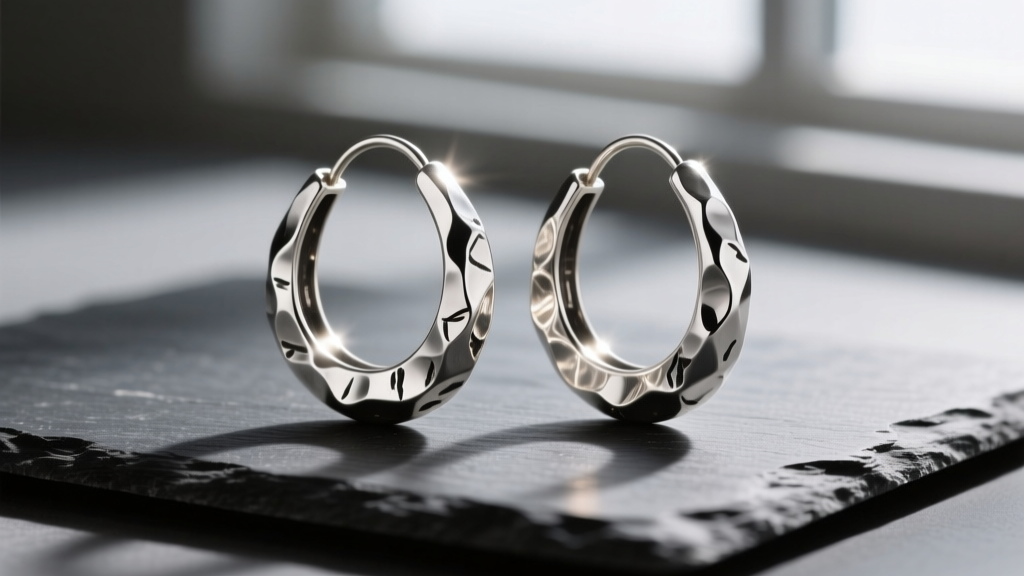
When evaluating luxury artisan jewelry, understanding the base metallurgy is paramount. Silpada hammered hoop earrings are predominantly forged from 925 sterling silver. Unlike pure silver (99.9%), which is too malleable for structural jewelry, sterling silver is an alloy composed of 92.5% silver and 7.5% copper. According to The Silver Institute, this precise copper ratio is the industry standard because it introduces necessary tensile strength without compromising the luminous reflectivity of the precious metal.
However, the introduction of copper creates a specific vulnerability: oxidation. The copper atoms within the alloy lattice react with sulfur compounds in the atmosphere to form silver sulfide, the black compound we commonly refer to as tarnish. In hammered pieces, this chemical reaction is actually leveraged as a design element. The microscopic valleys created by the hammering process trap oxidation, creating natural antiquing that provides high-contrast depth and emphasizes the artisanal texture of the metal.
The Physics of the Hammered Finish: Work Hardening
The signature aesthetic of Silpada hammered hoop earrings is not merely cosmetic; it is a structural engineering technique known as work hardening or strain hardening. When a silversmith strikes the metal with a planishing hammer, the physical impacts compress the silver's crystalline lattice structure. This compression introduces dislocations within the metal's grain, effectively increasing its yield strength and making the hoop highly resistant to bending, warping, or losing its perfect circular geometry under daily stress.
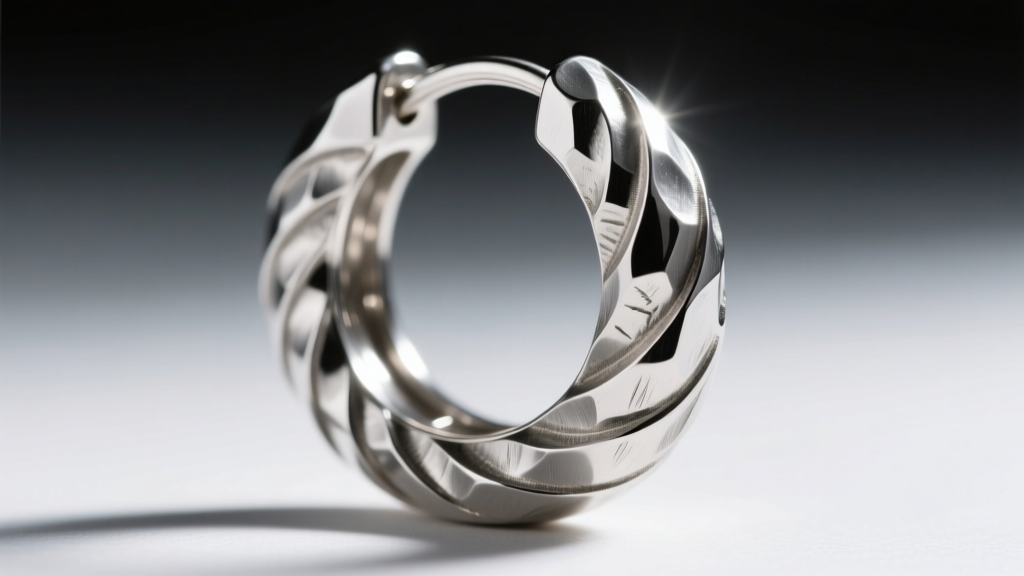
Furthermore, the hammered texture fundamentally alters the optical properties of the earring. A high-polish silver hoop acts like a convex mirror, reflecting light in a concentrated, blinding glare that can visually widen the face. In contrast, the multifaceted surface of a hammered hoop scatters ambient light in multiple directions. This diffuse reflection creates a softer, more organic glow that draws the eye without overwhelming the wearer's natural features, a key reason why these pieces remain a staple in sophisticated capsule wardrobes.
Structural Mechanics and Closure Engineering
The longevity of any hoop earring relies heavily on its wire gauge and closure mechanism. Because the hammering process requires a substantial volume of metal to create deep, overlapping planishing marks, Silpada's hammered hoops are inherently heavier than their smooth counterparts. To support this weight without causing earlobe elongation or tearing, the structural engineering of the wire and the hinge must be perfectly calibrated.
| Wire Gauge | Diameter (mm) | Typical Use in Hammered Hoops | Ear Lobe Stress Factor |
|---|---|---|---|
| 14-Gauge | 1.6 mm | Heavy, large-diameter statement hoops (over 2 inches) | Moderate to High (Requires thicker piercings) |
| 16-Gauge | 1.2 mm | Medium everyday hammered hoops (1 to 1.5 inches) | Low (Ideal for standard lobe piercings) |
| 18-Gauge | 1.0 mm | Delicate huggies or lightweight textured wire | Very Low (Can bend if snagged) |
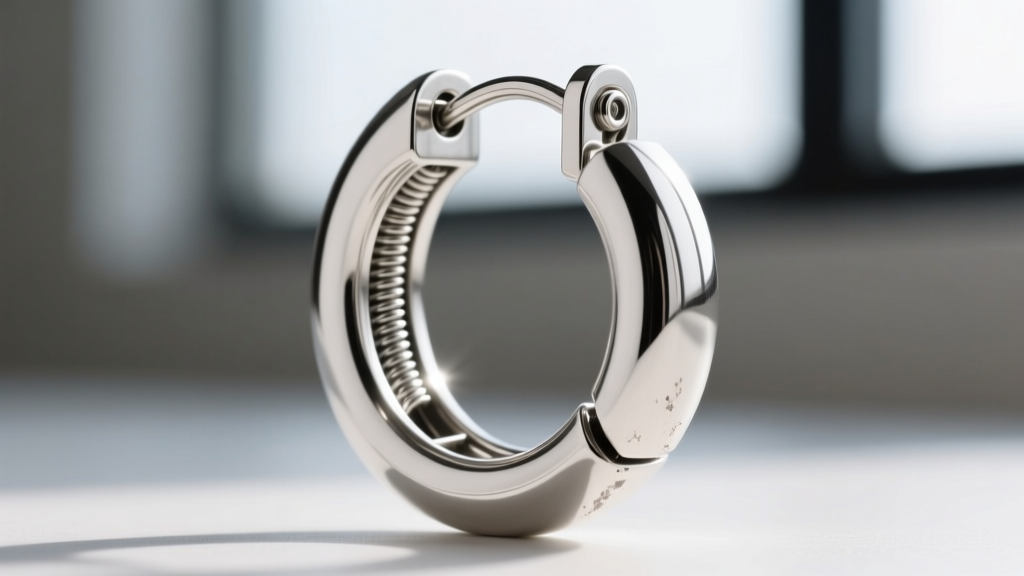
Most medium-to-large Silpada hammered hoops utilize a specialized saddleback or hinged latch-back closure. The Gemological Institute of America (GIA) notes that secure closures are critical for heavy precious metals. A hinged latch-back features a precisely machined groove on the post that snaps securely into a corresponding catch on the opposite side of the hoop. This mechanical lock prevents the earring from sliding out during sleep or physical activity, a common failure point in cheaper, friction-based fishhook designs.
Geometric Styling and Face Shape Mapping
Selecting the correct diameter and texture density for your face shape elevates the earring from a mere accessory to a structural framing device. The light-scattering properties of the hammered finish interact differently with various facial geometries.
- Round Faces: Opt for elongated, oval-shaped hammered hoops or large-diameter circles (2 inches or more). The vertical drop and the shadow-casting texture of the hammer marks help to visually lengthen the jawline and cheekbones.
- Square Faces: Choose medium-sized, perfectly round hammered hoops (1.25 to 1.5 inches). The soft, organic curves of the artisanal hammering contrast beautifully with sharp, angular jawlines, softening the overall profile.
- Heart-Shaped Faces: Teardrop or bottom-heavy hammered hoops are ideal. The concentrated texture and weight at the bottom of the hoop add visual volume to the narrower lower half of the face, creating symmetrical balance.
- Oval Faces: Universally flattering. Oval faces can carry the boldest, thickest 14-gauge hammered statement hoops without the risk of the jewelry overpowering the wearer's natural proportions.
Chemical Maintenance and Patina Control
Maintaining the intricate topography of hammered silver requires a departure from standard jewelry care. Abrasive polishing cloths and liquid silver dips are strictly contraindicated for heavily textured pieces. Abrasives will inevitably wear down the raised peaks of the hammer marks over time, flattening the texture, while chemical dips strip the oxidation from the crevices, resulting in a flat, lifeless, and overly bright appearance.
"The secret to maintaining artisanal hammered silver is to clean the peaks while preserving the dark, oxidized valleys. This contrast is what gives the metal its soul and three-dimensional depth."
For routine maintenance, use a soft-bristled toothbrush dipped in a mild solution of warm water and phosphate-free dish soap. Gently agitate the bristles across the surface to lift sebum and environmental dust from the textured grooves. For severe tarnish on the raised areas, utilize an electrochemical reduction bath: line a glass bowl with aluminum foil, add a tablespoon of baking soda, and pour in boiling water. Submerging the earrings for 60 seconds triggers a redox reaction that transfers the silver sulfide from the jewelry to the aluminum foil without removing a single micron of the precious silver.
Market Valuation and Authentication
As Silpada has transitioned through various retail models over the years, their vintage and archived pieces have become highly sought after on the secondary market. When authenticating Silpada hammered hoop earrings, inspect the interior of the hoop or the closure post for the hallmark. Genuine pieces will bear the "925" stamp indicating silver purity, alongside the Silpada maker's mark (often a stylized 'S' or the full brand name, depending on the decade of manufacture).
Retail pricing for contemporary or direct-market Silpada hammered hoops typically ranges from $60 to $140, depending on the silver weight and diameter. On the secondary market, rare, heavy-gauge vintage designs from the early 2000s can command a premium, often exceeding $150 among collectors of artisanal American silver. Always verify the structural integrity of the hinge mechanism and ensure the hammer marks show natural, asymmetric variation—a telltale sign of genuine hand-forging or hand-finishing, as opposed to the uniform, repetitive strikes of machine-stamped fast fashion imitations.


