How Do I Know If My Earring Is Infected? Expert Diagnosis Guide
Learn how to tell if your earring is infected or just irritated. Expert guide on symptoms, metal allergies, and clinical treatments for ear piercings.

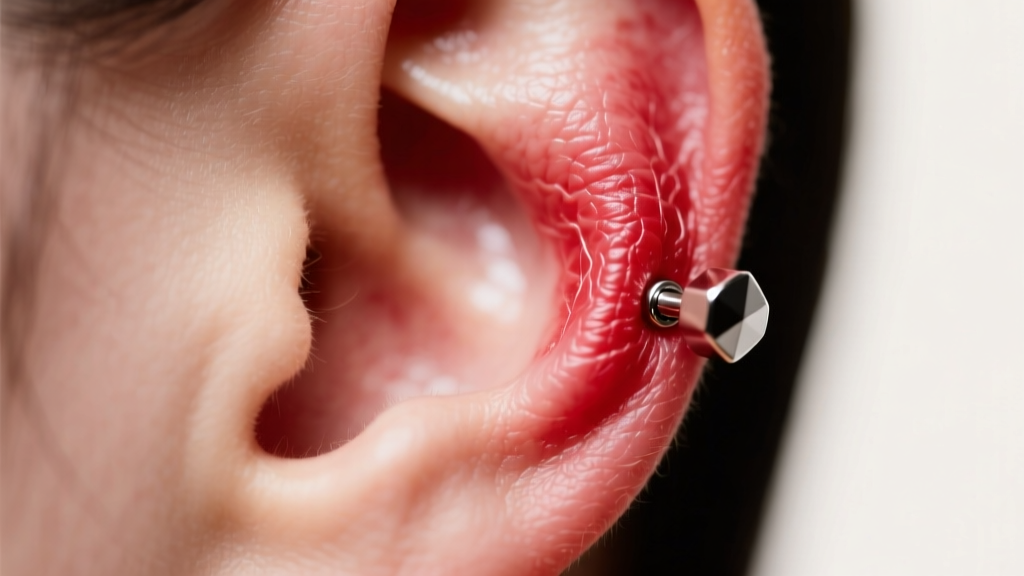
The Clinical Reality: Infection vs. Irritation vs. Allergy
When you search for answers on how do I know if my earring is infected, the first step is understanding that true bacterial infections are actually quite rare in properly performed, well-maintained piercings. According to the Association of Professional Piercers (APP), the vast majority of suspected infections are actually localized mechanical irritation or allergic contact dermatitis. Misdiagnosing the issue often leads to improper treatment, such as removing the jewelry prematurely or applying harsh, cytotoxic chemicals that actively delay the healing process.
To accurately assess your ear, we must differentiate between three distinct clinical presentations: true bacterial infection, allergic contact dermatitis, and mechanical irritation. Each requires a radically different intervention protocol. Below, we break down the microbiology, material science, and anatomical factors that dictate your ear's response to jewelry.
The Microbiology of True Ear Infections
A true bacterial infection in a piercing fistula is typically caused by one of two primary pathogens: Staphylococcus aureus or Pseudomonas aeruginosa. These bacteria introduce specific, unmistakable clinical signs that go far beyond simple redness.
Staphylococcus Aureus (Gram-Positive)
Staph infections present with thick, purulent exudate (pus) that is typically yellow, white, or golden. The tissue will feel distinctly hot to the touch (localized hyperthermia), and the erythema (redness) will spread outward from the piercing site in a diffuse, poorly defined margin. You may also experience throbbing pain that is constant, rather than just tender when touched.
Pseudomonas Aeruginosa (Gram-Negative)
More common in cartilage piercings exposed to moisture (like swimming pools or humid environments), Pseudomonas produces a distinct greenish-blue exudate and is often accompanied by a sweet, grape-like odor. This pathogen is particularly aggressive in avascular cartilage tissue and requires immediate medical intervention.
Systemic Red Flags
If you experience a fever, chills, swollen lymph nodes in your neck or jaw, or red streaks radiating from the ear (lymphangitis), the infection has become systemic. This is a medical emergency requiring immediate evaluation by a physician and likely oral antibiotics.
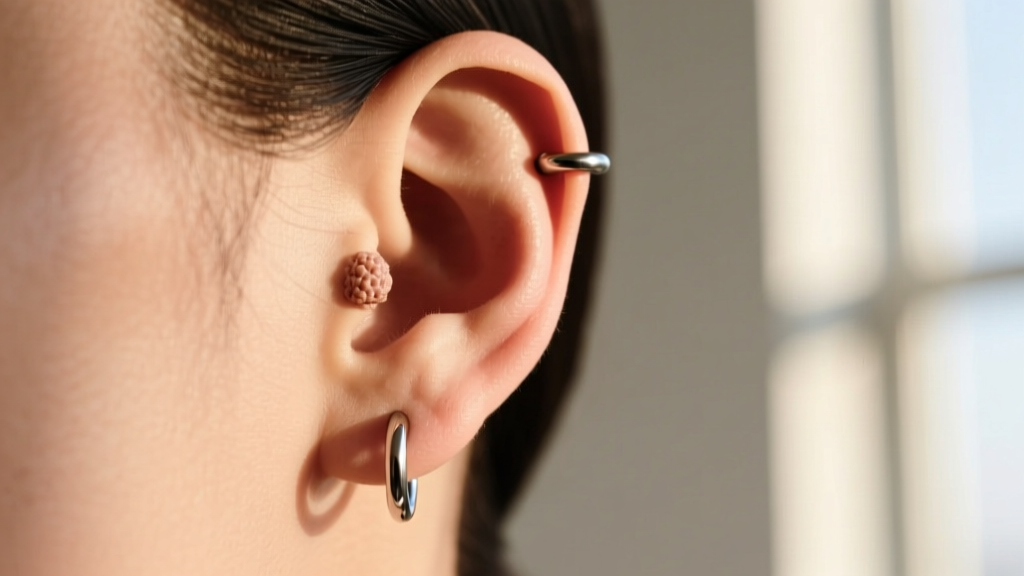
Allergic Contact Dermatitis: The Nickel Factor
If your ear is intensely itchy, flaking, weeping clear fluid, and the redness is strictly confined to the exact area where the metal touches the skin, you are likely experiencing allergic contact dermatitis. According to the Mayo Clinic, nickel allergy is the most common cause of contact dermatitis worldwide.
Many commercial earrings labeled as 'surgical steel' or 'hypoallergenic' still contain significant amounts of nickel. When the skin's acid mantle interacts with the nickel alloys, it creates nickel salts that penetrate the epidermis, triggering a Type IV delayed hypersensitivity immune response. This is not an infection; it is an immune rejection of the metal. The only cure is the complete removal of the offending allergen and upgrading to biocompatible materials.
Diagnostic Matrix: Identifying Your Ear Issue
Use this clinical matrix to cross-reference your symptoms and determine the most likely cause of your ear distress.
| Symptom | True Infection | Nickel Allergy | Mechanical Irritation |
|---|---|---|---|
| Exudate (Fluid) | Thick yellow/green pus | Clear, sticky weeping | Clear lymph (crusties) |
| Pain Profile | Constant, throbbing heat | Intense itching, burning | Tender only on pressure |
| Tissue Appearance | Diffuse spreading redness | Flaky, scaly, localized rash | Localized bump (hypertrophic) |
| Onset Speed | Rapid (24-48 hours) | Gradual (days to weeks) | Follows trauma/sleeping on it |
Material Science: Upgrading to Biocompatible Jewelry
If you have ruled out infection and identified an allergy or chronic irritation, your jewelry material is the primary suspect. The American Academy of Dermatology strongly recommends specific implant-grade materials for healing and sensitive ears.
ASTM F-136 Implant-Grade Titanium
This is the gold standard for initial piercings and reactive ears. ASTM F-136 titanium is completely nickel-free and features a mirror-polished surface that prevents bacteria and dead skin cells from adhering to the jewelry. Ensure your jeweler provides mill certificates proving the alloy grade.
Niobium
An elemental metal that is highly biocompatible and nickel-free. Niobium is softer than titanium, making it an excellent choice for seamless rings in cartilage piercings, though it cannot be internally threaded due to its softness.
14k or 18k Solid Gold (Palladium-Alloyed)
If you prefer gold, it must be 14k or 18k and specifically alloyed with palladium or silver, not nickel. Avoid white gold unless the manufacturer explicitly guarantees it is nickel-free, as traditional white gold relies on nickel for its color and hardness. Gold-plated or gold-filled jewelry is entirely unsuitable for healing or reactive ears, as the microscopic pores in the plating harbor bacteria and the base metal will eventually leach through.
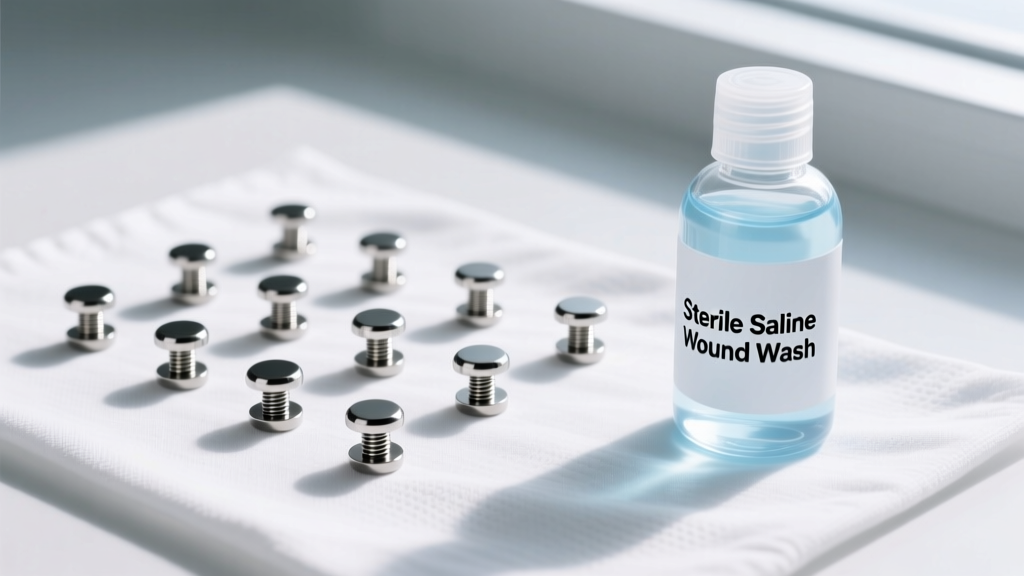
Evidence-Based Intervention Protocols
Once you have identified the root cause of your ear issue, you must implement the correct aftercare protocol. Abandon outdated internet myths; modern wound care science relies on creating an optimal moist healing environment.
For Mechanical Irritation (The LITHA Method)
LITHA stands for 'Leave It The Hell Alone.' Mechanical irritation bumps (hypertrophic scarring) are caused by micro-trauma—sleeping on the piercing, snagging it on hairbrushes, or over-cleaning. Stop touching it. Apply a warm, sterile saline compress for five minutes daily to increase localized blood flow, and ensure your jewelry is the correct gauge and length to accommodate swelling without putting pressure on the fistula.
For Allergic Reactions
Remove the offending jewelry immediately. Cleanse the area gently with a mild, fragrance-free liquid soap and water. Apply an over-the-counter hydrocortisone 1% cream to the external skin (never inside the piercing channel) to calm the immune response. Once the rash subsides, insert a sterile titanium or glass retainer to keep the fistula open.
What to Avoid (Cytotoxic Agents)
Never apply rubbing alcohol, hydrogen peroxide, tea tree oil, witch hazel, or antibiotic ointments (like Neosporin) to a piercing. These substances are cytotoxic; they destroy the fragile fibroblast cells responsible for building new tissue, effectively suffocating the wound and trapping bacteria inside the fistula.
The Abscess Trap: When to Remove the Earring
A common, dangerous instinct when asking 'how do I know if my earring is infected' is to immediately pull the jewelry out. If you have a true bacterial infection, removing the jewelry is the worst possible action you can take.
The jewelry acts as a drain. If you remove it, the surface of the piercing hole will heal and close over within hours, trapping the active infection inside the tissue. This creates an abscess, which can lead to severe tissue necrosis or systemic sepsis. In the case of cartilage piercings, trapped infections can lead to perichondritis, a devastating condition that can permanently deform the cartilage structure of the ear (cauliflower ear).
Expert Warning: Never remove jewelry from an actively infected piercing unless instructed to do so by a licensed medical professional. Keep the implant-grade titanium jewelry in place to allow the purulent exudate to drain freely while you seek oral antibiotics from a physician.
Final Thoughts on Ear Health
Accurate diagnosis is the cornerstone of piercing longevity. By understanding the distinct differences between the purulent heat of a staph infection, the itchy flaking of a nickel allergy, and the tender bump of mechanical irritation, you can treat your ears with the clinical precision they require. Invest in high-quality, biocompatible jewelry, practice hands-off aftercare, and consult a medical professional when systemic symptoms arise.


