What to Use to Disinfect Earrings: The Gifter's Guide
Gifting vintage or heirloom earrings? Learn exactly what to use to disinfect earrings safely based on metal and gemstone type without ruining the finish.

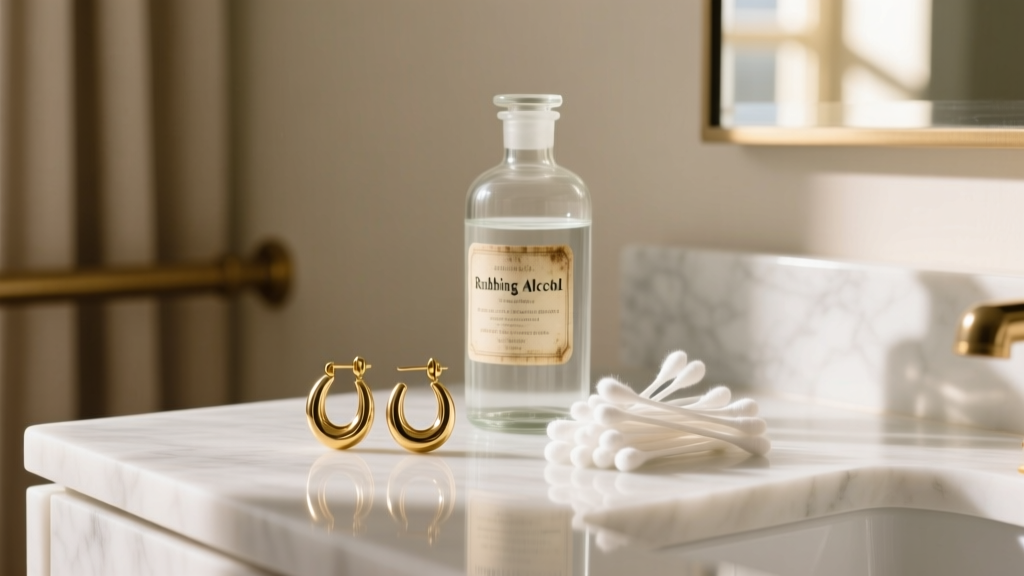
The Gifter’s Dilemma: Why Sanitizing Jewelry Matters Before Gifting
Gifting earrings is a deeply intimate gesture, often marking significant milestones like graduations, weddings, or the passing down of family heirlooms. However, whether you are sourcing vintage Art Deco drops from an estate sale, passing down a grandmother's pearl studs, or simply prepping new boutique pieces for a recipient with severe contact dermatitis, hygiene is the unseen hallmark of a luxury gift. Knowing exactly what to use to disinfect earrings is a chemical minefield. The wrong solution can strip the nacre off a pearl, accelerate tarnish on sterling silver, or degrade the anodized layer on titanium cartilage jewelry. As a gifter, your goal is to present a piece that is not only visually stunning but medically safe and structurally pristine. This guide bridges the gap between jewelry care and occasion matching, ensuring your gift is as thoughtful on a microscopic level as it is on the surface.
What to Use to Disinfect Earrings: A Material-by-Material Breakdown
The most common mistake gifters make is applying a blanket disinfection method to an entire jewelry box. Earrings are complex assemblies of metals, alloys, gemstones, and adhesives. Here is how to approach sanitization based on the specific materials you are gifting.
Solid Gold, Platinum, and Implant-Grade Titanium (The Durables)
For high-end metals like 14k/18k solid gold, platinum, and ASTM F-136 implant-grade titanium, 70% Isopropyl Alcohol (IPA) is the gold standard. Counterintuitively, 70% IPA is vastly superior to 91% or 99% concentrations for disinfection. The 30% water content acts as a catalyst, slowing evaporation and allowing the alcohol to penetrate the cell walls of bacteria and fungi. Simply soak the durable metal earrings in a shallow glass dish of 70% IPA for 10 to 15 minutes, then remove with sterile tweezers and air dry on a clean paper towel. This method is ideal for prepping diamond or sapphire studs intended for milestone anniversaries or bridal party gifts.
Sterling Silver (The Tarnish-Prone)
Sterling silver (925) contains 7.5% copper, which reacts poorly to prolonged alcohol exposure and harsh chemicals, leading to rapid oxidation and blackening. To disinfect silver earrings for a gift, avoid soaking them in alcohol. Instead, use a mild, phosphate-free dish soap mixed with warm distilled water. Gently agitate the earrings with a soft-bristled baby toothbrush to remove sebum and debris from the earring posts and butterfly backs. To achieve actual disinfection without chemical damage, place the dried silver earrings in a UV-C light sanitizer box for 5 minutes. This provides a hospital-grade kill rate for surface pathogens without altering the silver's delicate patina.
Organic Gems: Pearls, Opals, and Coral (The Delicates)
Organic gemstones are highly porous and exceptionally fragile. According to the Gemological Institute of America (GIA), exposing pearls to alcohol, ammonia, or ultrasonic cleaners will permanently dissolve their nacre, leaving them dull and chalky. Opals contain up to 20% water; alcohol exposure will draw this moisture out, causing the stone to craze (crack) and lose its play-of-color. To disinfect organic earrings, wipe them gently with a microfiber cloth barely dampened with distilled water and a drop of Castile soap. For sanitization, rely exclusively on UV-C light or simply wipe the metal posts with an alcohol swab, strictly avoiding the gemstone itself.
The Chemistry of Clean: Solutions to Avoid at All Costs
When prepping a gift, the temptation to use heavy-duty household cleaners can be high, especially for vintage pieces with decades of buildup. However, the following chemicals will permanently ruin your gift:
- Bleach (Sodium Hypochlorite): Never use bleach on jewelry. It causes a chemical reaction that permanently pits and weakens gold alloys and completely destroys sterling silver.
- Acetone (Nail Polish Remover): While acetone is great for removing resin or glue, it will melt enamel work, dissolve the adhesives holding gemstones in their settings, and strip protective rhodium plating off white gold.
- Boiling Water: While boiling is a valid sterilization method for raw surgical steel, dropping gemstone earrings (especially emeralds, opals, and tanzanite) into boiling water will cause thermal shock, shattering the stones instantly.
- Hydrogen Peroxide: Though a popular household disinfectant, peroxide is highly reactive and can cause micro-pitting in certain metal alloys and strip the polish from high-shine finishes.
Step-by-Step Disinfection Protocol for Gifting
To ensure your gift is perfectly prepped, follow this compatibility matrix. This framework ensures you match the disinfection method to the exact material profile of the earrings you are giving.
| Material / Gemstone | Recommended Disinfectant | Application Method | Chemicals to Avoid |
|---|---|---|---|
| Solid Gold / Platinum | 70% Isopropyl Alcohol | 10-minute soak | Bleach, Acetone |
| Implant-Grade Titanium | 70% IPA or Sterile Saline | Soak or wipe | Harsh abrasives |
| Sterling Silver (925) | Mild Soap + UV-C Light | Wash, dry, then UV sanitize | Alcohol, Peroxide, Chlorine |
| Pearls / Coral / Amber | Damp Cloth + UV-C Light | Wipe gently, avoid post contact | ALL liquids, Ultrasonic cleaners |
| Opals / Emeralds | UV-C Light Only | 5-minute UV exposure | Alcohol, Heat, Ultrasonic |
| Enamel / Resin Details | Warm Soapy Water | Gentle wipe with microfiber | Acetone, Alcohol, Heat |
Expert Troubleshooting: Dealing with Stubborn Post Debris
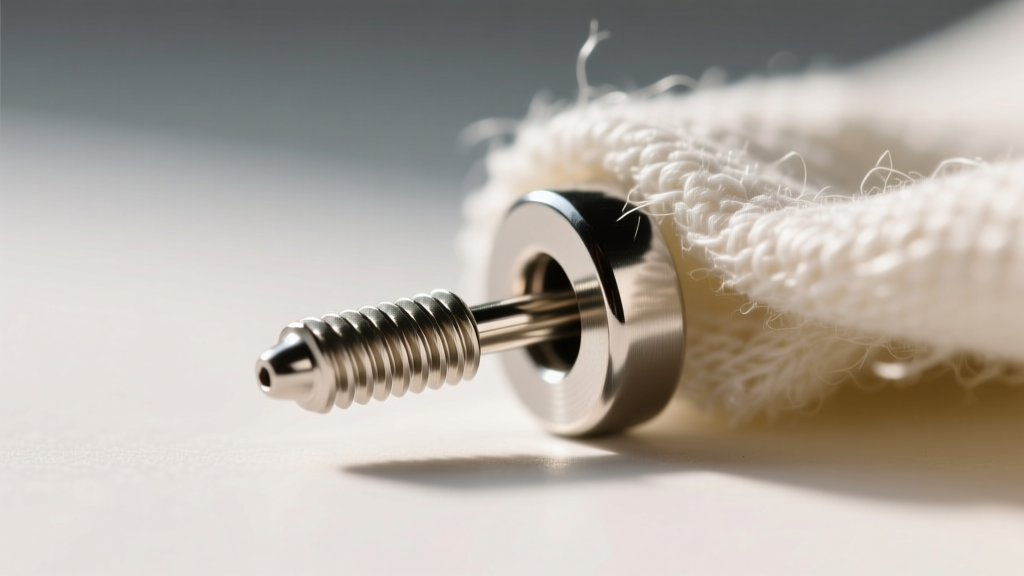
The earring post—the part that actually enters the body—is where the most dangerous biological debris accumulates, particularly on vintage or pre-owned pieces. Standard wiping is often insufficient for removing hardened sebum and dead skin cells trapped in the threading or grooves of the post.
According to guidelines referenced by the Association of Professional Piercers (APP), maintaining the integrity of the post's polish is vital to prevent micro-tears in the fistula (the piercing tunnel). For standard 20-gauge (0.81mm) or 18-gauge (1.02mm) lobe earrings, use a soft interdental brush dipped in 70% IPA to gently scrub the post. For thicker 16-gauge (1.29mm) or 14-gauge (1.63mm) cartilage posts, especially those with internal threading, an ultrasonic cleaner filled with distilled water and a drop of enzymatic jewelry cleaner is highly effective. The cavitation bubbles will safely blast debris out of the threads without scratching the metal, ensuring a smooth, painless insertion for the recipient.
Packaging the Sanitized Gift: Occasion Matching
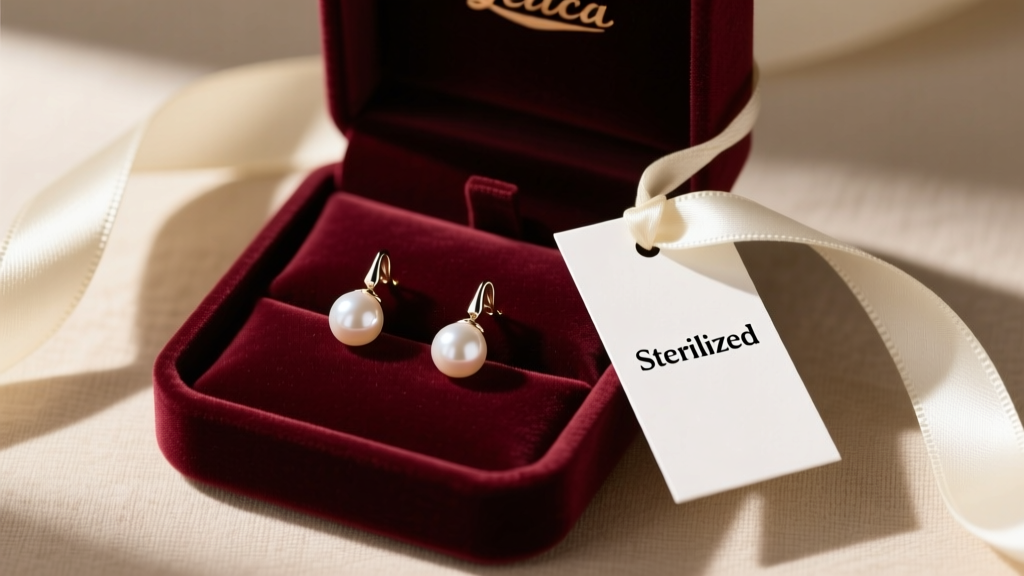
The final step in the gifting process is presentation. Once the earrings are disinfected, you must ensure they remain sterile until the recipient opens the box. This is especially critical for baby shower gifts (where infant ear piercing requires strict hygiene) or gifts for individuals undergoing chemotherapy who are immunocompromised.
After the earrings have completely air-dried from their sanitization bath, use sterile, powder-free nitrile gloves to handle them. Place the earrings into a brand-new, food-grade silicone travel pod or an anti-tarnish ziplock pouch. For a luxurious, medical-grade presentation, seal the pouch with a custom sticker that reads "Professionally Sterilized and Polished for You." Place this sealed pouch inside your velvet gift box. This extra layer of care transforms a simple jewelry gift into a deeply considered, health-conscious gesture that speaks volumes about your attention to detail and respect for the recipient's well-being.


