How to Make and Style Custom Christmas Cat Earrings
Learn how to craft, assemble, and style custom christmas cat earrings. Expert tips on hypoallergenic bases, gauge sizes, and holiday motifs.

The Rise of Whimsical Holiday Jewelry
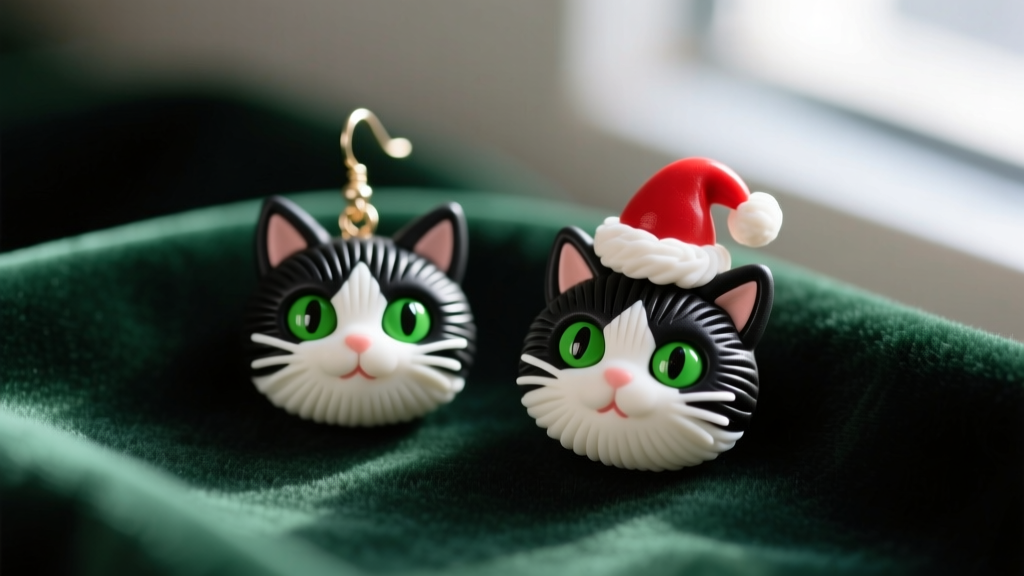
As we move through the 2026 holiday season, the intersection of pet-parent pride and festive apparel has created a massive surge in demand for niche, whimsical jewelry. Among the most sought-after seasonal accessories are christmas cat earrings—charming, feline-themed pieces adorned with holiday motifs like Santa hats, winter wreaths, or tangled string lights. While mass-market options often rely on cheap, allergenic alloys and heavy, poorly balanced charms, crafting your own custom pair allows for complete control over material safety, weight distribution, and aesthetic detail. This step-by-step guide will walk you through designing, assembling, and styling high-quality festive feline earrings from scratch.
Step 1: Sourcing Hypoallergenic Earring Bases
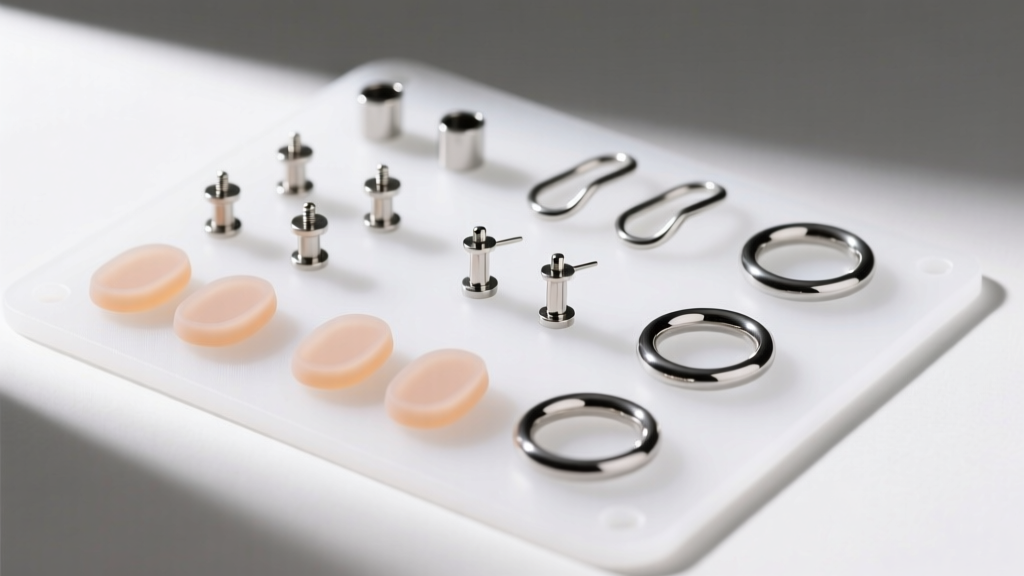
The foundation of any wearable earring is the post. Holiday craft stores frequently sell mixed-metal findings that contain nickel or lead, which can cause severe contact dermatitis, especially when the earlobe is under the stress of a heavier charm. According to the Association of Professional Piercers, only implant-grade materials should be used for fresh or sensitive piercings.
Gauge and Material Specifications
For standard lobe piercings, you will need 20-gauge (0.81mm) or 18-gauge (1.02mm) posts. If you are designing a cartilage piece (like a helix stud), 16-gauge (1.29mm) is the industry standard. Always source your findings from reputable jewelry suppliers like Rio Grande or specialized body jewelry wholesalers.
| Material | Grade/Standard | Best For | Wholesale Cost (per pair) |
|---|---|---|---|
| Titanium | ASTM F136 (Implant-Grade) | Sensitive lobes, cartilage, heavy dangles | $0.80 - $1.50 |
| Niobium | Reactive Metal (Unalloyed) | Hypoallergenic studs, anodized colors | $0.60 - $1.20 |
| Gold | 14k or 18k Solid (Nickel-Free) | Premium holiday gifts, heirloom pieces | $15.00 - $45.00 |
| Medical Plastic | Polycarbonate (Blomdahl) | Nickel-allergy sufferers, lightweight needs | $0.40 - $0.90 |
Step 2: Sculpting the Christmas Cat Motif
To create the charm, polymer clay is the most accessible and versatile medium. Brands like Sculpey Premo or Fimo Professional offer excellent color retention and structural integrity once baked. When designing christmas cat earrings, the goal is to balance intricate holiday details with strict weight limitations.
Weight Management and Baking Protocols
An average earlobe can comfortably support up to 3 to 4 grams of weight before experiencing fatigue or drooping over time. To keep your feline charms lightweight:
- Hollow Backing: Roll your clay to a uniform 2mm thickness and use a silicone mold for the cat silhouette rather than sculpting a solid 3D figure.
- Armature Wire: For elongated designs (like a cat tail wrapping around a candy cane), embed a 24-gauge aluminum armature wire inside the clay to prevent snapping without adding the weight of a solid clay core.
- Curing: Bake Premo clay at exactly 275°F (135°C) for 30 minutes per 1/4 inch of thickness. Underbaking leads to brittle charms that will shatter when dropped; overbaking causes scorching and weakens the polymer chains.
Step 3: Assembly and Industrial Bonding
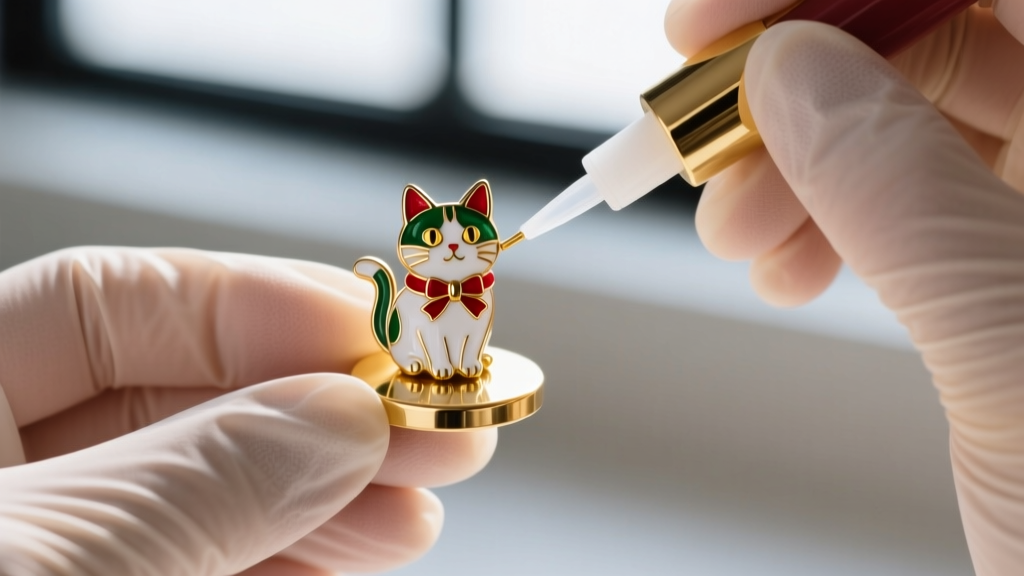
Attaching the baked polymer clay or enameled metal charm to the earring post pad requires more than standard craft glue. Cyanoacrylate (Super Glue) dries brittle and will fail under the micro-flexing of daily ear movements. E6000 remains flexible but can degrade over time when exposed to skin oils and hairspray.
Expert Adhesive Tip: Use a two-part jeweler's epoxy, such as Devcon 5-Minute Epoxy. It creates a permanent, waterproof, and impact-resistant bond between metal and polymer. Always rough up the metal earring pad with 400-grit sandpaper and wipe with isopropyl alcohol before applying the epoxy to ensure maximum mechanical adhesion.
Step 4: Styling Christmas Cat Earrings by Face Shape
Once your custom earrings are assembled and cured, styling them correctly ensures they complement the wearer's features rather than overwhelming them. The whimsical nature of christmas cat earrings means they inherently draw the eye, making proportion and placement critical.
Round and Square Face Shapes
For round or square faces, avoid wide, circular stud designs (like a cat face inside a wreath), as they will emphasize the width of the jawline. Instead, design a drop-style earring where the cat silhouette dangles below a small holiday element, like a hanging ornament or a draped string of lights. This vertical elongation draws the eye downward, creating a slimming visual effect.
Oval and Heart Face Shapes
Oval faces can carry almost any proportion, making them the ideal canvas for detailed, wide-set studs. A pair of asymmetrical studs—one featuring a cat peeking out of a stocking, the other a cat batting at a snowflake—works beautifully. For heart-shaped faces, keep the visual weight of the earring at the bottom of the lobe to balance a narrower chin; huggie hoops with a small dangling cat charm are an excellent choice.
Troubleshooting Common DIY Failures
Even experienced crafters run into structural issues when making novelty jewelry. Here is how to troubleshoot the most common failure modes:
- The Earring Droops Forward: This happens when the charm's center of gravity sits too far below the piercing hole. Solution: Use a clear silicone earring support patch behind the lobe, or redesign the charm with a higher bail (the loop connecting the charm to the post) to distribute weight evenly.
- Charm Snaps off the Post: Usually caused by a smooth metal pad lacking surface area. Solution: Solder a 3mm mesh pad onto the post, or score the metal pad deeply with a needle file before applying your two-part epoxy.
- Color Bleeding in Clay: When embedding red Santa hats onto white cat fur clay, the red can bleed during baking. Solution: Chill the red clay in the freezer for 10 minutes before cutting and placing it onto the white base to minimize heat-transfer bleeding in the oven.
By prioritizing implant-grade metals, respecting the weight limits of the human earlobe, and utilizing industrial-grade adhesives, you can elevate christmas cat earrings from a cheap holiday novelty into a durable, cherished piece of seasonal artistry.


