Do Clip On Earrings Hurt? 2026 Comfort Guide & Trends
Do clip on earrings hurt? Discover the biomechanics of earlobe pain, 2026 ergonomic trends, and expert tips to wear heavy styles comfortably.

The Short Answer: Do Clip On Earrings Hurt?
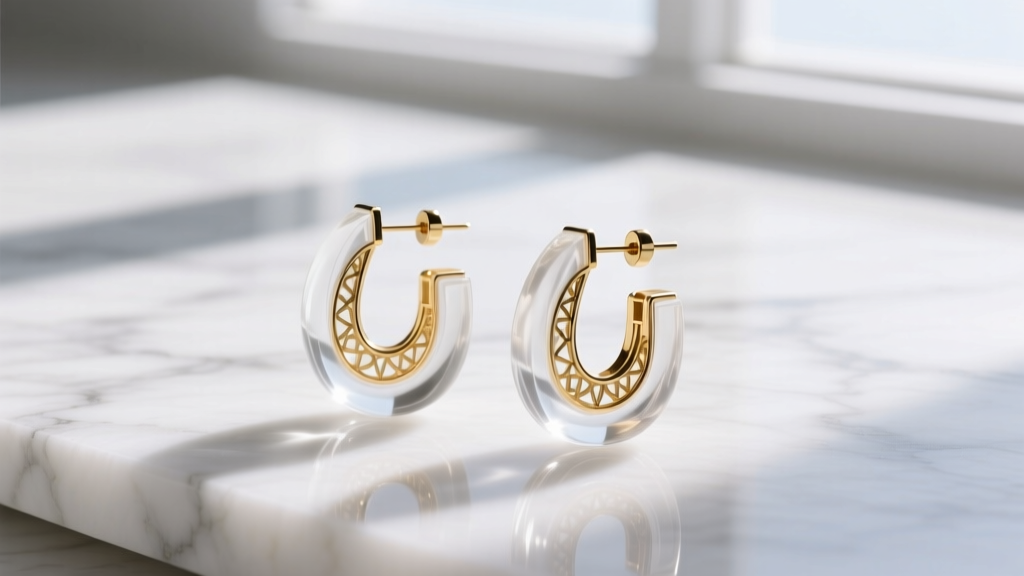
If you have ever asked yourself, do clip on earrings hurt? after a long evening event, you are not alone. For decades, the clip-on earring carried a stigma of inevitable discomfort, characterized by the sharp, throbbing pinch of rigid metal springs clamping down on delicate tissue. However, the jewelry landscape has undergone a radical transformation. In 2026, the answer to whether clip-ons hurt is no longer a simple 'yes.' Thanks to advances in material science, ergonomic engineering, and a massive cultural shift toward 'piercing fatigue,' modern clip-on earrings can be worn for 12+ hours without a hint of agony.
At Jewel Style Radar, we track not just the aesthetics of ear adornments, but the biomechanics of how they interact with the human body. Understanding why traditional clip-ons cause pain is the first step toward curating a collection of non-pierced earrings that are as comfortable as they are stunning.
The Biomechanics of Earlobe Pain: Why the Pinch Happens
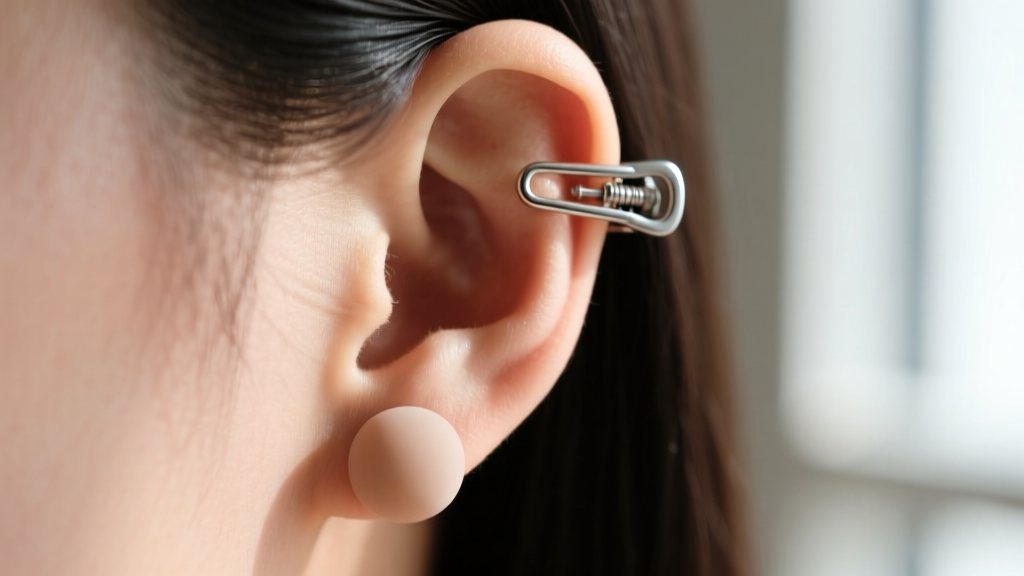
To understand clip-on discomfort, we must look at the anatomy of the earlobe. Unlike the upper ear, which is supported by rigid cartilage, the earlobe is composed of areolar connective tissue, fat, and a dense network of capillaries. It lacks structural rigidity, making it highly susceptible to compression.
Ischemia and Capillary Closing Pressure
The primary culprit behind clip-on pain is ischemia—the restriction of blood supply to tissues. The capillary closing pressure in human skin is approximately 20 to 30 mmHg (millimeters of mercury). Vintage or poorly manufactured spring-clip earrings often exert upward of 60 to 80 mmHg of localized clamping force. When the pressure exceeds the capillary closing threshold, blood flow is choked off. Within 45 to 90 minutes, oxygen-starved tissues trigger nociceptors (pain receptors), resulting in that familiar deep, throbbing ache.
Furthermore, heavy statement earrings introduce drag-induced fatigue. The weight of the earring pulls downward, causing the metal edge to slice into the lateral edge of the lobe, concentrating grams of force into a fraction of a millimeter of surface area. According to dermatological guidelines on skin sensitivity and prolonged pressure from the American Academy of Dermatology, sustained compression can also lead to contact dermatitis and post-inflammatory hyperpigmentation on the lobe.
2026 Trend Analysis: The Shift to Ergonomic Clip-Ons
The 2026 jewelry market is defined by the 'Piercing Fatigue' movement. After years of heavy lobe stretching, multiple cartilage piercings, and the burden of constant jewelry maintenance, a growing demographic of style enthusiasts is letting their piercings heal and opting for high-end, non-pierced alternatives. This demand has forced designers to innovate, merging haute couture aesthetics with medical-grade comfort.
The Rise of Invisible Resin and TPU Cuffs
The most significant breakthrough in the non-pierced market is the invisible resin ear cuff. Utilizing medical-grade Thermoplastic Polyurethane (TPU) and flexible polycarbonate, these cuffs rely on tensile wrap-around grip rather than clamping force. The memory-shape polymer wraps around the helix or the outer edge of the lobe, distributing the weight of the earring across a wider surface area. Because there is no opposing metal plate pinching the back of the ear, the capillary beds remain completely uncompressed.
Neodymium Magnetic Innovations
Magnetic clip-ons have also evolved. Early versions used weak ferrite magnets that slipped off, prompting wearers to use dangerously strong, unshielded magnets that caused severe pinching. Today's premium magnetic earrings use precisely calibrated N52-grade Neodymium magnets encased in smooth, hypoallergenic silicone housings. The opposing magnetic fields are tuned to exert exactly 25 mmHg—enough to hold a 10-gram earring securely through wind and movement, but just below the threshold of ischemic pain.
Mechanism Comparison Chart: Finding Your Comfort Zone
Not all clip-on mechanisms are created equal. Use this data table to determine which backing style suits your lifestyle and pain tolerance.
| Mechanism Type | Pressure Exerted | Max Weight Capacity | Comfort Duration | Best For |
|---|---|---|---|---|
| Traditional Spring | 60-80+ mmHg | 18 grams | 1 - 2 Hours | Vintage collectors (short wear) |
| Screw-Back | User Calibrated | 14 grams | 4 - 6 Hours | Adjustable daily wear |
| N52 Magnetic | ~25 mmHg | 10 grams | 8+ Hours | Lightweight studs & small hoops |
| Invisible TPU Resin | < 10 mmHg (Tensile) | 22 grams | 12+ Hours | Heavy statement drops & cuffs |
How to Style Heavy Statement Clip-Ons Without the Agony
Runway trends for 2026 heavily feature oversized, sculptural ear pieces. But how do you wear a heavy, shoulder-dusting acrylic drop earring without a piercing? The secret lies in understanding the Center of Gravity (CoG) and the 14-Gram Rule.

The 14-Gram Rule
For non-pierced lobes, the ideal weight limit for a single earring is 14 grams. Beyond this weight, the downward drag forces the clip mechanism to pivot, causing the top edge to dig into the side of the earlobe. Designers combat this by using hollow-cast metals, aerogel-infused resins, and laser-cut acrylics to create massive visual volume with minimal physical mass.
Counter-Balancing and Surface Area
If you are wearing a 20-gram statement piece, the clip mechanism must feature a wide, contoured paddle rather than a narrow wire. A paddle measuring at least 12mm x 15mm distributes the drag force across a broader section of the ear's concha and lobe junction. Additionally, applying a microscopic dot of museum wax to the inside of the clip paddle creates a high-friction, non-slip barrier that prevents the earring from sliding down the lobe, drastically reducing the need for tight clamping pressure.
Expert Troubleshooting: Adjusting Tension at Home
If you have inherited vintage clip-ons or purchased a pair that feels too tight, you do not have to suffer in silence. As jewelry professionals, we recommend the following adjustments to customize your fit:
- Adjusting Screw-Backs: Never tighten the screw directly against the skin. Apply a 2mm Shore A 20 silicone pad to the metal plate. Silicone, unlike foam, does not absorb skin oils or degrade over time, and its high friction coefficient allows you to loosen the screw by 30% while maintaining a secure grip.
- Loosening Spring Hinges: Using a pair of nylon-jaw jewelry pliers, gently grip the hinge barrel and apply a micro-twist outward to reduce the spring tension. Warning: Never bend the metal arms directly, as this can cause work-hardening and metal fatigue, leading to a snapped earring.
- The Resin Warm-Up: If you are wearing invisible TPU resin cuffs and they feel too rigid, run them under warm (not hot) water for 15 seconds before putting them on. The thermoplastic will soften, allowing you to mold the cuff exactly to the unique contour of your ear cartilage. As it cools to body temperature, it will lock into a custom, pain-free fit.
Final Verdict
So, do clip on earrings hurt? In 2026, they absolutely do not have to. The days of enduring agonizing metal pinches for the sake of fashion are over. By understanding the biomechanics of your earlobes, choosing the correct mechanism for your desired earring weight, and embracing modern materials like memory-shape TPU and N52 magnets, you can enjoy the full spectrum of ear styling without a single piercing. For more insights on jewelry material science and wearable tech, stay tuned to the JCK industry reports and our ongoing trend radar.


