The Girl with a Pearl Earring: Material Guide to Iconic Drop Styles
Explore the material properties behind the Girl with a Pearl Earring look. Compare pearl types, metal weights, and lobe-safe hardware for drop earrings.

Decoding the Vermeer Inspiration: Why Material Physics Matter
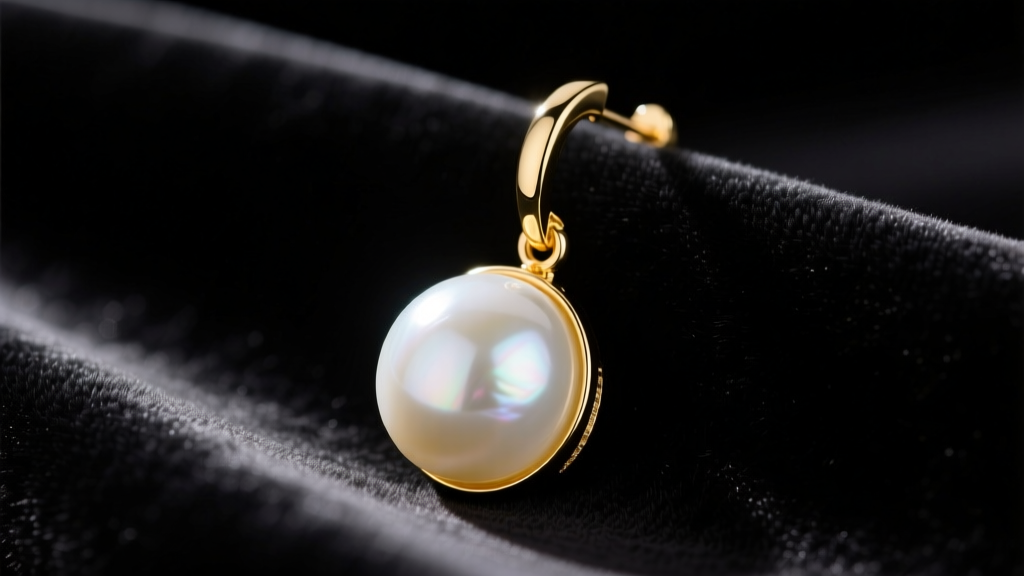
Johannes Vermeer’s 1665 masterpiece, The Girl with a Pearl Earring, has captivated art historians and jewelry enthusiasts for centuries. The focal point of the painting is undeniably the massive, luminous teardrop earring catching the light. However, from a modern gemological perspective, a natural pearl of that exact teardrop shape and immense size (estimated at 15mm to 18mm) would have been astronomically rare and financially impossible for a painter’s model in the 17th century. Most art and jewelry historians agree the original earring was likely a glass or lead-glass drop coated in a pearlescent varnish.
Today, recreating this iconic look requires more than just finding a large white gemstone; it demands a strict understanding of material properties, weight distribution, and biomechanics. A heavy drop earring can easily cause irreversible earlobe tearing if the material density and hardware gauge are not properly matched. In this guide, we break down the exact material specifications, metal alloys, and structural hardware required to safely wear a modern 'Vermeer' drop earring.
The Pearl Material Matrix: Natural vs. Cultured vs. Simulated
When sourcing a large teardrop pearl, buyers are generally choosing between four distinct material categories. Each possesses unique optical properties (luster and orient) and specific gravity (weight), which directly impacts how the earring will behave on the earlobe.
| Material Type | Core Composition | Avg. Weight (15mm Drop) | Luster & Nacre Quality | Estimated Price Range |
|---|---|---|---|---|
| White South Sea Cultured | Bead-nucleated (Pinctada maxima) | 8.0 - 12.0 grams | Soft, satiny luster; thick nacre (2-6mm) | $1,500 - $8,000+ |
| Freshwater Cultured | Tissue-nucleated (Solid nacre) | 4.0 - 6.5 grams | High luster, but lacks mirror-like depth | $150 - $600 |
| Shell Pearl (e.g., Majorica) | Glass core with guanine coating | 12.0 - 16.0 grams | Flawless, mirror-like artificial reflection | $200 - $500 |
| Synthetic / Resin | Polymer or acrylic core | 1.5 - 3.0 grams | Flat, plastic-like sheen; no depth | $20 - $80 |
According to the Gemological Institute of America (GIA), the value and optical performance of a pearl are dictated by its nacre quality and luster. For the Vermeer aesthetic, you want a high-contrast reflection. White South Sea pearls offer the most authentic, luxurious interpretation, but their high specific gravity makes them exceptionally heavy. Conversely, modern high-grade Freshwater drops offer a lightweight alternative, though they often require careful shaping to achieve the perfect teardrop silhouette.
The Biomechanics of the Drop: Earlobe Tearing and Gravity
The most critical, yet frequently overlooked, aspect of wearing large drop earrings is the biomechanical stress placed on the earlobe. The human earlobe is composed of dense connective tissue and fat, lacking cartilage. When subjected to the constant downward pull of a heavy 15mm South Sea or glass pearl (which can easily exceed 12 grams per ear), the tissue will slowly stretch, leading to a condition known as earlobe ptosis or, eventually, a complete cleft tear.
Post Gauge and Structural Integrity
Standard earring posts are typically 20-gauge (0.81mm) or 18-gauge (1.02mm). While sufficient for lightweight studs, an 18-gauge post will physically bend under the leveraged weight of a 10-gram teardrop pearl. To safely support a Vermeer-sized drop, the post must be machined from a hardened alloy and measure at least 16-gauge (1.29mm) or 14-gauge (1.63mm). This increased cross-sectional area prevents the metal from warping and keeps the pearl facing forward rather than drooping beneath the earlobe.
Friction Backs vs. OMEGA Clasps
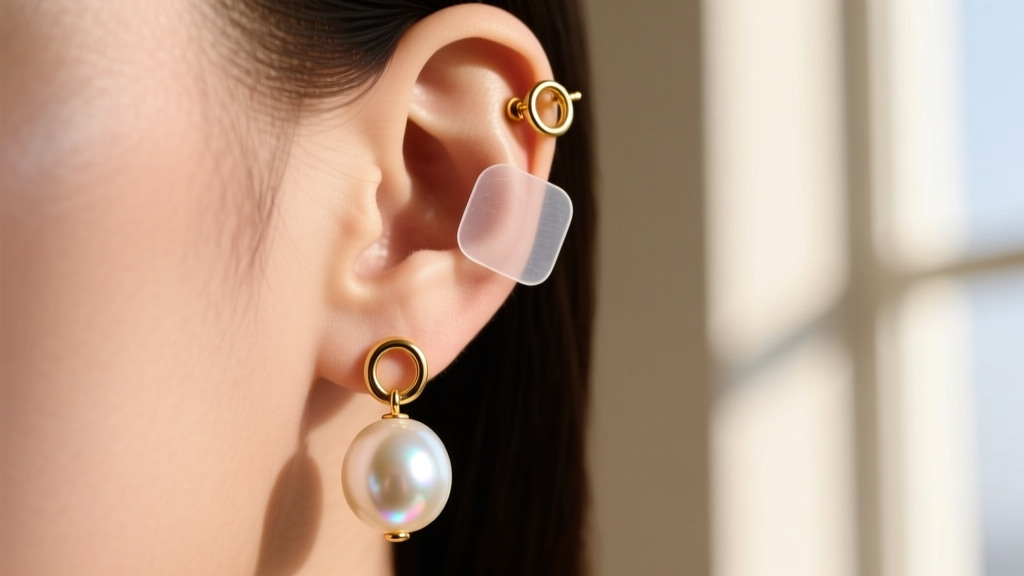
Standard butterfly friction backs rely on a tiny spring mechanism that is entirely inadequate for heavy drops; they will slide off the post due to the sheer gravitational pull. For heavy teardrops, you must utilize an OMEGA back or a French leverback with a locking latch. OMEGA backs feature a hinged, spring-loaded loop that snaps securely over a thick post, distributing the weight across a wider surface area of the ear's posterior. Additionally, utilizing clear silicone earlobe support patches (often sold under brand names like Lobe Wonder) behind the ear can increase the load-bearing surface area by 400%, effectively preventing tissue stretching.
Metal Settings: Yield Strength vs. Aesthetic Warmth
The metal used to cap and suspend the pearl dictates both the longevity of the earring and its skin compatibility. Because the Vermeer earring is a prominent drop style, the metal cap and bail (the loop connecting the pearl to the ear wire) experience high shear stress.
- 14k Gold (58.5% Pure Gold): Due to its higher alloy content (usually copper and silver), 14k gold possesses a higher yield strength than 18k gold. It is the superior choice for the post and the structural bail of a heavy drop earring, as it resists bending and deformation over time.
- 18k Gold (75% Pure Gold): While prized for its rich, warm yellow hue that beautifully complements the creamy overtone of South Sea pearls, 18k gold is a softer metal. If used for a heavy drop, the prongs or glue-cup holding the pearl must be engineered with extra thickness to prevent the pearl from snapping off if the earring is dropped.
- Platinum (95% Pure): Platinum is incredibly dense, strong, and naturally hypoallergenic, making it ideal for sensitive piercings. However, because platinum is heavier than gold, using a solid platinum setting on an already heavy 15mm pearl will exacerbate the weight issue, increasing the risk of lobe stretching. Platinum is best reserved for smaller (10-12mm) drop recreations.
Sourcing the Modern Masterpiece: A Buyer’s Checklist
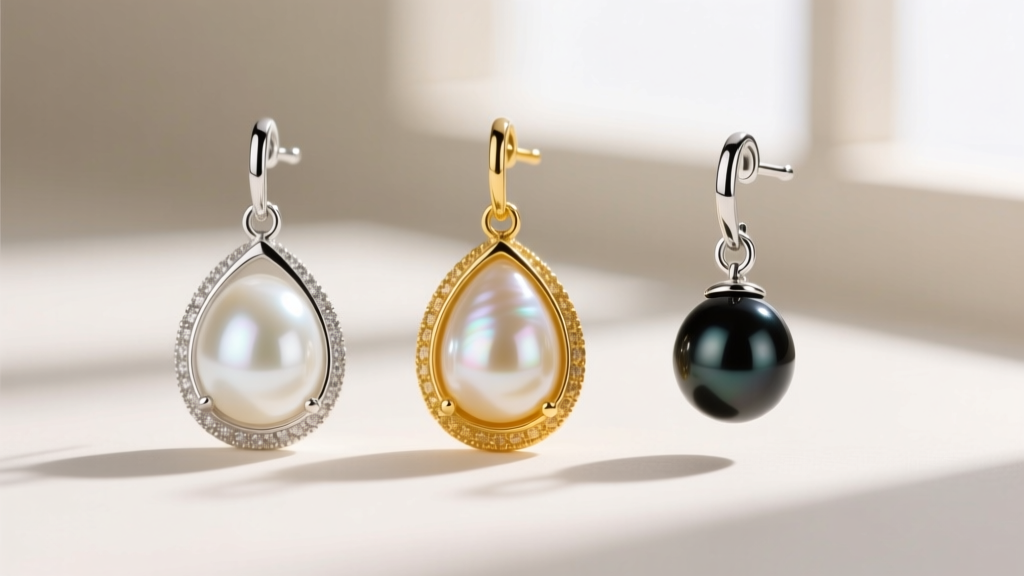
If you are investing in a high-end recreation of this iconic style, do not rely on visual inspection alone. Use the GIA Pearl Value Factors as your baseline for evaluating the gemstone. Demand the following specifications from your jeweler:
- Shape Symmetry: True teardrop (drop) shapes are rare. Ensure the pearl has a smooth, symmetrical curve without flat spots or noticeable rings near the drill hole.
- Drill Hole Placement: For a drop earring, the pearl must be half-drilled from the narrow top. A fully drilled pearl requires a wire that passes entirely through, which compromises the structural integrity of the nacre at the bottom tip and ruins the optical illusion of a solid, glowing orb.
- Nacre Thickness: If purchasing saltwater cultured pearls, request an X-ray or endoscope verification of nacre thickness. A minimum of 2.0mm is required for long-term durability; anything thinner risks peeling or cracking upon impact.
- Luster Grade: Look for 'Excellent' or 'Very High' luster. The pearl should reflect light sources with sharp, defined edges, mimicking the striking catch-light Vermeer painted in 1665.
Final Verdict on Recreating the Icon
Recreating the Girl with a Pearl Earring aesthetic in the modern era is an exercise in balancing historical romance with material science. While a massive glass pearl might be historically accurate to the painting's probable origins, it is a biomechanical hazard to the modern earlobe. By opting for a high-luster, tissue-nucleated Freshwater drop or a moderately sized 12mm White South Sea pearl, and securing it with a 16-gauge post and OMEGA clasp, you can achieve the breathtaking, luminous silhouette of the masterpiece without sacrificing the structural integrity of your piercing.