How to Evaluate a Door Knocker Earring for True Value
Discover how to assess the true value of a door knocker earring. We break down material grades, weight limits, pricing tiers, and lobe support tips.

The Physics of the Silhouette: Weight and Center of Gravity
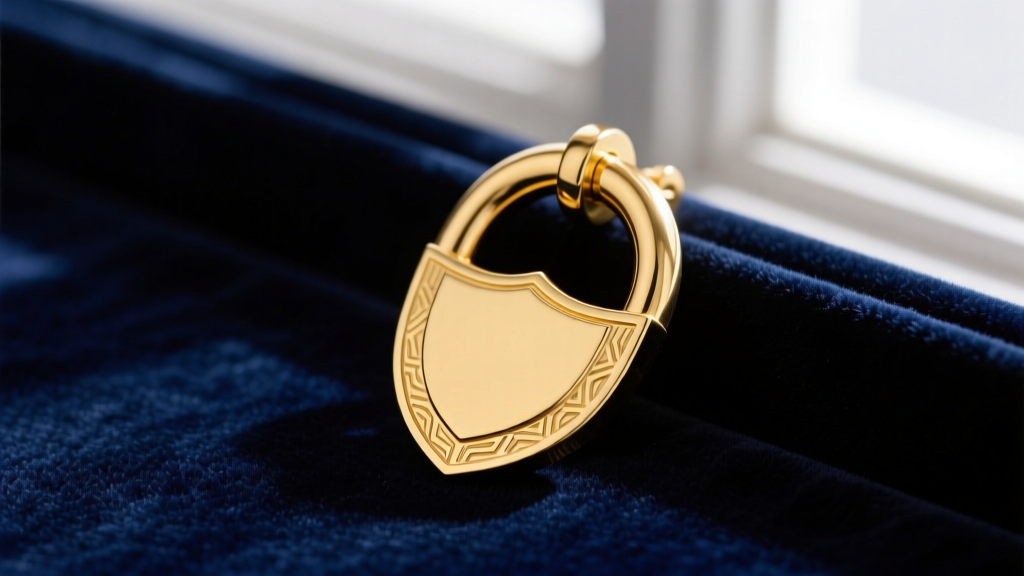
The classic door knocker earring is an iconic staple of jewelry history, bridging the gap between 1980s hip-hop culture and modern 2026 high-fashion runways. Characterized by a thick tubular hoop that transitions into a flat, rectangular, or shield-like face, this silhouette makes a bold statement. However, from a budget and value assessment perspective, the unique geometry of a door knocker earring introduces specific structural challenges that directly impact its long-term worth. Unlike a standard circular hoop that distributes weight evenly around the earlobe, the flat shield of a door knocker creates a forward-pulling center of gravity. This uneven weight distribution means that a poorly engineered piece will constantly droop, causing discomfort and eventual tissue damage. When evaluating the true value of this specific earring style, you must look far beyond the initial price tag and assess the engineering, material density, and hardware integrity. A cheap pair might cost $20 upfront, but the hidden costs of ruined earlobes and rapid tarnishing make it a poor investment compared to a meticulously crafted demi-fine or solid gold alternative.
Material Grading: Where Your Budget Actually Goes
The most significant factor in determining the value of any heavy statement jewelry is the base metal and the thickness of its plating. In the current 2026 market, manufacturers often use misleading terminology to inflate the perceived value of fashion jewelry. To make an informed purchasing decision, you must understand the strict metallurgical differences between flash-plated brass, gold vermeil, and solid gold. According to the Gemological Institute of America (GIA), gold purity and the underlying alloy dictate both the longevity and the hypoallergenic properties of the piece. For a heavy earring that rests against the skin for hours, base metals containing nickel or copper can cause severe contact dermatitis, a well-documented allergic reaction detailed by the Mayo Clinic. Below is a comprehensive breakdown of the material tiers you will encounter when shopping for this specific style.
| Material Tier | Base Metal | Plating Thickness | 2026 Price Range | Estimated Lifespan |
|---|---|---|---|---|
| Fashion / Fast | Brass or Zinc Alloy | Flash Plated (<0.5 microns) | $15 - $45 | 3 - 6 Months |
| Demi-Fine | Sterling Silver (925) | Gold Vermeil (2.5+ microns) | $85 - $180 | 2 - 5 Years |
| Fine Jewelry | Solid 14k or 18k Gold | N/A (Solid throughout) | $450 - $1,200+ | Lifetime / Heirloom |
If your budget allows, demi-fine vermeil is the minimum acceptable standard for a door knocker earring. The FTC mandates that true vermeil must feature a sterling silver base with a gold plating of at least 2.5 microns. Anything less will quickly wear away on the high-friction edges of the flat shield face, exposing the base metal and ruining the aesthetic value of the piece.
Hardware and Backings: The Hidden Failure Points
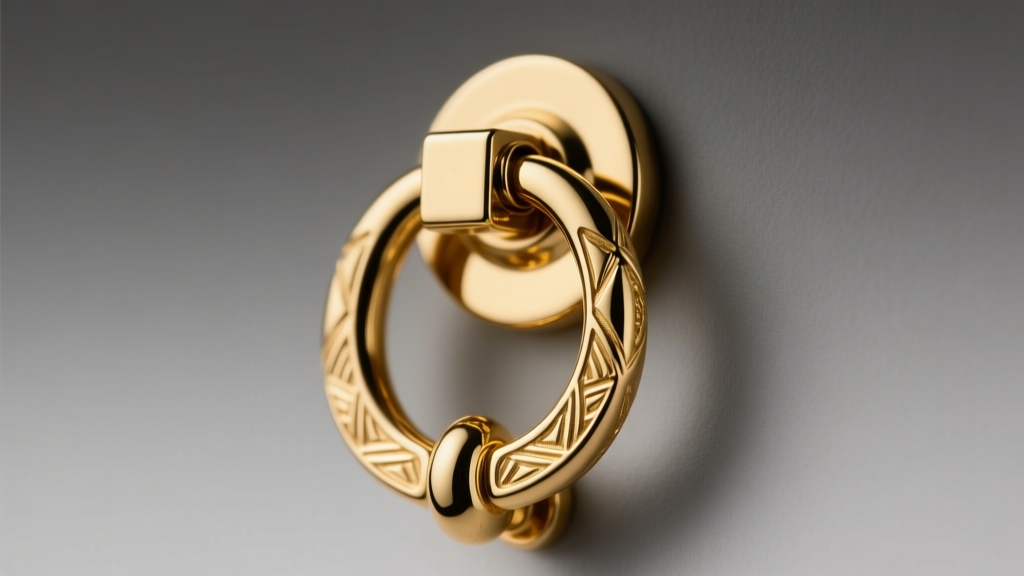 A critical yet frequently overlooked aspect of value assessment is the earring's backing mechanism. Because a door knocker earring typically weighs between 12 and 28 grams per ear, standard friction backs (butterfly clutches) are entirely inadequate. The forward pull of the flat shield will easily dislodge a standard friction back, leading to the catastrophic loss of an expensive piece of jewelry. When evaluating a potential purchase, inspect the hardware closely. High-value pieces will feature an Omega back, which uses a hinged, spring-loaded wire that snaps securely over the post, or a threaded screw-back mechanism that physically locks the earring in place. Furthermore, the hinge connecting the hoop to the post must be seamlessly soldered. In lower-tier fashion jewelry, hinges are often merely glued or poorly crimped, leading to structural failure within weeks of regular wear. A robust, well-soldered hinge is a hallmark of true craftsmanship and justifies a higher price point.
The Biological Cost: Earlobe Fatigue and Tissue Damage
The 'cheese-cutter effect' is a common phenomenon where thin, heavy jewelry slowly slices through the earlobe tissue over time. Standard earlobe piercings are usually done at 20-gauge (0.81mm) or 18-gauge (1.02mm). When a 20-gram door knocker earring is suspended from a thin 20-gauge wire, the localized pressure on the piercing fistula is immense. Over time, this causes the piercing to stretch, sag, and eventually tear. Therefore, the true cost of a budget-friendly, heavy earring includes the potential medical or cosmetic costs of earlobe repair surgery, which can range from $500 to $1,500 per lobe. To mitigate this, high-end jewelers often design the post of a heavy earring to be slightly thicker, such as 16-gauge (1.29mm), to distribute the weight more effectively. Additionally, assessing the value of a purchase should include budgeting for aftermarket support accessories. Investing $10 in high-quality, invisible silicone earlobe support patches is mandatory for preserving your tissue health when wearing heavy statement pieces.

Long-Term ROI: Maintenance and Resale Realities
Finally, a proper budget and value assessment must consider the long-term return on investment (ROI), which includes maintenance requirements and potential resale value. Solid 14k or 18k gold door knocker earrings possess intrinsic melt value and can be easily polished to remove scratches, maintaining their structural and financial integrity for decades. According to Jewelers of America, proper storage and regular cleaning with a soft polishing cloth are essential for preserving the luster of fine gold. Conversely, vermeil and flash-plated pieces cannot be aggressively polished without stripping the thin gold layer, and they hold virtually zero resale value. Once the plating wears off the prominent flat face of the door knocker, the piece is effectively ruined unless you pay a professional jeweler $40 to $80 to have it re-plated. When you factor in the cost of re-plating over a five-year period, a demi-fine vermeil pair often ends up costing more to maintain than simply financing a solid 14k gold pair upfront.
The Final Value Assessment Checklist
- Weight Check: Ensure the pair weighs no more than 15 grams per ear if you do not plan to use silicone support patches.
- Hardware Inspection: Reject any heavy earring that relies solely on standard friction backs; demand Omega, saddleback, or screw-back closures.
- Metal Verification: Look for the '925' stamp for vermeil or the '14k/585' stamp for solid gold. Avoid unmarked base metals entirely.
- Edge Smoothing: Run your finger along the edges of the flat shield. High-value pieces will have slightly rounded, polished edges to prevent hair snagging and skin scratching.
Ultimately, evaluating a door knocker earring requires a shift in perspective from immediate aesthetic gratification to long-term wearability and material science. By prioritizing structural integrity, safe base metals, and secure hardware, you ensure that your investment enhances your style without compromising your comfort or your earlobe health.


