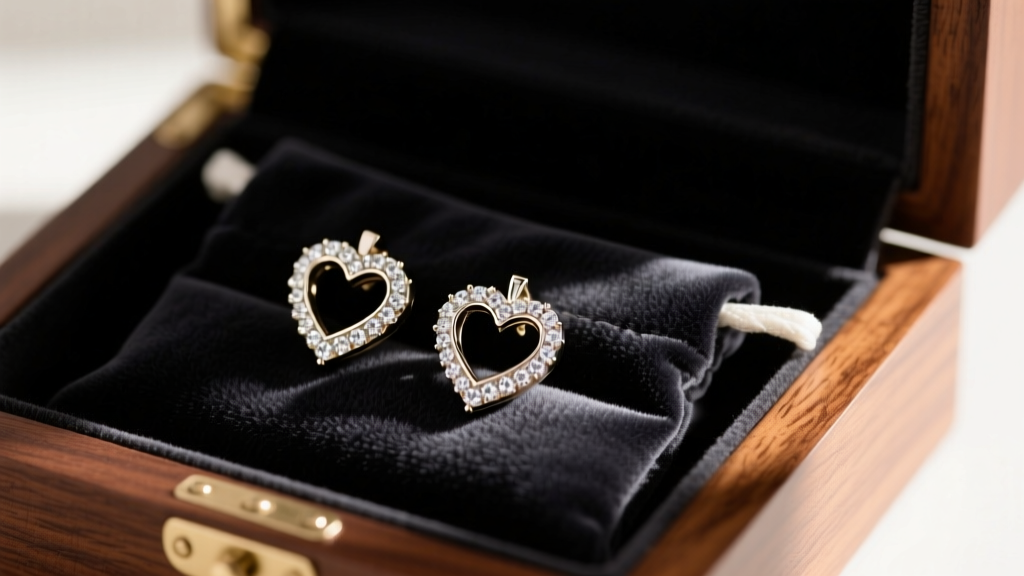
Gold Heart Earring Care: Cleaning Tips for 14k and 18k Gold
Learn expert cleaning and maintenance tips for your gold heart earring. Discover safe solutions for 14k, 18k, and vermeil to keep them shining.

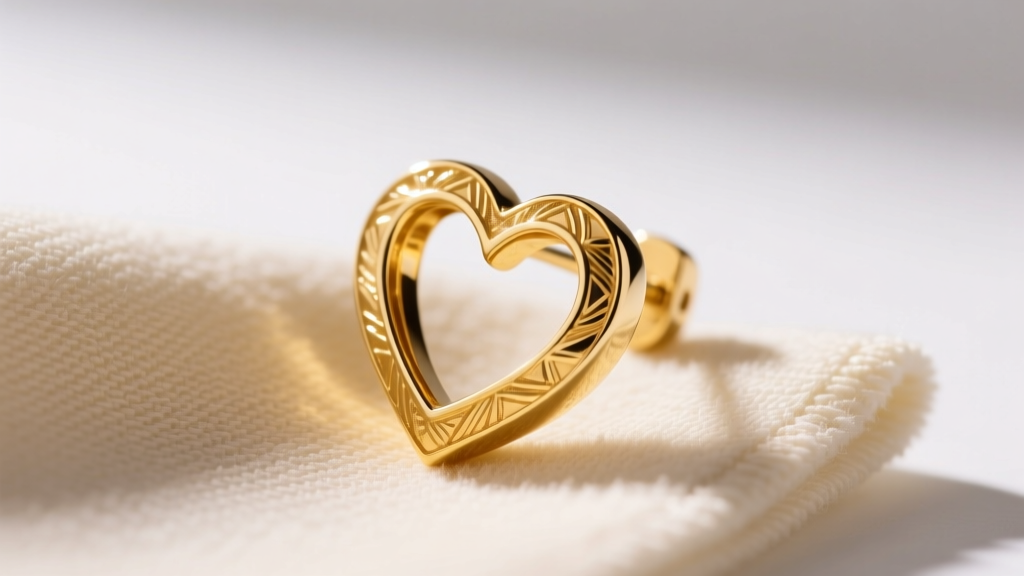
The Unique Anatomy of a Gold Heart Earring
The gold heart earring remains an enduring staple in fine jewelry, transitioning seamlessly from minimalist 14k solid gold studs to elaborate 18k pavé diamond hoops. However, the distinct geometry of the heart shape presents unique maintenance challenges that standard round or square earrings do not. The superior cleft (the V-shaped dip at the top) and the inferior apex (the sharp bottom point) act as natural traps for sebum, dead skin cells, cosmetic residues, and hairspray aerosols. Over time, this buildup not only dulls the metal's reflective surface but can also harbor bacteria near the piercing site.
Furthermore, the earring post itself—typically crafted in standard 20-gauge (0.81mm) or 18-gauge (1.02mm) thicknesses—requires meticulous cleaning to prevent contact dermatitis and earlobe infections. Understanding the specific material grade of your jewelry is the first step in establishing a safe, effective cleaning protocol that preserves both the metal and any integrated gemstones.
Step-by-Step Cleaning for Solid 14k and 18k Gold
Solid gold is an alloy. Pure 24k gold is too soft for daily wear, so jewelers mix it with metals like copper, silver, and zinc. 14k gold contains 58.5% pure gold, making it highly durable and resistant to tarnish, while 18k gold contains 75% pure gold, offering a richer yellow hue but a slightly softer surface that is more prone to micro-scratches. For both, a gentle aqueous cleaning method is safest.
The Distilled Water and Mild Surfactant Method
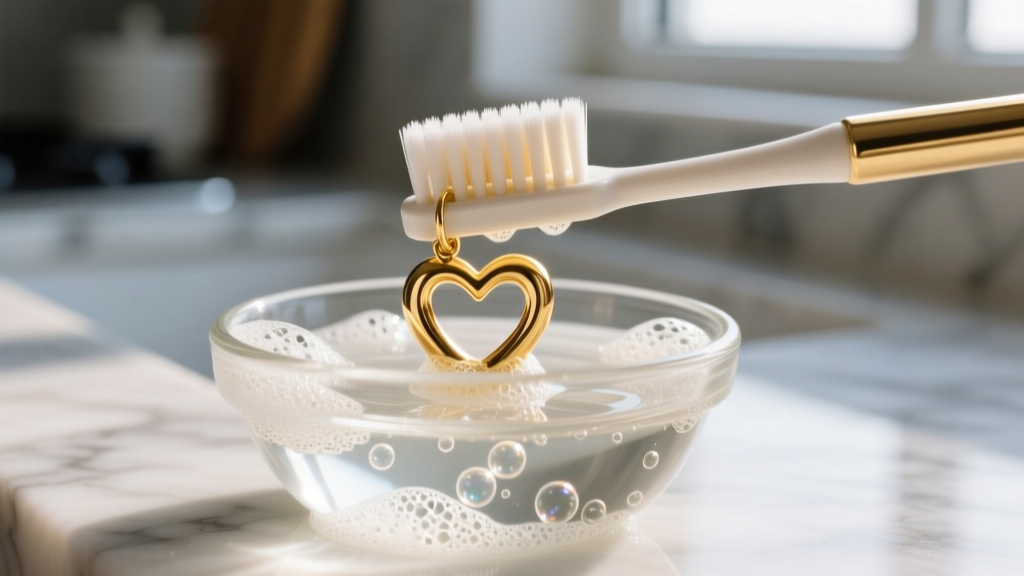
- Prepare the Solution: Mix three parts distilled water with one part mild, phosphate-free dish soap (such as Dawn) in a small glass bowl. Avoid tap water, as dissolved chlorine and heavy minerals can leave microscopic water spots or react with the alloy metals over time.
- Soak (Solid Gold Only): Submerge your 14k or 18k gold heart earring for exactly 10 to 15 minutes. This softens hardened sebum and cosmetic waxes without degrading the metal.
- Agitate the Crevices: Using an extra-soft baby toothbrush, gently brush the superior cleft and the inferior apex. Use short, sweeping strokes away from the post to avoid bending the 20g or 18g wire.
- Rinse and Dry: Rinse thoroughly under a gentle stream of distilled water. Pat dry with a lint-free microfiber cloth. Never use paper towels, as their wood pulp fibers can cause microscopic abrasions on highly polished 18k gold.
Special Protocols for Gold Vermeil and Plated Pieces
If your jewelry is not solid gold, the cleaning rules change drastically. According to the Federal Trade Commission (FTC), true gold vermeil must consist of a sterling silver base plated with at least 2.5 microns of gold. Standard gold-plated earrings often have a brass or copper base with a much thinner gold layer (often less than 0.5 microns).
Expert Warning: Never soak gold vermeil or plated earrings. Prolonged exposure to water and surfactants can penetrate microscopic pores in the plating, causing the underlying silver or brass to oxidize, expand, and flake the gold layer away entirely.
Instead, use the Damp Wipe Method. Dampen a microfiber cloth with a 50/50 mix of distilled water and isopropyl alcohol. Gently wipe the surface of the heart shape, avoiding vigorous rubbing on the edges where plating naturally wears thinnest. Allow the earring to air dry completely on a clean towel before storing.
Gemstone Inlays: A Care and Troubleshooting Guide
Many gold heart earrings feature gemstone accents, from a single diamond solitaire at the cleft to full pavé perimeters. The Gemological Institute of America (GIA) emphasizes that cleaning solutions must be tailored to the specific gemstone's hardness and chemical stability. What cleans a diamond will destroy an emerald.
| Gemstone Type | Mohs Hardness | Safe Cleaning Method | Strictly Avoid |
|---|---|---|---|
| Diamond | 10 | Warm soapy water, soft brush, ultrasonic (if prongs are secure) | Chlorine bleach (damages alloy settings) |
| Opal | 5.5 - 6.5 | Dry microfiber cloth only | Water, ultrasonics, heat (causes crazing) |
| Pearl | 2.5 - 4.5 | Damp cloth, wipe immediately after wear | All soaps, acids, perfumes, ultrasonics |
| Emerald | 7.5 - 8 | Lukewarm water, very gentle wipe | Soaps, ultrasonics, steam (strips cedar oil treatments) |
Daily Habits and Long-Term Storage
Preventative maintenance significantly reduces the need for deep cleaning. Adopting the "last on, first off" rule is critical. Your gold heart earring should be the very last thing you put on after applying lotions, hairsprays, and perfumes, and the first thing you remove when returning home. Aerosolized hairspray creates a sticky, transparent film over the gold that rapidly attracts dust and skin cells.
- Climate Control: Store your earrings in a low-humidity environment. Bathrooms are the worst possible storage locations due to fluctuating temperatures and high moisture from showers, which accelerates the tarnishing of the alloy metals in 14k gold.
- Anti-Tarnish Strips: Place 3M anti-tarnish strips inside your jewelry box. These strips absorb airborne sulfur compounds that cause silver and copper alloys to discolor.
- Individual Pouches: Never toss multiple earrings into a single compartment. The friction between pieces will cause micro-scratches, particularly on high-polish 18k gold finishes.
When to Seek Professional Jewelry Maintenance
While at-home care maintains surface brilliance, it cannot address structural wear. According to Jewelers of America, fine jewelry worn daily should be professionally inspected every six to twelve months.
If your gold heart earring features pavé diamonds or delicate prong settings at the cleft, the microscopic prongs can snag on clothing and lift over time. A jeweler will use a microscope to check for prong fatigue and tighten them using specialized burins—a service that typically costs between $25 and $50. Furthermore, if you own a white gold heart earring, the rhodium plating that gives it a bright, silvery-white finish will eventually wear thin, revealing the slightly yellowish white gold alloy beneath. Professional rhodium re-plating generally ranges from $35 to $65 and will restore the piece to its original, mirror-like brilliance.
Finally, avoid using at-home ultrasonic cleaners on older or heavily worn pavé settings. The standard 40kHz high-frequency vibrations can easily shake loose diamonds if the metal prongs have experienced years of friction and wear. Leave ultrasonic and steam cleaning to professionals who can verify the structural integrity of the settings first.