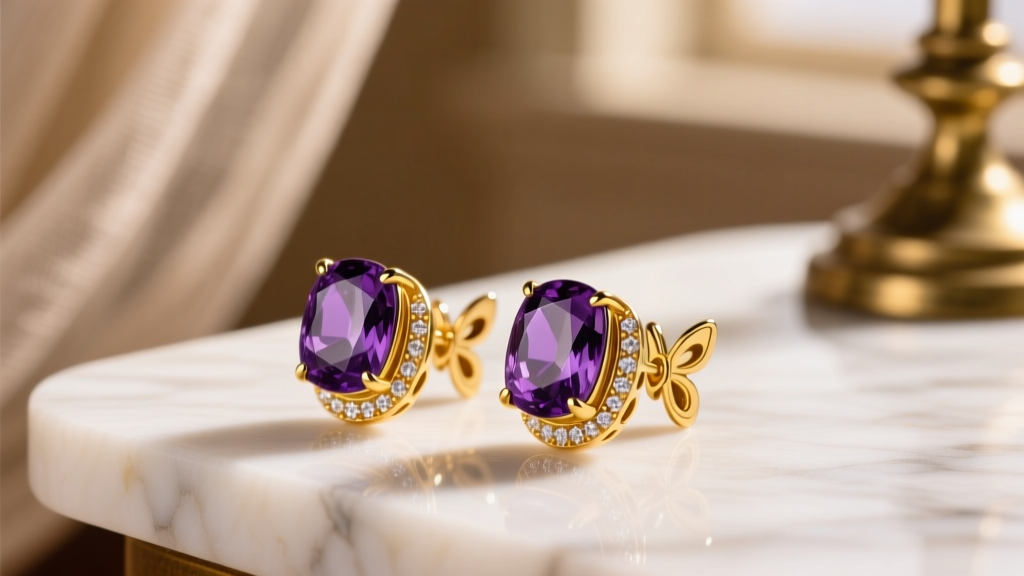
Best Sister Earrings Gift Guide: 2026 Matching Sets
Discover the best sister earrings for 2026. Our gift guide covers matching sets, hypoallergenic metals, and gauge sizes for every piercing type.

The Evolution of Sister Earrings: Beyond the Twin Set
Gifting jewelry to a sibling is a time-honored tradition, but the 2026 approach to sister earrings has fundamentally evolved. We are moving away from identical, mass-produced twin sets and toward complementary, anatomically correct, and highly personalized ear curation. Whether you are shopping for a milestone birthday, a wedding party gift, or a 'just because' surprise, selecting the right pair requires a deep understanding of metal grades, piercing gauges, and individual style profiles.
This comprehensive gift guide breaks down the technical and aesthetic considerations necessary to choose sister earrings that will actually be worn, cherished, and safely healed. From ASTM-certified titanium for sensitive cartilage to 14k solid gold huggies for everyday lobe wear, here is everything you need to know before checking out.
The Piercing Profile: Matching Earrings to Her Anatomy
The most common mistake gifters make is ignoring the specific placement of the recipient's piercings. A standard lobe earring will not fit securely in a helix piercing, and a heavy dangle will cause discomfort in a freshly healed tragus. Understanding the anatomical destination of your gift is step one.
Standard Lobe vs. Cartilage Considerations
Standard earlobe piercings are typically done at 20-gauge (0.81mm) or 18-gauge (1.0mm). For these placements, you have the freedom to gift heavier styles, such as ornate drop earrings, chandelier dangles, or thick hoop earrings. However, cartilage piercings (helix, forward helix, conch, and tragus) are almost universally pierced at 16-gauge (1.29mm) or 18-gauge. If your sister has a curated cartilage stack, gifting her a 20-gauge earring for her helix will result in the post bending easily or the earring slipping out during sleep.
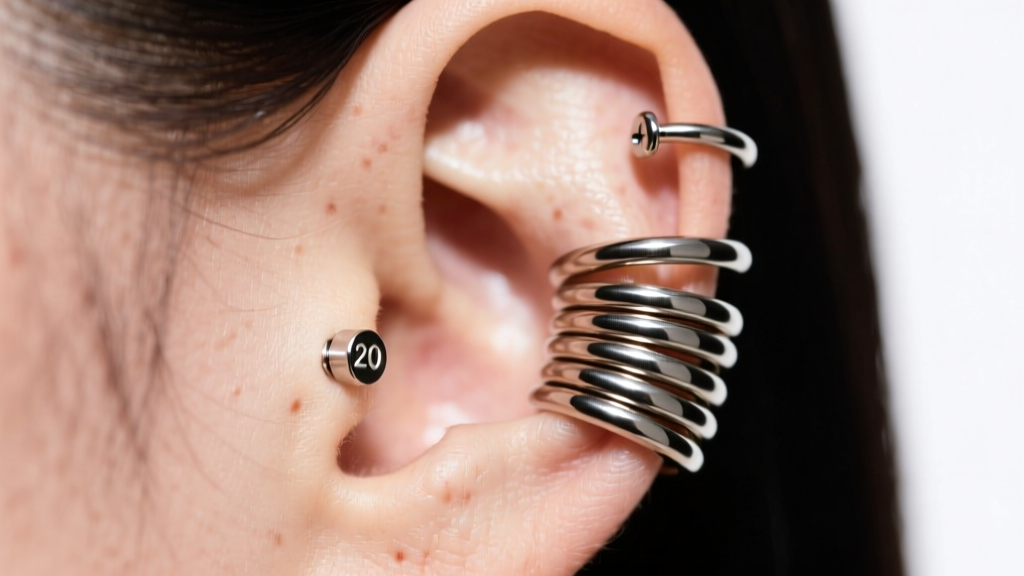
Furthermore, cartilage is highly prone to irritation bumps (hypertrophic scarring) if subjected to friction or improper alloys. According to the Association of Professional Piercers (APP), only implant-grade titanium (ASTM F-136) or high-karat solid gold should be worn in cartilage, especially if the piercing is less than a year old.
Material Matrix: What to Buy Based on Her Sensitivity
When shopping for sister earrings, the metal composition dictates both the longevity of the piece and the biological reaction of the wearer's skin. Nickel allergies affect roughly 10-15% of the population, making hypoallergenic materials a non-negotiable for many.
| Material Grade | Durability & Wear | Price Range | Best For |
|---|---|---|---|
| Implant-Grade Titanium (ASTM F-136) | Exceptional; completely nickel-free, will not tarnish or corrode. | $30 - $80 | Fresh piercings, highly sensitive ears, cartilage stacks. |
| 14k Solid Gold | High; alloyed with metals like zinc or copper for structural integrity. Ideal for thin posts. | $120 - $350+ | Everyday lobe studs, permanent jewelry, heirloom gifts. |
| 18k Solid Gold | Moderate; softer and more prone to scratching, but offers a richer, deeper yellow hue. | $200 - $600+ | Special occasion huggies, bezel-set diamond threaders. |
| Gold Vermeil (Min. 2.5 microns) | Low-Moderate; a thick layer of gold over sterling silver. Will eventually wear off with friction. | $45 - $110 | Trend-driven shapes, occasional wear, budget-conscious gifting. |
Expert Note: Avoid 'gold-plated' brass or copper bases for sensitive ears. The Gemological Institute of America (GIA) notes that lower-karat gold alloys or thin flash-plating often contain nickel or copper, which can cause contact dermatitis and green skin discoloration.
Occasion Matching: Curating the Perfect Set
The context of the gift should heavily influence the silhouette and mechanism of the earrings. Here is how to match the style of sister earrings to the specific occasion.
- The Wedding Party (Bridesmaid Gifts): Opt for 18k gold threader earrings with a single freshwater pearl drop. Threaders are elegant, adjustable, and photograph beautifully from a distance without competing with the bride's jewelry. Avoid heavy chandeliers that might catch on delicate silk dresses.
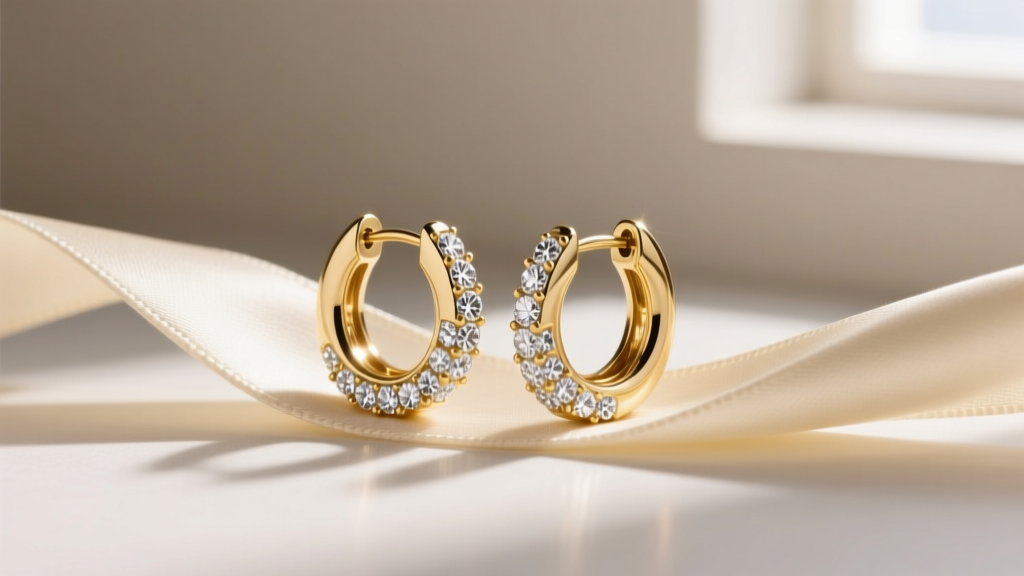
- Milestone Birthdays (21st, 30th, 40th): Invest in solid 14k gold huggies with bezel-set birthstones or brilliant-cut diamonds. Huggies sit flush against the earlobe, making them the ultimate 'never take it off' everyday piece that commemorates a major life event.
- The 'Just Because' or Holiday Gift: Look for complementary interlocking sets. Instead of identical studs, buy a set where one sister gets a celestial sunburst stud and the other gets the matching moon phase. This reflects the modern 2026 trend of 'individualized matching' rather than rigid uniformity.
- For the Unpierced Sister: Do not skip her! High-tension magnetic ear cuffs or clip-ons with silicone comfort pads have seen massive design improvements. Look for 14k gold-plated sterling silver cuffs that mimic the look of a helix hoop without the needle.

Sizing, Gauges, and Hardware: Avoiding the Return Hassle
Nothing ruins a thoughtful gift faster than an earring that physically cannot fit into the recipient's piercing, or a backing mechanism that causes pain. Pay close attention to the hardware specifications before purchasing.
The Problem with Butterfly Backs
Traditional friction 'butterfly' backs are notorious for trapping dead skin, sebum, and bacteria against the back of the earlobe. Furthermore, the sharp prongs on the back of the post can dig into the neck during sleep. If you are gifting high-end sister earrings, prioritize brands that offer flat-back labrets (which sit flush against the back of the ear) or secure screw-backs. Flat-backs are especially critical if your sister sleeps in her earrings or has a forward-facing helix piercing.
Diameter Matters: Hoops and Huggies
If you are buying hoops, the inner diameter is crucial. A standard lobe huggie usually requires an 8mm to 10mm inner diameter. However, if she wears hoops in her upper cartilage (helix or flat), she will likely need a 6mm to 8mm diameter to ensure the hoop doesn't stick out awkwardly from the side of her head. When in doubt, hinged segment rings (clickers) with a standard 10mm diameter are the most versatile, as they can be worn in almost any ear placement.
"When gifting jewelry for the ears, the mechanism is just as important as the aesthetic. A beautifully cast 14k gold hoop is useless if the hinge is too stiff for the wearer to open, or if the post gauge is a fraction of a millimeter too thick for her healed fistula. Always check the millimeter specs, not just the visual proportions."
Expert Care Tips to Include in Your Gift Note
Elevate your gift by including a handwritten care card. Many recipients unknowingly destroy their jewelry through improper maintenance. Include these three golden rules in your sister earrings gift note:
- The Shower Rule: Never wear gold vermeil or pearl earrings in the shower. Hard water minerals and sulfates in shampoos will strip the gold micron layer and degrade the nacre of the pearl over time.
- The Chemical Ban: Remove earrings before swimming in chlorinated pools or using household cleaning supplies. Chlorine can cause a metallurgical reaction known as 'stress corrosion cracking' in 14k and 18k gold alloys, causing the posts to snap cleanly in half.
- Proper Storage: Store each earring in an individual anti-tarnish microfiber pouch. Storing multiple pieces together in a communal jewelry box leads to micro-scratches, especially when diamonds or sapphires (which rank high on the Mohs hardness scale) rub against softer gold or silver surfaces.
By prioritizing anatomical accuracy, high-grade materials, and occasion-appropriate designs, your sister earrings gift will transcend the typical jewelry box clutter and become a cherished, daily-worn staple in her collection.