Dragonball Earrings: Material Comparison & Care Guide
Discover the best metals and enamels for Dragonball earrings. Compare titanium, steel, and silver for Potara and Shenron anime jewelry.

The Metallurgy of Anime Jewelry: Why Material Matters
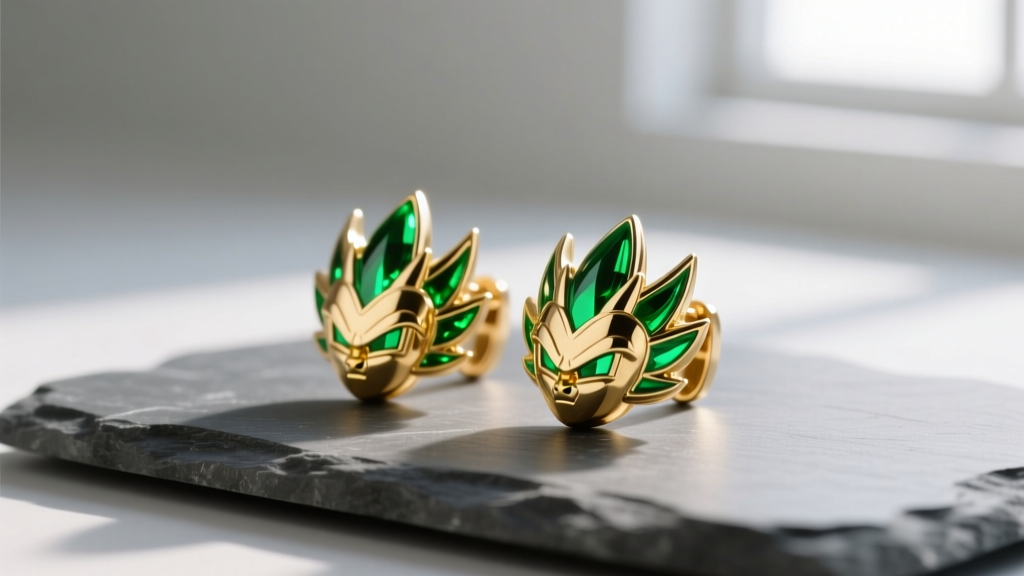
As the anime jewelry market matures in 2026, collectors and everyday wearers are no longer satisfied with cheap, mass-produced novelties. Dragonball earrings—ranging from the iconic Supreme Kai Potara earrings to intricate Shenron dangles and Capsule Corp studs—demand a sophisticated balance of aesthetic accuracy, structural integrity, and biocompatibility. Whether you are cosplaying at a convention or wearing subtle Namekian-inspired teardrops to the office, the metallurgical properties of your jewelry dictate its longevity and how your skin reacts to it.
Choosing the right material is not just about the color of the metal; it involves understanding galvanic reactions, weight distribution on the earlobe, and the chemical stability of the enamels used to recreate the vibrant orange and blue colorways of the Dragonball universe. This guide breaks down the exact material grades and properties you need to look for when investing in high-quality anime earrings.
Top Metals for Dragonball Earrings: A Deep Dive
ASTM F-136 Implant Grade Titanium
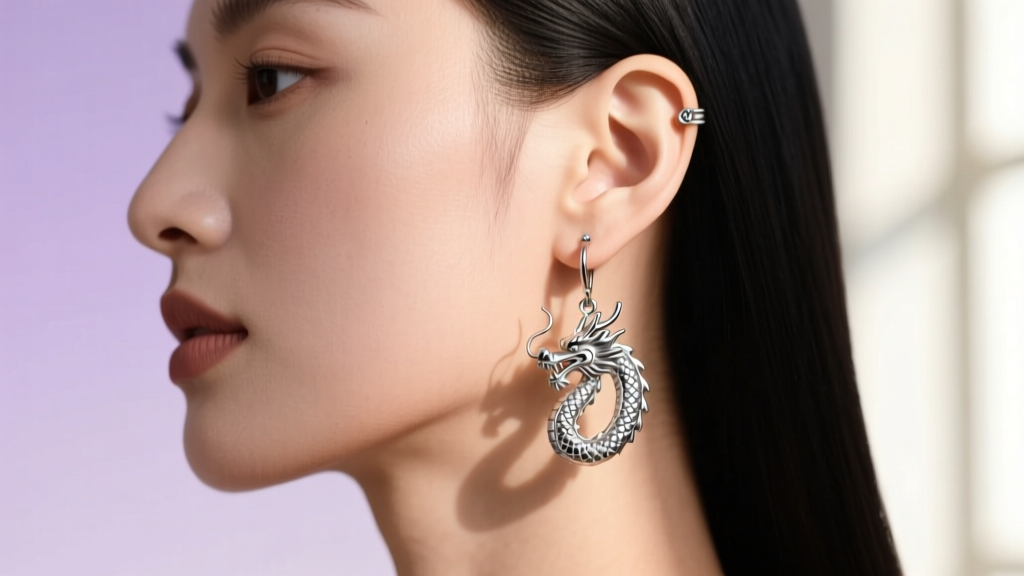
For heavy dangle pieces, such as elongated Namekian earrings or detailed Scouter-inspired ear cuffs, Titanium is the undisputed champion. However, not all titanium is created equal. You must look for ASTM F-136 Implant Grade Titanium. Commercial-grade titanium often contains impurities that can cause contact dermatitis. Implant-grade titanium is entirely nickel-free and boasts an exceptional strength-to-weight ratio. It is approximately 45% lighter than surgical steel, meaning a large, intricate Shenron dragon dangle will not stretch or tear your earlobe over time. According to the Association of Professional Piercers, ASTM F-136 is the gold standard for both fresh piercings and long-term wear in sensitive individuals.
316L Surgical Stainless Steel
316L steel is the most common material used in mid-tier anime jewelry due to its low cost and high polish. The 'L' stands for low carbon, which improves corrosion resistance. However, 316L steel contains between 8% and 10.5% nickel. While the nickel is generally bound within the alloy and safe for fully healed piercings, individuals with nickel sensitivities may experience flare-ups, especially when sweating at conventions. For small, lightweight pieces like Dragon Radar studs or tiny 4-Star Dragon Ball huggies, 316L is a budget-friendly and durable option, provided your lobes are fully healed and not hyper-sensitive.
925 Sterling Silver with Rhodium Flash
For premium, high-end Potara replicas, 925 Sterling Silver offers unmatched luster and detail resolution for complex 3D casting. Sterling silver is 92.5% pure silver and 7.5% copper. The copper provides necessary hardness but makes the metal susceptible to tarnishing when exposed to sulfur in the air and skin oils. To combat this, top-tier jewelers apply a 'rhodium flash'—a microscopically thin plating of platinum-group metal that prevents tarnish and mimics the look of white gold. Keep in mind that silver is a soft metal; thin silver ear wires can easily bend if caught on clothing, making it less ideal for active convention wear compared to titanium.
Color Reproduction: Enamel vs. Epoxy Resin
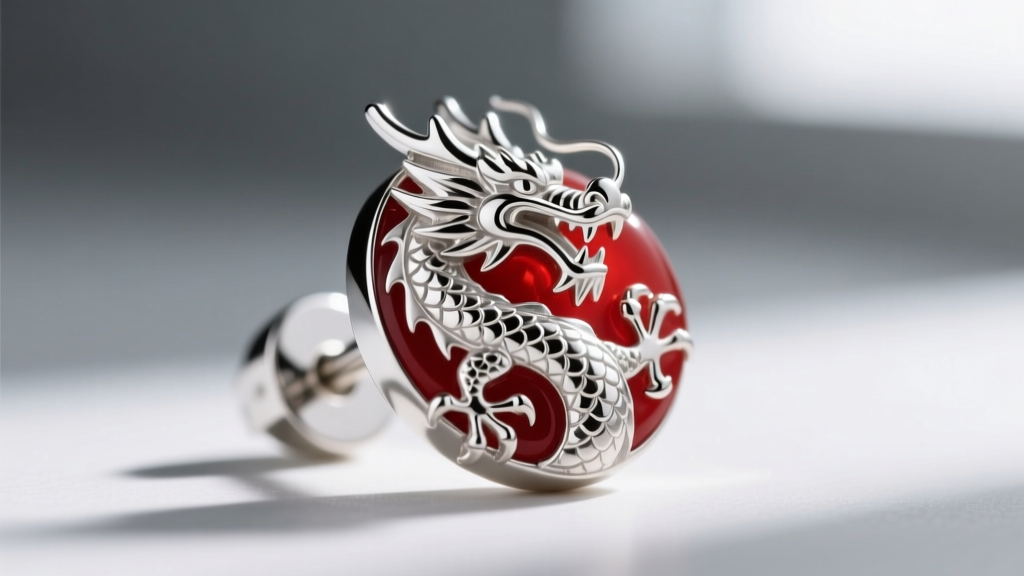
The Dragonball aesthetic relies heavily on vibrant colors: Goku's orange gi, Bulma's blue hair, and the glowing red of the Dragon Radar. How these colors are applied to the metal base drastically affects the earring's lifespan.
- Hard Vitreous Enamel (Cloisonné): This is powdered glass fused to metal at extreme temperatures (around 1400°F). It is scratch-resistant, UV-stable, and will never yellow. High-end Potara earrings use green vitreous enamel for the central gemstone to ensure lifelong brilliance.
- Cold Epoxy Resin: Often used in budget anime jewelry, resin is essentially a hardened plastic glue. While it allows for cheap, multi-color detailing, epoxy resin degrades under UV light, turning yellow or cloudy within 12 to 18 months of regular sun exposure. It is also highly susceptible to scratching and peeling at the metal boundaries.
Material Comparison Matrix
| Material | Biocompatibility | Relative Weight | Best DBZ Application | Avg. Price Range |
|---|---|---|---|---|
| ASTM F-136 Titanium | Excellent (Nickel-Free) | Very Light | Heavy Dangles, Ear Cuffs, Fresh Piercings | $45 - $120 |
| 316L Surgical Steel | Good (Contains Nickel) | Heavy | Small Studs, Huggies, Budget Cosplay | $15 - $40 |
| 925 Sterling Silver | Very Good (Nickel-Free) | Medium | Intricate Castings, Premium Potara Replicas | $60 - $180 |
| Brass (Gold-Plated) | Poor (High Allergy Risk) | Heavy | Short-term Convention Cosplay Only | $10 - $25 |
Structural Integrity: Gauge Sizes and Backings
A common failure point in themed jewelry is the earring post or wire snapping under the weight of the design. Standard fashion earrings use a 22-gauge (0.64mm) or 20-gauge (0.81mm) post. However, if you are wearing heavy, solid-metal Dragonball dangles, a 20-gauge wire can easily bend, causing the earring to hang at an awkward angle or snap entirely.
For any anime dangle exceeding 8 grams in weight, insist on an 18-gauge (1.02mm) or 16-gauge (1.29mm) ear wire. Furthermore, the earring backing is crucial. Standard metal friction backs (butterfly clutches) often fail to support heavy front-facing designs, causing the earring to droop forward. For heavy pieces, swap to flat-back silicone O-rings or specialized jumbo silicone clutches which provide a wider surface area against the back of the earlobe, distributing the weight evenly and keeping the anime charm facing perfectly forward.
Care and Maintenance for Themed Jewelry
Proper maintenance ensures your Dragonball earrings remain convention-ready for years. The Federal Trade Commission's Jewelry Guides outline the importance of proper metal care to prevent degradation of alloys and platings.
- Ultrasonic Cleaners: Safe for plain titanium and steel. Never use ultrasonic cleaners on Sterling Silver with oxidized (blackened) detailing, or on any earrings featuring epoxy resin, as the high-frequency vibrations will shatter the resin or strip the antiquing.
- Chemical Exposure: Chlorine in pools and hot tubs will permanently pit and discolor sterling silver and lower-grade steel alloys. Always remove your earrings before swimming.
- Storage: Store silver anime earrings in anti-tarnish cloth pouches with silica gel packets to absorb ambient moisture. Keep enamel pieces separated in hard cases to prevent the metal edges of other jewelry from scratching the glass enamel surfaces.
By prioritizing implant-grade metals, high-temperature enamels, and structurally sound gauge sizes, you can build a collection of Dragonball earrings that honors the legacy of the series while respecting the biology of your piercings. Whether you are channeling the Supreme Kai or representing Capsule Corp, the right metallurgy ensures your style is truly over 9000.


