How Long After Ear Piercing Can You Change Earrings? A Value Guide
Discover exactly how long after ear piercing you can change earrings. We break down healing timelines, material costs, and hidden fees.

The Financial Reality of Piercing Timelines
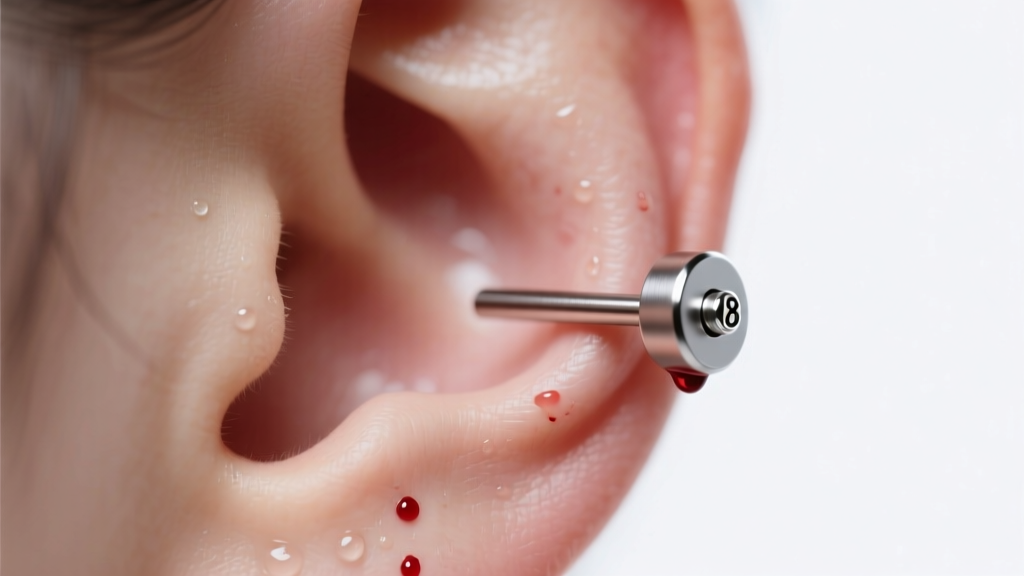
When asking, "how long after ear piercing can you change earrings?", most people are thinking about aesthetics and impatience. However, from a budget and value assessment perspective, this question is fundamentally about risk management and financial planning. Changing your jewelry before the fistula (the tissue tube forming the piercing channel) has fully matured is one of the most common—and expensive—mistakes first-time piercing enthusiasts make.
The initial cost of a professional piercing typically ranges from $50 to $120, which usually includes the service fee and basic implant-grade titanium jewelry. If you swap this jewelry out at week three for a cheap fashion earring, you risk introducing bacteria, causing micro-tears in the fragile healing tissue, and triggering contact dermatitis. The resulting medical bills for topical antibiotics, oral medications, or the eventual cost of re-piercing scar tissue can easily exceed $300. Understanding the biological timeline is the first step in protecting your investment.
Lobe vs. Cartilage: Healing Timelines and Value Metrics
The ear is not a monolith; different zones heal at drastically different rates due to variations in vascularity (blood flow). Lobe tissue is highly vascular and heals relatively quickly, while cartilage is avascular, relying on surrounding tissue for nutrient delivery. This biological reality dictates your jewelry upgrade budget timeline.
| Piercing Zone | Minimum Safe Wait Time | Initial Jewelry Value (Titanium) | Hidden Cost of Early Change |
|---|---|---|---|
| Standard Earlobe | 6 to 8 Weeks | $30 - $55 | $150+ (Infection treatment / Re-piercing) |
| Upper Lobe / High Lobe | 8 to 12 Weeks | $35 - $60 | $150+ (Prolonged healing / Blowouts) |
| Helix (Outer Cartilage) | 6 to 12 Months | $45 - $85 | $200+ (Hypertrophic scarring / Bumps) |
| Conch / Tragus | 9 to 12 Months | $50 - $95 | $250+ (Cartilage damage / Rejection) |
According to the Association of Professional Piercers (APP), cartilage piercings can appear healed on the surface within a few months, but the internal fistula remains fragile for up to a year. Swapping a cartilage stud for a hoop at month four is a primary cause of irritation bumps, which often require expensive professional downsizing and specialized aftercare to resolve.
Initial Jewelry: Where to Invest and Where to Save
When budgeting for a new piercing, your initial jewelry choice dictates the trajectory of your healing. Many budget-conscious consumers opt for mall kiosks or piercing guns because the upfront cost seems lower (often advertised as "free" with the purchase of earrings). This is a false economy. Piercing guns use blunt force, causing tissue trauma, and their proprietary earrings are frequently made of low-grade metals with poor locking mechanisms.
Instead, invest in a professional needle piercing using high-quality, body-safe materials. You are paying for precision, sterility, and biocompatibility.
The Material Hierarchy for Fresh Piercings
- Implant-Grade Titanium (ASTM F-136): The undisputed gold standard for initial piercings. It contains zero nickel, is highly polished, and costs between $30 and $60 per piece. This is a non-negotiable investment for avoiding allergic reactions.
- Niobium: A highly reactive metal that is anodized to create colors. It is nickel-free and safe for initial piercings, though slightly softer than titanium. Expect to pay $35 to $70.
- Solid 14k or 18k Gold (Nickel-Free): While safe for some, gold alloys can sometimes contain trace metals that irritate open wounds. It is also a poor financial choice for a fresh piercing, as you risk losing a $300 piece of jewelry to swelling or rejection. Save gold for post-healing.
- Surgical Steel (316LVM): Avoid for fresh piercings. Despite the medical-sounding name, surgical steel contains up to 8% nickel. The Mayo Clinic notes that nickel allergies can develop at any time, and leaching from fresh steel jewelry can cause severe contact dermatitis, turning a $50 piercing into a costly medical issue.
The Hidden Costs of External Threading
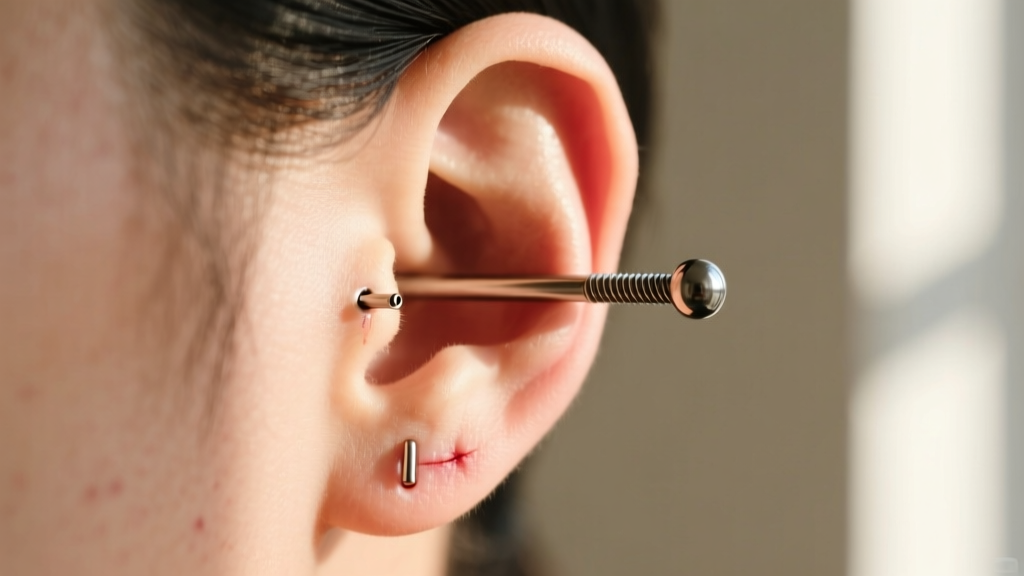
Beyond the metal alloy, the construction of the earring post impacts your healing budget. Externally threaded jewelry (where the screw pattern is on the post that passes through your ear) acts like a tiny file, tearing the delicate new cells of the fistula every time it is inserted or removed. This trauma extends healing times by weeks or months.
Always insist on internally threaded (the screw is on the decorative end) or threadless (press-fit) jewelry. While threadless titanium ends and posts might cost $40 to $80 combined, they allow for seamless, trauma-free jewelry changes once healed, maximizing the lifespan and comfort of your piercing.
Planning Your Post-Healing Upgrade Budget
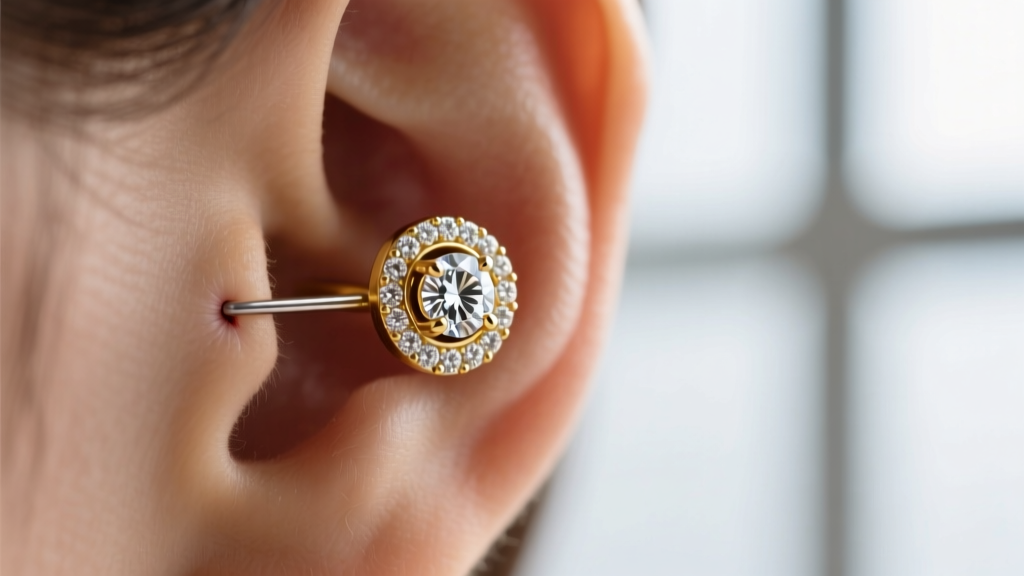
Once you have successfully navigated the healing timeline, you can begin allocating funds toward your permanent jewelry collection. This is where the "value" aspect of your piercing journey truly shines. Because you invested in proper initial healing, your fistula is now a stable, mature tunnel capable of holding heavier, more intricate, and more valuable pieces.
Strategic Upgrade Tiers
Tier 1: The Daily Drivers ($60 - $150)
For everyday wear, invest in high-quality titanium or 14k gold seamless hoops and huggies. Brands like BVLA or Maria Tasha offer exceptional craftsmanship. A 16-gauge titanium clicker hoop for a healed helix will last a lifetime and resist tarnishing, offering a much higher cost-per-wear value than fast-fashion alternatives that will rust or snap within months.
Tier 2: The Statement Pieces ($200 - $600+)
Once your lobes are fully matured (usually after 6 months), you can safely upgrade to heavier drop earrings or solid gold diamond studs. When purchasing fine jewelry for piercings, always verify the post gauge. Many commercial fine jewelers sell 20-gauge or 22-gauge posts, which are too thin for a standard 18-gauge or 16-gauge professional piercing and can cause the hole to shrink or migrate. Seek out specialized fine body jewelers who craft 14k gold ends specifically for standard body piercing gauges.
Cost-Effective Aftercare Protocols
Protecting your piercing investment requires proper aftercare, but you do not need to overspend on branded products. The most effective, budget-friendly aftercare solution is sterile 0.9% sodium chloride wound wash. A pressurized can of sterile saline costs about $8 to $12 at any local pharmacy and will last through the entire healing process of a lobe piercing.
"Avoid using rubbing alcohol, hydrogen peroxide, or antibiotic ointments on new piercings. These harsh chemicals destroy the healthy cells your body is generating to heal the fistula, effectively resetting your healing clock and increasing the risk of complications."
Ultimately, knowing how long after ear piercing you can change earrings is about respecting human biology to protect your wallet. By front-loading your budget into professional services and implant-grade titanium, and by exercising the patience required for true tissue maturation, you set the stage for a lifetime of comfortable, high-value earring styling without the hidden taxes of impatience.


