Earring Allergy Symptoms: Identify and Treat Metal Sensitivities
Discover common earring allergy symptoms, learn why nickel causes reactions, and find the best hypoallergenic metals for sensitive ears.

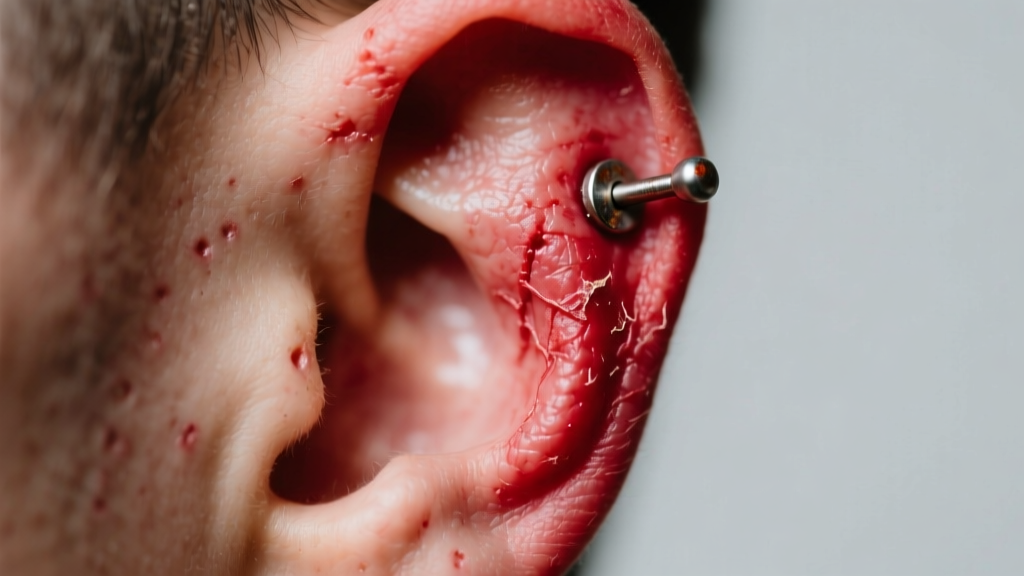
If you have ever taken off a pair of earrings only to find your earlobes itching, red, and slightly swollen, you are not alone. Metal sensitivities are incredibly common, yet many people confuse them with standard piercing infections. Understanding the exact earring allergy symptoms is the first step toward protecting your skin and curating a jewelry collection that you can wear comfortably all day.
In this beginner-friendly guide, we will break down the science of contact dermatitis, expose the truth behind misleading jewelry labels, and provide a definitive guide to the best hypoallergenic metals for both standard lobe piercings and delicate cartilage placements.
Recognizing Earring Allergy Symptoms vs. Infection
Before you can treat the issue, you must correctly identify it. Allergic contact dermatitis is a localized immune response triggered when your skin comes into contact with a specific allergen—most commonly nickel. According to the Mayo Clinic, nickel allergy affects roughly 10% to 20% of the general population, making it one of the most prevalent contact allergies worldwide.
Classic Signs of an Allergic Reaction
When your immune system detects nickel ions leaching from your jewelry into your skin, it launches a histamine response. Typical earring allergy symptoms include:
- Intense Itching: Often the very first sign, occurring within 12 to 48 hours of wearing the offending earrings.
- Localized Redness and Rash: The skin directly beneath and around the earring post or backing becomes inflamed.
- Dry, Scaly Patches: Chronic exposure can lead to skin that feels rough, cracked, or leathery.
- Mild Swelling: The earlobe may feel puffy, but the swelling is usually confined to the immediate contact area.
- Weeping or Blistering: In severe cases, small fluid-filled blisters may form and eventually crust over.
How to Differentiate from a Bacterial Infection
While allergies cause itching and redness, bacterial infections (common in fresh piercings) present differently. An infection is typically accompanied by throbbing pain, excessive heat radiating from the tissue, and thick, yellowish, or greenish pus. Allergic reactions rarely cause systemic symptoms like a fever, whereas a severe cartilage infection might. If you suspect an infection in a fresh 16-gauge or 14-gauge cartilage piercing, consult a professional piercer or a doctor immediately rather than removing the jewelry, which can trap the infection inside the fistula.
The Culprit: Why Nickel Causes Contact Dermatitis
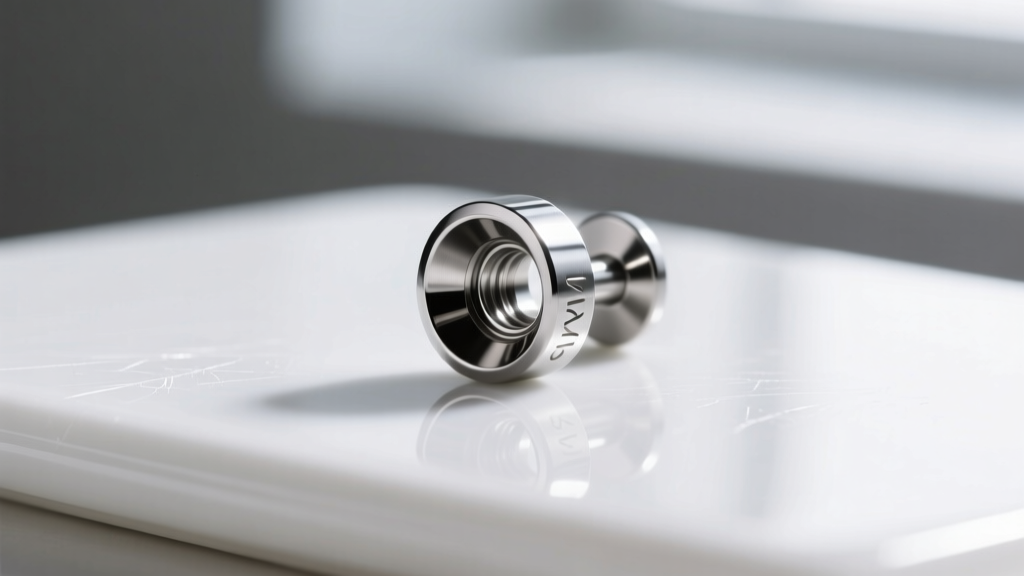
Nickel is a cheap, durable, and highly lustrous metal, which is why it is frequently used as a base metal or alloying agent in fashion jewelry. However, when nickel mixes with the natural salts and moisture in your sweat, it oxidizes and releases nickel ions. These ions penetrate the epidermis, where they bind to skin proteins. Your immune system misidentifies these altered proteins as dangerous invaders, triggering the inflammatory cascade that results in the earring allergy symptoms described above.
Expert Insight: Cartilage piercings (like the helix, tragus, or conch) are particularly vulnerable. Because cartilage lacks its own blood supply, it heals much slower than the fleshy earlobe. Prolonged allergic irritation in cartilage can easily trigger hypertrophic scarring or irritation bumps, which are often mistakenly blamed on the piercing angle rather than the jewelry material.
The "Hypoallergenic" Trap: Decoding Jewelry Metals
One of the biggest mistakes beginners make is blindly trusting the term "hypoallergenic." In the jewelry industry, this term is largely unregulated. A piece stamped "hypoallergenic" might simply have a thin coating of rhodium or silver over a nickel-heavy brass core. Once that microscopic plating wears away from friction, the allergy symptoms will return with a vengeance.
To make informed purchases, you must understand the actual metallurgical composition of your earrings. Below is a breakdown of common jewelry metals and their allergy risk profiles.
| Metal Type | Nickel Content | Allergy Risk | Best Use Case |
|---|---|---|---|
| Implant-Grade Titanium (ASTM F-136) | 0% | Extremely Low | Fresh piercings, severe allergies, cartilage |
| Niobium | 0% | Extremely Low | Healed piercings, intricate wire-wrapping |
| Surgical Stainless Steel (316L) | 8% - 10% | Moderate to High | Healed lobes (only if not highly sensitive) |
| 14k or 18k Solid Yellow Gold | 0% (usually) | Low | Everyday wear, heirloom pieces |
| White Gold (unplated) | 5% - 15% | High | Avoid if you have a known nickel allergy |
| Fashion Brass / Copper Alloys | Trace to High | Very High | Display only, not for sensitive skin |
As noted by the Association of Professional Piercers (APP), "surgical stainless steel" (often 316L) contains enough nickel to trigger a reaction in highly sensitive individuals. While it is perfectly safe for surgical tools (which are not left inside the body), it is not the gold standard for long-term wear in sensitive ears.
The Best Metals for Sensitive Earlobes and Cartilage
If you are actively experiencing earring allergy symptoms, it is time to overhaul your jewelry box. Here are the top-tier, biocompatible materials you should be shopping for.
1. Implant-Grade Titanium (ASTM F-136)
This is the undisputed champion of sensitive-skin jewelry. Unlike "commercial grade" titanium, ASTM F-136 implant-grade titanium is the exact same material used in medical joint replacements and pacemakers. It contains zero nickel, is highly resistant to corrosion, and can be mirror-polished to a flawless finish that prevents bacteria buildup. It is the absolute best choice for standard 18-gauge or 20-gauge lobe studs, as well as heavier 16-gauge cartilage hoops.
2. Niobium
Niobium is a highly reactive, nickel-free elemental metal. It is softer and more malleable than titanium, making it a favorite among jewelers for crafting seamless clicker hoops and intricate ear cuffs. Because it can be safely anodized using electricity, niobium jewelry comes in a vibrant spectrum of colors without the use of toxic paints or platings.
3. Solid 14k and 18k Yellow Gold
High-quality yellow gold is generally alloyed with copper, silver, and zinc—none of which typically cause contact dermatitis. However, you must ensure the gold is solid, not plated. Gold vermeil (gold plated over sterling silver) is generally safe, but gold-plated brass will eventually expose you to allergens.

Immediate Relief and Long-Term Ear Care
If you are currently suffering from a flare-up, managing the earring allergy symptoms quickly is vital to prevent secondary bacterial infections caused by scratching. The National Institutes of Health (NIH) outlines several effective dermatological interventions for contact dermatitis:
- Remove the Trigger: Take out the offending earrings immediately. Do not attempt to "push through" the itching.
- Cleanse Gently: Wash the earlobe with a sterile saline wound wash or a mild, fragrance-free cleanser. Avoid harsh rubbing alcohol or hydrogen peroxide, which will dry out and further damage the compromised skin barrier.
- Apply Topical Corticosteroids: An over-the-counter 1% hydrocortisone cream applied twice a day for up to seven days can drastically reduce redness, swelling, and itching.
- Cold Compresses: A clean, cool, damp cloth applied to the ear for 10 minutes can soothe the burning sensation associated with acute flare-ups.
Proactive Testing: The Dimethylglyoxime Trick
Want to know if a vintage pair of earrings or a new market find contains nickel before you put them in your ears? Purchase a nickel spot test kit online. These kits use a chemical called dimethylglyoxime. You simply rub a cotton swab soaked in the testing solution against the metal for 30 seconds. If the swab turns pink or red, the jewelry is leaching nickel and should be kept out of your piercing.
Final Thoughts on Curating a Safe Collection
Dealing with earring allergy symptoms can be incredibly frustrating, but it does not mean you have to give up on wearing beautiful jewelry. By shifting your focus away from unregulated "hypoallergenic" marketing buzzwords and instead demanding specific, verifiable materials like ASTM F-136 titanium, niobium, and solid yellow gold, you can build a stunning, irritation-free collection. Listen to your body, respect the healing process, and always prioritize biocompatible metals for the health of your piercings.


