Complete Guide to Earring Hole Repair for Torn & Stretched Lobes
Discover expert earring hole repair methods for torn and stretched lobes. Compare surgical, filler, and at-home fixes with current pricing.

The Anatomy of Piercing Trauma: Why Earlobes Tear
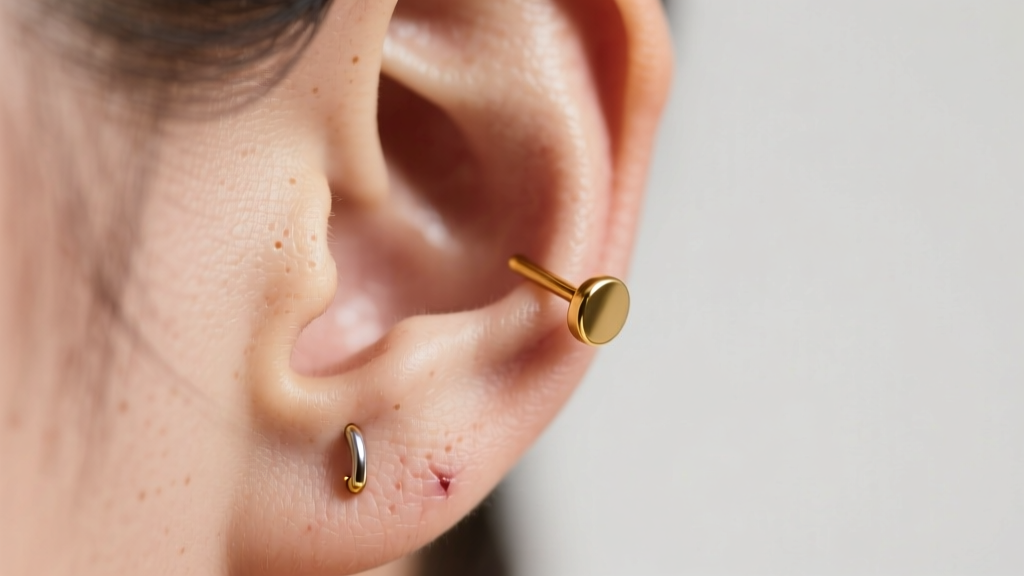
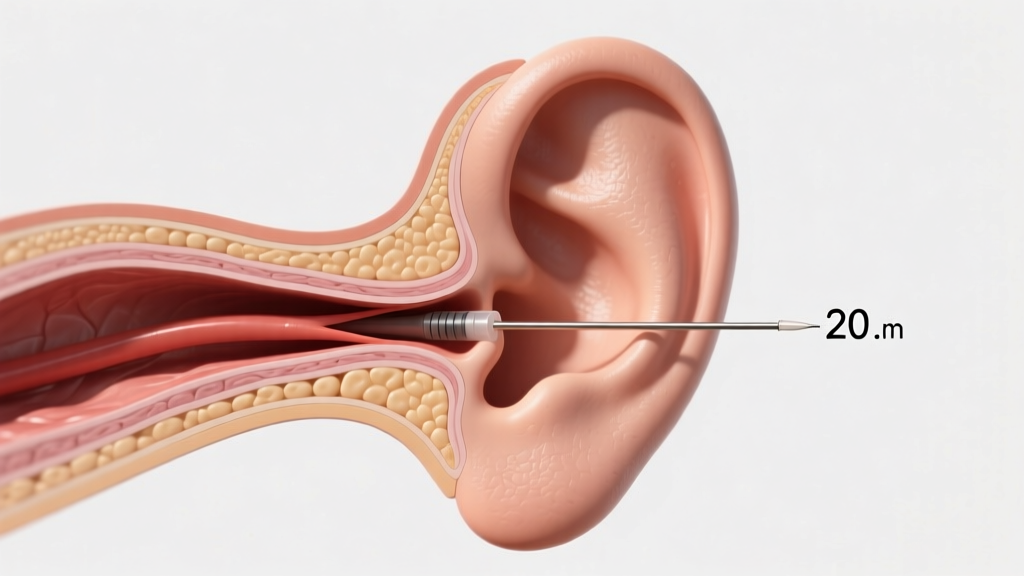
A standard earlobe piercing is typically performed at 20-gauge (0.81mm) or 18-gauge (1.02mm). The fistula—the tube of scar tissue that forms the piercing hole—is remarkably resilient, but it is not invincible. The most common catalyst for needing an earring hole repair is chronic mechanical stress. Wearing heavy statement earrings (those exceeding 15 grams) for extended periods causes ischemic necrosis, where the weight restricts blood flow to the inferior margin of the lobe, slowly thinning the tissue until it splits.
Other frequent culprits include snagging on clothing, sleeping in large hoops, or improper stretching techniques that lead to blowouts. Understanding the exact nature of your piercing trauma is the first step toward effective troubleshooting and repair.
Assessing the Damage: Split vs. Stretched vs. Blowout
Before pursuing a repair, you must accurately diagnose the failure mode of your piercing. Treatment pathways diverge significantly based on the type of tissue damage.
- The Split Lobe (Complete Cleft): The tissue has torn entirely through the bottom margin, leaving two separate flaps. This will not heal on its own and requires surgical intervention.
- The Stretched Hole (Elongation): The piercing has migrated downward, creating a vertical slit rather than a round hole. The bottom margin is intact but paper-thin (often under 1mm thick).
- The Blowout: Common in gauge stretching, this occurs when the fistula is forced to expand too quickly, causing the scar tissue to invert and protrude behind the earlobe.
- Cartilage Tears: Unlike lobes, cartilage (such as the helix or tragus) lacks elasticity. A tear here often results in hypertrophic scarring or keloids and requires specialized dermatological care.
Professional Earring Hole Repair Options
When conservative measures fail, professional intervention is required. Below is a comparison of the primary clinical methods for earring hole repair, including expected outcomes and average out-of-pocket costs (as these are rarely covered by insurance).
| Repair Method | Best For | Procedure Details | Avg. Cost (Per Lobe) | Downtime |
|---|---|---|---|---|
| Lobuloplasty (Wedge Excision) | Complete splits, large holes | Surgeon removes a V-shaped wedge of tissue and sutures the edges. Takes 15-30 mins under local anesthetic. | $200 - $450 | 1-2 weeks (suture removal) |
| Z-Plasty Reconstruction | Recurrent splits, margin notching | Advanced technique using interlocking Z-shaped incisions to prevent straight-line scar contracture and margin notching. | $350 - $600 | 2-3 weeks |
| Dermal Fillers (Hyaluronic Acid) | Sagging lobes, minor elongation | Injectables (e.g., Restylane) add volume to thin, stretched lobes, temporarily plumping the tissue around the hole. | $400 - $700 | None (immediate results) |
| Punch Grafting | Large gauge blowouts (00g+) | A biopsy punch removes the damaged fistula tract, and the resulting void is left to heal by secondary intention or grafted. | $300 - $500 | 4-6 weeks |
According to the Cleveland Clinic, surgical lobuloplasty boasts a success rate of over 95%, provided the patient follows strict post-operative wound care protocols to prevent infection.
At-Home Triage: What You Can (and Cannot) Do
If your piercing is stretched but not fully split, you may be able to encourage tissue retraction without surgery. However, the internet is rife with dangerous DIY earring hole repair hacks that cause more harm than good.
The "Superglue" Myth
Never use cyanoacrylate (Super Glue) to bond a split earlobe. The Mayo Clinic warns against using non-medical adhesives on open wounds. Superglue traps bacteria inside the fistula, causes severe allergic contact dermatitis, and creates a rigid, brittle bond that will inevitably re-tear, taking more healthy tissue with it.
Effective Conservative Management
- Downsizing: If your hole is stretched to 14G or 12G, immediately switch to a lightweight 18G or 20G implant-grade titanium (ASTM F136) stud. Titanium is biocompatible and reduces inflammation, allowing the fistula to shrink naturally over 3 to 6 months.
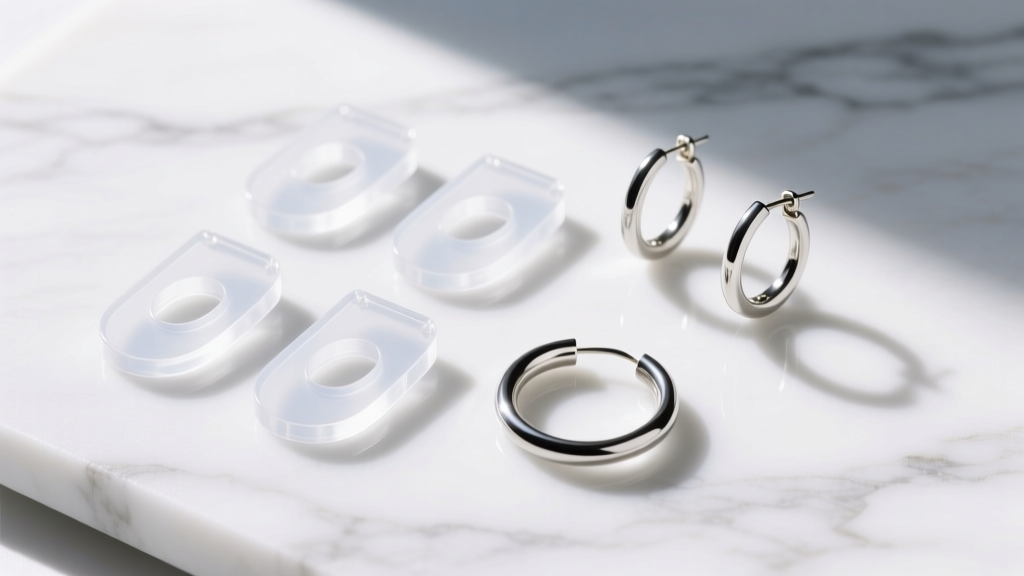
- Lobe Support Patches: Products like LobeWonder or clear silicone earring supports distribute the weight of the earring across a wider surface area of the earlobe, preventing further downward migration while the tissue rests.
- Vitamin E Massage: Once any acute inflammation has subsided, gently massaging the elongated margin with pure vitamin E oil can improve tissue elasticity and promote localized blood flow.
The Re-Piercing Timeline: When Can You Wear Earrings Again?
Patience is the most critical component of post-repair success. Rushing to re-pierce a repaired earlobe is the leading cause of secondary tearing.
Expert Rule of Thumb: Scar tissue is only about 80% as strong as virgin skin. A repaired earlobe will always be structurally weaker than an un-pierced one, requiring lifelong mindfulness regarding earring weight.
- Minor Stretching (Conservative): Wait 8 to 12 weeks after downsizing before wearing anything heavier than 3 grams.
- Surgical Lobuloplasty: Wait a minimum of 3 to 6 months. The surgeon will typically use dissolvable sutures that take 4-6 weeks to fully absorb, but the deep dermal layers need months to regain tensile strength.
- The Re-Piercing Placement: When you return to a professional piercer, they must offset the new piercing by at least 2mm to 3mm from the original scar tract. Piercing directly through dense, avascular scar tissue increases the risk of rejection and poor healing.
Preventative Maintenance: Protecting Your Repair
Once your earring hole repair is complete and re-pierced, implementing a strict maintenance routine will ensure you never need the procedure again.
Weight Management
Weigh your jewelry. Standard everyday studs should weigh under 3 grams. If you are wearing heavy brass or stone-set dangles that exceed 10 grams, limit wear time to less than four hours. For events requiring heavy statement pieces, utilize silicone support patches or consider switching to ear cuffs that bypass the lobe entirely.
Material Upgrades
Ditch porous materials and low-grade alloys. Acrylic, wood, and unverified "surgical steel" can harbor bacteria and contain nickel, which triggers micro-inflammation in the fistula. This chronic inflammation weakens the surrounding collagen matrix, making the lobe more susceptible to tearing. Stick strictly to implant-grade titanium (ASTM F136), niobium, or solid 14k/18k gold for long-term wear.
Nighttime Protocols
Sleeping in hoop earrings or butterfly-back studs is a primary cause of accidental snagging and tearing. Make it a non-negotiable habit to remove all jewelry before bed, or if you must keep a newly healed piercing open, use a flat-back titanium labret stud that sits flush against the skin and cannot catch on pillowcases.


