Expert Care & Cleaning Guide for Chunky Pearl Earrings
Learn how to safely clean, store, and maintain chunky pearl earrings. Expert tips on protecting nacre, securing heavy posts, and avoiding damage.

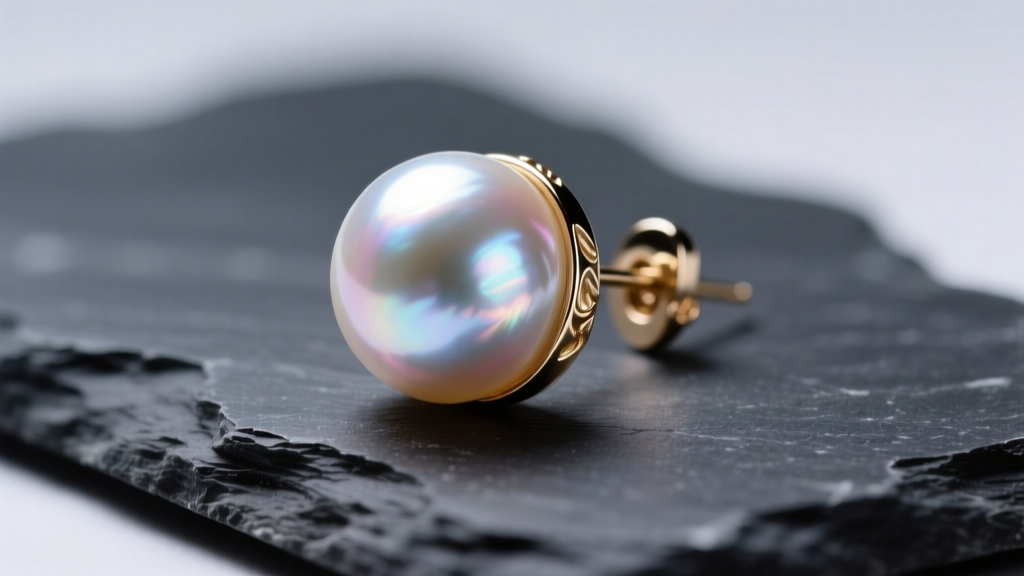
As we move through 2026, the maximalist jewelry trend has firmly cemented the chunky pearl earring as an essential wardrobe staple. From sculptural baroque freshwater drops to oversized South Sea studs, these statement pieces offer unparalleled elegance. However, their substantial size and unique material composition demand a highly specialized approach to maintenance. Unlike diamonds or sapphires, pearls are organic gems. They are porous, sensitive to chemicals, and surprisingly delicate. When you factor in the heavy weight of a chunky pearl, the structural integrity of the earring post and adhesive becomes just as critical as the gemstone itself. This comprehensive guide provides actionable, expert-level care and cleaning protocols to ensure your oversized pearl earrings retain their luster and structural security for decades.
The Anatomy of a Chunky Pearl: Nacre, Weight, and Adhesives
To understand how to care for chunky pearl earrings, you must first understand their physical vulnerabilities. Pearls are composed of nacre, a crystalline substance made of microscopic aragonite platelets held together by an organic protein called conchiolin. On the Mohs scale of mineral hardness, pearls rank between 2.5 and 4.5, making them exceptionally prone to scratching from everyday dust and harder gemstones.
Furthermore, the 'chunky' aspect introduces a mechanical vulnerability. A standard 7mm Akoya pearl weighs roughly 0.5 grams. In contrast, a 15mm baroque freshwater or South Sea pearl can weigh upwards of 4 to 6 grams. This exponential increase in weight places significant torque on the earring post and the jeweler's epoxy or UV-cured resin used to secure the pearl to its metal cup. Harsh cleaning chemicals do not just damage the nacre; they degrade these adhesives, leading to the catastrophic failure of the pearl detaching from the post.
The 2026 Standard: Safe Cleaning Protocol for Oversized Pearls
Commercial jewelry dips and ultrasonic machines are strictly forbidden for organic gems. According to the Gemological Institute of America (GIA), pearls require a gentle, pH-neutral approach to preserve their delicate orient and overtone. Follow this precise four-step framework to clean your chunky pearl earrings safely.
Step 1: Dry Dusting and Structural Inspection
Before introducing any moisture, use a clean, dry microfiber cloth to gently wipe away surface dust. Dust contains microscopic silica particles (Mohs 7) that can act like sandpaper on the nacre if rubbed aggressively. While dry, inspect the metal cup and post. Check for any wiggling or gaps between the pearl's drill hole and the metal setting. If the pearl shifts, stop cleaning and take it to a jeweler for re-tipping or re-gluing.
Step 2: The pH-Neutral Wash
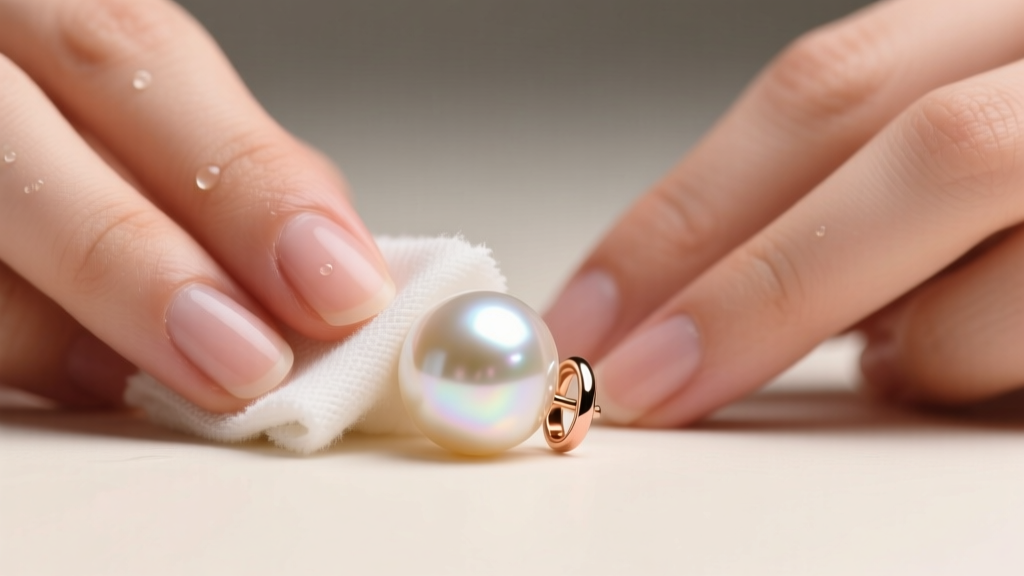
Mix a solution of lukewarm distilled water and a single drop of pH-neutral liquid castile soap or baby shampoo. Tap water often contains chlorine and heavy minerals that can leave a dulling film on the pearl. Dip a soft, lint-free cotton cloth into the solution, wring it out until it is only slightly damp, and gently wipe the surface of the pearl. Never submerge chunky pearl earrings in water; submersion allows moisture to seep into the drill hole, which will slowly rot the internal adhesive and cause the metal post to oxidize.
Step 3: Targeted Post and Back Cleaning
The earring post and butterfly back (or screw-back) accumulate sebum, dead skin cells, and hair products. Use a cotton swab lightly dampened with isopropyl alcohol (70% or higher) to clean the metal post and backing. Crucially, keep the alcohol strictly on the metal and away from the pearl and the adhesive cup, as alcohol will dissolve cyanoacrylate and epoxy resins.
Step 4: The Drying Phase
Pat the pearl dry with a separate, clean microfiber cloth. Allow the earrings to air dry completely on a soft towel for at least two hours before storing them. Ensuring the drill hole and metal cup are bone-dry prevents trapped moisture from compromising the glue bond.
Chemical Hazards: What Destroys Nacre and Epoxy
The most common way collectors ruin their chunky pearl earrings is by treating them like crystalline gemstones. The aragonite in pearls is highly reactive to acids, and the conchiolin protein is easily denatured by harsh alkalis. Below is a decision matrix outlining common household and commercial cleaning agents and their exact effects on your earrings.
| Cleaning Agent / Method | Effect on Nacre (Pearl) | Effect on Adhesive / Metal | Verdict |
|---|---|---|---|
| Ultrasonic Cleaners | Causes micro-fractures and peeling | Shatters epoxy bond via vibration | Never Use |
| Steam Cleaners | Dehydrates nacre, causes crazing | Melts or softens jeweler's glue | Never Use |
| Ammonia / Bleach | Dissolves calcium carbonate instantly | Corrodes solder joints on cups | Never Use |
| Baking Soda Paste | Scratches and dulls the polish | Abrasive to metal finishes | Never Use |
| Toothbrushes (Even Soft) | Traps grit, causing micro-scratches | Can snag prongs or bead settings | Avoid |
| pH-Neutral Castile Soap | Safe, lifts oils gently | Safe when kept away from cup | Highly Recommended |
'The biggest mistake I see in my workshop is clients using silver polishing cloths on their pearl earrings. These cloths are impregnated with mild abrasives and anti-tarnish chemicals that will permanently etch and dull the nacre upon contact.' — Master Bench Jeweler
Long-Term Storage and Wear Habits
Proper storage is just as vital as proper cleaning. The Jewelers of America emphasizes that organic gems require a specific microclimate to survive long-term storage. Pearls contain a small amount of water; if they are stored in an overly dry environment, they will dehydrate, leading to a loss of luster and eventual cracking (crazing).
- Ditch the Plastic: Never store chunky pearl earrings in sealed plastic bags (like Ziploc). Plastic traps off-gassing chemicals from the environment and cuts off the pearls' access to ambient humidity.
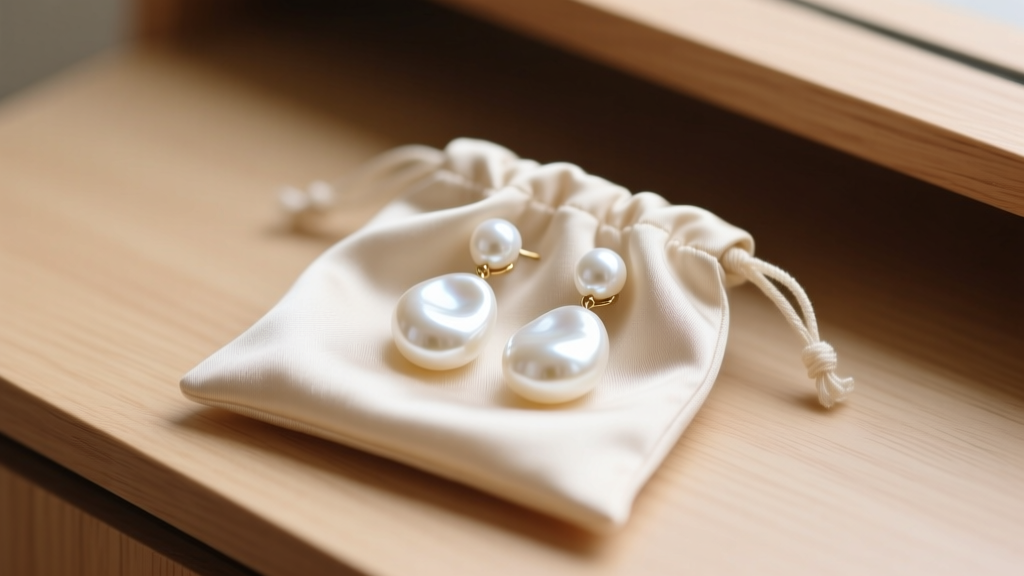
- Use Silk or Cotton: Store your earrings in a breathable silk pouch or a soft, unbleached cotton jewelry roll. Silk is smooth enough to prevent micro-scratches while allowing the pearls to 'breathe'.
- Isolate from Harder Gems: Because chunky pearls are large, they take up more surface area in a jewelry box. Ensure they are stored in a dedicated compartment away from diamond, sapphire, or topaz pieces, which will easily gouge the nacre if they shift during transit.
- Lay Flat When Possible: For heavy drop or dangle styles, lay them flat. Hanging heavy pearl earrings for months on end can put stress on the metal jump rings and earring wires, leading to metal fatigue.
Troubleshooting Common Pearl Earring Issues
Dealing with Cosmetics and Hairspray Build-up
The golden rule of pearl jewelry is 'last on, first off.' Hairspray, perfume, and foundation contain alcohols and acids that strip the pearl's natural luster. If you accidentally get hairspray on your chunky pearl earrings, do not wipe it while it is wet, as this will smear the polymers into the microscopic pores of the nacre. Allow it to dry completely, then gently brush it off with a clean, dry makeup brush before proceeding with the damp cloth cleaning method outlined above.
Restoring Yellowed or Dull Nacre
If your pearls have lost their luster and appear chalky or yellowed, surface cleaning will not suffice. This indicates that the top layers of nacre have been chemically etched by years of exposure to sweat and cosmetics. Do not attempt to polish them yourself with Dremel tools or buffing compounds. Take them to a professional lapidary or pearl specialist who can assess if the nacre is thick enough to withstand a professional, ultra-fine repolishing. For glued chunky studs, the jeweler will often remove the pearl from the post entirely before polishing to ensure no polishing compound gets trapped in the metal cup.
By respecting the organic nature of these magnificent gems and adhering to a strict, gentle maintenance routine, your chunky pearl earrings will remain a striking, luminous focal point in your collection for a lifetime.


