What an Earring in Left Ear Means: Myths vs Metal Facts
Discover what an earring in left ear means today. We debunk old myths and compare titanium, gold, and steel properties for safe, stylish piercings.

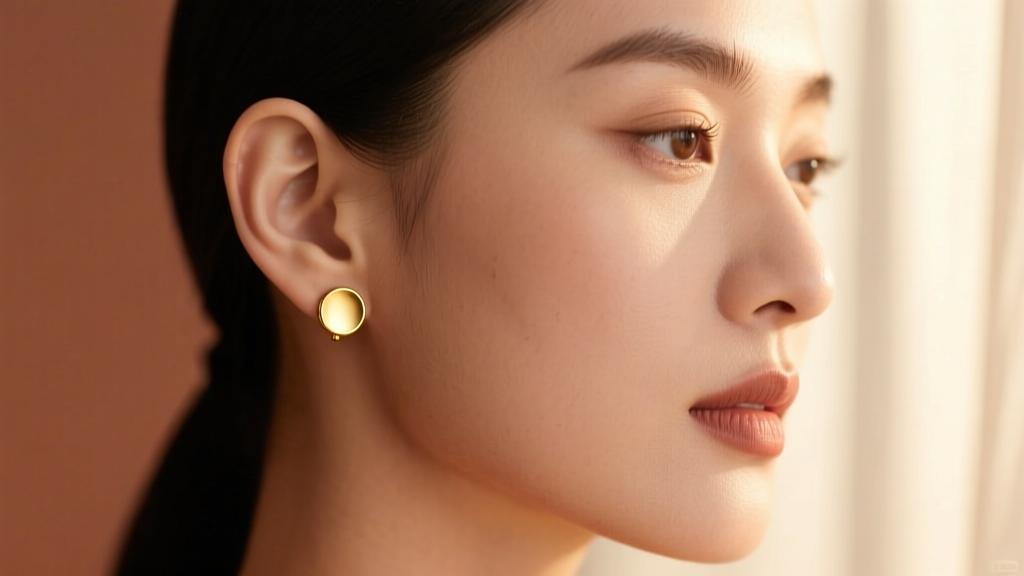
The Historical Myth: What an Earring in Left Ear Means
For decades, the phrase earring in left ear means has been heavily associated with outdated cultural coding. In the 1980s and 1990s, a pervasive urban legend suggested that a left-ear piercing indicated a specific sexual orientation, while the right ear meant another. Going back even further, maritime superstitions claimed that sailors pierced their left ear with gold to improve their eyesight or as a pre-paid funeral expense should they drown. In 2026, these cultural and historical myths are entirely obsolete. Today, the side of the ear you choose to pierce is dictated purely by aesthetic preference, facial asymmetry, and anatomical suitability. The true 'meaning' behind your earring choice no longer lies in which ear it occupies, but rather in the metallurgical composition of the jewelry itself. Choosing the correct material for your left ear—whether it is a standard lobe piercing or a complex cartilage arrangement like a helix or tragus—is the single most critical factor in preventing rejection, infection, and nickel sensitization.
The Real Meaning: Material Grades and Anatomy
When we shift the conversation from cultural myths to material science, the focus turns to how different metals interact with the human body's immune system. The left ear's anatomy, particularly the cartilage, is avascular, meaning it lacks direct blood supply and relies on surrounding tissue for healing. This makes cartilage piercings highly susceptible to irritation and infection if the jewelry material leaches toxic alloys or harbors bacteria in microscopic pores. According to the Association of Professional Piercers (APP), only specific, highly regulated implant-grade metals should be used for initial piercings or long-term wear in sensitive areas. Understanding the molecular stability of your earrings is the modern standard for body modification.
Metal Comparison Chart for Ear Piercings
| Material | ASTM Standard | Nickel Content | Best Application | Avg. Price Range |
|---|---|---|---|---|
| Implant-Grade Titanium | ASTM F136 | 0% | All fresh & healed piercings | $35 - $90 |
| 14k/18k Gold (Nickel-Free) | N/A (Alloyed) | 0% | Healed lobes & cartilage | $150 - $600+ |
| Niobium (Unalloyed) | N/A (Element) | 0% | Healed cartilage hoops | $25 - $60 |
| Surgical Stainless Steel | ASTM F138 | 8% - 12% | Healed lobes only (short-term) | $10 - $30 |
Why Implant-Grade Titanium is the 2026 Standard
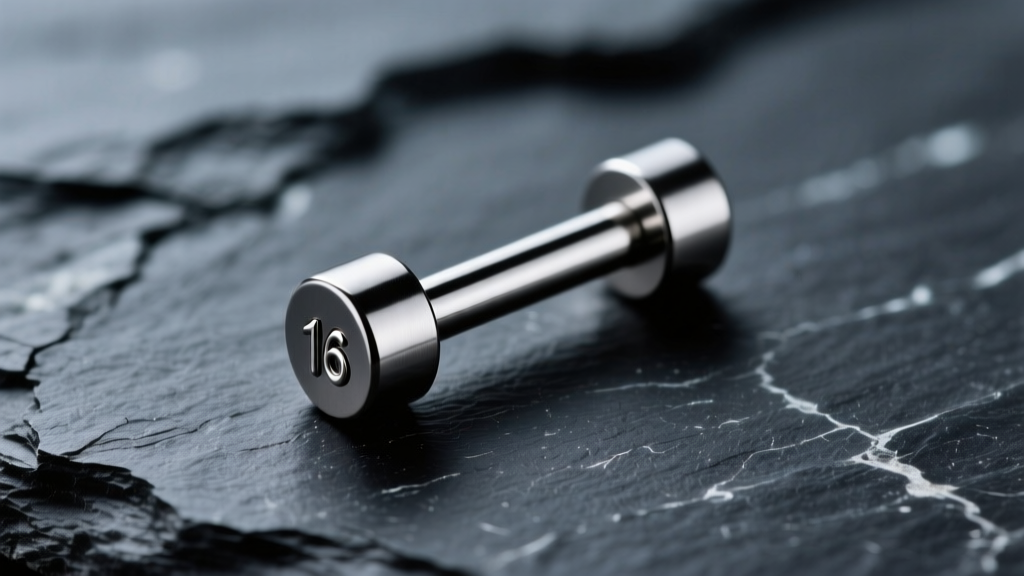
If there is a universal truth in modern piercing, it is that Implant-Grade Titanium (specifically alloyed to ASTM F136 standards) is the undisputed king of biocompatibility. Titanium is entirely nickel-free and possesses a unique property: when exposed to oxygen, it instantly forms a microscopic, inert passivation layer on its surface. This layer prevents the metal from reacting with bodily fluids, ensuring that your left ear's fistula (the piercing tunnel) remains calm and unbothered. For a standard left lobe piercing, an 18-gauge or 16-gauge titanium flat-back labret provides the perfect balance of structural integrity and lightweight comfort. For cartilage, a 16-gauge titanium post is the industry standard, offering enough thickness to prevent the 'cheese-cutter effect' where thin jewelry slowly migrates through the tissue.
The Problem with 'Surgical' Stainless Steel
The term 'surgical steel' is largely a marketing fabrication when applied to body jewelry. Most commercial stainless steel earrings are made from 316LVM steel (ASTM F138). While this steel is used in medical scalpels and bone screws, those tools are used once and discarded, or implanted deep where tissue encapsulates them. In a piercing, the steel is constantly exposed to oxygen, sweat, and friction. 316L steel contains between 8% and 12% nickel. Over time, the friction of daily wear breaks down the steel's protective chromium layer, allowing nickel ions to leach into the skin. This is the primary cause of contact dermatitis, resulting in the itchy, flaky, and swollen earlobes that plague millions of earring wearers. If your left ear lobe is perpetually irritated, the 'meaning' is simple: you are experiencing a localized allergic reaction to nickel leaching from substandard steel.
Gold and Niobium: The Aesthetic Alternatives
For those who prefer the warmth of yellow or rose gold, material purity is paramount. Only 14k or 18k gold that is explicitly alloyed without nickel should be worn. Many mass-market jewelry brands alloy gold with nickel to increase hardness and reduce costs, which is disastrous for fresh piercings. Furthermore, gold is a soft metal; a 20-gauge gold wire can easily bend and warp inside a healing cartilage piercing, creating microscopic grooves that harbor bacteria. Niobium, a highly reactive elemental metal, is another exceptional choice, particularly for hoops and clickers in healed helix or conch piercings. Because it is an element rather than an alloy, it cannot be broken down into allergenic components. Through anodization, niobium can also be safely colored in a spectrum of vibrant hues without the use of toxic paints or platings.
Threading and Gauge: The Hidden Failure Modes
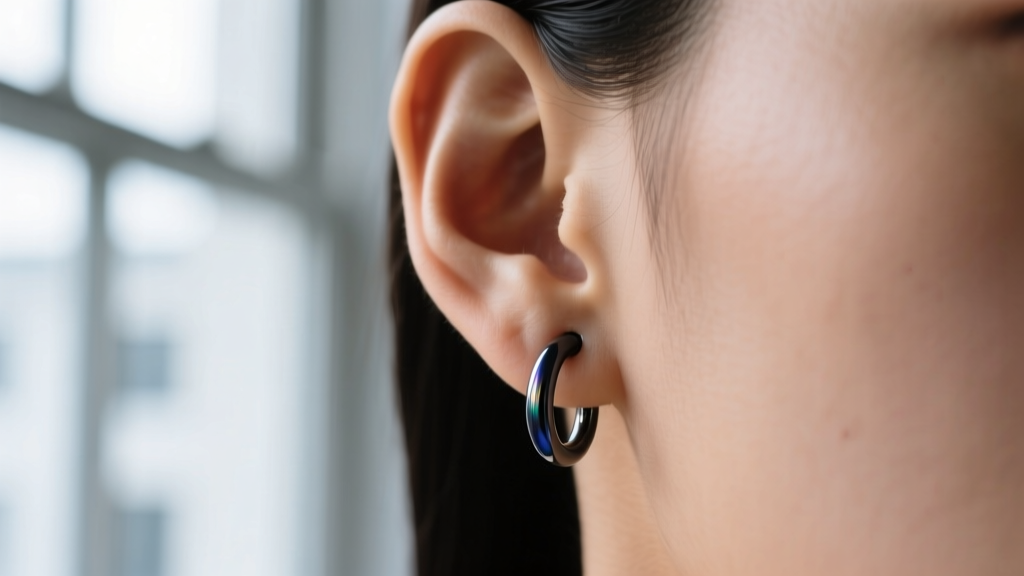
Beyond the base metal, the physical construction of the earring dictates its safety. If you are wearing a threaded stud in your left ear, examine the post. Externally threaded jewelry—where the screw pattern is on the post itself—acts like a file, tearing through the delicate fistula every time it is inserted or removed. In 2026, the only acceptable standards are internally threaded (where the screw is on the decorative end) or threadless (press-fit) jewelry. Threadless jewelry uses a slightly bent pin that creates tension against the inside of the hollow post, offering unparalleled security and a perfectly smooth insertion that protects the healing tissue. Pairing an ASTM F136 titanium threadless system with a high-quality gemstone setting ensures that your jewelry will not snag on hair or clothing, which is a leading cause of cartilage irritation bumps.
Final Verdict: Let the Metal Speak, Not the Myth
Searching for what an earring in left ear means will only lead you down a rabbit hole of debunked 20th-century stereotypes. The modern reality of ear styling is rooted in anatomy, metallurgy, and precision engineering. Whether you are adorning your left lobe with a seamless 14k gold hoop or navigating a complex curating project across your left cartilage with implant-grade titanium flat-backs, the focus must remain on material integrity. Invest in verified, nickel-free metals, demand proper gauge thicknesses (never thinner than 18G for lobes or 16G for cartilage), and insist on threadless or internally threaded construction. By prioritizing material science over outdated myths, you ensure your piercings remain healthy, vibrant, and effortlessly stylish for a lifetime.


