Earring Infection Antibiotics: Do You Really Need Them?
Discover if you need earring infection antibiotics. Learn how to tell the difference between normal healing, irritation, and true bacterial infections.

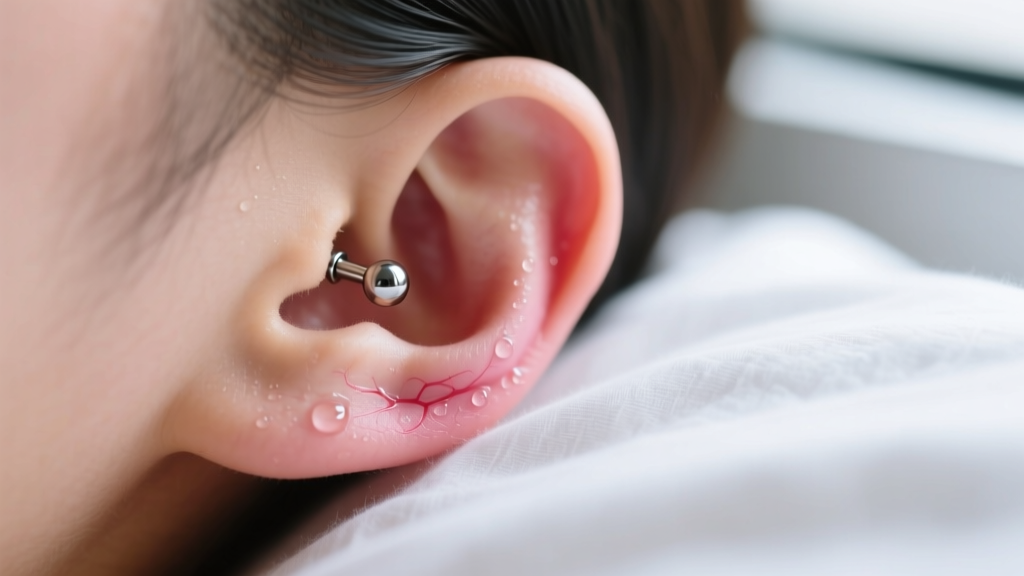
Getting a new ear piercing is an exciting step in your personal style journey, but the healing process can quickly turn into a source of anxiety. At the first sign of redness, swelling, or crusties, many beginners immediately panic and search for earring infection antibiotics. However, reaching for heavy-duty medication is rarely the correct first step. In fact, what most people mistake for a severe bacterial infection is actually localized irritation, an allergic reaction to low-quality jewelry, or normal lymphatic fluid discharge. Understanding the precise biological difference between a healing fistula (the piercing canal) and a true staph or pseudomonas infection is critical for your ear health. This beginner-friendly explainer will break down exactly when antibiotics are necessary, which materials cause false alarms, and how to properly triage your piercing before calling a doctor.
The Panic Moment: Is It an Infection or Just Irritation?
When you pierce your ear, you are creating an open wound. The body's natural immune response is to send white blood cells, plasma, and lymphatic fluid to the site to begin tissue regeneration. This results in swelling, tenderness, and the secretion of a pale, yellowish fluid that dries into crusties. Beginners often mistake this normal lymph fluid for pus. True pus, indicative of a bacterial infection, is typically thick, opaque, and ranges from dark yellow to green, often accompanied by a foul odor. According to the American Academy of Dermatology, mild redness and swelling are expected in the first few weeks, especially in vascular areas like the earlobe. Jumping straight to earring infection antibiotics for normal lymphatic discharge can disrupt your skin's natural microbiome and delay the healing process.
Symptom Breakdown: Irritation vs. Allergy vs. Infection
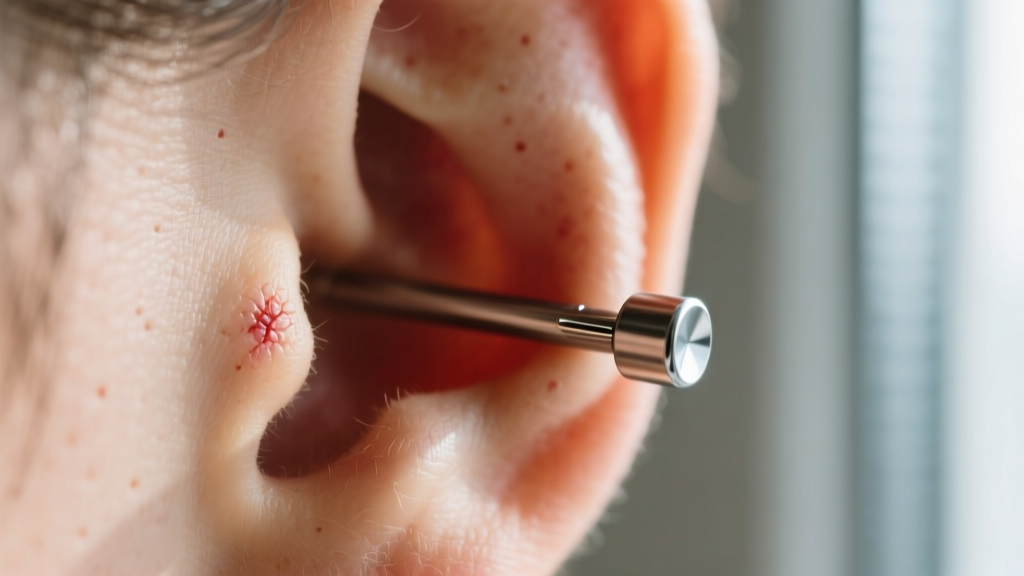
To determine if you actually need medical intervention, you must accurately identify your symptoms. Below is a clinical comparison chart to help you triage your ear piercing.
| Symptom Category | Irritation / Normal Healing | Allergic Contact Dermatitis | True Bacterial Infection |
|---|---|---|---|
| Fluid / Discharge | Pale yellow/white lymph, dries into hard crusties | Clear, weeping fluid, sometimes blistering | Thick, opaque yellow/green pus, foul smell |
| Pain Level | Tender to the touch, dull ache, itching | Intense itching, burning sensation | Throbbing, hot to the touch, severe pain |
| Redness | Localized strictly around the entry/exit holes | Widespread redness matching jewelry contact area | Spreading redness, red streaks radiating outward |
| Systemic Signs | None | None | Fever, chills, swollen lymph nodes in the neck |
When Are Earring Infection Antibiotics Actually Necessary?
Medical professionals reserve earring infection antibiotics for confirmed bacterial invasions, most commonly caused by Staphylococcus aureus or Pseudomonas aeruginosa. You should seek a doctor's evaluation for prescription antibiotics if you experience any of the following red-flag symptoms:
- Spreading Erythema: Redness that expands beyond the immediate piercing site and feels unusually hot.
- Systemic Illness: You develop a fever, chills, or notice swollen lymph nodes along your jawline or neck.
- Embedded Jewelry: The skin is rapidly swelling over the earring backing or front, trapping the metal inside the tissue.
- Foul-Smelling Exudate: Thick, green or brown discharge that smells distinctly rotten, unlike the mild metallic or cheesy scent of normal healing sebum.
If these symptoms are present, a physician will typically take a swab culture to identify the exact bacterial strain before prescribing targeted oral or topical antibiotics.
Topical vs. Oral: Which Antibiotics Work Best?
Not all earring infection antibiotics are created equal, and the delivery method depends entirely on the piercing's location and severity. For minor, superficial lobe infections, a doctor may prescribe a topical antibiotic ointment like Mupirocin (Bactroban). Mupirocin is highly effective against staph and strep bacteria without the high rates of contact dermatitis associated with over-the-counter options.
Crucial Warning: Never use Neosporin or triple-antibiotic ointments on a piercing. These contain neomycin, a common allergen that causes contact dermatitis. Furthermore, thick ointments block oxygen from reaching the fistula, trapping anaerobic bacteria inside the piercing canal and making the infection significantly worse.
For deep tissue infections or cartilage piercings, oral antibiotics are mandatory. Medications like Cephalexin (for staph/strep) or Ciprofloxacin (for pseudomonas, which thrives in moist cartilage environments) are standard medical protocols. Oral antibiotics enter the bloodstream to fight the infection from the inside out, which is necessary when bacteria breach the deeper dermal layers.
Why Your Jewelry Material Might Be the Real Culprit
Before assuming you need earring infection antibiotics, evaluate the metal sitting in your ear. A vast majority of "infections" reported by beginners are actually severe allergic reactions to nickel. Many commercial jewelry brands sell "surgical steel" (ASTM F138), which contains up to 14% nickel. When nickel leaches into an open wound, the immune system attacks it, causing intense swelling, weeping, and redness that perfectly mimics a bacterial infection.
The Association of Professional Piercers (APP) strictly recommends Implant-Grade Titanium (ASTM F136) for all fresh piercings. This specific alloy is completely nickel-free, highly polished to prevent bacterial harboring, and biocompatible with human tissue. If your ear is angry, weeping, and itchy, the solution is rarely antibiotics; it is an immediate jewelry downgrade to an internally threaded or threadless ASTM F136 titanium flat-back labret.
Step-by-Step Triage: What to Do Before Calling the Doctor
If your piercing is angry but you lack systemic infection symptoms, follow this strict triage protocol to calm the tissue:
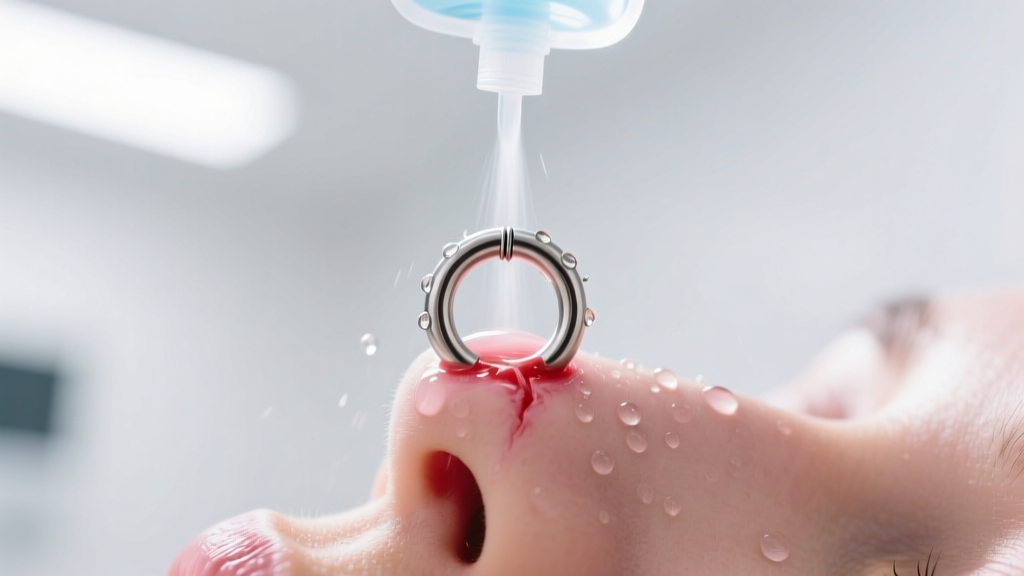
- Switch to Sterile Saline: Stop using tea tree oil, rubbing alcohol, or harsh soaps. Purchase a canned, pressurized 0.9% sterile sodium chloride wound wash (with no additives). Spray it on the piercing twice daily.
- Practice LITHA: "Leave It The Hell Alone." Stop touching, twisting, or sleeping on the piercing. Friction is the number one cause of irritation bumps.
- Check Your Post Length: If the metal post is too long, it will snag and move, tearing the fragile fistula. If it's too short, it will choke the swelling. Visit an APP-certified piercer to have the post length adjusted to fit your current swelling.
- Apply a Warm Compress: Soak a clean, non-woven gauze pad in warm sterile saline and hold it against the ear for 5 minutes to encourage lymphatic drainage.
The Cartilage Danger Zone: Perichondritis Explained
Cartilage piercings (helix, conch, daith, rook) require special vigilance. Unlike the earlobe, which has a rich blood supply to fight off bacteria, cartilage is avascular—it receives nutrients and immune cells via diffusion from the surrounding skin (the perichondrium). If bacteria enter a cartilage piercing, they can cause perichondritis, a severe infection of the tissue covering the cartilage.
"Cartilage infections can escalate rapidly, leading to tissue necrosis or 'cauliflower ear' if left untreated. Because of the lack of direct blood flow, topical antibiotics are virtually useless for deep cartilage infections; oral antibiotics are almost always required."
If your upper ear piercing is throbbing, deeply swollen, and radiating heat, do not wait. The Mayo Clinic advises seeking immediate medical attention for cartilage infections to prevent permanent structural damage to the ear. Furthermore, ensuring your initial cartilage piercing is done at a thicker gauge (14g or 16g rather than 18g or 20g) provides better stability and reduces the "cheese-cutter effect," minimizing the micro-tears that let bacteria inside.
Final Thoughts on Healing and Prevention
While earring infection antibiotics are a vital medical tool for true bacterial invasions, they are not a catch-all cure for poor aftercare or low-quality jewelry. By learning to distinguish between normal lymphatic healing, nickel-induced contact dermatitis, and genuine staph infections, you can save yourself unnecessary medical visits and protect your body's natural microbiome. Invest in implant-grade titanium, stick to sterile 0.9% saline, and practice patience. A well-healed piercing is a marathon, not a sprint, and proper triage is your best defense along the way.


